Complete Guide to Senjuin Temples | A Summary of History, Goshuin (Temple Seals), and Visiting Information for Senjuin Temples Nationwide
Senjuin is a name for temples found throughout Japan, often those that enshrine the Thousand-Armed Kannon Bodhisattva as their principal deity. This article provides detailed explanations of the history, characteristics, and visiting information for major Senjuin temples, including Shigisan Senjuin, Yamadera Senjuin, and Sakura Senjuin.
What is Senjuin?
The name Senjuin originates from the fact that these temples enshrine the Thousand-Armed Kannon Bodhisattva as their principal deity. The Thousand-Armed Kannon is a symbol of compassion, representing the salvation of all people with its thousand arms, and has long been revered by the people. Multiple temples with the same name exist throughout Japan, each possessing its own unique history and culture.
The name Senjuin is used by temples of various Buddhist sects, including Shingon, Tendai, and Jodo, and each region has its own distinctive activities and events. Understanding the characteristics of each temple allows visitors to gain a deeper religious experience.
Shigisan Senjuin Temple (Heguri Town, Nara Prefecture)
History and Origin
Shigisan Senjuin Temple is the head temple of the Shigisan Shingon sect, located on Mount Shigi in Heguri Town, Ikoma District, Nara Prefecture. It is a sub-temple of Chogosonshi-ji Temple. It is the oldest sub-temple within Chogosonshi-ji Temple and possesses the oldest existing building, the shoin (study hall).
After passing through the red gate of Shigisan Chogosonshi-ji Temple, which is said to have been founded by Prince Shotoku, Senjuin Temple is the first thing you see. The Senjuin Goma Hall was opened approximately 1000 years ago by the monk Myoren, and since then, goma (fire ritual) has been performed every morning to pray for the wishes of worshippers.
Highlights of the Temple Grounds
Within the grounds of Shigisan Senjuin Temple, in addition to the principal image of Bishamonten, there is a Kannon Hall with an eleven-faced Kannon as its principal image, and a hall dedicated to Zenigame Zenjin, the god of wealth and good fortune. As the oldest and most historically significant temple within the mountain range, it has long been considered the private residence of the head priest of Shigisan-ji Temple.
Known for its beautiful sliding screen paintings, it also functions as a temple lodging, allowing visitors to deepen their religious experience while staying overnight. From the temple grounds, one can enjoy panoramic views of the natural beauty of Mount Shigi, appreciating the scenery throughout the seasons.
Access Information
To reach Shigisan Senjuin Temple, take a bus from Shigisanshita Station on the Kintetsu Ikoma Line (approximately 15 minutes), get off at Shigisanmon bus stop, and walk for about 10 minutes. It is also accessible by car, approximately 20 minutes from the Kashiba Interchange on the Nishimeihan Expressway. Since the temple grounds involve walking along mountain paths, comfortable walking shoes are recommended.
Hojusan Senjuin Temple (Yamagata City, Yamagata Prefecture)
Relationship with Risshakuji Temple
Hojusan Senjuin Temple, located in Yamagata City, Yamagata Prefecture, is a Tendai sect temple and is known as the second temple on the Mogami Thirty-Three Kannon Pilgrimage. It is said to have been founded by Jikaku Daishi and is located at the foot of Risshakuji Temple (Yamadera), famous as the place where Matsuo Basho composed his famous haiku, “Silence—the cicada’s cry penetrates the rocks.”
The principal image is a wooden statue of the Thousand-Armed Kannon Bodhisattva, said to have been created by Jikaku Daishi, and has long been a place of worship for the local people. It is a temple visited by many pilgrims as a starting point for visiting Risshakuji Temple.
Mogami Thirty-Three Kannon Pilgrimage Sites
Senjuin Temple is the second temple on the Mogami Thirty-Three Kannon Pilgrimage Sites, making it an important base for pilgrims. The history of Kannon worship is long, and it has received various wishes from people. Many visitors seek Goshuin (temple stamps), and the temple is constantly visited as part of a pilgrimage to sacred sites.
Points to Note When visiting Yamadera Senjuin Temple
When visiting Yamadera Senjuin Temple, it is recommended to plan your visit in conjunction with a visit to Risshakuji Temple as a whole. Yamadera is also known as a place of ascetic training where visitors climb 1015 stone steps, so those who are not confident in their physical strength should visit within their limits. You can enjoy the beauty of each season: the fresh greenery of spring, the chorus of cicadas in summer, the autumn leaves, and the snowscape of winter.
Senjuin Temple (Urasa, Minamiuonuma City, Niigata Prefecture)
Senjuin Temple in Urasa
Senjuin Temple, located in Urasa, Minamiuonuma City, Niigata Prefecture, is a temple deeply rooted in the community, conducting various activities in addition to memorial services and funerals. As the statement, “When you think of a temple, don’t you first imagine memorial services and funerals? Of course, we also perform those at Senjuin Temple,” indicates, demonstrating a modern approach to temple management.
Connection with the Community
Urasa Senjuin Temple also offers counseling services, providing advice on various issues such as family problems, relationships, work, and marriage. Through various activities stemming from its connection with the principal image, the Thousand-Armed Kannon, the temple maintains deep ties with the local community.
As an open temple easily accessible to visitors, it values dialogue with worshippers and serves as a spiritual haven for modern people.
Senjuin Temple (Sasaguri Town, Fukuoka Prefecture)
The Charm of the Main Hall
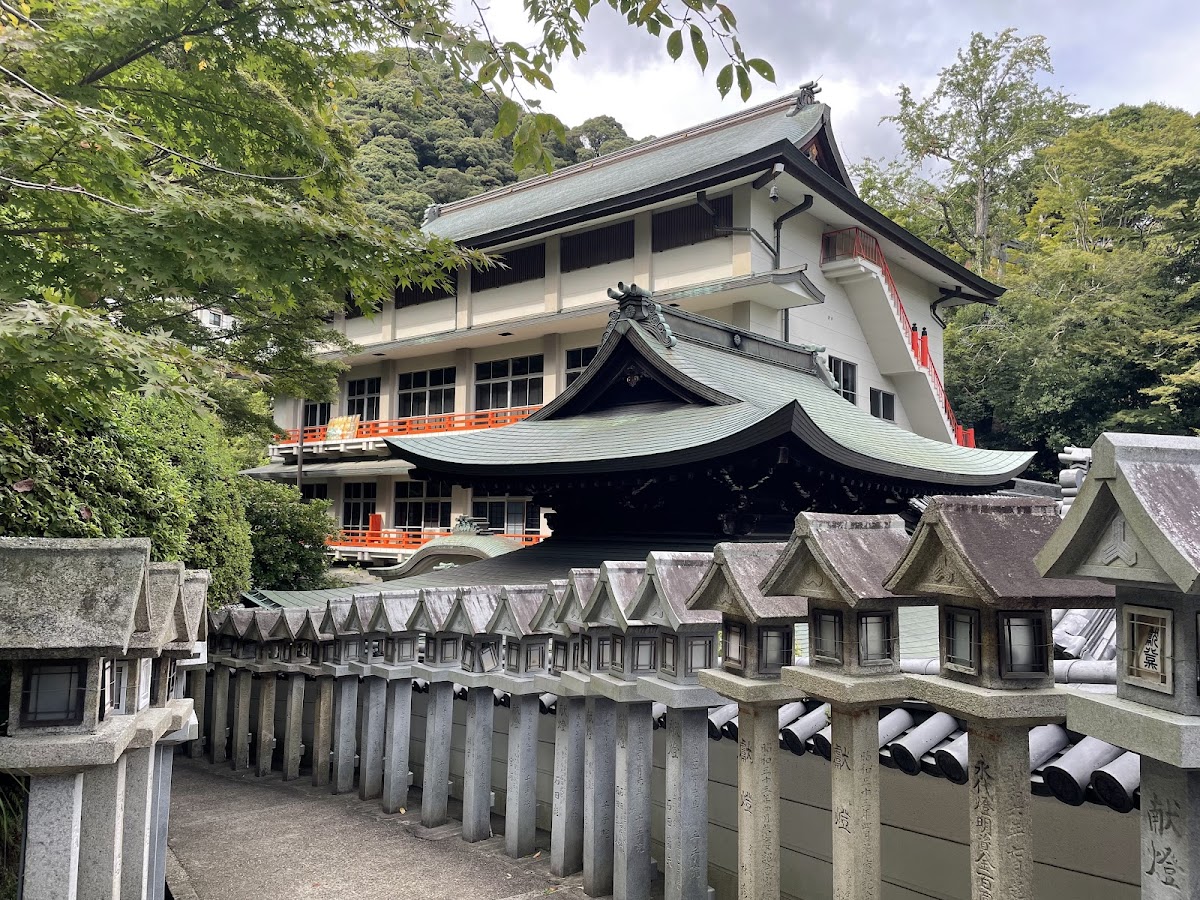
Senjuin Temple in Sasaguri Town, Fukuoka Prefecture, is a temple with a relatively new main hall. Its greatest highlight is the main hall, which the master builder himself considers his masterpiece, characterized by its opulent and flamboyant design. It boasts a beauty that most worshippers praise as “magnificent.”
Inadahime Matchmaking Shrine
Within the temple grounds is the “Inadahime Matchmaking Shrine,” a popular power spot for matchmaking. There’s a rumor that if a candle inscribed with one’s name burns to the end, it signifies good fortune in love, and worshippers seeking such blessings continue to flock to the temple.
Many young worshippers visit with the aim of achieving romantic success or finding a good partner, and the light of the donated candles illuminates the temple grounds in a magical way.
Inanoyama Senjuin Temple (Sakura City, Chiba Prefecture)
History from the Nara Period
Senjuin Temple in Sakura City, Chiba Prefecture, originated during the Tenpyo era (729-749) of the reign of Emperor Shomu, the 45th emperor of the Nara period. It began when the sculptor Kasuga enshrined a statue of Senju Kannon Bodhisattva in a temple in Ishigami (present-day Usui), and named it Rengeoin.
Belonging to the Shingon-shu Buzan sect, it has a long history and has attracted the faith of the local community. The principal image, the statue of Senju Kannon Bodhisattva, is a valuable cultural asset that conveys the techniques of the sculptors of that time.
Characteristics of the Temple Grounds
The grounds of Sakura Senjuin Temple are a space where historical buildings and nature are in harmony. Visitors can find peace of mind and offer prayers in a tranquil environment. As an important temple for learning about the region’s history, it is highly valued for its cultural significance.
Mishima-san Kakutoji Senjuin Temple (Komae City, Tokyo)
Founded in the Edo Period
Mishima-san Kakutoji Senjuin Temple, located in Komae City, Tokyo, is a Tendai sect temple founded in 1688 by the Great Priest, Daiajari Jōyū Daiohshō. Situated in a quiet, upscale residential area on the north side of Komae City, a suburb of Tokyo rich in water and greenery, it is a traditional temple nurtured by a long history and culture.
In 1842, the main hall, priest’s quarters, guest hall, Kannon hall, and Fudo hall were destroyed by fire, but were subsequently rebuilt and remain to this day.
As an Urban Temple
Despite its urban location, Senjuin Temple maintains a tranquil environment, making it a precious place of peace and solace for modern people. Its easy accessibility makes it a popular and easily accessible temple for local residents.
Senjuin Temple (Minamisaku District, Nagano Prefecture)
Seasonal Wildflowers
Senjuin Temple in Minamisaku District, Nagano Prefecture, is known for the seasonal wildflowers that bloom within its grounds. With an open and welcoming attitude, it warmly welcomes visitors.
The opportunity to enjoy different flowers each season while visiting Senjuin Temple amidst its rich natural environment is a major attraction.
Harmony with Nature
Many visitors come specifically to observe the wildflowers, and the temple is cherished as a space where nature and faith harmonize. Many also enjoy photography, and the temple grounds, which show different expressions throughout the seasons, offer new discoveries with each visit.
Senjuin Temple (Matsue City, Shimane Prefecture)
Izumo Province Thirteen Buddha Pilgrimage Sites
Senjuin Temple, located in Matsue City, Shimane Prefecture, is known as one of the thirteen Buddha pilgrimage sites of Izumo Province. Its address is 385 Ishibashi-cho, Matsue City, and it has parking for four regular-sized cars.
As a center of local faith, it is a temple visited by many worshippers. It occupies an important position as part of the pilgrimage to the sacred sites of the Izumo region.
About Goshuin (Temple Seals)
Characteristics of Senjuin Temple’s Goshuin
Each Senjuin temple throughout Japan offers its own unique goshuin. The goshuin includes the temple name, the name of the principal deity, and the date of visit, all written in ink and stamped with a red seal. The designs reflect the characteristics of each temple, making them valuable collectibles for worshippers who enjoy collecting goshuin.
Manners When Receiving a Goshuin
When receiving a goshuin, the basic etiquette is to complete your prayers first before going to the goshuin office. Bring your goshuincho (stamp book) and make your request respectfully. The fee for a goshuin (stamp) varies by temple, but is generally around 300 to 500 yen.
For pilgrimages, special goshuincho may be available. Checking in advance will make the process smoother.
Points to Note and Manners When Visiting a Temple
Clothing and Belongings
When visiting Senjuin Temple, please dress modestly. Comfortable walking shoes are essential for temples located in mountainous areas. Remember insect repellent in summer and warm clothing in winter.
Belongings should include a goshuincho, offering money, and a camera (if photography is permitted). Regarding photography on the temple grounds, please follow the rules of each temple.
Etiquette for Visiting a Temple
As a basic etiquette for visiting a temple, bow at the main gate before entering the grounds. Cleanse your hands and mouth at the water basin and proceed to the main hall. Offer your donation, then quietly clasp your hands together and offer your prayers.
It is important to remain quiet and avoid speaking loudly within the temple grounds. Please be considerate of other visitors.
Annual Events
Main Events
Senjuin Temple holds various events throughout the year. Traditional Buddhist ceremonies such as the New Year’s visit, the Setsubun bean-throwing ceremony, the spring and autumn equinox services, and the Obon memorial service are held.
Each temple also has its own unique events, and festivals linked to local culture are sometimes held. It is recommended to check the website or call each temple in advance.
Special Viewings
Some Senjuin temples hold special viewings or unveilings of hidden Buddha statues on special days. This is a valuable opportunity to view Buddha statues and temple treasures that are not usually on display.
Access and Surrounding Information
Access by Public Transportation
Access to each Senjuin temple varies greatly depending on its location. While temples in urban areas are relatively easy to access by train and bus, temples in mountainous areas may require a car.
When using a navigation system, it is important to accurately enter the temple’s official name and address. Be careful not to make a mistake, as there may be multiple temples with the same name.
Nearby Tourist Attractions
Many other temples, shrines, and tourist attractions are scattered around Senjuin Temple. Around Shigisan Senjuin Temple are other sub-temples of Chogosonshi-ji Temple; around Yamadera Senjuin Temple are various halls of Risshaku-ji Temple; and around Sasaguri Senjuin Temple are other pilgrimage sites of the Sasaguri Eighty-Eight Sacred Places.
Taking a full day to explore these sites slowly allows for a deeper religious experience and enjoyable sightseeing.
Activities and Initiatives at Senjuin Temple
Modern Temple Activities
Many Senjuin temples, in addition to traditional religious activities, are developing various activities to meet modern needs. They regularly hold Zen meditation sessions, sutra copying sessions, and Dharma talks, providing opportunities for the general public to easily experience Buddhism.
Some temples offer life counseling and advice, serving as a spiritual haven.
Community Contribution Activities
Many Senjuin temples value their connection with the local community, working to create open temples through participation in local festivals, cleaning activities, and children’s events.
They also dedicate themselves to the preservation of cultural properties and the transmission of local history, playing an educational role.
Summary
Senjuin temples exist throughout Japan, each with its own unique history and characteristics. They offer diverse attractions, including the oldest sub-temple of Shigisan, a pilgrimage site of the 33 Kannon pilgrimage routes of Yamadera, a matchmaking spot in Sasaguri, and an ancient temple in Sakura.
When visiting, understanding the history and characteristics of each temple and observing appropriate manners will lead to a more fulfilling religious experience. Please visit a Senjuin temple to experience the compassion of the principal deity, the Thousand-Armed Kannon, and seek peace of mind.
Through the changing seasons, the historic buildings, and the warm interactions with the head priest and parishioners, you can rediscover the inner richness that modern people often forget. All Senjuin temples throughout Japan await you as open places of faith that you can visit anytime.