Complete Guide to Kōtoku-ji Temple | History, Access, and Highlights Explained in Detail
There are several temples named Kōtoku-ji throughout Japan. Each belongs to a different Buddhist sect and possesses its own unique history and culture. This article provides a detailed explanation of the historical background, highlights within the temple grounds, access methods, and role in the local community for each Kōtoku-ji temple.
What is Kōtoku-ji?
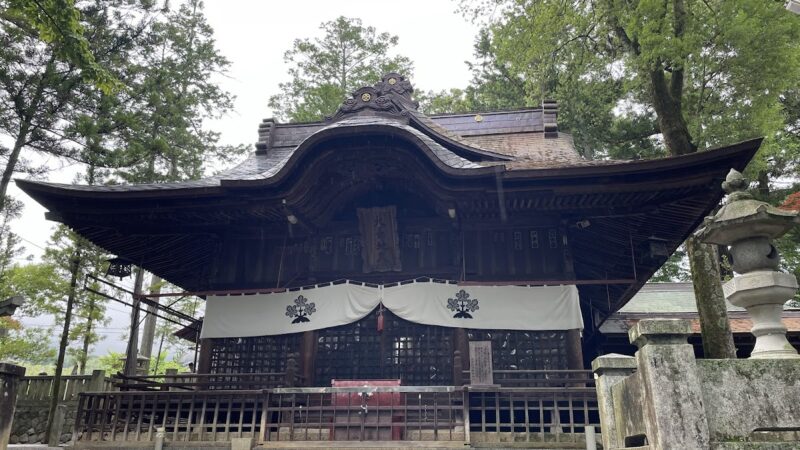
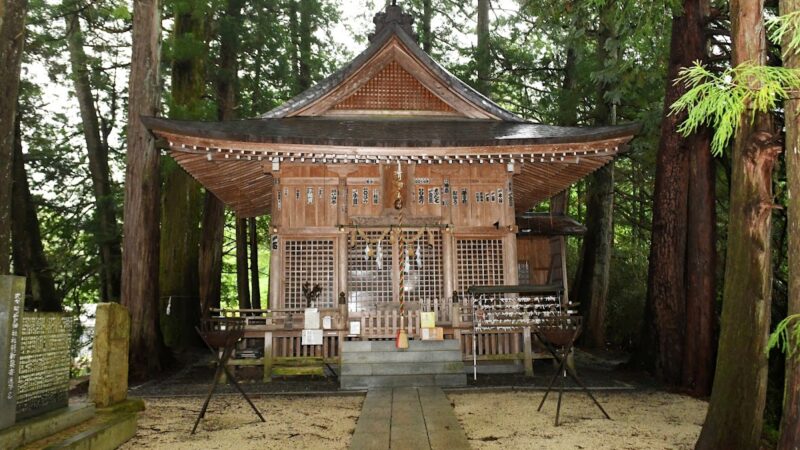
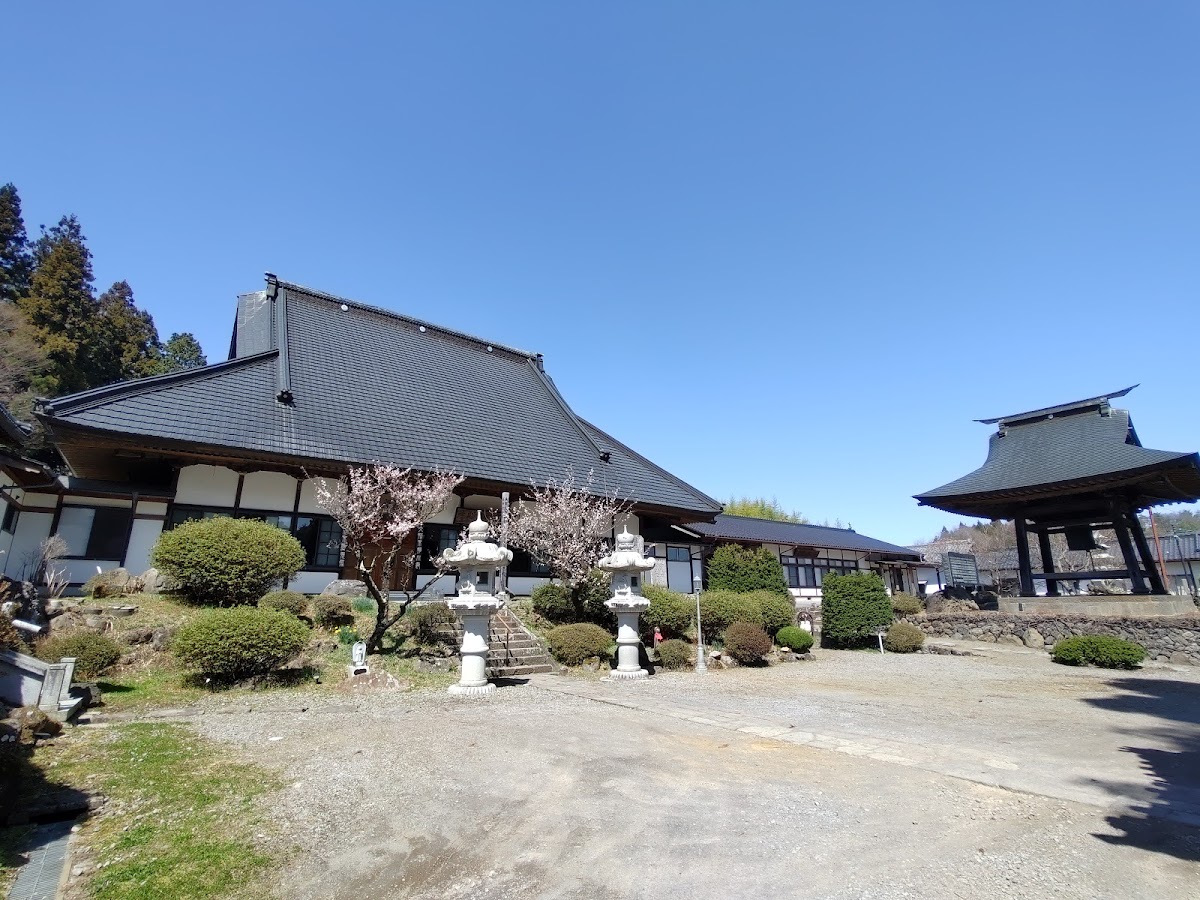
Kōtoku-ji is the name of several temples scattered throughout Japan, each belonging to a different Buddhist sect, such as Nichiren Buddhism, Jōdo Shinshū, Sōtō Zen, and Tendai Buddhism. Despite sharing the same name, each temple has its own unique history and origins, and has played an important role in its local community.
Particularly well-known are Kōtoku-ji Temple (Nichiren Buddhism) in Ichihara City, Chiba Prefecture; Kōtoku-ji Temple (Shinshū Ōtani sect) in Fukumitsu, Nanto City, Toyama Prefecture; and Kōtoku-ji Temple (Nishiyama Jōdo sect) in Shimogyo Ward, Kyoto City. Let’s take a closer look at the distinctive history, cultural assets, and local connections of each temple below.
Kyōōzan Kōtoku-ji Temple, Ichihara City, Chiba Prefecture (Nichiren Sect)
History and Founding
Kyōōzan Kōtoku-ji Temple, located in Ichihara City, Chiba Prefecture, is a Nichiren sect temple founded in July of the first year of the Kanshō era (1460). Its founder was Myōkōin Nichii Shōnin, the ninth head priest of Hiraga Hondō-ji Temple, and it was established as a place of retirement for Nichii Shōnin. Hondō-ji Temple is the head temple of the Nichiren sect located in Matsudo City, Chiba Prefecture, and Nichii Shōnin, the ninth head priest of Hondō-ji Temple, chose Ichihara to establish Kōtoku-ji Temple.
At the time of its founding, the temple flourished under the patronage of Hara Shinano-no-kami, the lord of Ichihara Castle, and Hara Saemon-no-jō, the lord of Iwatomi Castle. At its peak, it was a central figure in the Nichiren sect in the region, with 10 branch temples and seven main temple buildings. Over its more than 550-year history, it has attracted the faith of many believers.
Highlights of the Arhat Statues and Temple Grounds
Kōtoku-ji Temple is known as the “Temple of Arhat Statues and Hydrangeas.” Numerous Arhat statues are enshrined within the temple grounds, welcoming visitors. Arhat are disciples of Buddha, and each statue, with its unique expression, leaves a profound impression on visitors.
During hydrangea season, the temple grounds are vividly colored, attracting many visitors. The historical buildings, such as the main hall and the temple gate, are also highlights. Currently, the temple belongs to the Konishi lineage and continues to uphold its traditions together with local parishioners.
Access and Address
Address: Ichihara City, Chiba Prefecture
For detailed access information, it is recommended to contact the temple by phone in advance. If using public transportation, buses or taxis from the nearest station are convenient.
Kōtoku-ji Temple, Fukumitsu, Nanto City, Toyama Prefecture (Shinshu Otani School)
Temple Associated with Shiko Munakata
Kōtoku-ji Temple, a Shinshu Otani School temple located in Fukumitsu, Nanto City, Toyama Prefecture, is known as the temple where the world-renowned printmaker Shiko Munakata took refuge during the war. Situated on the western edge of Toyama, just beyond the mountain pass to Kanazawa, this temple is deeply connected to Munakata’s artistic activities.
In 1945, Shiko Munakata evacuated to Fukumitsu to escape the war, and his encounter with the head priest of Kōtoku-ji Temple influenced the Mingei (folk art) movement. During this period, Munakata produced many masterpieces, later winning the Grand Prix at both the São Paulo Biennial (1955) and the Venice Biennale (1956), establishing his international reputation as “Munakata of the World.”
Temple Grounds Featuring Works by Shiko Munakata
Throughout the grounds of Kōtoku-ji Temple, one can feel the presence of Shiko Munakata. Many of his works, including fusuma (sliding door) paintings, remain within the temple grounds, conveying the artist’s spirit to visitors. The fusuma paintings in the main hall, in particular, are said to be a powerful work that Munakata completed in a single burst of creativity.
The temple gate is a charming architectural structure, evoking a sense of history even before entering the grounds. The pine tree known as “Kegon-matsu” is also a highlight, adding depth to the temple’s landscape. According to the head priest, Munakata’s encounter with folk art took place at this temple, giving rise to art that influenced the world.
Relationship with Rennyo Shonin
As a temple of the Shinshu Otani sect, Kōtoku-ji Temple also has a historical connection to Rennyo Shonin. Rennyo Shonin was a Jodo Shinshu Buddhist monk during the Muromachi period and made significant contributions to the propagation of Shin Buddhism in the Hokuriku region. Traces of Rennyo Shonin remain in the Fukumitsu area, and Kotoku-ji Temple continues that tradition of faith to this day.
Tourist Information and Access
Address: Fukumitsu, Nanto City, Toyama Prefecture
Kotoku-ji Temple is featured on Toyama Prefecture’s tourism website and is popular with tourists as a place associated with Munakata Shiko. Nanto City’s tourism information website, “Tabitabi Nanto,” offers plans such as the “Fukumitsu Munakata Sightseeing Taxi Plan,” allowing for efficient tours of places associated with Munakata Shiko.
While public transportation is available, using a taxi allows for efficient visits to multiple tourist spots. It’s a valuable place where you can experience the charm of Toyama Prefecture while touching upon the history of art and faith.
Kotoku-ji Temple, Shimogyo-ku, Kyoto City (Nishiyama Jodo Sect)
Approximately 400 Years of History
Kotoku-ji Temple, located in Shimogyo-ku, Kyoto City, belongs to the Nishiyama Jodo sect. With a history of approximately 400 years since its founding, it has attracted the faith of many people. Located in the historic city of Kyoto, it is a beloved spiritual center for the local community.
The Seizan Jodo sect, founded by Shoku Shonin, a disciple of Honen Shonin, preaches rebirth in paradise through chanting the Buddha’s name. Kotoku-ji Temple has upheld this teaching and walked alongside its parishioners.
Access and Location
Address: Shimogyo-ku, Kyoto City
Kotoku-ji Temple is conveniently located, approximately a 15-minute walk from JR Kyoto Line’s “Nishioji Station” and a 2-minute walk from the Kyoto City Bus “Nishioji Shichijo” stop. It’s easily accessible by using Kyoto’s public transportation network, making it a convenient stop during sightseeing.
It is recommended to confirm the phone number in advance and inquire about visiting hours.
Kotoku-ji Temple, Soto Zen Sect, Sapporo City, Hokkaido
Role as a Zen Temple
Kotoku-ji Temple, located in Kawazoe, Minami-ku, Sapporo City, Hokkaido, is a Zen temple that follows the lineage of Eihei-ji Temple, the head temple of the Soto Zen sect. Based on the philosophy of “inheriting and protecting the spirit of prayer,” it is a beloved place of peace of mind for parishioners and those connected to the temple.
The Soto Zen sect emphasizes “Shikantaza,” that is, simply sitting in meditation. At Kotoku-ji Temple, this Zen teaching is passed down to the present day, providing peace of mind to the local community. As an open temple where anyone can visit, it contributes to the local community.
Address and Access
Address: Kawazoe, Minami-ku, Sapporo City, Hokkaido
For access from within Sapporo city, please check the official website or inquire by phone.
Kotoku-ji Temple, Jodo Shinshu Honganji School, Kusu District, Oita Prefecture
Juryozan Kotoku-ji Temple
Kotoku-ji Temple, located in Kusu-machi, Kusu-gun, Oita Prefecture, is a temple belonging to the Jodo Shinshu Honganji School (Nishi Honganji School). With Juryozan as its mountain name, the temple continues to uphold the teachings of Nembutsu (recitation of Amida Buddha’s name) together with local parishioners.
The Jodo Shinshu Honganji sect considers Shinran Shonin as its founder and preaches rebirth in paradise through faith in the original vow of Amida Buddha. Kōtoku-ji Temple participates in the Fukuoka diocese’s continuous training programs and explores the role of Buddhism in modern times through initiatives such as “discussion-based Dharma meetings.”
Address and Access
Address: Kusu-machi, Kusu-gun, Oita Prefecture
Detailed access information can be found on the temple’s official website.
Kōtoku-ji Temple, Tendai Sect, Tochigi Prefecture
There is also a Kōtoku-ji Temple belonging to the Tendai sect in Tochigi Prefecture. The Tendai sect was founded by Saichō and has Enryaku-ji Temple on Mount Hiei as its head temple. This Kōtoku-ji Temple, belonging to the Tochigi diocese, also functions as a center of Tendai sect faith in the region.
For detailed information, please check the official website of the Tendai sect Tochigi diocese.
Common Characteristics of Kotoku-ji Temples Across Japan
Connections to Local Communities
What Kotoku-ji temples across Japan have in common is their deep connection to their respective local communities. They serve not only as places of worship for parishioners but also play a role in conveying the history and culture of the region.
Historical Value
Many Kotoku-ji temples have a history spanning several hundred years, and their founding and development processes are invaluable resources for understanding the history of Japanese Buddhism and local history. The buildings and cultural properties within the temple grounds are evidence of faith passed down through the ages.
Cultural Properties and Art
In particular, some temples, such as Kotoku-ji Temple in Nanto City, Toyama Prefecture, have connections to the world-renowned artist Shiko Munakata. Temples have played a role not merely as religious facilities but also as centers for the dissemination of art and culture. The cultural properties possessed by each temple, such as sliding screen paintings, Buddhist statues, and gardens, convey the Japanese aesthetic to the present day.
Points to Note When Visiting Kōtoku-ji Temple
Temple Visiting Etiquette
When visiting a temple, please observe basic temple visiting etiquette. Bow before passing through the main gate and be quiet within the temple grounds. When praying in the main hall, join your hands in prayer and pray with sincerity.
Prior Confirmation
It is recommended to check the visiting hours and any events in advance by phone. Especially if you wish to view cultural properties, advance reservations may be required. Please check the latest information on each temple’s official website.
Photography
Rules regarding photography within the temple grounds vary from temple to temple. Photography may be prohibited inside the main hall or in certain cultural properties, so be sure to check before taking pictures.
To Deepen Your Understanding of Kōtoku-ji Temple’s Charm
Participation in Dharma Talks and Events
Many Kōtoku-ji temples regularly hold Dharma talks and events. By participating in these, you can gain a deeper understanding of Buddhist teachings and strengthen your connection with the temple.
Exploring Local History
When visiting Kōtoku-ji Temple, exploring the surrounding historical sites will allow you to gain a deeper understanding of the region’s culture and history. In particular, Nanto City in Toyama Prefecture offers sightseeing plans that include visits to places associated with Shiko Munakata.
Seasonal Scenery
Some temples, like Kōtoku-ji Temple in Ichihara City, Chiba Prefecture, offer beautiful scenery during the hydrangea season. Enjoying the changing appearance of the temple grounds with each season is one of the joys of visiting temples.
Summary
Temples bearing the name Kōtoku-ji exist throughout Japan, each possessing its own unique history and culture. While belonging to different sects such as Nichiren Buddhism, Jōdo Shinshū Buddhism, Sōtō Zen Buddhism, and Tendai Buddhism, they have all played important roles in their respective communities.
Each of the Kotoku-ji temples in Japan possesses its own unique charm, such as the Kotoku-ji in Ichihara City, Chiba Prefecture, known for its Rakan statues and hydrangeas; the Kotoku-ji in Nanto City, Toyama Prefecture, associated with Shiko Munakata; and the 400-year-old Kotoku-ji in Shimogyo Ward, Kyoto City.
Visiting a temple is not merely sightseeing; it’s a valuable opportunity to experience Japan’s history, culture, and world of faith. Check the address and access information, and while observing basic temple etiquette, experience the charm of each Kotoku-ji temple. Walking through the grounds, offering prayers in the main hall, and passing through the temple gate will bring deep peace to your heart.
Across Japan, Kotoku-ji temples walk hand in hand with their parishioners, continuing to pass on prayers. Understanding their history and culture also leads to an understanding of the spiritual foundation of Japan. Why not visit a Kotoku-ji near you, or one you encounter during your travels?