Complete Guide to Tianning Temple: A Thorough Explanation of History, Architecture, and Visiting Information
Tianning Temple (天寧寺) is the name of an important Buddhist temple that exists in both China and Japan. In particular, the Tianning Temple in Changzhou City, Jiangsu Province, China, is known as the “First Zen Temple of the Southeast” and boasts a history of over 1300 years. Meanwhile, several Tianning Temples also exist in Japan, each playing an important role as a regional cultural asset. This article provides a detailed explanation of these Tianning Temples, including their historical background, architectural features, and cultural value.
Changzhou Tianning Temple: One of China’s Largest Zen Temples
History and Founding
Changzhou Tianning Temple (天寧瀪寺) is an important Zen Buddhist temple located in Tianning District, Changzhou City, Jiangsu Province, China. Its founding is believed to date back to the Zhenguan era (627-649) or Yonghui era (650-655) of the Tang Dynasty, giving it a history of over 1300 years. Originally called “Guangfu Temple,” it was renamed “Tianning Temple” during the Song Dynasty.
The temple attracted fervent devotion from successive emperors and high-ranking monks, and during the Ming and Qing dynasties, it earned the title of “Foremost Zen Temple in Southeast China.” This title signifies its status as the most important Zen training center in southeastern China. Throughout history, many prominent monks have trained at this temple, contributing significantly to the development of Chinese Buddhism.
Architectural Features
The Changzhou Tianning Temple covers an area of approximately 130,000 square meters and exhibits a typical style of Buddhist temple architecture in southern China. Major buildings include:
Daxiong Hall: The central building of the temple, housing a statue of Shakyamuni Buddha as its principal image. The building follows the architectural style of the Song Dynasty and features magnificent carvings and coloring.
Heavenly King Hall: Located behind the main gate, it houses statues of the Four Heavenly Kings. This is an important building that visitors encounter first.
Arhat Hall: Houses 500 Arhat statues, each known for its unique expression and posture.
Tianning Pagoda: A modern building completed in 2007, it boasts a height of 153.79 meters. It has a 13-story octagonal structure, with Buddhist art displayed on each level. This pagoda is one of the world’s largest Buddhist pagodas and a landmark of Changzhou.
Cultural Relics and Collections
Changzhou Tianning Temple is designated as a Jiangsu Provincial Cultural Relics Protection Unit and houses numerous valuable cultural relics. These include Buddhist statues, scriptures, calligraphy, paintings, and ceramics from the Tang to Qing dynasties. Of particular note are:
- Tang Dynasty Stone Buddha Statues: Relics from the temple’s founding period, exhibiting characteristics of Tang Dynasty Buddhist sculpture.
- Ming Dynasty Buddhist Canon: A precious collection of scriptures preserved in complete form.
- Calligraphy and Paintings by Successive High Priests: Artistic works expressing the spirit of Zen.
Visiting Information and Access
Location: No. 636, Yanling Middle Road, Changzhou City, Jiangsu Province (Postal Code: 213003)
Opening Hours: Usually from 8:00 AM to 5:00 PM (may vary seasonally)
Admission Fee: Different fee structures for the Daxiong Baodian area and the Tianning Baotoa Pagoda.
Contact: 0519-88115647
Access: Within walking distance of Changzhou city center. Approximately 15 minutes by taxi from Changzhou Station; several city bus routes are also available.
Tennei-ji Temples in Japan
Several Tennei-ji temples exist in Japan, each reflecting the history and culture of its region.
Tennei-ji Temple, Onomichi City, Hiroshima Prefecture
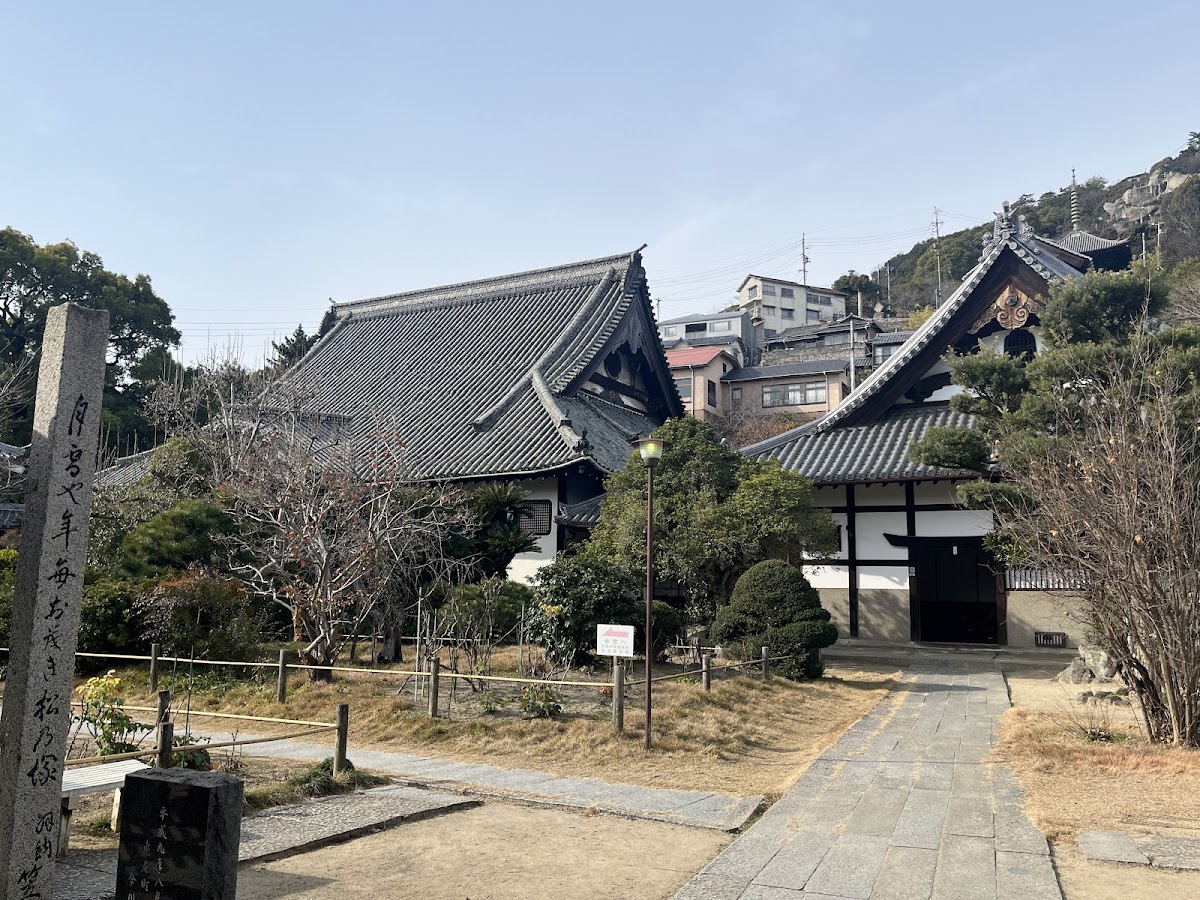
Tennei-ji Temple, located in Onomichi City, was founded in 1367 by Ashikaga Yoshiakira, the second shogun of the Muromachi shogunate. Its founding priest was Fumyo Kokushi. As a Rinzai Zen temple, it played a central role in Onomichi’s Zen culture from the medieval to the early modern period.
Architectural Features: It is famous for its three-story pagoda, situated on a hill overlooking the townscape of Onomichi. This pagoda exhibits the architectural style of the early Edo period and is a symbolic landmark of Onomichi.
Cultural Value: The view from the temple is known as one of the “Three Mountains of Onomichi,” offering a panoramic view of the Seto Inland Sea and the townscape of Onomichi. Many writers and artists have visited, and it has served as a subject for poetry and paintings.
Tennei-ji Temple (Five Hundred Arhats), Bizen City, Okayama Prefecture
Tennei-ji Temple, located in Bizen City, is a Soto Zen temple founded in 1811. Widely known as the “Temple of the Five Hundred Arhats.”
Five Hundred Arhats Statues: Approximately 500 stone arhat statues are enshrined on the temple grounds, each with a different expression and posture. These arhat statues were created from the late Edo period to the Meiji period and are valuable cultural assets that demonstrate the fusion of folk belief and Buddhist art.
Location and Scenery: Located on a hill, it features a distinctive view overlooking the town of Bizen. Numerous arhat statues line the approach to the temple, creating a unique religious atmosphere.
Tennei-ji Temple (Yakushi-do Hall) in Kurashiki City, Okayama Prefecture
There is also a Tennei-ji Temple in Kurashiki City, and its Yakushi-do Hall, in particular, is known as an important cultural asset.
Founding and Sect: Founded in 1365, it is a Rinzai sect temple of the Guchu school. It is valued as a valuable temple that retains the characteristics of medieval Zen Buddhist architecture.
Yakushi-do Hall: The Yakushi-do Hall, which houses the principal image of Yakushi Nyorai (Medicine Buddha), is an important building exhibiting the architectural style of the Muromachi period. Inside the hall, in addition to the Yakushi Nyorai statue, statues of the Twelve Heavenly Generals are also enshrined.
Tianning Temple, Pingxi District, New Taipei City, Taiwan
Tianning Temple also exists in Taiwan and serves as a center for modern Buddhist activities.
Kobo’s Five Great Aspirations: Pingxi Tianning Temple upholds the following five aspirations:
- Wisdom: Attaining emptiness and enduring all suffering
- Compassion: Giving pleasure to people and resolving their suffering
- Merit and Reward: A life of contentment and peace of mind
- Longevity: Long life with freedom of mind and body
- Fulfillment of Beauty: Fulfillment of wishes and peace of mind
These aspirations demonstrate the practical significance of Buddhism in modern society.
Zen Culture and Practice at Tennei-ji Temple
Zen Buddhist Tradition
Many temples bearing the name Tennei-ji belong to the Zen sect (Rinzai or Soto school). Zen Buddhism is characterized by its practice centered on seated meditation (zazen), and is based on the teachings of “no reliance on written words, transmission outside the scriptures, direct pointing to the human mind, and attaining Buddhahood through the realization of one’s true nature.”
Training System
In particular, Tennei-ji Temple in Changzhou maintains a traditional Zen training system:
Zazen Hall: A place where monks practice zazen daily.
Dharma Hall: A space where religious services and sermons are held.
Monk’s Hall: A place where trainee monks live.
These facilities form the traditional structure of a Zen temple called a “sōrin” (monastery).
Annual Events
Tianning Temple holds various Buddhist events throughout the year:
- Spring Festival Ceremony: Prayer service for the Lunar New Year
- Qingming Festival Ceremony: Ancestor memorial service
- Buddha’s Birthday Ceremony: Ceremony celebrating the birth of Shakyamuni Buddha
- Mid-Autumn Festival Ceremony: Ceremony to admire the Mid-Autumn Moon
- Laba Porridge Ceremony: Ceremony commemorating the enlightenment of Shakyamuni Buddha
These events are important opportunities to connect the temple with the local community.
Art and Architectural Style of Tianning Temple
Characteristics of Buddhist Architecture
The architecture of Tianning Temple represents both Southern Chinese Buddhist architectural styles and Japanese Zen Buddhist architectural styles.
Tianning Temple Architecture in China:
- Main buildings positioned along a central axis
- Symmetrical temple layout
- Magnificent coloring and sculptural decoration
- Large-scale complex of buildings
Tianning Temple Architecture in Japan:
- Simple and Zen aesthetics
- Emphasis on harmony with nature
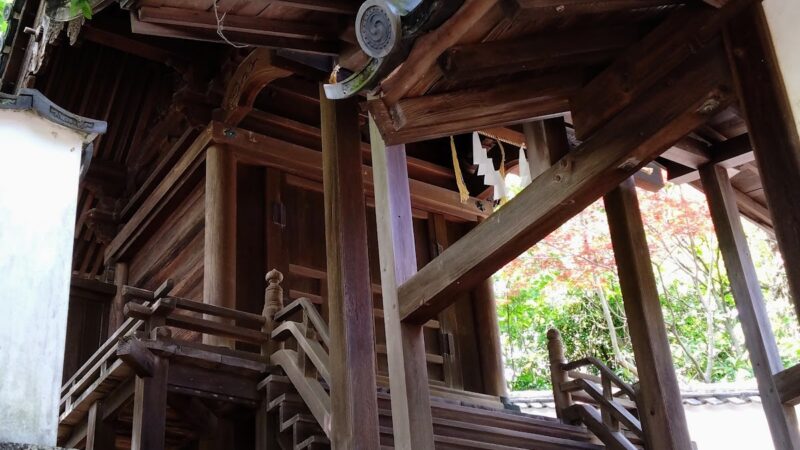
- Traditional wooden construction techniques
- Integrated design with gardens
Buddhist Sculpture and Painting
The Buddhist art works housed at Tianning Temple reflect the styles of various eras.
Sculpture: There are sculptures of various deities, including Buddha statues, Bodhisattva statues, and Arhat statues. The materials are also diverse, including stone, wood, and gilded bronze.
Painting: Buddhist paintings, portraits of high-ranking monks, and Zen paintings are preserved. Zen paintings, in particular, are a unique art form that visually expresses the spirit of Zen.
Gardens and Landscapes
The gardens of Zen temples are an important element in expressing the spirit of Zen. Tianning Temple boasts a variety of garden styles, including dry landscape gardens and pond gardens. These gardens are not merely decorative; they are designed as spaces to aid in the meditation and enlightenment of practitioners.
Social Role of Tianning Temple
Function as an Educational Institution
Historically, Tianning Temple has functioned as a center of Buddhist education. It provides Buddhist education not only to monks but also to lay followers.
Monk Education: Instruction in precepts, scriptures, and Zen practice
General Education: Holding Buddhist lectures, sutra copying sessions, and Zen meditation sessions
Role in Cultural Preservation
Tianning Temple is also important as an institution for preserving cultural properties. It bears the responsibility of protecting and passing on diverse cultural heritage, such as ancient documents, Buddhist statues, and buildings, to future generations.
Value as a Tourism Resource
In modern times, Tianning Temple also functions as an important tourist resource. In particular, Changzhou Tianning Temple and Tianning Pagoda are popular spots attracting millions of tourists annually. This contributes to the development of the local economy.
The Modern Significance of Tennei-ji Temple
Role as a Spiritual Pillar
In modern society, Tennei-ji Temple plays a vital role as a spiritual pillar for people. In the stressful modern life, the teachings and practices of Zen offer guidance to those seeking inner peace.
A Place for International Exchange
Tennei-ji Temple also functions as a place for international Buddhist exchange. Buddhists from China, Japan, Taiwan, and other countries around the world visit, deepening mutual understanding and friendship.
Adapting to the Digital Age
Modern Tennei-ji Temple adapts to the times while preserving tradition. New Kobo activities utilizing digital technology are being developed, such as disseminating information through the official website and social media, and broadcasting online memorial services.
Manners and Precautions for Visiting
When visiting Tennei-ji Temple, it is important to observe the following manners:
Dress Code: Avoid revealing clothing and aim for clean, understated attire.
Photography: Permission may be required to photograph Buddhist statues or ceremonies. Please check in advance.
Quiet Respect: Please behave quietly within the temple grounds and be considerate so as not to disturb the monks in training.
Offerings: Appropriate offerings are recommended when visiting.
No Smoking: Smoking is strictly prohibited within the temple grounds.
Current Status and Challenges of Tianning Temple Research
Academic Research
Academic research on Tianning Temple is progressing from various perspectives, including architectural history, art history, and religious history. In particular, Chinese research institutions are conducting detailed investigations into Changzhou Tianning Temple.
Challenges in Conservation and Restoration
The preservation and restoration of old buildings and cultural properties remains an ongoing challenge. Various factors, such as climate change, urbanization, and increased tourism, are affecting cultural properties. The development and implementation of appropriate preservation techniques are required.
Digital Archiving
Digital archiving of cultural properties is also progressing. 3D scanning and VR technologies are being used to record and make cultural properties publicly available. This allows people who cannot physically visit to access the cultural heritage of Tianning Temple.
Summary
Tianning Temples are important Buddhist cultural heritage sites in both China and Japan. From the Changzhou Tianning Temple, with its history spanning over 1300 years, to the regional Tianning Temples throughout Japan, each possesses its own unique history and cultural value.
These temples are not merely historical buildings; they function as living places of faith, cultural exchange, and spiritual growth even today. The teachings and traditions of Zen continue to provide peace of mind and guidance for many people in modern society.
Visiting Tianning Temple is not merely sightseeing; it is a valuable opportunity to experience profound spirituality and rich culture. Amidst the historical architecture, beautiful gardens, precious cultural artifacts, and above all, the space imbued with the spirit of Zen, you can have time to reflect on yourself.
It is hoped that Tianning Temples will continue to be appropriately preserved as cultural heritage sites while simultaneously developing as living places of faith. Adapting to modern times while preserving tradition, they will remain open to many people as a hub for international cultural exchange and a place of spiritual healing.