Himemiya Shrine Complete Guide: A Thorough Explanation of the History, Deities, and Blessings of Himemiya Shrines Nationwide
Himemiya shrines are located throughout Japan, each with its own unique history and beliefs. This article provides a detailed explanation of major Himemiya shrines, including their origins, enshrined deities, blessings, and methods of worship.
What is a Himemiya Shrine?
The name Himemiya shrine is often found for shrines that enshrine female deities as their main deities. There are multiple Himemiya shrines throughout Japan, each playing an important role as a center of local faith. The enshrined deities and history differ depending on the location, and each shrine has its own unique characteristics.
Himemiya Shrine in Yamato-cho, Miyagi Prefecture
Basic Information and Location
The Himemiya Shrine located at 15 Ubagami, Ochiai Hōonji, Yamato-cho, Kurokawa-gun, Miyagi Prefecture, is affectionately known locally as “Ohime no Kamisama” (Princess God). Located along National Route 241, it’s easy to miss when accessing from the Kashimadai area, so caution is advised.
Main Deity and Divine Virtues
The main deity is Ukanomitama-no-kami, and it has the characteristics of an Inari shrine. Therefore, it is characterized by the presence of fox statues instead of guardian lions (komainu).
The divine virtues are said to include:
- Abundant harvests
- Business prosperity
- Good fortune and happiness
- Family safety
History and Origin
The exact founding date of the shrine is unclear, but it is said to have existed before Bunmei 18 (1486) during the reign of Emperor Go-Tsuchimikado, the 103rd emperor. The shrine is housed in an ancient cedar tree with a circumference of 5.5 meters, and this sacred tree tells the story of the shrine’s long history.
Annual Festival and Events
The annual festival is held on the 10th day of the 3rd month of the lunar calendar. Many worshippers come from all over the region, and the shrine continues to play an important role as a center of local faith.
Prayers and Amulets
Himegū Shrine accepts the following prayers:
- First shrine visit for a newborn
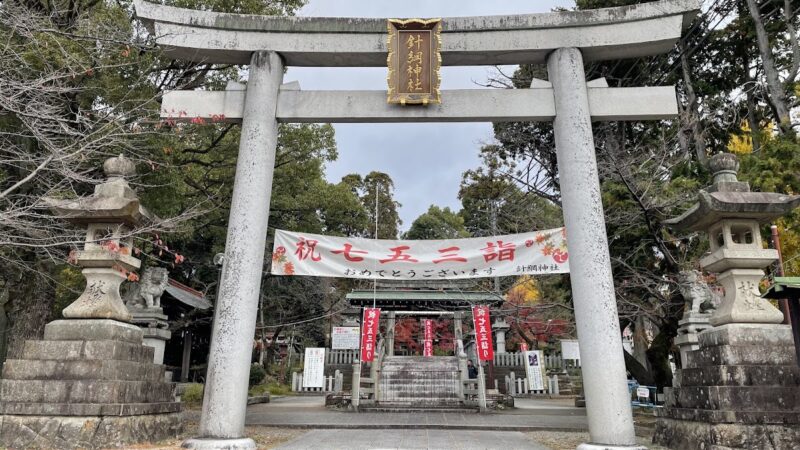
- Shichi-Go-San (7-5-3) ceremony
- Exorcism
- Car blessing
- Safe childbirth prayer
- Childbearing prayer
- Matchmaking
Various amulets and Goshuin (shrine stamps) are also available, and many people receive them as a memento of their visit.
Buildings and Grounds Features
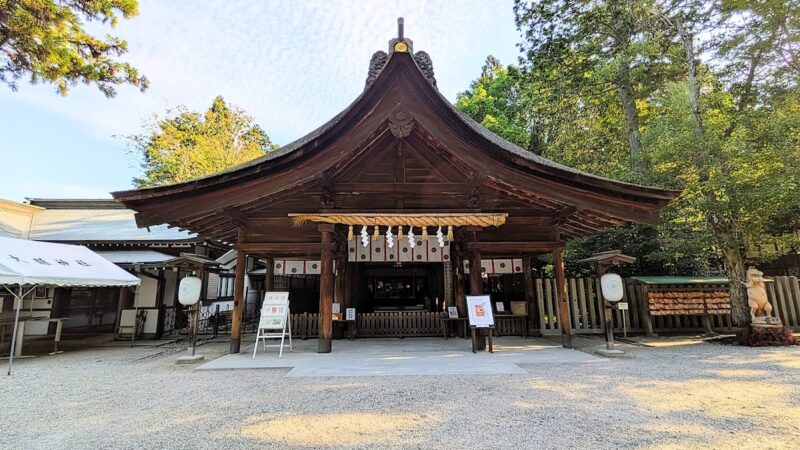
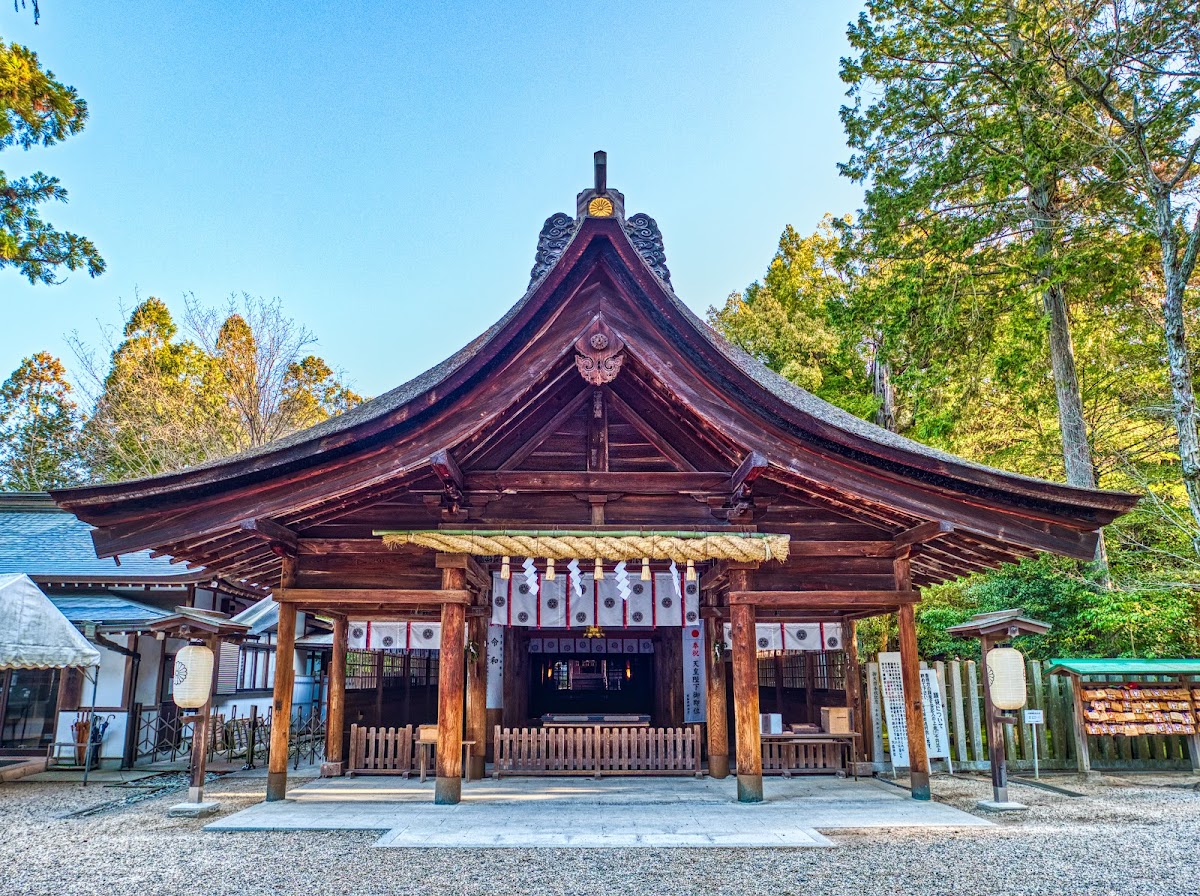
The shrine grounds feature a sacred ancient cedar tree at its center, surrounded by the main hall and worship hall. The vermilion torii gates and fox statues, characteristic of Inari shrines, adorn the grounds, creating a solemn atmosphere.
Access
Location: 15 Ubagami, Ochiai Hōonji, Yamato-cho, Kurokawa-gun, Miyagi Prefecture
Access Method:
- By Car: Along National Route 241
- By Public Transportation: Taking a taxi from the nearest station is convenient
Parking is available, making it possible to visit by car.
Himegū Shrine in Miyashiro-cho, Saitama Prefecture
Status as a Shikinaisha Shrine
Himegū Shrine, located at 373 Himegū, Miyashiro-cho, Minami-Saitama-gun, Saitama Prefecture, is known as a candidate shrine for the Shikinaisha “Miyame Shrine” in Saitama-gun, Musashi Province. It is considered a candidate for Miyame Shrine, one of the four shrines in Saitama-gun listed in the Engishiki Jinmyōchō (a list of shrines compiled in the Heian period), and is a shrine with a long history dating back to ancient times.
Guardian Shrine of the Former Hyakken Domain
This shrine has attracted the faith of a wide area as the guardian shrine of the former Hyakken Domain. The shrine’s former rank was Village Shrine, recognizing its importance in the region.
Main Deities and Mythology
The main deities are the Munakata Three Goddesses:
- Tagorihime-no-Mikoto
- Ichikishimahime-no-Mikoto
- Tagitsuhime-no-Mikoto
These three goddesses were born from the oath (ukei) between Amaterasu-Omikami and Susanoo-no-Mikoto, and are worshipped as guardians of maritime traffic and goddesses of beauty.
Characteristics of the Shrine’s Location
The shrine is located along the Himemiya-Ochikawa River, a tributary of the Orakufurutone River, and possesses a unique landscape as a waterside shrine. The place name Miyashiro-cho is also thought to be deeply related to the existence of this shrine.
Origin and History
As a candidate for a Shikinaisha (a shrine listed in the Engishiki), it may have a history dating back to before the Heian period. Under the Meiji era’s shrine ranking system, it was classified as a village shrine and has functioned as a central shrine in the region. From the Taisho era through to the present day, it continues to attract the faith of local residents.
Subsidiary Shrines and Grounds
In addition to the main shrine, several subsidiary shrines are enshrined within the grounds. Each has its own unique object of worship, and visitors can visit each one.
Points to Note When Visiting
As this is a highly prestigious shrine (a candidate for a Shikinaisha), it is recommended to visit using the formal worship procedures. The grounds are enveloped in a tranquil atmosphere, providing an environment conducive to peaceful worship.
Access
Location: 373 Himemiya, Miyashiro-machi, Minami-Saitama-gun, Saitama Prefecture
Access Method:
- Train: Within walking distance from Himemiya Station on the Tobu Skytree Line
- Car: Parking available
The station name also uses “Himemiya,” making it a local landmark.
Himemiya Shrine, Nirasaki City, Yamanashi Prefecture
Guardian Deity of Nirasaki-juku on the Koshu Kaido
Himemiya Shrine, located in Nirasaki City, Yamanashi Prefecture, is the southernmost shrine on the Koshu Kaido Nirasaki-juku, closest to Tokyo. It has played an important role as a guardian shrine of this historical post town.
Unique Location on Funayama
The most distinctive feature of this shrine lies in its location. It sits on Funayama, a boat-shaped hill that resembles an island off Shichiri-iwa, a rock formation created by the collapse of the Yatsugatake Mountains, which were once said to be taller than Mount Fuji.
This topography is a unique landscape formed by the collapse of the Yatsugatake Mountains, making it a geologically interesting place. Due to its elevated location, the view from the shrine grounds is magnificent, offering a panoramic view of Nirasaki town.
Historical Value
The Koshu Kaido was one of the five major highways of the Edo period, a vital transportation route connecting Edo (Tokyo) and Kofu (Kofu). Nirasaki-juku was one of the post towns, and Himemiya Shrine served as a place to pray for the safety of travelers and the prosperity of the post town.
Highlights of the Visit
The shrine, built on a unique terrain called Funayama, offers a pilgrimage experience where nature and history blend together, with views of Nirasaki townscape and distant mountains.
Access
Location: Nirasaki City, Yamanashi Prefecture (along the Koshu Kaido)
Access Method:
- Train: Walk or drive from Nirasaki Station on the JR Chuo Main Line
- Car: From Nirasaki IC on the Chuo Expressway towards the city center
Himemiya Shrine, Kagoshima City, Kagoshima Prefecture
Basic Information
Himemiya Shrine, located at 363 Nojiri-cho, Kagoshima City, Kagoshima Prefecture, is affectionately known locally as “Himemiya-sama”. Although its former shrine rank was unranked, it is a shrine that attracts the faith of the local community.
Annual Festival Dates
Two annual festivals are held:
- 6th day of the 2nd lunar month
- 16th day of the 9th lunar month
The fact that the festival is held according to the lunar calendar indicates that it maintains a traditional form of worship.
Beliefs of Southern Kyushu
Himegu Shrine in Kagoshima is connected to the unique faith culture of Southern Kyushu. The faith has been passed down to the present day, deeply intertwined with the region’s history and climate.
Manners and Etiquette for Visiting Himemiya Shrine
Basic Worship Etiquette
- Bow before passing through the torii gate.
- Purify your body and mind at the water basin.
- Hold the ladle in your right hand and purify your left hand.
- Switch the ladle to your left hand and purify your right hand.
- Return the ladle to your right hand, receive water in your left hand, and rinse your mouth.
- Finally, stand the ladle upright and purify the handle.
- Bow twice, clap twice, and bow once in front of the main hall.
- Visit the subsidiary shrines within the grounds.
- When leaving, turn around at the torii gate and bow.
Precautions When Receiving a Goshuin (Shrine Seal)
Goshuin are given as proof of worship. Be sure to receive them after your visit, not before. If you forget your goshuincho (seal book), some shrines offer pre-printed goshuin.
When Receiving a Prayer/Blessing
We recommend making a reservation by phone in advance. Especially during popular seasons like Shichi-Go-San (a traditional Japanese rite of passage for children) and Hatsumiyamairi (a first shrine visit for newborns), you may have to wait a long time without a reservation.
The offering fee (prayer fee) varies depending on the shrine, but it is generally around 5,000 to 10,000 yen. It is considered polite to prepare new bills and present them in a ceremonial envelope.
Annual Events at Himemiya Shrine
Main Annual Events
Each Himemiya Shrine holds the following annual events:
January
- New Year’s Day Festival
- First Shrine Visit of the Year
February
- Setsubun Festival (Bean Scattering)
- Prayer Festival
March
- Annual Festival (Varies by Shrine)
May
- Boys’ Festival
July
- Summer Purification Ceremony
September
- Annual Festival (Varies by Shrine)
November
- Shichi-Go-San Festival
- Niiname-sai Festival
December
- Year-End Purification Ceremony
- New Year’s Eve Festival
Significance of the Annual Festival
The annual festival is the most important festival for a shrine. It is a time to express gratitude to the enshrined deity and pray for peace and prosperity in the region. Many parishioners and devotees gather, and sometimes a portable shrine procession and dedication ceremonies are held.
Benefits and Faith of Himemiya Shrine
Main Benefits
While the specific benefits vary depending on the deity enshrined at Himemiya Shrine, the following benefits are generally believed to be offered:
Shrines enshrining Ukanomitama-no-kami
- Abundant harvests
- Business prosperity
- Industrial development
- Family safety
- Good fortune and prosperity
Shrines enshrining the Munakata Three Goddesses
- Traffic safety (especially at sea and on roads)
- Improvement in performing arts
- Beauty and good looks
- Matchmaking
- Increased wealth
As a Guardian Deity for Women
As the name “Himemiya” (Princess Shrine) suggests, this shrine enshrines female deities and is believed to be particularly effective for women’s specific wishes:
- Prayers for safe childbirth
- Prayers for conception
- Matchmaking
- Prayers for a good marriage
- Women’s health
Faith in Modern Times
While maintaining the traditional form of worship that has continued since the Meiji and Taisho eras, the shrine also responds to modern needs. We also accept prayers tailored to modern times, such as car blessings and prayers for success in exams.
Comparison of Himemiya Shrines in Various Regions
Similarities
- Dedicated to a female deity
- Center of local faith
- Long history
- Influenced the local name
Differences
| Location | Deity | Characteristics | Former Shrine Rank |
|——–|——–|——|——–|
| Yamato-cho, Miyagi Prefecture | Ukanomitama-no-kami | Sacred ancient cedar tree, Inari worship | – |
| Miyashiro-cho, Saitama Prefecture | Munakata Three Goddesses | Shikinaisha candidate, General guardian shrine | Village shrine |
| Nirasaki City, Yamanashi Prefecture | – | Unique location on Funayama | – |
| Kagoshima City, Kagoshima Prefecture | – | Festivals held according to the lunar calendar | Unranked shrine |
Tourist Information around Himemiya Shrine
Around Yamato-cho, Miyagi Prefecture
- Natural Landscape of Yamato Town
- Local Agricultural Products Direct Sales Outlet
- Hot Spring Facility
Around Miyashiro Town, Saitama Prefecture
- Tobu Zoo
- Himegumi Ochikawa Walking Trail
- Miyashiro Town Local History Museum
Around Nirasaki City, Yamanashi Prefecture
- Geological Observation of Shichiriwa
- Nirasaki City Folk Museum
- Historical Site Tour of Koshu Kaido
- Wanizuka Cherry Blossoms (Spring)
Guidelines for Visiting Himegumi Shrine
Appropriate Attire for Visiting
Everyday clothes are acceptable, but please note the following:
- Avoid revealing clothing
- Shoes are preferable to sandals
- Formal attire is preferable if receiving prayers
Suitable Time for Visiting
- Early Morning: You can visit in a quiet and refreshing atmosphere
- Morning: The shrine office is open and you can receive Goshuin (shrine stamps) and amulets
- Evening: The shrine grounds illuminated by the setting sun are also charming.
Photography Etiquette
- Photography inside the main hall is generally prohibited.
- Be considerate and avoid including other worshippers in your photos.
- Refrain from using flash photography.
- Strictly observe the “no photography” signs.
Summary
Himemiya Shrines are located throughout Japan, each possessing its own unique history and beliefs. Understanding the characteristics of each shrine—such as the Inari faith of Yamato-cho, Miyagi Prefecture, the prestige of Miyashiro-cho, Saitama Prefecture as a Shikinaisha (a shrine listed in the Engishiki), and the unique location of Nirasaki-shiki, Yamanashi Prefecture—will lead to a deeper pilgrimage experience.
The worship of the main deities, Ukanomitama-no-kami and the Munakata Three Goddesses, offers divine blessings that respond to modern people’s wishes, including bountiful harvests, business prosperity, traffic safety, and matchmaking. Through visiting these historically significant shrines, you can experience traditional Japanese culture and find peace of mind.
When visiting Himemiya Shrines in various locations, we recommend checking the dates of annual festivals and the opening hours of the shrine office in advance, and observing proper worship etiquette. Receiving a Goshuin (shrine stamp) or amulet can serve as a memento of your visit.
Please do visit Himemiya Shrines, which continue to preserve the history and culture of their respective regions.