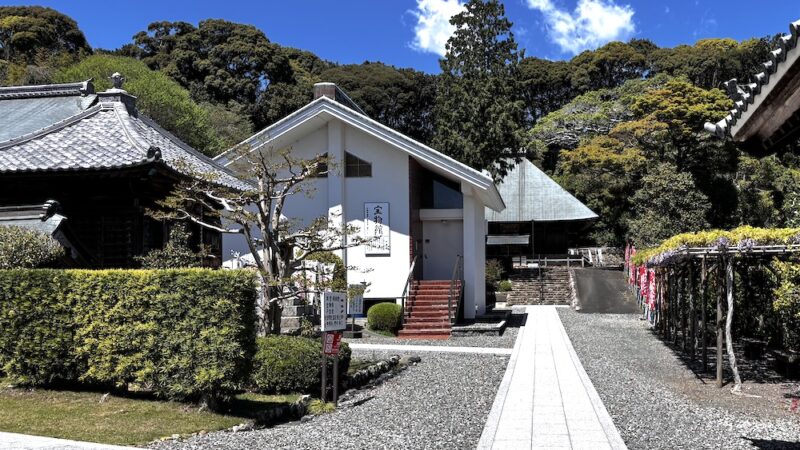
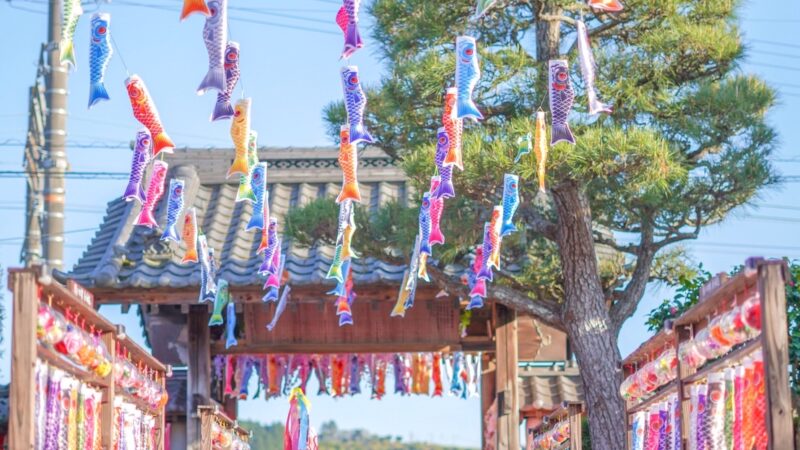
Gyokusenji Temple Complete Guide: A Thorough Explanation of History, Cultural Assets, and Visiting Information
Numerous temples named “Gyokusenji” exist throughout Japan. Each possesses its own unique history and cultural assets, and has served as a center of local faith for many years. This article provides a detailed explanation of the history, highlights, visiting information, and access methods for major Gyokusenji temples.
About Gyokusenji Temples
The name “Gyokusenji” often originates from beautiful springs or pure water sources, and Gyokusenji temples throughout the country have played important roles in their respective regions. They belong to a wide range of sects, including Rinzai, Tendai, and Shingon, and their founding dates vary from the Nara period to the Kamakura period.
Among the Gyokusenji temples nationwide, those of particularly high historical and cultural value include Kongozan Gyokusenji (Rinzai sect, Kenchoji branch) in Ome City, Tokyo; Shingon Gyokusenji in Hachioji City; and Tendai Shinsei Gyokusenji in Shiga Prefecture. Each is deeply intertwined with the history of its region and welcomes many visitors.
Tamasenji Temple, Ome City, Tokyo
History and Origin
Tamakisenji Temple, a Rinzai Zen temple of the Kenchoji school located in Nagabuchi, Ome City, Tokyo, was founded during the Bunpo era (1317-1318), at the end of the Kamakura period. It is a highly prestigious temple, founded by the 17th abbot of Kenchoji Temple, the posthumously appointed Kokuichi Zenji Taiko Segen Daiohsho, and established by Prince Morikuni, the 9th Shogun of the Kamakura shogunate.
The temple is located on the south bank of the Tama River, and to the southeast of the main hall is the beautiful Benten Pond. A small island in this pond enshrines Benzaiten, and it is a popular destination for many visitors as part of the Ome Seven Lucky Gods pilgrimage. As a historically significant temple with deep ties to the Kamakura Shogunate, it preserves the history of the region.
Cultural Assets and Highlights
Tamakisenji Temple in Ome City preserves numerous artistic and historical cultural assets. Of particular note are:
The Beauty of the Moss Garden A magnificent moss garden spreads throughout the temple grounds, allowing visitors to enjoy its beauty in every season. The lush green moss during the rainy season is especially breathtaking, offering a true appreciation of the beauty of a Japanese garden.
Benzaiten Hall Located on a small island in the Benten Pond southeast of the main hall, the Benzaiten Hall is one of the Seven Lucky Gods of Ome. Benzaiten was originally an ancient Indian river goddess, and due to the beautiful sound of the spring water, she came to be worshipped as the goddess of music. It is said that “family harmony is like playing music,” and visitors constantly come to pray for improvement in their artistic skills.
Historical Buildings The temple buildings, including the main hall, are valuable architectural structures that preserve the Zen Buddhist style of the Kamakura period. As a temple of the Kenchoji branch of the Rinzai school, the spirit of Zen permeates every corner of the grounds.
Ome Seven Lucky Gods Pilgrimage
Gyokusenji Temple, as part of the “Ome Seven Lucky Gods Pilgrimage,” enshrines Benzaiten (the goddess of fortune). The Seven Lucky Gods pilgrimage can be undertaken throughout the year, not just during the New Year, and you can receive a Goshuin (temple stamp) at each temple. This pilgrimage, visiting seven temples and shrines while experiencing the nature and history of Ome, is perfect for refreshing both mind and body.
Transportation Information and Access
Location: Nagabuchi, Ome City, Tokyo
Access by Train: Get off at Ome Station on the JR Ome Line, then walk or take a bus for about 15 minutes.
Access by Car: About 10 minutes from the Ome Interchange on the Ken-O Expressway. Parking available.
Visiting Hours: Grounds are freely accessible (please check for entry to the main hall).
Admission Fee: Free (may be charged for special viewings).
Gyokusenji Temple, Hachioji City, Tokyo
Shingon Buddhist Training Center
Gyokusenji Temple in Hachioji City is known as a Shingon Buddhist temple, and is particularly famous for its Goma ritual held every morning at 5:00 AM. Anyone can attend without reservation, and it is characterized by its open atmosphere, allowing free entry and exit during the ritual.
About the Goma Ritual
Time: Starts at 5:00 AM every morning
Participation Requirements: Open to everyone, no reservation required
Features: Free entry and exit during the ritual, outdoor worship is also possible
By participating in the Goma ritual at the start of the day, you can purify your mind and start the day with a fresh perspective. No difficult rituals are required, and the atmosphere is welcoming even for first-timers.
Access Information
Location: Hachioji City, Tokyo
Please check the official website for detailed access information. Since the worship takes place early in the morning, it is recommended to check transportation options in advance.
Gyokusenji Temple, Shiga Prefecture
Gyokusenji Temple, Takashima City
Gyokusenji Temple, located in Takashima City, Shiga Prefecture, is an ancient temple said to have been founded by Gyoki during the Nara period. Situated at the foot of Mount Amida and the base of Taizanji Plain, it is known as one of the oldest temples in the town. It is a branch temple of the Tendai Shinsei sect.
Highlights: The temple grounds contain numerous stone Buddha statues, reflecting the long history of faith and devotion it has received. Located in a tranquil mountainside setting, it offers a peaceful and peaceful place for worship.
Gyokusenji Temple, Torahime-cho, Nagahama City
Gyokusenji Temple in Torahime-cho, Nagahama City, is a Tendai sect temple built in the mid-Heian period on the birthplace of Jiei Daishi Ryogen (Ganzan Daishi), considered the restorer of Mount Hiei.
Ryogen ascended Mount Hiei at the age of 12 and studied under Rigen Daishi of the West Pagoda. He later became the head of the Tendai sect and was a highly respected priest who greatly contributed to the development of Mount Hiei. This temple, built on his birthplace, holds special significance as a sacred site for Tendai sect followers.
Access: Torahime-cho, Nagahama City, Shiga Prefecture
Please check the Shiga Prefecture Tourism Information website for details.
Other Tamasenji Temples
Tamasenji Temple in Komae City, Tokyo
Tamasenji Temple in Komae City has a funeral facility called “Shosumi-den,” where funerals, memorial services, and family funerals can be held. It is used by those who wish to have a funeral at a temple, as a place where traditional Buddhist funerals can be solemnly conducted.
Tamasenji Temple in Otama Village, Fukushima Prefecture
There is also a Tamasenji Temple in Otama Village, Fukushima Prefecture, which is a local shrine/temple and a tourist spot. It is featured on the village’s website as an important temple that conveys the history and culture of the region.
Tamasenji Temple in Nagano Prefecture
Tamasenji Temple in Nagano Prefecture is known as a temple where temple funerals can be held. Based on the concept of “saying goodbye at the temple,” it offers traditional temple funerals.
Tamasenji Temple in Fuwa District, Gifu Prefecture
Tamasenji Temple in Tarui Town, Fuwa District, Gifu Prefecture, is conveniently located just an 8-minute walk from Tarui Station on the JR Tokaido Main Line. This temple is easily accessible by public transport, being just a 2-minute walk from the “Yume no Ya” bus stop on the Tarui Town circulating bus line.
Gyokusenji Temple, Nagaizumi Town, Shizuoka Prefecture
Gyokusenji Temple in Nagaizumi Town, Shizuoka Prefecture, also functions as a cemetery, characterized by its sunny grounds. For those seeking a burial plot, it is a desirable option due to its pleasant environment.
Manners for Visiting Gyokusenji Temple
Basic Worship Etiquette
When visiting any Gyokusenji temple, please observe the following basic manners:
- Bow at the Temple Gate: Bow at the temple gate before entering the temple grounds.
- Purification at the Water Basin: Purify your hands and mouth before praying.
- Worship at the Main Hall: Place your offering in the offering box, clasp your hands together, and pray quietly.
- Respect on the Temple Grounds: Be quiet and avoid speaking loudly.
- Consideration for Photography: Refrain from taking photos in areas where photography is prohibited.
- Smoking and Eating: Refrain from smoking and eating outside of designated areas.
Manners at Zen Temples (Rinzai Zen)
At Rinzai Zen temples like Gyokusenji Temple in Ome City, please be mindful of respecting the spirit of Zen during your visit:
- Maintain silence and pray with a calm mind.
- If there are events such as Zen meditation sessions, please check the proper etiquette beforehand.
- When viewing the garden, please appreciate it quietly while feeling the aesthetic sense of Zen.
About Goshuin (Temple Seals)
Many Gyokusenji temples offer Goshuin. Gyokusenji in Ome City, in particular, is one of the temples on the Ome Seven Lucky Gods pilgrimage, and its Benzaiten Goshuin is very popular.
Manners When Receiving a Goshuin
- Receive after worship: Avoid receiving only the Goshuin before worship.
- Prepare a Goshuincho (stamp book): Unlike a stamp rally, the Goshuin will be carefully written in your Goshuincho.
- Donation: Generally around 300 to 500 yen.
- Consider the time: Avoid requesting during religious services or events, and request at an appropriate time.
- Express gratitude: After receiving the Goshuin, express your gratitude.
About Annual Events
Each Gyokusenji temple holds various events throughout the year.
Main Annual Events
New Year’s Events:
- First Shrine Visit of the Year (January 1st-3rd)
- Shusho-e Ceremony
Spring Events:
- Spring Equinox Ceremony (around the Vernal Equinox)
- Flower Festival (April 8th, celebrating the birth of Buddha)
Summer Events:
- Obon Festival (August)
- Segaki Ceremony
Autumn Events:
- Autumn Equinox Ceremony (around the Autumnal Equinox)
- Thirteenth Night Ceremony
Winter Events:
- Enlightenment Ceremony (December 8th, commemorating the enlightenment of Buddha)
- New Year’s Eve Bell Ringing (December 31st)
Specific dates and times vary by temple, so we recommend checking before visiting.
About Graves and Perpetual Memorial Services
Some Tamasenji temples offer cemetery plots and perpetual memorial service arrangements.
Cemetery Characteristics
- Environment: Good sunlight and drainage, quiet environment
- Management: Appropriate management by the temple
- Religious Affiliation: Restrictions may or may not apply depending on the temple
- Cost: Varies depending on the region and plot
Perpetual Memorial Service
Some Tamasenji temples offer perpetual memorial services for those without successors or those who do not wish to burden their descendants. Please contact each temple directly for details.
About Weddings, Funerals, and Other Ceremonies
Funerals and Memorial Services
Many Tamasenji temples can conduct funerals and various memorial services:
- Funeral: Wake, funeral service, and memorial service
- Memorial Services: First seven days, forty-ninth day, first anniversary, third anniversary, etc.
- Facilities: Main hall and dedicated funeral facilities (such as Shosumi-den)
Buddhist Wedding Ceremony
Some temples can also conduct Buddhist wedding ceremonies. This is a traditional wedding ceremony where couples pledge their eternal love in a solemn atmosphere before a Buddha statue.
Seasonal Highlights
Spring (March-May)
- Cherry blossoms and plum blossoms in bloom
- Beautiful moss garden with fresh greenery
- Spring pilgrimage to the Seven Lucky Gods
Summer (June-August)
- The beauty of moss during the rainy season
- The refreshing scenery of Benten Pond
- Obon memorial service
Autumn (September-November)
- The beauty of autumn leaves
- Autumn pilgrimage to the Seven Lucky Gods
- Meditation in the tranquil temple grounds
Winter (December-February)
- Zen temple in a snowy landscape
- The bustling atmosphere of New Year’s Day visits
- The ringing of the temple bell on New Year’s Eve
Nearby Tourist Attractions
Around Ome City (Tokyo)
- Other temples and shrines of the Ome Seven Lucky Gods
- Mount Mitake
- Nature of the Tama River
- Ome Railway Park
- Showa Retro Goods Museum
Around Shiga Prefecture
- Lake Biwa
- Enryaku-ji Temple on Mount Hiei
- Nagahama Castle
- Kurokabe Square
When visiting each Gyokusen-ji Temple, combining your visit with a tour of the surrounding tourist spots will make your trip more fulfilling.
Precautions for Visiting
Attire
- Avoid revealing clothing
- When attending a memorial service, wear subdued colors such as black or navy
- Wear shoes that are easy to remove, as you may need to take them off.
Items to Bring
- Goshuincho (stamp book) (if you wish to receive a stamp)
- Prayer beads (if you have them)
- Offering money
- Camera (only in areas where photography is permitted)
Other
- Check in advance whether pets are allowed
- Contact in advance if visiting in a large group
- May be crowded during memorial services and events
Summary
Gyokusen-ji Temples throughout Japan each possess their own unique history and culture, and have played an important role as centers of faith for local people. Kongozan Gyokusenji Temple, a Rinzai Zen temple of the Kenchoji school in Ome City, Tokyo, has preserved its beautiful moss garden and Benzaiten (goddess of fortune) on the south bank of the Tama River since its founding in the Kamakura period. Gyokusenji Temple in Hachioji City is known for its daily Goma ritual, while Gyokusenji Temple in Shiga Prefecture preserves its ancient history from the Nara and Heian periods.
When visiting, understanding the history and characteristics of each temple, observing appropriate manners, and spending time in quiet contemplation will lead to a deeper spiritual experience. Pilgrimages visiting multiple temples and shrines, such as the Ome Seven Lucky Gods pilgrimage, can also be enjoyed while appreciating the changing seasons.
There are various ways to spend time at Gyokusenji Temple, including collecting Goshuin (temple stamps), participating in annual events, and admiring the beautiful gardens. Consultations regarding graves, perpetual memorial services, and weddings and funerals are also accepted at each temple, allowing you to connect with the temple at important life events.
Checking transportation information in advance and wearing appropriate attire and bringing appropriate items will ensure a more fulfilling visit. Visit Tamasenji temples throughout Japan and experience the unique charm and history of each temple.