Zenraku-ji Temple (Kochi City) Complete Guide | History and Highlights of the 30th Temple of the Shikoku 88 Temple Pilgrimage
Zenraku-ji Temple is a Shingon sect Buzan school temple located in Ichinomiya, Kochi City, Kochi Prefecture, and is also known as Dodosan Tōmei-in. As the 30th temple of the Shikoku 88 Temple Pilgrimage, it is a sacred site visited by many pilgrims and is a popular destination as the first temple encountered upon entering Kochi City. The principal image is Amida Buddha, and the temple also enshrines a Great Master for warding off evil and a Plum Blossom Viewing Jizo, believed to bring blessings to the head and neck, attracting local devotion.
History of Zenraku-ji Temple
Founding and Connection to Kobo Daishi
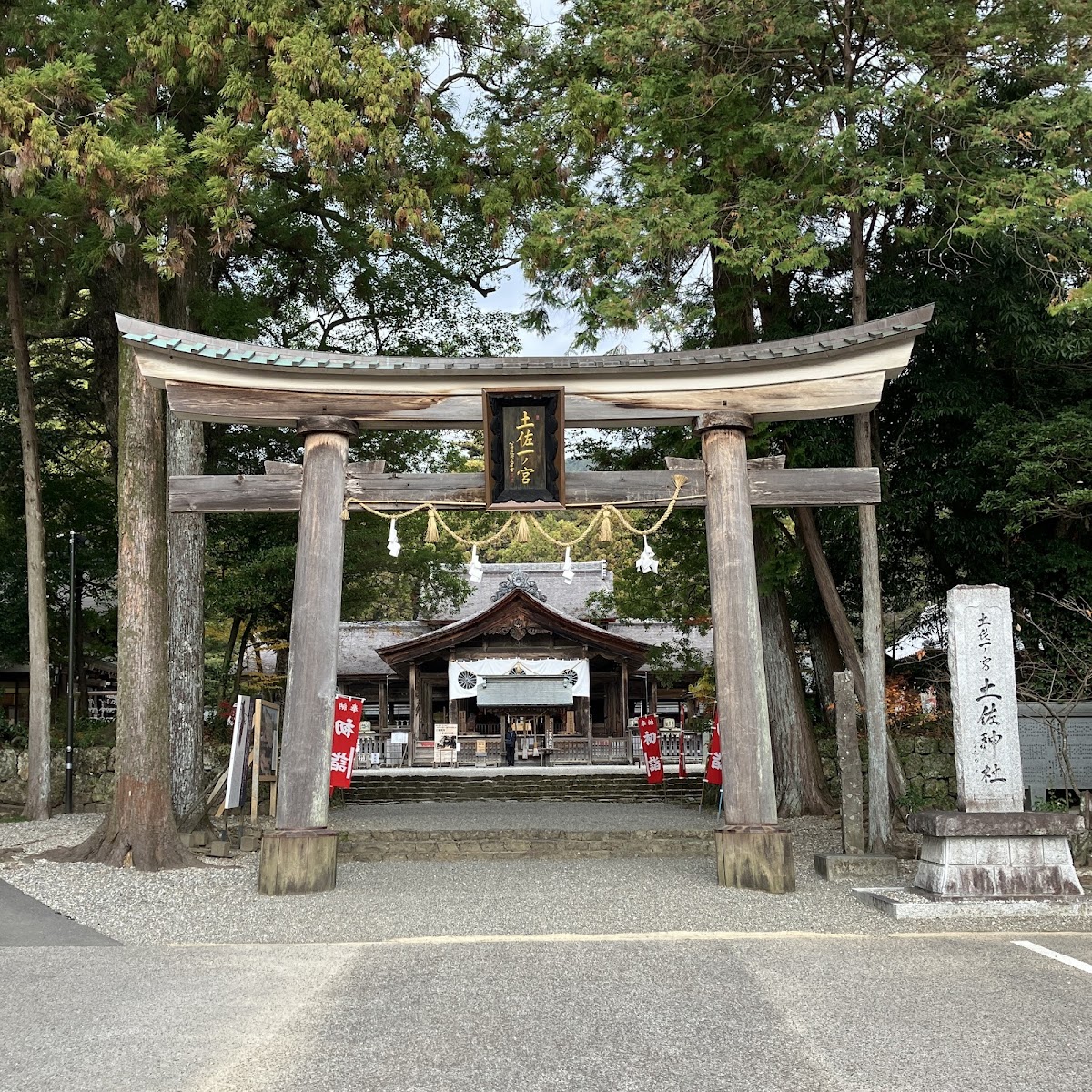
The founding of Zenraku-ji Temple dates back to the Daido era (806-810). According to legend, when Kobo Daishi Kukai visited this area, he founded Zenraku-ji Temple as the head temple of Takakamo Daimyojin (present-day Tosa Jingu Shrine), the Ichinomiya (first-ranked shrine) and guardian deity of Tosa Province, and designated it as a sacred site. A betto-ji (head temple) is a temple attached to a shrine, based on the syncretic belief of Shinto and Buddhism, and was responsible for managing the shrine and performing Buddhist rituals.
While traveling through Tosa Province, Kobo Daishi sensed the spiritual energy of this place and enshrined Amida Buddha as the principal image. Since then, Zenraku-ji Temple has maintained a close relationship with Tosa Ichinomiya and flourished as a center of local faith.
Reconstruction and Development in the Edo Period
According to temple tradition, Zenraku-ji Temple was rebuilt in 1637 (Kanei 14) as the head temple of Tosa Ichinomiya Shrine. Throughout the Edo period, Zenraku-ji Temple, under the protection of the Tosa Domain, welcomed many pilgrims as a stop on the Shikoku Pilgrimage. During this time, various buildings, including the main hall and the Daishi Hall, were constructed within the temple grounds, giving it the appearance of a proper temple.
It had a deep connection with Tosa Ichinomiya Shrine, and during the era of syncretism of Shinto and Buddhism, the two were considered one entity, supporting the local faith. A reciprocal relationship was established where Zenraku-ji monks performed rituals at the shrine, and shrine visitors also stopped by the temple.
Abolition of the Temple Due to the Anti-Buddhist Movement in the Meiji Era
The most significant turning point in Zenraku-ji Temple’s history was the anti-Buddhist movement of the Meiji era. The Meiji government’s decree separating Shinto and Buddhism led to the dismantling of syncretic forms of Shinto and Buddhism throughout the country, forcing many temples to abolish. Zenraku-ji Temple was no exception; due to its position as the head temple of Tosa Ichinomiya Shrine, it was abolished in the early Meiji period.
When Zenraku-ji Temple was abandoned, its principal image, the Amida Buddha statue, and other Buddhist statues and artifacts, including a statue of Kobo Daishi, were entrusted to the nearby Kokubun-ji Temple (the 29th temple on the Shikoku Pilgrimage). This temporarily halted its function as the 30th temple on the pilgrimage, creating a gap in its history as one of the 88 sacred sites of Shikoku.
Restoration in the Showa Era and the Present
Approximately 60 years after its abandonment, in the early Showa era, momentum for the restoration of Zenraku-ji Temple grew. Thanks to the efforts of local believers and those who support the Shikoku pilgrimage, Zenraku-ji Temple was re-established on February 24, 1930 (Showa 5). The statue of Kobo Daishi, which had been entrusted to Kokubun-ji Temple, was returned, and a grand dedication ceremony and enshrinement ceremony were held.
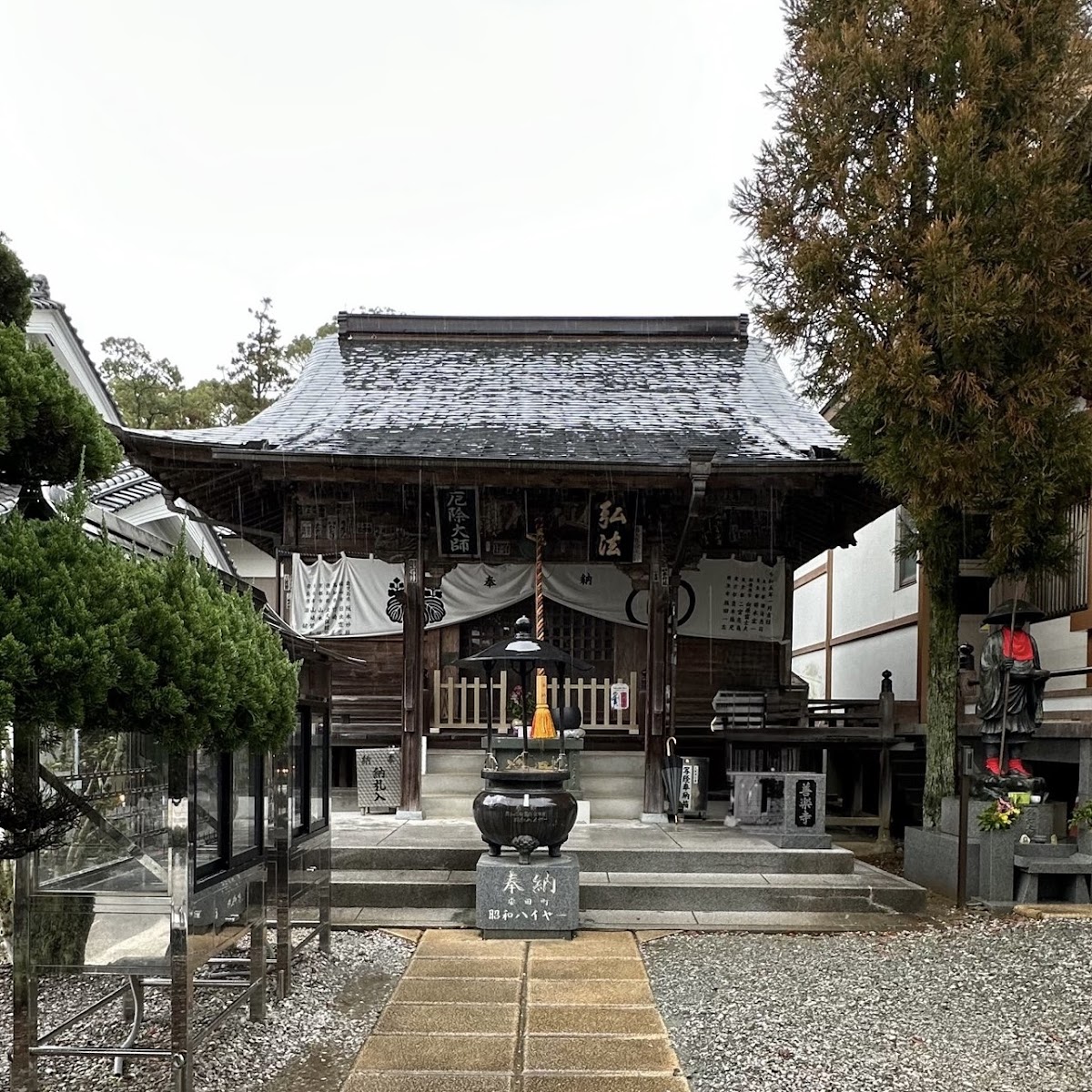
The current Zenraku-ji Temple consists of a main hall believed to have been built during the Bunka era (1804-1818), with grounds that were developed after the Showa era. Located near the Kochi Interchange and with few stairs, this temple is open to many, attracting not only pilgrims but also local worshippers and tourists.
Highlights of the Temple Grounds
Main Hall and the Principal Image, Amida Buddha
The main hall of Zenraku-ji Temple is the central building welcoming visitors. The principal image, Amida Buddha, is enshrined inside, and pilgrims perform the sutra copying here. Amida Buddha is worshipped as the principal deity of the Western Pure Land, saving people from suffering and guiding them to the Pure Land.
The Amida Buddha at Zenraku-ji Temple is a sacred statue said to have been carved by Kobo Daishi himself. Having survived the anti-Buddhist movement of the Meiji era, this statue has received the prayers of many worshippers. When visiting the main hall, it is important to recite sutras such as the Heart Sutra and offer heartfelt prayers.
Daishido Hall and the Exorcism Daishi
Alongside the main hall, the Daishido Hall is an important building. A statue of Kobo Daishi is enshrined here, and it is customary for pilgrims to pray at the Daishido Hall after visiting the main hall. The Daishido Hall at Zenraku-ji Temple houses a statue of Kobo Daishi known as the “Exorcism Daishi,” attracting many worshippers seeking protection from misfortune and disaster.
People facing their unlucky years or at significant life milestones find peace of mind by praying to the Exorcism Daishi. Especially during unlucky years, families from the local community can be seen visiting, making it a deeply rooted place of worship in the region.
Plum Blossom Jizo and the Worship of the Head
The Plum Blossom Jizo is particularly noteworthy within the grounds of Zenraku-ji Temple. This Jizo Bodhisattva is believed to grant blessings to those with ailments above the neck, and is thought to have miraculous powers to alleviate headaches, eye diseases, ear diseases, toothaches, throat problems, and other ailments and concerns related to the head and neck.
There are several theories about the origin of the name Umemi Jizo (Plum Blossom Jizo), but it is thought to be related to the presence of plum trees on the temple grounds and the fact that the temple attracted many visitors, especially during the plum blossom season. Even today, it attracts worshippers of all ages, from students praying for mental clarity to elderly people praying for healthy eyes and ears.
The Umemi Jizo, believed to have been erected during the Bunka era (1804-1818), has been a symbol of faith at Zenraku-ji Temple and a source of spiritual support for many people.
Temple Office and Goshuin (Seal)
At Zenraku-ji Temple’s temple office, you can receive a Goshuin as proof of your visit. The Goshuin, as the 30th temple of the Shikoku 88 Temple Pilgrimage, serves as an important record of your pilgrimage. The Goshuin (temple stamps) carefully inscribed in the pilgrimage notebooks reflect the unique character of each temple, and Zenraku-ji Temple’s Goshuin are also popular with visitors.
In addition to Goshuin, the temple office also sells amulets, talismans, and prayer beads. Zenraku-ji Temple offers unique items such as amulets for warding off evil and amulets for wishing for good health of the head and neck.
Temple Lodging and Visitor Services
Zenraku-ji Temple has temple lodging where pilgrims can stay. At the temple lodging, you can enjoy vegetarian cuisine and relax in a quiet environment. You can also participate in the morning service, offering a valuable opportunity to experience temple life.
If you wish to use the temple lodging, it is recommended to contact and make a reservation in advance. Especially during the spring and autumn pilgrimage seasons, many pilgrims visit, so early reservations are recommended.
Annual Events and Beliefs
Main Annual Events
Zenraku-ji Temple holds various religious events throughout the year. The main annual events include the following:
First three days of the New Year: The temple is bustling with visitors for their first shrine visit of the year, with people coming to pray for good health and safety for their families in the new year.
Spring and Autumn Equinoxes: Memorial services for ancestors are held, with local parishioners and believers attending.
Kobo Daishi Memorial Service: A memorial service held on the 21st day of the 3rd month of the lunar calendar (currently April 21st), the anniversary of Kobo Daishi’s death, to express gratitude and appreciation to the master.
Obon Festival: During the Obon period, memorial services are held to welcome the spirits of ancestors.
These events attract not only local people but also visitors from afar, and Zenraku-ji Temple plays a central role in the community’s faith.
Local Ties
Zenraku-ji Temple is located in the Ichinomiya district of Kochi City and is a temple with strong ties to the local community. Beyond being a pilgrimage site, Zenraku-ji Temple is deeply intertwined with the lives of local people, playing a vital role in weddings, funerals, and annual events.
Due to its historical connection with Tosa Jingu Shrine, many worshippers visit Zenraku-ji Temple during shrine festivals. Even after the separation of Shinto and Buddhism, the connection between the two remains conscious in the hearts of local people, forming an important element in the religious culture of the Ichinomiya district.
Transportation Information and Access
Location and Basic Information
Address: 2-23-11 Ichinomiya Shinane, Kochi City, Kochi Prefecture
Sect: Shingon-shu Buzan-ha
Principal Image: Amida Buddha
Pilgrimage Site: 30th Temple of the Shikoku 88 Temple Pilgrimage
Access by Car
Zenraku-ji Temple is conveniently accessible by car, located approximately 10 minutes from the Kochi Interchange on the Kochi Expressway. After exiting the Kochi Interchange, head towards Kochi city center on National Route 32 and follow the signs for the Ichinomiya area to arrive.
Parking: There is a free parking lot for visitors on the temple grounds. There is space for approximately 20 regular cars, making it relatively easy to park even during the pilgrimage season. Large buses can also visit, but prior contact is recommended.
Access by Public Transportation
By JR: Approximately 15 minutes on foot from JR Dosan Line “Tosa-Ichinomiya Station”. Walk towards Ichinomiya from the station; Zenraku-ji Temple is near Tosa Jingu Shrine.
By Bus: From Kochi Station or central Kochi city, take a Tosaden Kotsu bus bound for “Ichinomiya” and get off at the “Ichinomiya” bus stop. Approximately 5 minutes on foot.
For Pilgrims Walking
The journey from the previous temple, Temple No. 29, Kokubunji, to Zenrakuji takes approximately 2.5 to 3 hours on foot. The most common route follows National Route 32, and there are rest areas along the way. The next temple, Temple No. 31, Chikurinji, takes approximately 1.5 to 2 hours on foot.
Relationship with Preceding and Following Temples
Historical Connection with Temple No. 29, Kokubunji
Kokubunji, the previous temple, has a deep historical connection with Zenrakuji. When Zenrakuji was abolished during the anti-Buddhist movement of the Meiji era, Kokubunji took custody of its principal image, the Amida Buddha statue, and the statue of Kobo Daishi. For approximately 60 years, Kokubunji protected the statues of Zenrakuji, returning them during the Showa era’s reconstruction.
Due to this historical background, the relationship between the two temples is more than just that of adjacent temples; they share a bond as companions who overcame difficult times together in the history of the Shikoku Pilgrimage.
The Path to Temple No. 31, Chikurinji
The next temple after Zenrakuji is Chikurinji, located on Mt. Godai in Kochi City. Chikurinji is situated on the slopes of Mt. Godai and is known as one of the most scenic spots on the Shikoku Pilgrimage. The path from Zenrakuji to Chikurinji passes through Kochi city and heads towards Mt. Godai, making it a pilgrimage route that takes you through urban areas.
Chikurinji enshrines Manjushri Bodhisattva as its principal deity and is known as a temple of learning. The sequence of visiting the Umemi Jizo, which is said to bring blessings to the head and neck, before visiting Manjushri Bodhisattva, the Buddha of learning, is a deeply meaningful connection for pilgrims.
Guidelines for Visiting Zenraku-ji Temple
Etiquette for Visiting
When visiting Zenraku-ji Temple, follow the basic etiquette of the Shikoku Pilgrimage.
- Bow at the Temple Gate: Before entering the temple grounds, bow at the temple gate to compose yourself.
- Purify at the Water Basin: Purify your hands and mouth at the water basin.
- Worship at the Main Hall: Place your votive slip, offer a monetary donation, ring the bell, and then bow with clasped hands. Recite the Heart Sutra or other sutras.
- Worship at the Daishi Hall: Worship at the Daishi Hall in the same way as at the Main Hall.
- Receive a Temple Seal at the Sutra Office: After worshipping, receive a temple seal at the sutra office.
Clothing and Belongings
Ideally, one should wear the formal pilgrimage attire: a white robe, straw hat, and walking stick. However, everyday clothing is also acceptable. Nevertheless, it’s important to be mindful that the temple is a sacred place, and avoid revealing or flashy clothing.
Basic belongings include a pilgrimage notebook, votive slips, prayer beads, and a sutra book. Don’t forget to prepare offerings and payment for the temple’s seal (Goshuin).
The Charm and Modern Significance of Zenraku-ji Temple
Role as the First Temple in Kochi City
Zenraku-ji Temple is the first temple visited by pilgrims upon entering Kochi City. Therefore, it holds significance as the “gateway” to Kochi City, making it a memorable temple for many pilgrims. Its proximity to the Kochi Interchange and easy access are also important factors for modern pilgrims.
The temple grounds, with few stairs and relatively flat terrain, are easily accessible for the elderly and those with disabilities. Barrier-free access is also being promoted, aiming to create a temple open to all.
A Symbol of Reconstruction After Overcoming the Anti-Buddhist Movement
The history of Zenraku-ji Temple is also a story of reconstruction after overcoming the difficulties of the anti-Buddhist movement during the Meiji era. Although it was once completely destroyed, Zenraku-ji Temple was rebuilt through the faith of the local people and the efforts of its collaborators, becoming a symbol of the power of faith and the strength of human bonds.
Even today, this history gives courage and hope to many people. The history of Zenraku-ji Temple teaches us the lesson that even when faced with difficulties, a path will open up if we maintain our beliefs.
Inheritance of Regional Culture
Through its historical relationship with Tosa Ichinomiya, Zenraku-ji Temple also contributes to the inheritance of Kochi’s regional culture. As a temple that conveys the memory of the era of syncretism of Shinto and Buddhism, and as a center of local faith, Zenraku-ji Temple forms part of Kochi’s cultural identity.
Through annual events and exchanges with the community, it also plays a role in passing on traditional faith culture to the next generation, maintaining its value not merely as a tourist destination, but as a living place of faith.
Zenraku-ji Temple and the Shikoku 88 Temple Pilgrimage Association
Zenraku-ji Temple is an officially affiliated temple of the Shikoku 88 Temple Pilgrimage Association. The Association is an organization where the 88 temples of the Shikoku pilgrimage cooperate to protect and pass on the pilgrimage culture, ensure the safety of pilgrims, and provide information.
As a member of the Association, Zenraku-ji Temple contributes to the development of the pilgrimage culture in cooperation with other temples. The official pilgrimage notebooks and guide materials issued by the Association contain detailed information about Zenraku-ji Temple, making them a reliable source of information for pilgrims.
Summary: The Significance of Visiting Zenraku-ji Temple
Zenraku-ji Temple, as the 30th temple of the Shikoku 88 Temple Pilgrimage, is a sacred site with a history of over a thousand years. Despite its turbulent history, including its founding by Kobo Daishi, its abandonment during the anti-Buddhist movement of the Meiji era, and its restoration in the Showa era, it has continued to uphold the flame of faith to this day.
Zenraku-ji Temple, with its diverse objects of worship—including the principal image of Amida Buddha, the Yakuyoke Daishi (a guardian deity for warding off evil), and the Umemi Jizo (a Jizo statue believed to bring blessings to the head and neck)—is a temple that accepts people’s various wishes. As the first temple on the Shikoku Pilgrimage in Kochi City, its easy accessibility and welcoming environment for all visitors also hold modern significance.
On a pilgrimage, Zenraku-ji Temple is not merely a transit point, but holds an important place as a milestone in entering Tosa (Kochi Prefecture) and as a special place of prayer for the health of the head and neck. By learning about its history, exploring the temple grounds, and offering heartfelt prayers, you can feel the unique spiritual power and blessings of Zenraku-ji Temple.
When visiting Kochi, or on your Shikoku Pilgrimage, be sure to stop by Zenraku-ji Temple and experience its history and faith.