Complete Guide to Tosa Kokubunji Temple | History and Highlights of the 29th Temple of the Shikoku 88 Temple Pilgrimage
Tosa Kokubunji Temple, located in Nankoku City, Kochi Prefecture, is an ancient temple of the Shingon Chizan sect. Also known as Manizan Hozoin, it is the 29th temple of the Shikoku 88 Temple Pilgrimage, attracting many pilgrims and worshippers. Founded in 741 AD, this temple has preserved its religious traditions for over 1200 years. Designated a national historic site, it is a valuable cultural heritage site possessing important cultural properties such as the main hall and temple bell.
This article provides a detailed overview of Tosa Kokubunji Temple, covering its rich history, cultural properties within its grounds, highlights for worshippers, and useful access information for your visit.
History of Tosa Kokubunji Temple
Founding in the Tenpyo Era and the Imperial Order of Emperor Shomu
The history of Tosa Kokubunji Temple dates back to the 13th year of the Tenpyo era (741 AD) during the Nara period. In that year, the 45th Emperor Shomu, wishing for national peace and the happiness of the people through the power of Buddhism, ordered the construction of Kokubunji temples and Kokubun-niji temples throughout the country. This is known as the “Imperial Order for the Construction of Kokubunji Temples.”
Following Emperor Shomu’s imperial order, a Kokubunji temple was also built in Tosa Province as “Kinmyo Shitenno Gokoku-ji” (Temple of the Four Heavenly Kings Protecting the Nation). The founder is said to be the high-ranking priest Gyoki Bodhisattva, who was also involved in the construction of Todaiji Temple in Nara. Gyoki was a monk who traveled throughout the country, dedicating himself to temple construction and social work, and the principal image of Tosa Kokubunji Temple, the Thousand-Armed Kannon Bodhisattva, is said to be his work.
Relationship with the Tosa Provincial Government during the Nara and Heian Periods
The area of Kokubu in Nangoku City, where Tosa Kokubunji Temple was built, was the location of the provincial government, the political and cultural center of ancient Tosa Province. Kokubunji temples were generally built near the provincial government and functioned as religious centers of the state.
This area is also known as the place where Ki no Tsurayuki, a poet of the Heian period, stayed for four years as the governor of Tosa Province. His travel diary upon returning to Kyoto is the famous “Tosa Diary,” and Tosa Kokubunji Temple is located in the very place that served as the setting for this work. Imagining the atmosphere and cultural environment around the provincial government at that time allows for a deeper understanding of the historical importance of Tosa Kokubunji Temple.
Restoration by Kobo Daishi Kukai
In the early Heian period, during the Konin era (810-824), Kobo Daishi Kukai visited this temple and restored it. Kukai is known as the founder of Shingon Esoteric Buddhism and the founder of the Shikoku 88 Temple Pilgrimage. Thanks to Kukai’s restoration, Tosa Kokubunji Temple was designated as the 29th temple on the Shikoku 88 Temple Pilgrimage.
Traditions of Kukai’s training at Tosa Kokubunji Temple remain, and places associated with Kukai are scattered throughout the temple grounds. As a Shingon Buddhist temple, it continues to uphold Kukai’s teachings.
Reconstruction during the Sengoku Period and by the Chosokabe Clan
After the medieval period, Tosa Kokubunji Temple was affected by the turmoil of the Sengoku period. However, in 1558, the main hall was rebuilt by Chosokabe Kunichika and his son Motochika, who were powerful daimyo of Tosa during the Sengoku period.
The Chosokabe clan unified Tosa and, at one point, controlled the entire Shikoku region. Kunichika and Motochika were devout Buddhists and dedicated themselves to the reconstruction of Tosa Kokubunji Temple. The current main hall was built at this time and is designated as a National Important Cultural Property, a valuable structure that strongly retains the architectural style of the Muromachi and Sengoku periods.
From the Edo Period to the Present
During the Edo period, under the patronage of the Tosa Domain, it welcomed many pilgrims as a temple on the Shikoku Pilgrimage. Having weathered the wave of anti-Buddhist movement in the Meiji era, the entire temple grounds were designated a National Historic Site in 1922 (Taisho 11).
Even today, Tosa Kokubunji Temple remains an important temple on the Shikoku 88 Temple Pilgrimage, attracting many pilgrims and tourists throughout the year. It is rare for a temple to have survived in the same location and under the same name for over 1200 years, and its historical value is immeasurable.
Highlights and Cultural Properties on the Temple Grounds
Main Hall (National Important Cultural Property)
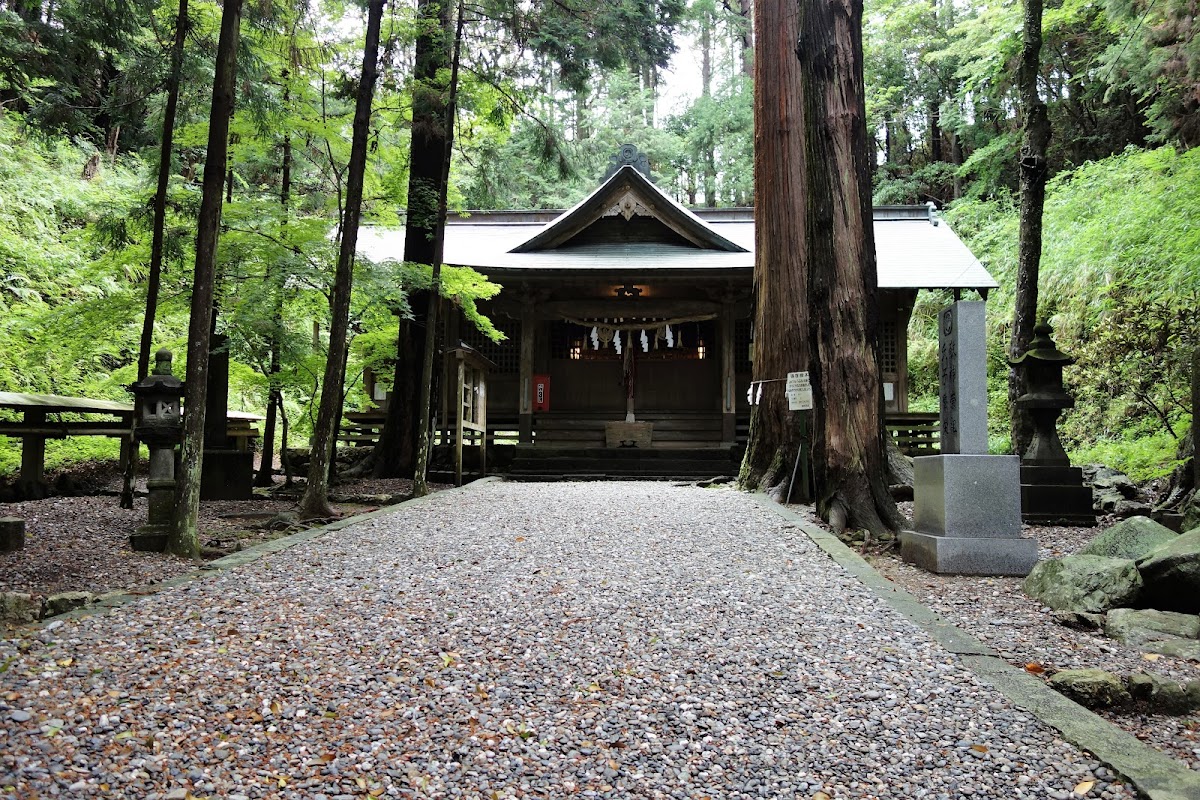
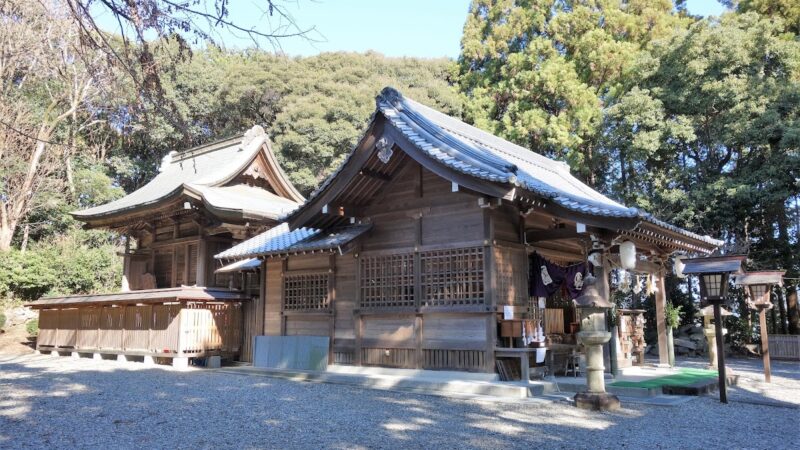
The main hall is the central building of Tosa Kokubunji Temple. Rebuilt in 1558 by the Chosokabe Kunichika and Motochika father and son, this building is designated as a National Important Cultural Property.
The main hall (Kondo) is a hip-and-gable roof structure with a cypress bark roof, strongly retaining the characteristics of the late Muromachi period. Its pure and simple appearance, constructed entirely of unpainted wood, exhibits a beautiful form based on Japanese style while being influenced by Zen Buddhist architecture. Inside, the principal image, the Thousand-Armed Kannon Bodhisattva, is enshrined, creating a solemn atmosphere.
It is of high architectural value and serves as a valuable historical document illustrating the level of temple architecture in Tosa at that time.
Wooden Standing Statue of Yakushi Nyorai (National Important Cultural Property)
Tosa Kokubunji Temple houses two wooden standing statues of Yakushi Nyorai, designated as National Important Cultural Properties. These Buddhist statues are believed to have been created between the late Heian period and the early Kamakura period, and are known for their excellent sculptural technique and well-preserved state.
Yakushi Nyorai (the Medicine Buddha) is revered as the Buddha who presides over healing illnesses and granting health and longevity, and many worshippers offer prayers to this statue. Its gentle and compassionate expression soothes the hearts of those who behold it.
Temple Bell (National Important Cultural Property)
The temple bell located within the temple grounds is also designated as a National Important Cultural Property. This bell was cast during the Kamakura period and is known for its beautiful tone and superior casting technique.
The bell bears an inscription, making it a valuable historical document that sheds light on the state of Tosa Kokubunji Temple and the nature of faith at that time. It is still used today to tell the time, and its sound resonates throughout the surrounding area.
Historical Sites Remaining on the Temple Grounds
The entire grounds of Tosa Kokubunji Temple were designated a National Historic Site in 1922 (Taisho 11). Earthen ramparts and mounds indicating the original temple grounds from the Nara period remain within the grounds, allowing us to understand the scale and layout of the ancient temple.
Earthen ramparts extend from east to south, and foundation stones are scattered throughout the site. These are valuable remains that tell the story of the magnificent scale of the Kokubunji temple during the Nara period. Excavations have revealed the former layout of the temple complex, making it an important archaeological site.
Principal Image: Thousand-Armed Kannon Bodhisattva
The principal image of Tosa Kokubunji Temple is the Thousand-Armed Kannon Bodhisattva. This statue, said to have been created by the temple’s founder, Gyoki Bodhisattva, embodies the compassion of Kannon Bodhisattva, who saves all sentient beings with a thousand hands.
The Thousand-Armed Kannon means “watching over and saving people in all directions with a thousand hands and a thousand eyes,” and is revered as a principal image befitting a temple on the Shikoku Pilgrimage. Although opportunities for its public unveiling are limited, its presence permeates the entire temple with an atmosphere of compassion.
Nature and Tranquil Atmosphere of the Temple Grounds
The grounds of Tosa Kokubunji Temple are surrounded by a tranquil forest lush with greenery. Many ancient trees, hundreds of years old, display different appearances with each season.
In spring, cherry blossoms bloom; in summer, deep green covers the grounds; in autumn, the leaves turn beautifully; and in winter, silence envelops the area. The quiet environment, far removed from the hustle and bustle of the city, offers peace of mind to visitors.
As you stroll through the grounds, you’ll find various points of interest, such as stone Buddha statues, stone pagodas, and a water basin. By taking your time to explore the grounds, you can truly feel the history of over 1200 years.
As the 29th Temple of the Shikoku 88 Temple Pilgrimage
Pilgrimage Culture and Tosa Kokubunji Temple
Tosa Kokubunji Temple, as the 29th temple of the Shikoku 88 Temple Pilgrimage, plays an important role in Shikoku pilgrimage culture. The Shikoku pilgrimage, said to have been founded by Kobo Daishi Kukai, is a representative pilgrimage culture of Japan, and many people continue to walk it today for spiritual training and the fulfillment of their wishes.
Tosa Kokubunji Temple is relatively easy to access among the temples on the Shikoku Pilgrimage, and many pilgrims visit it. Pilgrims in white robes on foot, those traveling by car or bus—people of various styles visit, each with their own thoughts and feelings.
Sutra Copying and Goshuin (Temple Seals)
At Tosa Kokubunji Temple, visitors receive a Goshuin (temple seal) in their pilgrimage notebook. The Goshuin features the calligraphy of “Senju Kannon Bodhisattva” and the temple’s seal, serving as proof of pilgrimage.
In addition to Goshuin, the temple office also offers amulets, talismans, and prayer beads. It is common practice to bring a pilgrimage notebook and receive Goshuin at each temple when undertaking the Shikoku Pilgrimage.
The Pilgrimage Route and the Next Temple
The distance from Tosa Kokubunji Temple to the next temple, the 30th temple, Zenrakuji Temple, is approximately 7 kilometers. For walking pilgrims, this takes about 2 hours.
Along the pilgrimage route, “pilgrimage signposts” and “pilgrimage stones” are installed to prevent pilgrims from getting lost. The local people’s culture of “osettai” (hospitality) is also deeply rooted, allowing pilgrims to experience the warm hospitality of the people of Tosa.
Annual Events and Temple Activities
Main Annual Events
Tosa Kokubunji Temple holds various religious events throughout the year.
First three days of the New Year: The temple is bustling with worshippers for the first shrine visit of the year, and a goma (fire ritual) prayer is held to pray for peace in the new year.
Spring and Autumn Equinox Services: Memorial services are held for ancestors, with many parishioners and believers in attendance.
Kobo Daishi Memorial Service: A special memorial service is held on the 21st of each month, marking the anniversary of Kobo Daishi’s passing.
Obon Memorial Service: In August, the Obon service is held to commemorate the spirits of ancestors.
These events are central to the religious lives of the local people and demonstrate the deep connection between the temple and the community.
Prayer and Memorial Service Reception
Tosa Kokubunji Temple accepts prayers and memorial services from individuals and groups at any time.
- Family Safety
- Business Prosperity
- Traffic Safety
- Academic Success
- Recovery from Illness
- Ancestor Memorial Service
- Memorial Service for Stillborn Children
We offer prayers for a variety of wishes. We recommend making a reservation by phone in advance.
Temple Cafe and Consideration for Visitors
In recent years, Tosa Kokubunji Temple has established a “Temple Cafe” as a space where visitors can relax. In a corner of the temple grounds, you can enjoy tea and light meals while spending a quiet time.
Many visitors use it as a place to rest their weary bodies after pilgrimage and recharge their energy for the next temple. Light meals made with local ingredients and seasonal sweets are also offered, creating a space where you can refresh both mind and body.
Visiting Information and Access
Basic Information
Temple Name: Manizan Hozoin Kokubunji
Sect: Shingon-shu Chizan-ha
Principal Image: Senju Kannon Bodhisattva
Founder: Gyoki Bodhisattva
Founded: Tenpyo 13 (741)
Pilgrimage Site: 29th Temple of the Shikoku 88 Temple Pilgrimage
Address: 546 Kokubun, Nankoku City, Kochi Prefecture 783-0053
Phone: 088-862-0055
Visiting Hours: 7:00 AM – 5:00 PM (Same hours for sutra copying)
Admission Fee: Free (Free entry to the grounds)
Parking: Available (Free, approximately 30 spaces for regular cars)
Access by Train
From JR Dosan Line “Tosa Kokubunji Station”: Approximately 10 minutes on foot
Tosa Kokubunji Station is about 15 minutes from Kochi Station on the Dosan Line. The path from the station to the temple is flat, and there are signs, so you won’t get lost.
From Kochi Station: Approximately 15 minutes on the JR Dosan Line, get off at Tosa Kokubunji Station, then approximately 10 minutes on foot.
Access by Car
From Kochi Expressway “Nankoku IC”: Approximately 5 minutes (approximately 2 km)
After exiting the Nankoku IC, proceed along National Route 32 towards Kochi City, and follow the signs to arrive.
From Kochi City: Approximately 20 minutes via National Route 32
From Kochi Ryoma Airport: Approximately 15 minutes by car
Its proximity to the airport makes it easily accessible for those visiting Kochi by plane.
Access by Bus
Tosa Electric Railway Bus: Get off at the “Kokubunji-dori” bus stop and walk for approximately 5 minutes.
If you are traveling by bus from Kochi Station, the Tosa Electric Railway bus is convenient.
Parking Information
Tosa Kokubunji Temple has a free parking lot that can accommodate approximately 30 regular cars. There is also space for large buses, making it suitable for group visits.
It can get crowded during the spring cherry blossom season, the autumn foliage season, and the first three days of the New Year, so it is recommended to visit with plenty of time to spare.
Nearby Tourist Attractions
There are other points of interest around Tosa Kokubunji Temple.
Ki no Tsurayuki Residence Site: The site of the residence where Ki no Tsurayuki, the author of the Tosa Diary, stayed as a provincial governor is nearby.
Tosa Provincial Government Office Site: The site of the ancient Tosa Province’s government office, where archaeological excavations are currently being conducted.
Kochi Prefectural Museum of History and Folklore: A museum where you can learn about the history and culture of Tosa, located about 10 minutes away by car.
Zenraku-ji Temple, Temple No. 30: The next temple on the pilgrimage, located about 15 minutes away by car.
Visiting these surrounding spots together will allow you to gain a deeper understanding of the history and culture of Tosa.
Manners and Precautions for Visiting the Temple
Basic Manners for Visiting the Temple
When visiting Tosa Kokubun-ji Temple, please observe the following basic manners:
- Bow at the Temple Gate: Before entering the temple grounds, bow at the temple gate to compose yourself.
- Purify at the Water Basin: Purify your hands and mouth at the water basin before praying.
- Pray at the Main Hall: Offer your donation and bow in front of the main hall. Many people also chant the Heart Sutra.
- Visiting the Daishido Hall: After visiting the main hall, you will also visit the Daishido Hall (a hall dedicated to Kobo Daishi).
- Receiving a Goshuin (temple stamp) at the Nokyosho (temple office): After visiting, you will receive a Goshuin at the Nokyosho.
Regarding Photography
Photography is generally permitted within the temple grounds, but photography inside the main hall and of Buddha statues may be prohibited. Please check before taking photos or follow the signs.
Please be mindful of other visitors and take photos quietly.
Regarding Clothing
There are no strict dress code regulations, but it is desirable to dress appropriately for a sacred place. Avoid revealing or overly flashy clothing.
If visiting as part of the Shikoku Pilgrimage, traditionally, you should wear white robes or pilgrim attire, but this is not mandatory.
List of Cultural Properties Designated at Tosa Kokubunji Temple
Tosa Kokubunji Temple possesses many cultural properties, and its historical and cultural value is highly regarded.
Nationally Designated Cultural Properties
Historic Site
- Tosa Kokubunji Temple Ruins (Entire Temple Grounds): Designated October 12, 1922 (Taisho 11)
Important Cultural Property (Building)
- Main Hall: Designated January 30, 1934 (Showa 9)
Important Cultural Property (Sculpture)
- Two Wooden Standing Statues of Yakushi Nyorai: Designated May 27, 1907 (Meiji 40)
Important Cultural Property (Craftwork)
- Temple Bell: Designated April 14, 1906 (Meiji 39)
These cultural properties are carefully preserved and managed as the shared property of the nation.
Summary: The Charm of Tosa Kokubunji Temple
Tosa Kokubunji Temple is an ancient temple that has preserved the Buddhist teachings in Tosa for over 1200 years since its founding in 741 (Tenpyo 13). As one of the Kokubunji temples established throughout Japan by the imperial decree of Emperor Shomu, and as the 29th temple on the Shikoku 88 Temple Pilgrimage, which was revived by Kobo Daishi Kukai, it conveys a deep history and faith to this day.
The temple grounds contain nationally designated historical sites and important cultural properties, including the main hall, a wooden standing statue of Yakushi Nyorai, and the temple bell, which are valuable cultural heritage sites that showcase the pinnacle of Japanese Buddhist culture and architectural technology. A stroll through the tranquil grounds will allow you to feel the passage of time that has continued since ancient times.
As a pilgrimage site on the Shikoku Pilgrimage and a place to learn about the history of Tosa, Tosa Kokubunji welcomes many people. When you visit Kochi, be sure to visit this historic temple and experience its charm firsthand.
It is easily accessible by public transport, within walking distance of JR Tosa Kokubunji Station, close to the Nankoku Interchange on the Kochi Expressway, and a short flight from Kochi Ryoma Airport. The surrounding area is dotted with historical sites that offer a glimpse into the ancient history of Tosa, such as the ruins of Ki no Tsurayuki’s residence and the Tosa Provincial Government Office, making it ideal for historical walks.
Tosa Kokubunji Temple is not merely a tourist attraction; it remains a living place of faith, a spiritual anchor for the local people. The religious services and events held throughout the year, and the daily presence of pilgrims and worshippers, demonstrate that Buddhist culture continues to thrive in the modern age.
Why not spend a peaceful moment at Tosa Kokubunji Temple, where history and culture, faith and nature, are in harmony?