Complete Guide to Iwamoto-ji Temple | History, Highlights, and Visiting Information for the 37th Temple of the Shikoku 88 Temple Pilgrimage
Iwamoto-ji Temple, the 37th temple of the Shikoku 88 Temple Pilgrimage, is a Shingon sect Chizan-ha temple located in Shimanto-cho, Takaoka-gun, Kochi Prefecture. Its official name is “Fujii-yama Gochi-in Iwamoto-ji,” and as a historic temple nestled near the Shimanto River, Japan’s last remaining pristine river, it attracts many pilgrims and tourists.
This article provides a detailed explanation of this special sacred site, from its history and highlights to visiting information and even temple lodging experiences.
Overview and Basic Information of Iwamotoji Temple
Basic Temple Data
Official Name: Fujii-zan Gochi-in Iwamotoji
Sect: Shingon-shu Chizan-ha
Principal Deities: Five deities: Fudo Myoo, Kannon Bodhisattva, Amida Nyorai, Yakushi Nyorai, and Jizo Bodhisattva
Founder: Gyoki Bodhisattva
Established: Tenpyo era (729-749)
Location: 3-13 Mogushi-cho, Shimanto-cho, Takaoka-gun, Kochi Prefecture
Pilgrimage Site Number: Shikoku 88 Temple Pilgrimage, No. 37
Characteristics of Iwamotoji Temple
Iwamotoji Temple is an extremely distinctive temple among the Shikoku pilgrimage sites. Its most distinctive feature is that it is the only pilgrimage site that enshrines five principal deities. Typically, a single temple houses one principal image, but Iwamoto-ji Temple enshrines five principal images: Fudo Myoo, Kannon Bodhisattva, Amida Buddha, Yakushi Buddha, and Jizo Bodhisattva.
Furthermore, the coffered ceiling of the main hall is adorned with 575 paintings, a diverse collection ranging from flowers, birds, and landscapes to human mandalas. These paintings include portraits of famous people such as Marilyn Monroe and Albert Einstein, creating a unique space where tradition and modernity blend seamlessly.
History of Iwamoto-ji Temple
From Founding to Prosperity
The history of Iwamoto-ji Temple dates back to the Tenpyo era (729-749). It is said to have begun when Gyoki Bodhisattva, acting on the imperial command of Emperor Shomu, founded Fukuenman-ji Temple in this area. At that time, seven temples were established in the Niida area, functioning as a center of local faith.
Later, during the Kōnin era (810-824), Kūkai (Kōbō Daishi) visited this area and expanded Fukuenmanji Temple, while also establishing five more shrines and five more temples. This created a large sacred site known as “Niida Five Shrines and Twelve Lucky Temples,” which flourished greatly.
Kōbō Daishi divided the sacred object of Niida Myōjin among the five shrines, enshrining a principal Buddha in each. This is the origin of the current five principal images.
War and Reconstruction
Although Iwamotoji Temple had reached the height of its prosperity, it suffered damage from the wars of the Tenshō era (1573-1593), with much of its temple complex being destroyed by fire. However, it was rebuilt during the Edo period and continued to serve as a pilgrimage site.
Trials and Reconstruction in the Meiji Era
With the arrival of the Meiji era, the new government issued a decree separating Shinto and Buddhism. This policy led to the temporary closure of Iwamoto-ji Temple in 1871 (Meiji 4). The various temples that had flourished as the Niida Five Shrines and Twelve Lucky Temples were separated into shrines and temples.
However, thanks to the fervent faith and efforts of the local people, the temple was restored in 1889 (Meiji 22). At this time, the five principal images, which had been scattered across the five temples, were unified and enshrined at Iwamoto-ji Temple, establishing its current form.
Modern Iwamoto-ji Temple
In 1978 (Showa 53), the main hall was newly constructed, and paintings donated from all over Japan adorned the ceiling. In 1983 (Showa 58), the main hall and worship hall were built, resulting in its current magnificent appearance.
In 2015 (Heisei 27), the Shikoku Pilgrimage was designated a “Japan Heritage” by the Agency for Cultural Affairs, and Iwamoto-ji Temple was registered as one of its constituent cultural properties.
Highlights of the Temple Grounds
Main Hall and Five Principal Deities
The main hall of Iwamoto-ji Temple is a modern building constructed in 1978, but history and faith breathe life into its interior. Five principal deities are enshrined in the inner sanctuary, each possessing a different Buddhist virtue.
- Fudo Myoo: Symbolizes the power to sever worldly desires
- Kannon Bodhisattva: The Buddha of compassion and salvation
- Amida Nyorai: The Buddha who guides to rebirth in paradise
- Yakushi Nyorai: The Buddha who brings healing and good health
- Jizo Bodhisattva: The Buddha who travels the six realms to save sentient beings
Being able to worship these five principal deities at once is considered a great merit for practitioners.
575 Paintings on the Coffered Ceiling
The 575 paintings adorning the coffered ceiling of the main hall’s inner sanctuary are one of Iwamoto-ji Temple’s greatest highlights. Between 1976 and 1978, works submitted by amateur and professional painters from across Japan were incorporated into the ceiling.
The subjects of the paintings are incredibly diverse, ranging from traditional depictions of flowers, birds, and landscapes, to Buddhist themes, and even portraits of famous Western figures such as Marilyn Monroe, Albert Einstein, and Van Gogh. This ceiling painting, sometimes called a “human mandala,” can be said to visually represent the Buddhist teaching that “all sentient beings possess Buddha-nature.”
Visitors can experience this magnificent artistic space while gazing up at the ceiling within the main hall.
The Seven Wonders of Kobo Daishi
Iwamoto-ji Temple has legends of “Seven Wonders” related to Kobo Daishi. These are stories of miracles that Kukai is said to have performed in this place.
- Sandoguri (Three-Time Chestnut): A mysterious chestnut tree that bears fruit three times a year.
- Fudegusa (Brush Grass): A grass said to have grown from a brush used by Kobo Daishi.
- Sakuragai (Cherry Blossom Shell): A shell found in the mountains far from the sea.
- Kuchinashihiru (Mouthless Leech): A pond inhabited by leeches without mouths.
- Shirinashigai (Tailless Shell): A shell without a tail.
- Koyasuzakura (Safe Childbirth Cherry Tree): A cherry tree known for prayers for safe childbirth.
- Totatezu no Shoya (The Village Headman Who Never Closes His Door): A village headman who is not robbed even when his door is left open.
These legends are still told today as stories of Kobo Daishi’s miraculous powers and compassion.
Daishido Hall
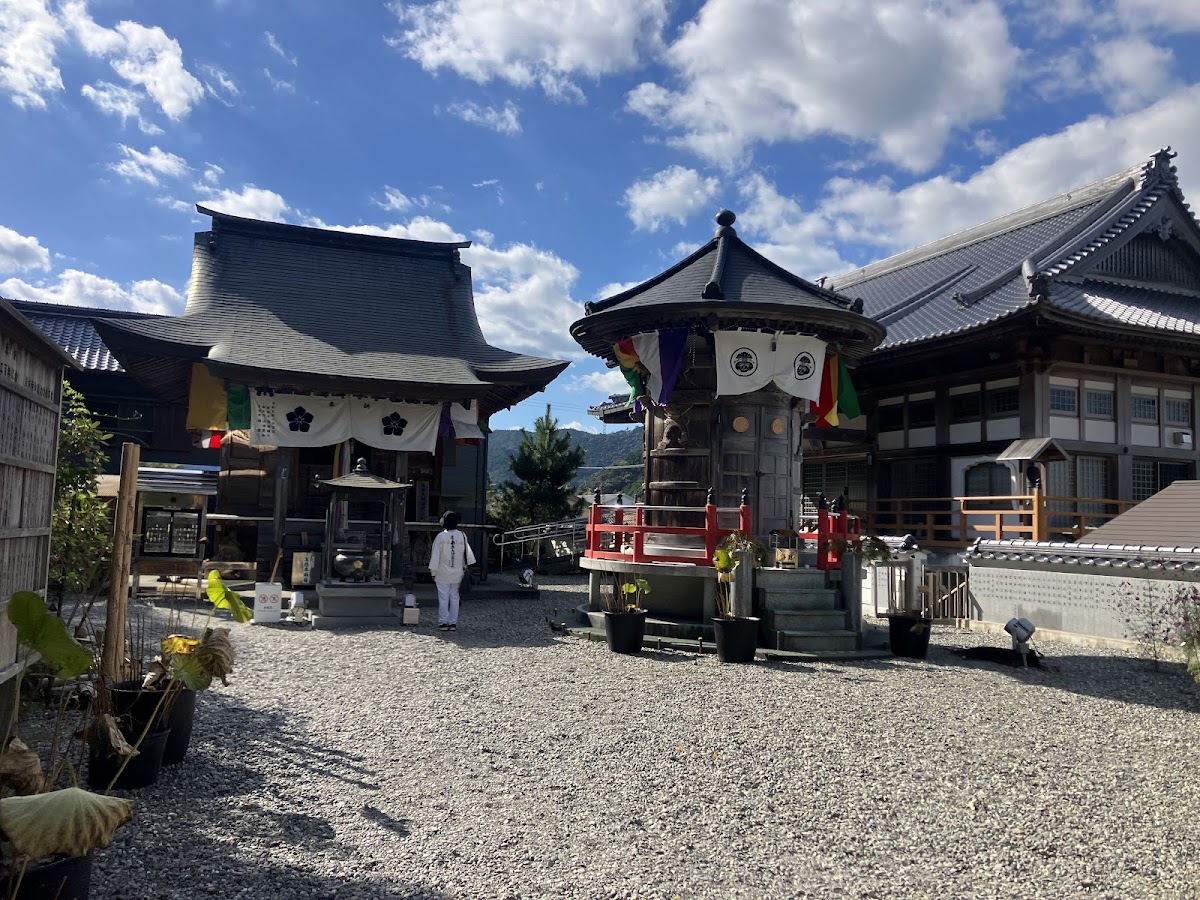
Next to the main hall stands the Daishido Hall, where a statue of Kobo Daishi is enshrined. Pilgrims, after praying at the main hall, visit the Daishi Hall to pray to Kobo Daishi for safe travels and the fulfillment of their wishes.
Nature within the Temple Grounds
The grounds of Iwamoto-ji Temple are surrounded by the rich nature of the Shimanto River basin. The trees and flowers, which display different expressions with each season, soothe the hearts of visitors. The temple is particularly beautiful during the cherry blossom season in spring and the autumn foliage season, attracting many visitors.
Inner Sanctuary and Former Pilgrimage Sites
About the Inner Sanctuary
Iwamoto-ji Temple contains remnants of the former Niida Five Shrines and Twelve Lucky Temples, which still exist as the inner sanctuary and former pilgrimage sites. Visiting the temple sites, which were dispersed due to the separation of Shinto and Buddhism during the Meiji era, allows for a deeper understanding of Iwamoto-ji Temple’s history.
Remnants of the Niida Five Shrines
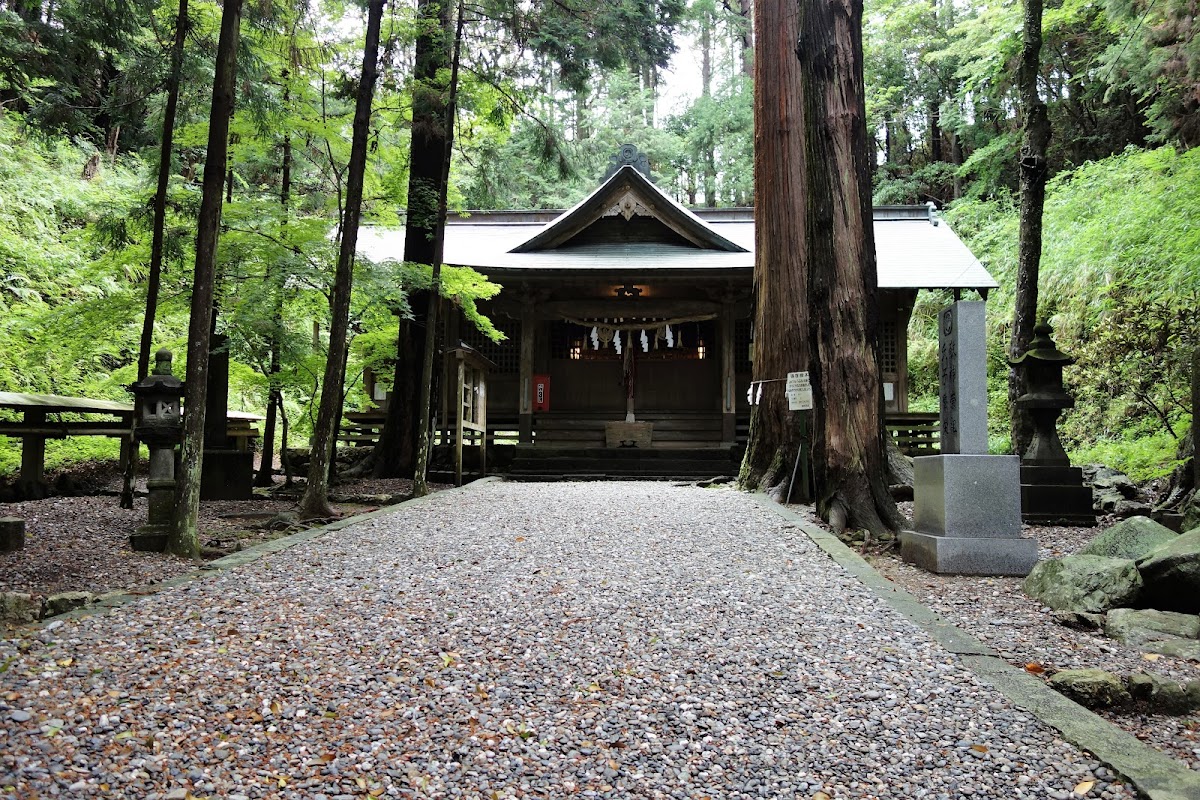
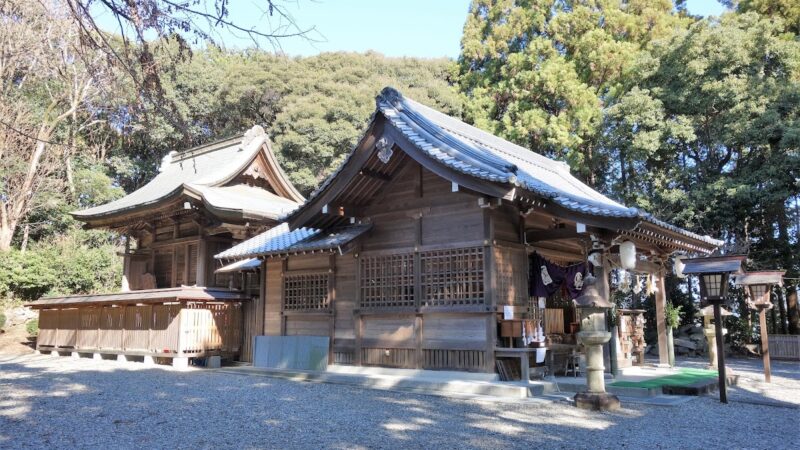
The five shrines established by Kobo Daishi still remain in the region as Shinto shrines. By visiting these shrines and Iwamoto-ji Temple together, you can experience the form of faith from the era of syncretism of Shinto and Buddhism.
How to Worship and Etiquette
Basic Worship Procedure
- Bow at the Temple Gate: Before entering the temple grounds, bow and clasp your hands together at the temple gate.
- Purify at the Water Basin: Cleanse your hands and mouth.
- Ring the Bell at the Bell Tower: Ring the bell before worshiping (do not ring it on your way out).
- Worship at the Main Hall: Offer a votive slip, make an offering, chant sutras, and offer prayers.
- Worship at the Daishi Hall: Offer gratitude and prayers to Kobo Daishi.
- Receive a Goshuin (temple stamp) at the Sutra Office: Receive a Goshuin as proof of your worship.
Worship of the Five Principal Deities
At Iwamoto-ji Temple, it is recommended to worship all five principal deities. Offer a heartfelt bow and prayer to each Buddha. It is believed that paying respects to all five principal images brings greater merit.
Temple Offering Hours and Fees
Temple Offering Hours: 7:00 AM – 5:00 PM (Open year-round)
Temple Offering Fees:
- Temple Stamp (Temple Book): 300 yen
- Image: 200 yen
- Hanging Scroll: 500 yen
Temple Lodging Experience
Temple Lodging at Iwamotoji Temple
Iwamotoji Temple operates temple lodging, where not only pilgrims but also general visitors can stay. Staying at the temple allows you to participate in morning services and experience spiritual practice in a quiet environment.
Features of the Temple Lodging
Iwamotoji Temple’s temple lodging is clean and comfortable, making it ideal for resting and recovering from the fatigue of pilgrimage. You can also enjoy vegetarian meals and interact with other pilgrims and visitors.
Accommodation Rate: 6,500 yen per night (including two meals) (Advance reservation required)
Check-in: 15:00-17:00
Check-out: 7:00-9:00
Training and Cultural Experiences
Guests staying at the temple lodging can participate in the morning service (gongyo). Through chanting and meditation, you can experience a pure mind free from worldly desires. Cultural experiences such as sutra copying and Buddha image copying are also available (advance application required).
Transportation Information and Access
Access by Public Transportation
By JR Train:
- Get off at JR Dosan Line “Kubokawa Station,” approximately 10 minutes on foot.
- Approximately 800 meters from the station, a flat route.
By Bus:
- Approximately 2 hours by Kochi Seinan Kotsu bus from Kochi Station, get off at “Kubokawa,” 10 minutes on foot.
Access by Car
From Kochi City:
- Approximately 10 minutes from Kochi Expressway “Shimanto-cho Chuo IC” via National Route 56.
- Approximately 1 hour 30 minutes from Kochi City.
From Ehime Prefecture:
- Approximately 2 hours heading south on National Route 56.
Parking: Free parking available on the temple grounds, accommodating 30 regular cars and 5 large buses.
Distance to Previous and Next Temples
- From Temple No. 36, Seiryu-ji: Approximately 58 kilometers (longest section of the pilgrimage route)
- To Temple No. 38, Kongofuku-ji: Approximately 87 kilometers (longest section of the pilgrimage route)
The section around Iwamoto-ji Temple is the longest part of the Shikoku pilgrimage. In particular, the long journey through Tosa, the “training ground” from Temple No. 37 to No. 38, is known as a difficult section that tests the mind and body of pilgrims.
Nearby Attractions
Shimanto River
The Shimanto River, known as Japan’s last pristine river, is about a 30-minute drive from Iwamoto-ji Temple. The clear waters and the scenery of the submersible bridges are representative of Kochi Prefecture’s landscape.
Kubokawa Townscape
The former Kubokawa town (now Shimanto town), where Iwamoto-ji Temple is located, is a historic town that once flourished as a post town. Traditional shopping streets and houses remain, allowing visitors to experience pilgrimage culture.
Michi-no-Eki Agri Kubokawa
A roadside station where you can purchase fresh local agricultural products and specialty goods. Enjoy local delicacies such as Shimanto pork and Niida rice.
Annual Events
Main Buddhist Services and Events
- Hatsumode (January 1st-3rd): Bustling with New Year’s worshippers
- Setsubun-e (February 3rd): Bean-throwing and prayers for warding off evil
- Spring Equinox Service (March): Memorial service for ancestors
- Kobo Daishi’s Birthday Celebration (June 15th): Memorial service celebrating the birth of Kobo Daishi
- Obon Festival (August 13th-15th): Memorial service for ancestors during Obon
- Autumn Equinox Service (September): Memorial service for ancestors
- New Year’s Eve Bell Ringing (December 31st): 108 bells to dispel worldly desires
Goshuin (temple stamp) and Gokage (image) at Iwamoto-ji Temple
Characteristics of the Goshuin (Temple Seal)
The Goshuin of Iwamoto-ji Temple features the temple name “Gochi-in” and the name “Iwamoto-ji” written in ink. It is stamped with red seals representing the five principal deities, making it a unique Goshuin distinct from those of other temples on the pilgrimage route.
Mikage (Images)
Mikage are small paper slips depicting the principal deities of each temple on the pilgrimage route. At Iwamoto-ji Temple, you can receive a special Mikage depicting the five principal deities. Collecting all 88 Mikage is considered one of the major goals of the pilgrimage.
Pilgrimage Culture and Iwamoto-ji Temple
The Spirit of “Osettai”
The Shikoku Pilgrimage has a unique culture called “Osettai” (hospitality). This is a custom where local people offer food, drink, money, etc., to pilgrims, and it continues to this day around Iwamoto-ji Temple. This is an expression of faith in Kobo Daishi and a compassionate spirit supporting pilgrims.
History of the Shikoku Pilgrimage Route
The Shikoku 88 Temple Pilgrimage, including Iwamoto-ji Temple, is a pilgrimage route with a history of over 1200 years. During the Edo period, it spread among the common people, and today it is a globally recognized pilgrimage route, attracting approximately 100,000 visitors annually from both Japan and abroad.
Precautions and Manners When Visiting
Clothing
While formal pilgrimage attire is not required, please avoid revealing clothing and opt for clean, understated attire. Pilgrimage items such as white robes, straw hats, and walking sticks are recommended for those who wish to experience the pilgrimage more deeply.
Photography
Photography is generally permitted on the temple grounds, but consideration for the inner sanctuary of the main hall and other visitors is necessary. Photography of the ceiling paintings is permitted, but please refrain from using flash.
Precautions When Using Temple Lodgings
Temple lodgings are also places of spiritual training. Please refrain from loud conversations and making noise late at night, and remember to be considerate of other guests. Actively participate in morning services and cherish this valuable experience. ## Summary
Iwamotoji Temple is a temple with unique charms not found at other pilgrimage sites, boasting the only temple on the Shikoku Pilgrimage to enshrine five principal images, 575 ceiling paintings, and the Seven Wonders of Kobo Daishi. With a history spanning nearly 1300 years from its founding in the Tenpyo era to the present day, it has attracted the faith of many.
Near the clear waters of the Shimanto River, in a naturally rich environment, visitors can pay homage to the five Buddhas, admire the beautiful ceiling paintings, and trace the footsteps of Kobo Daishi. An experience at Iwamotoji Temple will be a memorable and special one for both pilgrims and tourists.
Staying in a temple lodging and participating in a spiritual training experience allows for a deeper immersion into Buddhist culture. Along the long Shikoku Pilgrimage, Iwamotoji Temple is an important place to prepare mind and body and gain energy for the next temple.
When visiting Kochi Prefecture, be sure to visit Iwamotoji Temple and experience its history, culture, and profound faith.