Complete Guide to Unpenji Temple | History, Highlights, and Access to the 66th Temple of the Shikoku Pilgrimage, the Highest Point of All Temples
Unpenji Temple is known as the 66th temple of the Shikoku 88 Temple Pilgrimage, and is the highest-altitude temple among them. Located near the summit of Mount Unpenji (elevation 927m) in the Asan Mountains, it is a renowned Shingon Omuro sect temple affectionately known as “Shikoku Koyasan.” Although located in Miyoshi City, Tokushima Prefecture, it holds a unique position as the first temple of the Shikoku Pilgrimage in Kagawa Prefecture. This guide provides a detailed explanation of the temple, from its history and highlights to access methods.
Unpenji Temple is known as the 66th temple of the Shikoku Pilgrimage, and is the highest-altitude temple among all temples. ## Basic Information about Unpenji Temple
Official Name: Kyogozan Senjuin Unpenji Temple
Sect: Shingon-shu Omuro-ha
Principal Image: Senju Kannon Bodhisattva
Pilgrimage Site Number: 66th Temple of the Shikoku 88 Temple Pilgrimage
Location: Shiroji Norouchi, Ikeda-cho, Miyoshi City, Tokushima Prefecture
Elevation: 927m (Highest peak among the Shikoku pilgrimage sites)
Founding: Enryaku 8 (789 AD)
Founder: Kobo Daishi (Kukai)
Unpenji Temple is located on the border between Kagawa and Tokushima Prefectures. While it is counted as a temple in Kagawa Prefecture (Sanuki) as part of the Shikoku pilgrimage, its actual location is in Tokushima Prefecture. This unique geographical relationship is one of Unpenji Temple’s distinctive features.
History of Unpenji Temple
Founded by Kobo Daishi
The history of Unpenji Temple dates back approximately 1200 years to the 8th year of the Enryaku era (789 AD). It is said that Kobo Daishi (Kukai), who was only 16 years old at the time, trained in this area and founded the temple. The fact that the young Kobo Daishi trained in this rugged mountainous region speaks to the profound spiritual power of Unpenji Temple.
It is said that Kobo Daishi perceived the Thousand-Armed Kannon Bodhisattva in this place and carved the main image himself. This area, chosen as a place for mountain asceticism, is often covered in clouds, giving it a mystical atmosphere truly befitting its name, “Temple on the Edge of the Clouds.”
Why it is called “Shikoku Koyasan”
Unpenji Temple is also known by the alternative name “Shikoku Koyasan.” This stems from its location in a high-altitude mountainous region, similar to Mount Koya, and its history as a rigorous training ground. As the highest-altitude of the Shikoku pilgrimage sites, this place has been revered as a special sacred site.
From the Middle Ages onward, many ascetic monks and priests trained here, and it developed as a center of mountain worship. The ascetic practice of climbing the steep mountain paths was considered a path to liberation from worldly desires and enlightenment.
The Difficult “Pilgrim’s Downfall”
Unpenji Temple was once one of the most difficult sections of the Shikoku pilgrimage, known as the “Pilgrim’s Downfall.” Climbing the steep mountain path to the summit, over 900m above sea level, took more than two hours one way, pushing many pilgrims to their physical limits.
In particular, the path from Sankakuji Temple (the 65th temple) to Unpenji Temple was known as the “Pilgrim’s Tear,” with its steep mountain paths and significant elevation gain tormenting pilgrims. However, overcoming this difficulty is the essence of spiritual training, and many pilgrims have achieved spiritual growth by conquering this challenging section.
Highlights of Unpenji Temple
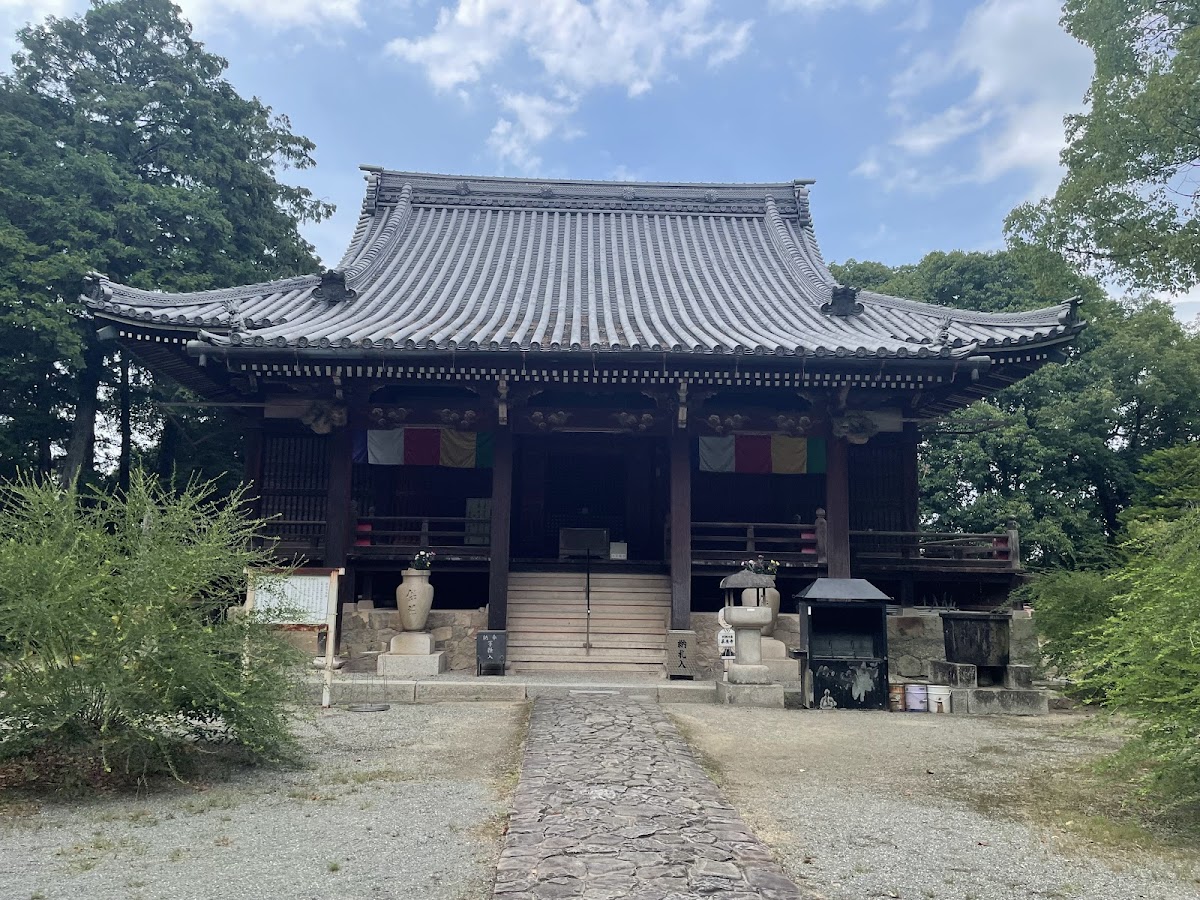
Main Hall and the Thousand-Armed Kannon Bodhisattva
The main hall of Unpenji Temple houses the principal image, the Thousand-Armed Kannon Bodhisattva, said to have been carved by Kobo Daishi. The Thousand-Armed Kannon is worshipped as a compassionate Buddha who saves all sentient beings, and many worshippers offer prayers here.
The solemn atmosphere of the main hall, combined with its high altitude, gives the impression of a temple in the sky. Especially in the early morning and at dusk, one can witness a fantastical scene enveloped in a sea of clouds.
Five Hundred Arhats
The most impressive highlight within the grounds of Unpenji Temple is the life-sized statues of the Five Hundred Arhats. Statues of the Arhats, disciples of Shakyamuni Buddha, are placed throughout the temple grounds, each with a different expression and pose.
The 500 Arhat statues depict a variety of human emotions and postures, including smiling, sorrowful, and meditating figures, watching over visitors. There’s a legend that each Arhat will have a face resembling one’s own, offering visitors the pleasure of searching for their look-alike.
Each Arhat statue represents enlightenment and lessons from various stages of life. Visitors can pause before each statue, contemplating its expression and posture to gain insight.
Daishido Hall
The Daishido Hall is an important building dedicated to Kobo Daishi. During the Shikoku Pilgrimage, it’s customary to visit both the main hall and the Daishido Hall, and many pilgrims at Unpenji Temple perform chanting and offer sutras in the Daishido Hall.
At the Daishido Hall, pilgrims express gratitude to Kobo Daishi and pray for safe travels. Unpenji Temple, in particular, is a temple founded by Kobo Daishi at the young age of 16, making the reverence for him especially profound.
Bishamonten Statue
Within the temple grounds stands one of Japan’s largest statues of Bishamonten. This colossal statue, with its striking presence visible from afar, is one of Unpenji Temple’s symbols.
Bishamonten is one of the Four Heavenly Kings who protect Buddhist teachings and is worshipped as a god who brings wealth and victory. It is believed that praying before this statue will grant various wishes.
Seasonal Natural Beauty
Located at an altitude of 927m, Unpenji Temple offers the opportunity to enjoy the natural beauty of each season.
Early Summer: The fresh greenery is beautiful, and the crisp mountain air is refreshing. Hydrangeas, azaleas, and other flowers adorn the temple grounds.
Summer: The temperature is lower than in the lowlands, making it an ideal summer retreat. The temple grounds, enveloped in lush greenery, are filled with a cool and refreshing atmosphere.
Autumn: Known as a famous spot for autumn foliage, the temple grounds and surrounding mountains are dyed in shades of red and yellow. The best time to visit is especially from late October to early November, attracting many tourists.
Winter: The snow-covered temple grounds present a fantastical beauty. However, due to snow and ice, access may be difficult, so prior confirmation is necessary.
Spectacular Views from the Observation Deck
Unpenji Mountaintop Park has an observation deck offering panoramic views of the Seto Inland Sea and the Mitoyo Plain. On clear days, you can even see the Seto Ohashi Bridge and as far as the Chugoku region.
Especially during sunrise and sunset, the sky and sea create a beautiful gradient, creating a breathtaking landscape. On days when a sea of clouds forms, you can truly experience the atmosphere of a temple in the sky.
Access Methods
Using the Unpenji Ropeway
Currently, the most common and convenient way to access Unpenji Temple is by using the Unpenji Ropeway. The once-difficult “pilgrim’s tumble” section of the pilgrimage route can now be reached in a comfortable 7-minute aerial stroll via the ropeway.
Details of the Unpenji Ropeway:
- Total Length: 2,594m
- Elevation Difference: 657m
- Maximum Speed: 36km/h
- Duration: Approximately 7 minutes
- Capacity: 101 people (Largest in Japan)
The views from the ropeway are magnificent, with the Mitoyo Plain and the Seto Inland Sea stretching out below. On clear days, you can even see the Seto Ohashi Bridge and the mountains of the Chugoku region in the distance, making the journey itself part of the sightseeing experience.
Unpenji Ropeway Base Station:
- Address: 1974-57 Marui, Ohnohara-cho, Kanonji City, Kagawa Prefecture
- Phone Number: 0875-54-4968
- Business Hours: Normally 7:20 AM – 5:00 PM (may vary depending on the season)
- Fare: Round trip: Adults 2,200 yen, Junior/Senior High School Students 1,650 yen, Elementary School Students 1,100 yen (as of 2024)
Access by Car
From Takamatsu:
- Approximately 15 minutes from Ohnohara IC on the Takamatsu Expressway to Unpenji Ropeway Base Station
- Free parking available at the base station (approximately 200 spaces)
From Tokushima:
- Approximately 40 minutes from Ikawa-Ikeda IC on the Tokushima Expressway via National Route 32 and prefectural roads
Notes:
- While there is a road that allows you to drive directly to the summit, it is narrow and has many sharp curves, so we recommend using the ropeway if you are not confident in your driving skills.
- In winter, there is a possibility of snow and ice, so please check the road conditions in advance.
Access by Public Transportation
By Train:
- Get off at JR Yosan Line “Kannonji Station,” then take a taxi for about 30 minutes.
- Get off at JR Dosan Line “Hashikura Station,” then take a taxi for about 25 minutes.
By Bus:
- Since there are limited bus services from Kannonji Station, taking a taxi is the most practical option.
- For groups, we recommend arranging a tour bus or taxi in advance.
Access on Foot (Pilgrimage Route)
For those practicing the traditional walking pilgrimage of Shikoku, a hiking trail is also available.
Route from Temple No. 65, Sankakuji:
- Distance: Approximately 27km
- Estimated Time: Approximately 8-10 hours
- Difficulty: Advanced (Steep mountain path, significant elevation change)
Precautions:
- Sufficient physical fitness and equipment are required
- Prepare for sudden changes in weather
- Avoid solo travel; travel in groups is recommended
- Carry plenty of water and food
Manners and Etiquette for Visiting Temples
Basic Flow of Visiting Temples
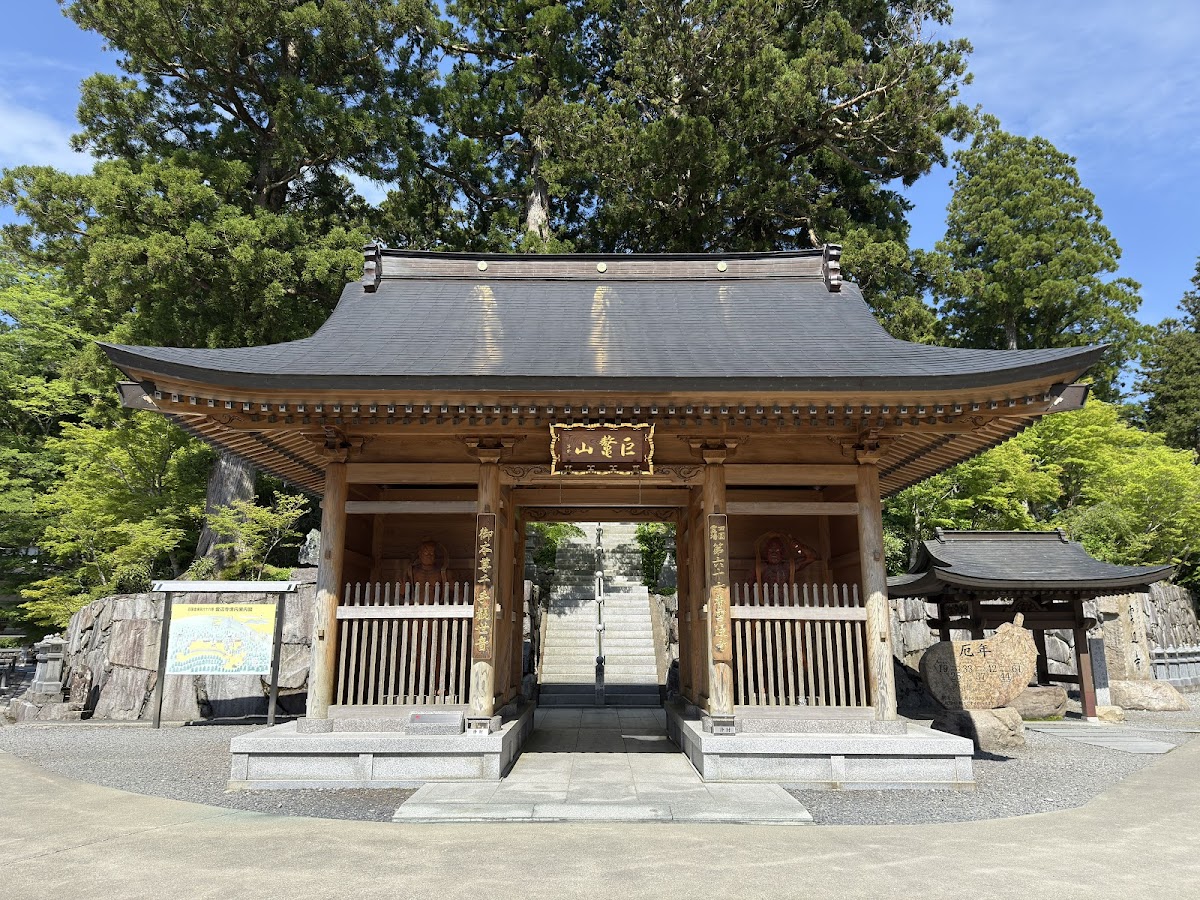
- Bow at the Temple Gate: Before entering the temple grounds, clasp your hands together and bow at the temple gate.
- Purify at the Water Basin: Cleanse your hands and mouth.
- Ring the Bell at the Bell Tower (Only before visiting): This signifies “I’ve arrived.”
- Visit the Main Hall: Place your votive slip, chant sutras, and offer a monetary donation.
- Worship at the Daishido Hall: Worship there in the same way as at the main hall.
- Receive a Goshuin (temple stamp) at the Nokyo-jo (sutra copying office): Receive a Goshuin and calligraphy in your Nokyo-cho (sutra copying notebook).
- Walk around the temple grounds: View the Five Hundred Arhat statues and other sights.
- Bow at the temple gate: Bow again when leaving the temple grounds.
Clothing and Items to Bring
Recommended Clothing:
- White robe (byakue): The formal attire for pilgrims, but not mandatory.
- Comfortable clothing: The temple grounds are large and there are stairs.
- Warm clothing: Due to the high altitude, the temperature is lower than in the lowlands (it’s a good idea to bring something to wear even in summer).
Items to Bring:
- Votive slip (osamefuda)
- Sutra copying notebook
- Prayer beads
- Sutra book (if chanting sutras)
- Candles and incense (for the main hall and Daishido Hall)
Photography Etiquette
Photography is generally permitted on the temple grounds, but please note the following:
- Photography may be prohibited inside the main hall.
- Please be considerate of other visitors.
- Photography of the Five Hundred Arhat statues is permitted, but please treat them with respect.
- Please refrain from using flash photography.
Nearby Tourist Attractions
Takaya Shrine (Sky Torii)
Like Unpenji Temple, Takaya Shrine is located at a high altitude and has recently become a popular topic on social media as the “Sky Torii.” The breathtaking view of the Seto Inland Sea seen through the torii gate is spectacular, and the number of tourists visiting both Unpenji Temple and Takaya Shrine is increasing.
It is located in Kanonji City, about a 30-minute drive from Unpenji Temple.
Kotohiki Park and Zenigata Sand Painting
Kotohiki Park, a representative tourist spot in Kanonji City, features a giant sand painting of the “Kanei Tsuho” coin. The sand painting viewed from the observation deck is magnificent, and there is a legend that seeing it will ensure you never lack money.
Tourism in Ohnohara Town
Around Ohnohara Town, where the Unpenji Ropeway base station is located, you can enjoy rural scenery and local specialties. There are also hot spring facilities to soothe the fatigue of pilgrims.
Best Time to Visit and Required Time
Recommended Time
Spring (March-May):
- Beautiful fresh greenery and mild weather
- High season for pilgrims, you’ll encounter many pilgrims
Autumn (October-November):
- Stunning autumn foliage, the most popular time
- Especially late October to early November is the best time to see the autumn leaves
Summer (June-August):
- Cool due to high altitude, ideal for escaping the summer heat
- However, be careful of rain and fog during the rainy season
Winter (December-February):
- Beautiful snowscapes, but be careful of snow and ice
- The ropeway may be closed, so prior confirmation is essential
Required Time
Visiting Only: Approximately 1 hour
- Round trip by ropeway: Approximately 15 minutes
- Visiting the temple grounds: Approximately 45 minutes
Thorough Exploration: Approximately 2-3 hours
- – Take a leisurely stroll around the 500 Arhat statues
- Enjoy the view from the observation deck
- Take photographs
Annual Events at Unpenji Temple
Main Ceremonies and Events
New Year’s Day First Visit: Bustling with many worshippers praying for happiness in the new year
Spring Grand Festival: A ceremony celebrating the arrival of spring is held
Obon Ceremony: A ceremony for honoring ancestors
Autumn Grand Festival: A ceremony to give thanks for the harvest
Specific dates may vary from year to year, so it is recommended to check in advance.
Temple Lodging and Accommodation Information
Unpenji Temple does not have its own temple lodging, but there are accommodations for pilgrims in the surrounding area.
Kanonji City:
- Numerous business hotels and inns are available, accommodating pilgrims.
- Approximately 30-40 minutes by car.
Ikeda-cho, Miyoshi City:
- A town at the foot of the mountain on the Tokushima Prefecture side, with accommodation available.
- Convenient for travel to the next temple.
Guesthouses/Pilgrim Inns:
- Several inns specifically for pilgrims are scattered throughout the area.
- Recommended for those who want to deepen their pilgrimage experience.
Contact Information
Unpenji Temple:
- Address: 763-2 Shiroji Norouchi, Ikeda-cho, Miyoshi City, Tokushima Prefecture
- Phone Number: 0883-74-0066
Unpenji Ropeway:
- Address: 1974-57 Marui, Ohnohara-cho, Kanonji City, Kagawa Prefecture
- Phone Number: 0875-54-4968
- Website: You can check the latest information on operating status and fares.
Kanonji City Tourism Association:
- Telephone number: 0875-24-2150
- Inquiries regarding general tourist information are accepted.
Mitoyo City Tourism Exchange Bureau:
- Provides information on surrounding tourist attractions.
Guidelines for Visiting Unpenji Temple
Unpenji Temple holds a special place among the Shikoku Pilgrimage sites. Located at the highest peak of 927m, it was once a difficult pass known as “Pilgrim’s Downfall.” While modern ropeway access makes it easy to visit, one must not forget the spiritual power and historical weight of this place.
The fact that Kobo Daishi founded this temple at the young age of 16 speaks to the rigor of his training in his youth and the strength of the spiritual energy of this place. In the temple grounds, watched over by the Five Hundred Arhats, by facing yourself, calming your mind, and offering prayers, you can gain insights and peace that cannot be found in everyday life.
The Shikoku Pilgrimage is not simply about visiting temples; there is spiritual training in every step. We hope your visit to Unpenji Temple will be an important step in your life’s journey.
Summary
Unpenji Temple is the 66th temple of the Shikoku 88 Temple Pilgrimage, a special temple located at the highest peak among the Shikoku pilgrimage sites. As its alternative name, “Shikoku Koyasan,” suggests, it sits near the summit of Mount Unpenji (927m above sea level), and was once a difficult section known as “Pilgrim’s Downfall.”
Currently, the Unpenji Ropeway allows visitors to reach the summit in about 7 minutes, attracting many worshippers and tourists. Life-sized statues of 500 Arhats are placed within the temple grounds, watching over visitors. The main deity, the Thousand-Armed Kannon Bodhisattva, the gigantic Bishamonten statue, and the beauty of nature throughout the seasons are major attractions of this temple.
It has a history dating back to when Kobo Daishi was 16 years old, and has attracted the faith of people for over 1200 years. One of the unique characteristics of Unpenji Temple is its position as a pilgrimage site in Kagawa Prefecture, despite being located in Tokushima Prefecture.
Access is conveniently via the Unpenji Ropeway base station, approximately 15 minutes from the Ohnohara Interchange on the Takamatsu Expressway. Due to its high altitude, temperatures are lower than in the lowlands, so appropriate clothing for the season is necessary. The autumn foliage offers particularly spectacular views, but caution is advised regarding snow and ice during winter.
A visit to Unpenji Temple marks an important milestone in the Shikoku pilgrimage. Take some time to quiet your mind in this temple in the sky, and spend precious moments of self-reflection while being watched over by the 500 Arhat statues.