Complete Guide to Kibitsuhiko Shrine | Thorough Explanation of Deities, Blessings, Goshuin (Shrine Seals), and Access Information
Kibitsuhiko Shrine is a venerable ancient shrine located in Kita-ku, Okayama City, Okayama Prefecture. It enshrines Ōkibitsuhiko-no-mikoto, said to be the model for the Momotaro legend, and is affectionately known locally as “Asahi-no-miya” (Shrine of the Rising Sun). This article provides a detailed explanation of everything you need to know before visiting Kibitsuhiko Shrine, including its history, blessings, highlights within the grounds, goshuin information, and access methods.
What is Kibitsuhiko Shrine?
Kibitsuhiko Shrine is one of Okayama Prefecture’s representative shrines and has long been revered as the Ichinomiya (first-ranked shrine) of Bizen Province. The main deity, Ōkibitsuhiko-no-mikoto, is said to be the son of Emperor Kōrei, the seventh emperor, and a legendary hero who pacified the Kibi region. It is believed that the exploits of Ōkibitsuhiko-no-Mikoto served as the prototype for the later Momotaro legend.
The shrine’s founding is ancient; according to shrine tradition, it began with the construction of a shrine building on the site of Ōkibitsuhiko-no-Mikoto’s residence. The current main hall was rebuilt during the Kan’ei era in the early Edo period and is designated as an important cultural property of Okayama Prefecture.
Status as the Ichinomiya of Bizen Province
Kibitsuhiko Shrine has been considered the most prestigious shrine in the region as the Ichinomiya of Bizen Province. Ichinomiya is a term used under the Ritsuryo system to refer to the shrine with the highest rank in each province. Even after Kibi Province was divided into Bizen, Bitchū, and Bingo, it continued to attract the faith of people as the guardian deity of Bizen Province.
Deity and History
Main Deity: Ōkibitsuhiko-no-Mikoto
The main deity of Kibitsuhiko Shrine is Ōkibitsuhiko-no-Mikoto. He is considered a real historical figure, mentioned in the *Nihon Shoki* and *Kojiki*, and was born as the third son of Emperor Kōrei, the seventh emperor of Japan. He is said to have been dispatched to the Kibi region by order of the imperial court and to have pacified the area.
Ōkibitsuhiko-no-Mikoto is known for the legend of his battle with and defeat of a demon named Ura. This legend was later transformed into the story of Momotarō, becoming a representative folktale of Okayama. The place where the arrows used to defeat Ura are said to have been placed remains on the temple grounds as “Yaoki-iwa” (Arrow-Placing Rock).
Enshrined Deities
Along with the main deity, Ōkibitsuhiko-no-Mikoto, the following deities are enshrined:
- Emperor Kōrei: Father of Ōkibitsuhiko-no-Mikoto
- Emperor Kōgen: Older brother of Ōkibitsuhiko-no-Mikoto
- Emperor Kaika: Nephew of Ōkibitsuhiko-no-Mikoto
- Emperor Sujin: Great-nephew of Ōkibitsuhiko-no-Mikoto
These enshrined deities are emperors related to Ōkibitsuhiko-no-Mikoto by blood, demonstrating a deep connection to the Imperial family.
Benefits of Kibitsuhiko Shrine
Kibitsuhiko Shrine is a shrine believed to offer various benefits. Here are some of the main benefits:
Protection from Evil and Disaster
Due to the divine virtue of Ōkibitsuhiko-no-Mikoto, who defeated the demon Ura, the shrine is particularly famous for its benefits in protecting against evil and disaster. Many people visit the shrine at important life events and during unlucky years.
Family Safety and Traffic Safety
As a deity who pacified the region and brought peace, this shrine is believed to offer blessings for family safety and traffic safety. This is one of the reasons why locals regularly visit the shrine.
Good Fortune and Victory
As a heroic deity who won difficult battles, this shrine is also believed to offer blessings for victory and good fortune. Many visitors pray for success in exams, job hunting, and business ventures.
Matchmaking and Fertility
Because Okibitsuhiko-no-Mikoto brought prosperity to descendants, this shrine is also believed to offer blessings for matchmaking and fertility.
Highlights of the Shrine Grounds
The grounds of Kibitsuhiko Shrine contain many points of interest that evoke a sense of history and culture.
Main Hall (Okayama Prefecture Designated Important Cultural Property)
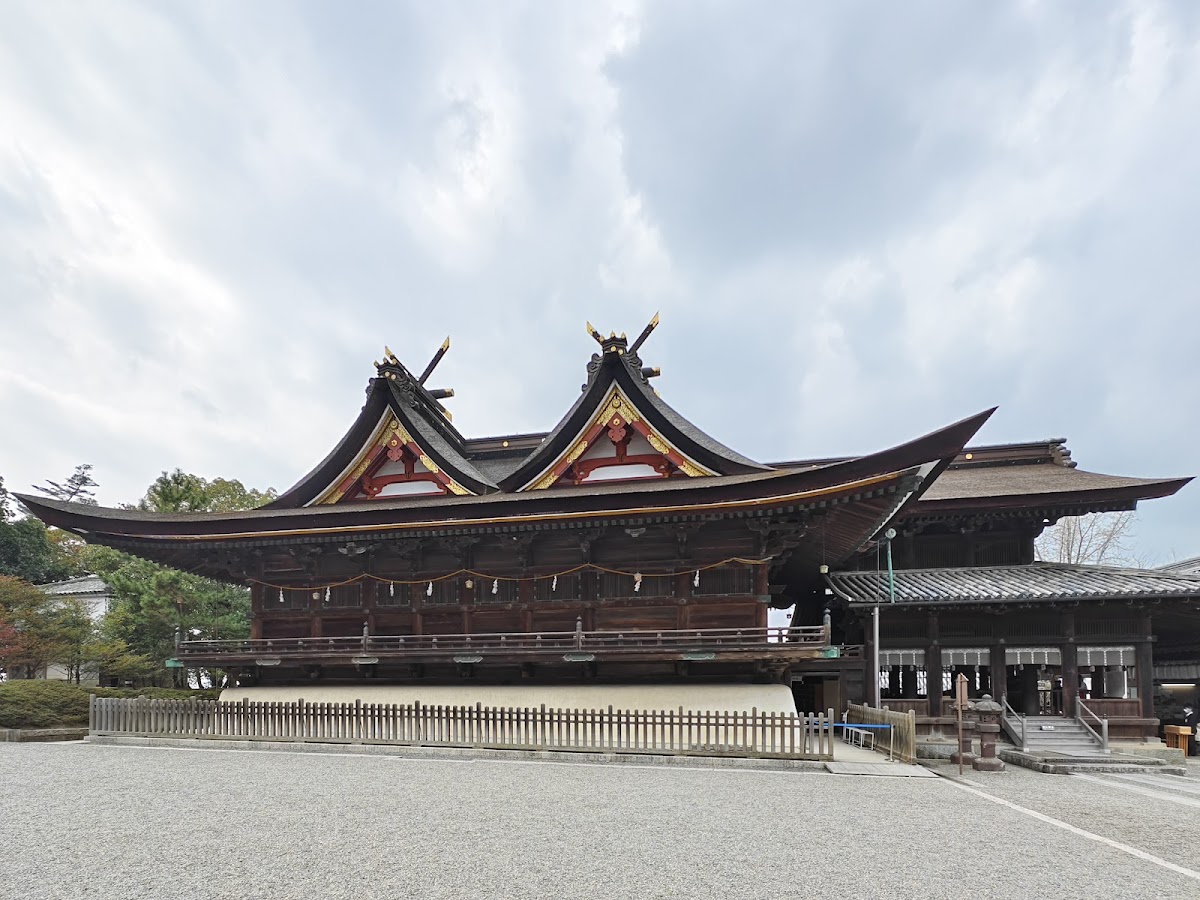
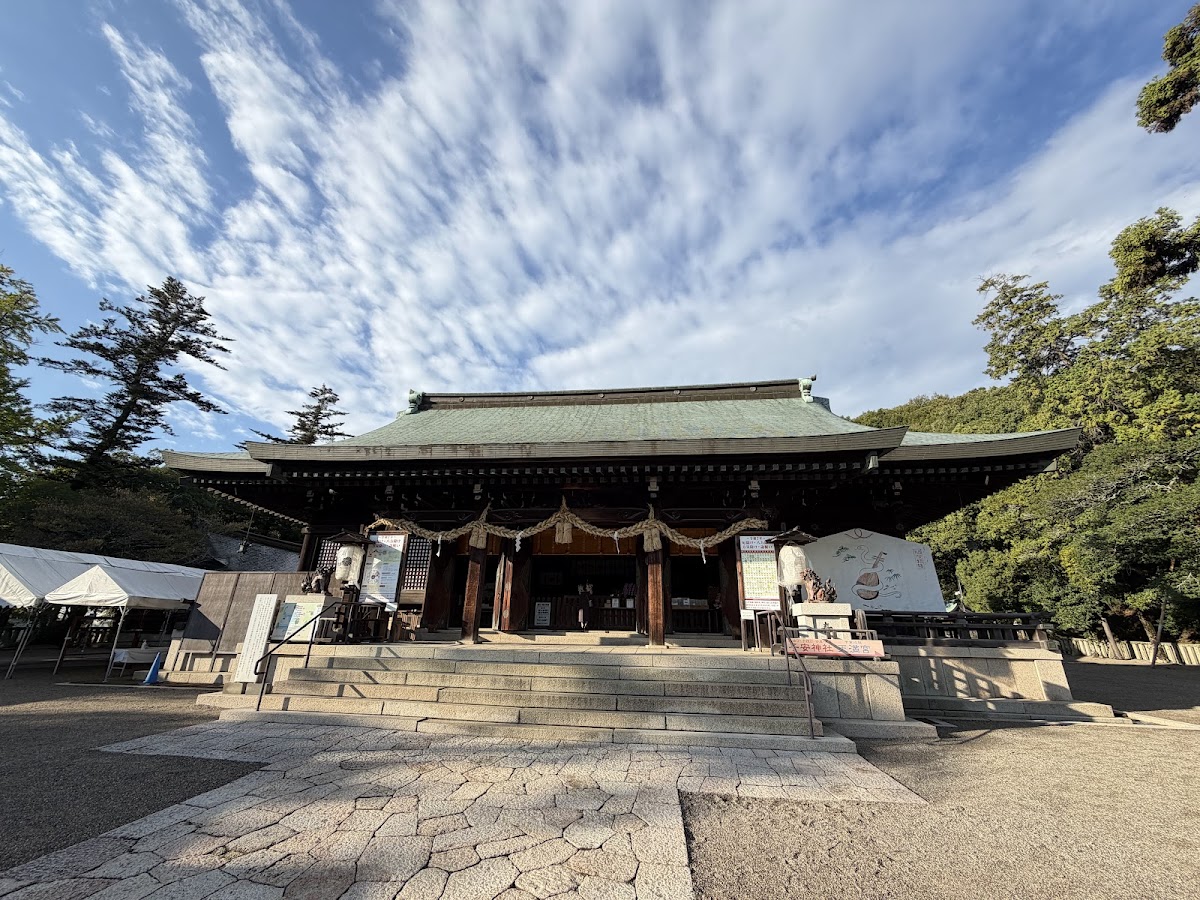
The current main hall was rebuilt in 1643 by Ikeda Mitsumasa and is designated as an important cultural property of Okayama Prefecture. The majestic Irimoya-zukuri style architecture beautifully preserves the characteristics of early Edo period shrine architecture.
The beautiful vermilion-painted shrine building shines brightly in the morning sun, hence its name, “Asahi-no-Miya” (Miya of the Morning Sun).
Zuishinmon Gate
The Zuishinmon Gate, the first gate you see as you proceed along the approach to the shrine, is a dignified and imposing structure. On either side are enshrined guardian deities (Zuishin), welcoming visitors.
Yaoki-iwa Rock
This is a legendary rock where Okibitsuhiko-no-Mikoto is said to have placed his arrows during his defeat of Ura. This rock is an important historical site in the Momotaro legend, attracting many visitors. Visitors can actually touch the rock, and it is also popular as a power spot.
Koyasu Shrine
Koyasu Shrine, one of the shrines within the grounds, is worshipped as the god of safe childbirth and child-rearing. Many pregnant women and parents with young children visit this shrine.
Meoto-iwa Rocks
The two large rocks within the grounds are called “Meoto-iwa” (Married Couple Rocks) and are considered symbols of marital harmony and good fortune in relationships. This is a popular spot for couples visiting the shrine.
Sacred Pond and Taiko Bridge
Within the shrine grounds is a beautiful sacred pond spanned by a Taiko Bridge. It’s also known as a photo spot where you can enjoy the scenery of each season.
Goshuin (Shrine Seal) Information
At Kibitsuhiko Shrine, you can receive a Goshuin as a memento of your visit.
Types of Goshuin
There is one basic type of Goshuin, with the words “Kibitsuhiko Shrine” written in ink and stamped in red in the center. The calligraphy is strong, reflecting the prestige of the Ichinomiya (first-ranked shrine) of Bizen Province.
Goshuin Reception Hours and Location
- Reception Location: Shrine Office
- Reception Hours: 9:00 AM to 5:00 PM (approximate)
- Offering Fee: Approximately 300-500 yen
*Please note that reception hours may change depending on the season and events. It is recommended to check in advance if you wish to be sure to receive a Goshuin.
Goshuincho (Stamp Book)
Kibitsuhiko Shrine also offers its own original goshuincho. Several designs are available, including those featuring the shrine’s crest and motifs from Momotaro (Peach Boy).
Annual Events and Festivals
Kibitsuhiko Shrine holds various festivals and events throughout the year.
Main Annual Events
- January 1st: Saitansai (New Year’s Day Festival)
- January 3rd: Genshisai (Beginning of the Year Festival)
- February 3rd: Setsubunsai (Bean-throwing Ritual)
- February 17th: Kinensai (Prayer for a Bountiful Harvest)
- May 5th: Tangosai (Boys’ Festival)
- Third Sunday of July: Natsukoshi no Oharae (Summer Purification Ceremony) and Chinowa Kuguri (Passing Through a Chino-wa Ring)
- Second Sunday of October: Akitsuki Reitaisai (Autumn Grand Festival) (Most Important Festival)
- November 15th: Shichi-Go-San Celebration
- December 31st: Oharae (Great Purification Ceremony) and Joyasai (New Year’s Eve Festival)
Autumn Reitaisai (Autumn Grand Festival)
The Autumn Reitaisai, held in October, is the most important festival at Kibitsuhiko Shrine. It features a portable shrine procession and dedication ceremonies, attracting many worshippers. This is a rare opportunity to witness traditional Shinto rituals.
Access Information
Here’s how to access Kibitsuhiko Shrine.
Access by Train
Using the JR Kibi Line (Momotaro Line)
- Take the Kibi Line from JR Okayama Station
- Get off at “Bizen-Ichinomiya Station” and walk for about 3 minutes.
Bizen-Ichinomiya Station is an unmanned station, but it’s very close to the shrine, making it convenient to access on foot. There are also guide signs along the route from the station to the shrine.
Access by Car
Using the Sanyo Expressway
- Approximately 10 minutes from Okayama IC
- Approximately 15 minutes from Okayama-Soja IC
Using General Roads
- Approximately 20 minutes from central Okayama City via National Route 53
Parking Information
The shrine has a free parking lot for visitors.
- Parking Capacity: Approximately 50 cars
- Operating Hours: All day
- Fee: Free
*Congestion is expected during New Year’s and festivals. In such cases, we recommend using public transportation.
Location
Address: 1043 Ichinomiya, Kita-ku, Okayama City, Okayama Prefecture 701-1211
Phone Number: 086-284-0031
Visiting Manners and Required Time
Basic Visiting Manners
- Bow before passing through the torii gate: This is a courtesy before entering the sacred area.
- Walk along the edge of the approach: The center is considered the path for the gods.
- Purify yourself at the water basin: Purify in the order of left hand → right hand → mouth → left hand.
- Two bows, two claps, one bow: This is the general etiquette for visiting a shrine.
Required Time for Visiting
- Normal Visit: Approximately 30-40 minutes
- Strolling leisurely around the grounds: Approximately 1 hour
- Including waiting time for Goshuin (shrine stamp): Approximately 1 hour to 1 hour 30 minutes
*May vary depending on crowd conditions.
Nearby Tourist Attractions
Here are some nearby attractions you might want to visit when you come to Kibitsuhiko Shrine.
Kibitsu Shrine
Located about a 5-minute drive from Kibitsuhiko Shrine, Kibitsu Shrine is known as the Ichinomiya (first-ranked shrine) of Bitchu Province. Its highlights include the National Treasure main hall and the approximately 360-meter-long corridor. Both shrines enshrine the same deity, Okibitsuhiko-no-Mikoto, and visiting both shrines (“Ryo-mairi”) is recommended.
Saijo Inari Shrine
Saijō Inari Shrine, one of Japan’s three great Inari shrines, is located about a 15-minute drive from Kibitsuhiko Shrine. It is a sacred site of Inari worship in Japan, notable for its massive torii gate.
Tsukuriyama Kofun (Tsukuriyama Burial Mound)
This is the fourth largest keyhole-shaped burial mound in Japan and an important historical site for understanding the ancient culture of the Kibi region. It is located about a 10-minute drive from Kibitsuhiko Shrine.
Kibitsuhiko Shrine and the Momotaro Legend
The legend of Okibitsuhiko-no-Mikoto’s defeat of Ura is the origin of “Momotaro,” a representative folk tale of Okayama. Let’s take a closer look at this connection.
The Legend of Ura’s Defeat
Ura was a demon said to have come from Baekje and was wreaking havoc in the land of Kibi. The imperial court dispatched Okibitsuhiko-no-Mikoto to subdue Ura.
The battle was fierce, a supernatural test of strength unfolding, with Ura even turning arrows fired by Okibitsuhiko-no-Mikoto into rocks to defend against them. Ultimately, Okibitsuhiko-no-Mikoto emerged victorious, and peace is said to have returned to the land of Kibi.
Similarities with Momotaro
- Hero who defeats demons: Ōkibitsuhiko-no-Mikoto, who defeated Ura (the demon), and Momotaro, who defeated the demons of Onigashima (Demon Island).
- Dog, Monkey, and Pheasant: It is said that the names of Ōkibitsuhiko-no-Mikoto’s retainers were “Inukai Takeru,” “Rakuraku Morihiko (Monkey),” and “Tometamaomi (Pheasant).”
- Kibi Dango: The story is set in the land of Kibi.
Based on these similarities, the Momotaro legend is thought to be a story that spread among the people and was embellished from the legend of Ōkibitsuhiko-no-Mikoto’s defeat of Ura.
The Four Seasons of Kibitsuhiko Shrine
Kibitsuhiko Shrine is a shrine where you can enjoy beautiful scenery throughout the four seasons.
Spring (March-May)
Cherry trees are planted on the shrine grounds, and beautiful cherry blossoms bloom in the spring. Many worshippers visit during cherry blossom season to enjoy the blossoms. The fresh green season is refreshing and an ideal time to visit the shrine.
Summer (June-August)
The lush green grounds feel relatively cool even in summer. During the Summer Purification Ceremony in July, you can participate in the ritual of passing through a ring of reeds, purifying yourself of the impurities accumulated over the past six months.
Autumn (September-November)
October, when the Autumn Grand Festival is held, is the busiest time of year for the shrine. The autumn leaves are beautiful, and the sight of the trees in the grounds changing color is magnificent. It’s also the time for Shichi-Go-San (a traditional Japanese rite of passage for children), and the shrine is vibrant with children in their festive attire.
Winter (December-February)
Many worshippers visit during the New Year’s pilgrimage season. Visiting the shrine in the crisp, cold air is a solemn experience. During the Setsubun Festival in February, a bean-throwing ceremony takes place, attracting many people hoping to receive good fortune.
Summary
Kibitsuhiko Shrine is a historical and prestigious shrine dedicated to Okibitsuhiko-no-Mikoto, the origin of the Momotaro legend. While possessing the dignity of the Ichinomiya (first-ranked shrine) of Bizen Province, it is also a warm and welcoming shrine affectionately known as “Asahi-no-Miya” (Shrine of the Rising Sun) by the locals.
It offers various blessings, including protection from evil and disaster, and good fortune, making it a worthwhile place to visit at life’s milestones or to express gratitude for everyday blessings. Its convenient location, just a 3-minute walk from JR Bizen-Ichinomiya Station, is another attractive feature.
When visiting Okayama, be sure to visit Kibitsuhiko Shrine and experience the ancient history and culture of Kibi. The time spent quietly praying while feeling the origins of the Momotaro legend will surely be a memorable experience.