Complete Guide to Hyogo Prefecture Kobe Gokoku Shrine | History, Deities, Festivals, and Access Information
Hyogo Prefecture Kobe Gokoku Shrine is a Gokoku Shrine located in Shinohara Kitamachi, Nada Ward, Kobe City, Hyogo Prefecture. It enshrines the spirits of 53,257 war dead from 14 cities in eastern Hyogo Prefecture (Tamba, Settsu, and Awaji), and is deeply revered by the local community. The shrine grounds cover approximately 2,200 tsubo (about 7,600 square meters), and cherry trees have been planted to commemorate the fallen heroes. In spring, the beautiful cherry blossoms captivate visitors.
This article provides a detailed explanation of Hyogo Prefecture Kobe Gokoku Shrine, including its history, enshrined deities, annual festivals, goshuin (shrine stamp) information, access methods, and nearby attractions.
Table of Contents
- Overview of Hyogo Prefecture Kobe Gokoku Shrine
- History and Origins
- Deities Enshrined and the Significance of Memorial Service
- Highlights of the Shrine Grounds
- Annual Festivals and Festival Dates
- Information on Goshuin (Shrine Seals) and Souvenirs
- Access
- Manners and Precautions for Visiting the Shrine
- Nearby Tourist Attractions
Overview of Hyogo Prefecture Kobe Gokoku Shrine
Basic Information
Location: 4-5-1 Shinohara Kitamachi, Nada-ku, Kobe City, Hyogo Prefecture
Main Deities: 53,257 war dead from eastern Hyogo Prefecture
Shrine Rank: Former Minister of Home Affairs Designated Gokoku Shrine
Festival Dates: May 6th (Spring Memorial Service), November 6th (Autumn Memorial Service)
Shrine Grounds Area: Approximately 2,200 tsubo
Telephone Number: 078-882-1700
Reception Hours: 9:00 AM – 5:00 PM (Shrine Office)
Hyogo Prefecture Kobe Gokoku Shrine was officially designated a Gokoku Shrine in 1941 (Showa 16) as a shrine dedicated to those from eastern Hyogo Prefecture who perished in wars since the Meiji era. Currently, it is not only a place for memorial services but also a beloved spiritual center for local residents.
What is a Gokoku Shrine?
Gokoku Shrines are shrines dedicated to the spirits of those who sacrificed their lives for their country. Since the Meiji Restoration, they have been established throughout Japan to comfort the souls of those who perished in national crises and to pass on their achievements to future generations. Hyogo Prefecture Kobe Gokoku Shrine is one such example, enshrining the spirits of those who died in war from 14 cities in eastern Hyogo Prefecture (eastern Kobe City, Ashiya City, Nishinomiya City, Amagasaki City, Itami City, Takarazuka City, Kawanishi City, Sanda City, Tamba-Sasayama City, Tamba City, Sumoto City, Minami-Awaji City, Awaji City, and Inagawa Town).
History and Origins
Origins of Founding
The history of Hyogo Prefecture Kobe Gokoku Shrine dates back to the Meiji era. After the Meiji Restoration, an altar was set up in Hyogo Kaigayama (present-day Kaigayama-cho, Hyogo Ward) to hold memorial services for those who died in war. This is the origin of the shrine’s founding.
In 1939 (Showa 14), the establishment of a Gokoku Shrine was decided upon by designation of the Minister of Home Affairs, and in 1941 (Showa 16), it was officially designated as a Gokoku Shrine. Initially, a magnificent main shrine and office building, constructed in the unpainted wood style, were erected on the former site of Kwansei Gakuin University in Nada Ward, Kobe City (around present-day Oji Park), and it was bustling with many worshippers.
War Damage and Reconstruction
In 1945, the shrine buildings were destroyed in the Great Kobe Air Raid. After the war, momentum for reconstruction grew, and in 1952, a temporary shrine was built on the current site in Shinohara Kitamachi, Nada Ward, Kobe City. Later, thanks to donations from parishioners and worshippers, the current shrine buildings were reconstructed in 1959.
Although the reconstructed shrine buildings do not match the splendor of the pre-war era, they possess a solemn atmosphere befitting the commemoration of the war dead, and continue to welcome many worshippers to this day.
Cherry Tree Planting and the Spirit of Memorial Service
Cherry trees have been planted within the shrine grounds and along the road in front of the shrine (the main prefectural road, the Yamaroku Line) to commemorate the fallen heroes. These cherry trees symbolize the repose of the souls of those who sacrificed their lives for their country at a young age. Every spring, the cherry blossoms in full bloom adorn the shrine grounds, conveying the preciousness of peace to visitors.
Deities Enshrined and the Significance of Memorial Service
Enshrined Heroes
The following 53,257 war dead are enshrined at Hyogo Prefecture Kobe Gokoku Shrine.
- Battles of the Meiji Restoration: People from eastern Hyogo Prefecture who died in the Boshin War and other conflicts.
- Satsuma Rebellion: Those who died in the Satsuma Rebellion of 1877 (Meiji 10).
- First Sino-Japanese War: Those who died in the First Sino-Japanese War of 1894-1895 (Meiji 27-28).
- Russo-Japanese War: Those who died in the Russo-Japanese War of 1904-1905 (Meiji 37-38).
- World War I: Those who died in the First Sino-Japanese War of 1914-1918 (Taisho 3-7).
- Manchurian Incident/Second Sino-Japanese War: Those who died in the Second Sino-Japanese War of 1931-1945 (Showa 6-20).
- Greater East Asia War (Pacific War): Those who died in the Second Sino-Japanese War of 1941-1945 (Showa 16-20).
- Post-War Public Service Diedites: Self-Defense Forces personnel, police officers, firefighters, etc.
Significance of Memorial Services
Memorial services at Gokoku Shrines are more than just commemoration. They are also a place to honor the achievements of the brave souls who sacrificed their precious lives in times of national crisis, to express gratitude for the peace we enjoy today built upon their sacrifices, and to pray for lasting peace.
At Kobe Gokoku Shrine in Hyogo Prefecture, many visitors, including bereaved families, local residents, and younger generations, attend, fulfilling the role of passing on the memory of war to future generations.
Highlights of the Shrine Grounds
Main Hall
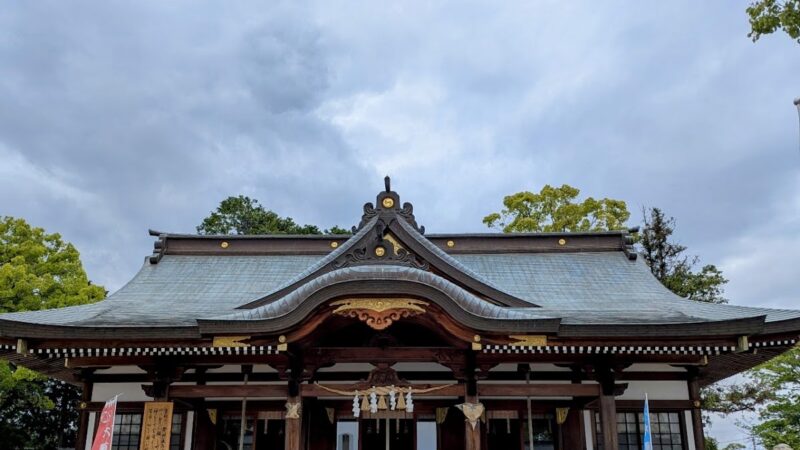
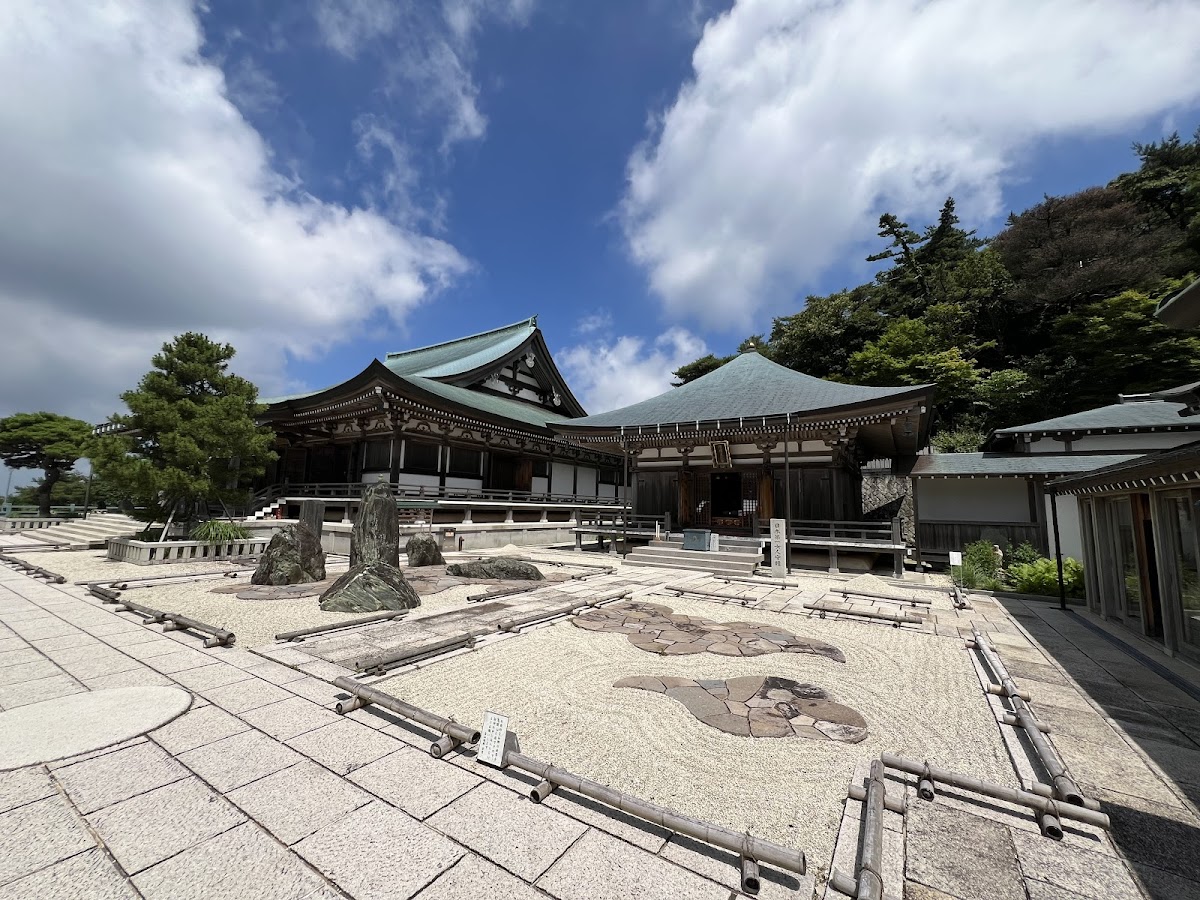
The main hall, rebuilt in 1959, is a Shinto-style building based on the Suki-ryu-zukuri style. While not as magnificent as the pre-war shrine buildings, it possesses a simple yet solemn atmosphere, presenting a fitting dignified presence as a place of remembrance.
Inside the main shrine, the spirits of 53,257 war dead are enshrined, and solemn rituals are performed there, including the spring and autumn memorial services and monthly commemorative ceremonies.
Shrine Office
The shrine office provides Goshuin (shrine stamps), accepts requests for prayers, and distributes various items. Reception hours are 9:00 AM to 5:00 PM, and it is open on Sundays as well. For prayers or off-site ceremonies, it is recommended to make a reservation in advance by phone (078-882-1700).
Cherry Blossoms on the Shrine Grounds
Numerous cherry trees are planted on the shrine grounds, creating a magnificent cherry blossom landscape in spring. A row of cherry trees also lines the main prefectural road (Yamamoto Line) in front of the shrine, making it a popular cherry blossom viewing spot in the area.
During the cherry blossom season (typically late March to early April), the shrine is bustling with visitors enjoying the blossoms while remembering the fallen heroes. At night, lanterns are lit, creating a magical atmosphere.
Memorials and Monuments
Within the shrine grounds, memorials and monuments for each war are erected. These monuments bear the names of those who died and the locations where they perished, and are visited by bereaved families and other related individuals.
Annual Festivals and Celebrations
Hyogo Prefecture Kobe Gokoku Shrine holds various festivals and celebrations throughout the year.
Spring Memorial Service (May 6th)
The Spring Memorial Service, held annually on May 6th, is one of the most important festivals. It is a ceremony to comfort the spirits of the fallen heroes and pray for lasting peace, attracting many attendees including bereaved families, devotees, and local residents.
During the ceremony, the chief priest recites prayers and offers sacred branches, creating a solemn atmosphere in which gratitude and remembrance are expressed for the war dead.
Autumn Memorial Service (November 6th)
The Autumn Memorial Service is held annually on November 6th. Similar to the Spring Memorial Service, it is an important ceremony in which gratitude and remembrance are expressed for the war dead, and prayers for lasting peace are offered.
In the clear autumn air, a solemn ceremony is held, and attendees are reminded of the preciousness of peace.
Commendation Ceremony (18th of each month)
The Commendation Ceremony is held on the 18th of each month at 10:30 AM. This is a monthly ceremony to honor the achievements and virtues of the war dead, and anyone is welcome to attend.
By holding these regular ceremonies, the spirit of gratitude towards the war dead is kept alive, and the spirit of remembrance is passed down.
Mitama Festival (Last Friday and Saturday of July)
Every year on the last Friday and Saturday of July, the Mitama Festival, commemorating the founding of the shrine, is held. Numerous lanterns of all sizes are lit throughout the shrine grounds, and Bon Odori (traditional Japanese dance) takes place, making it a quintessential summer event.
While it has significance as a memorial, it is also a beloved place for community interaction, attracting many families. From evening to night, the light of the lanterns illuminates the shrine grounds in a magical way.
Other Rituals and Ceremonies
- New Year’s Day Festival (January 1st): Celebrating the New Year and praying for national peace and world peace
- National Foundation Day Festival (February 11th): Praying for the prosperity of the nation on National Foundation Day
- End of War Memorial Service (August 15th): Commemorating the war dead on the day the war ended
- Annual Festival (October 17th): A festival commemorating the founding of the shrine
- Niiname-sai Festival (November 23rd): Offering new grain to the gods and giving thanks for a bountiful harvest
These ceremonies are solemnly conducted by Shinto priests, and those who wish to attend are welcome to participate.
Information on Goshuin (Shrine Seals) and Other Items
Goshuin (Shrine Seals)
Hyogo Prefecture Kobe Gokoku Shrine offers Goshuin as proof of worship. Goshuin (temple/shrine stamps) are available at the shrine office from 9:00 AM to 5:00 PM.
The goshuin will have the shrine’s name, “Hyogo Prefecture Kobe Gokoku Shrine,” and the date of visit written in ink, and stamped with a red seal. The offering fee is usually around 300 to 500 yen. You can bring your own goshuincho (stamp book) or receive a pre-printed goshuin.
Items Available
The shrine office offers the following items:
- Amulets: Various amulets for traffic safety, family safety, good health, etc.
- Sacred Talismans: Talismans to be placed on the household altar
- Ema (votive tablets): Ema (votive tablets) on which wishes are written and offered
- Goshuincho: Original goshuincho from the shrine
- Omikuji (fortune slips): Fortune slips to predict your luck
These items are popular as souvenirs of your visit and as proof of your faith.
Access by Transportation
Public transportation is the most convenient way to access Hyogo Prefecture Kobe Gokoku Shrine.
Access by Train
From Hankyu Kobe Line “Rokko Station”
- Approximately 10 minutes on foot (approx. 700m)
- Exit the north exit of Rokko Station and head north towards the mountains. Turn right (east) onto the main prefectural road, Yamaroku Line, and you will arrive in front of the shrine.
From JR Kobe Line “Rokkomichi Station”
- Approximately 20 minutes on foot (approx. 1.5 km)
- Or take a Kobe City Bus
From Hanshin Main Line “Mikage Station”
- Approximately 25 minutes on foot (approx. 2 km)
- Or take a Kobe City Bus
Access by Bus
Kobe City Bus
- Take bus route 2 or 18
- Get off at the “Gokoku Jinja-mae” bus stop.
Using the Kobe City Bus is very convenient, as you can get off at a bus stop right in front of the shrine.
Access by Car
Hanshin Expressway Route 3 Kobe Line
- Approximately 5 minutes from the “Maya Exit”
- Approximately 10 minutes from the “Uozaki Exit”
Parking: There is parking space for visitors on the shrine grounds, but the number of spaces is limited. Due to expected congestion on festival days and during cherry blossom season, we recommend using public transportation.
Location Details
Address: 4-5-1 Shinohara Kitamachi, Nada-ku, Kobe City, Hyogo Prefecture 657-0068
Nearest Station: Hankyu Kobe Line “Rokko Station”
Nearest Bus Stop: Kobe City Bus “Gokoku Jinja-mae”
Manners and Precautions for Visiting
Proper Worship Etiquette
Gokoku Jinja Shrine follows the same worship etiquette as other shrines.
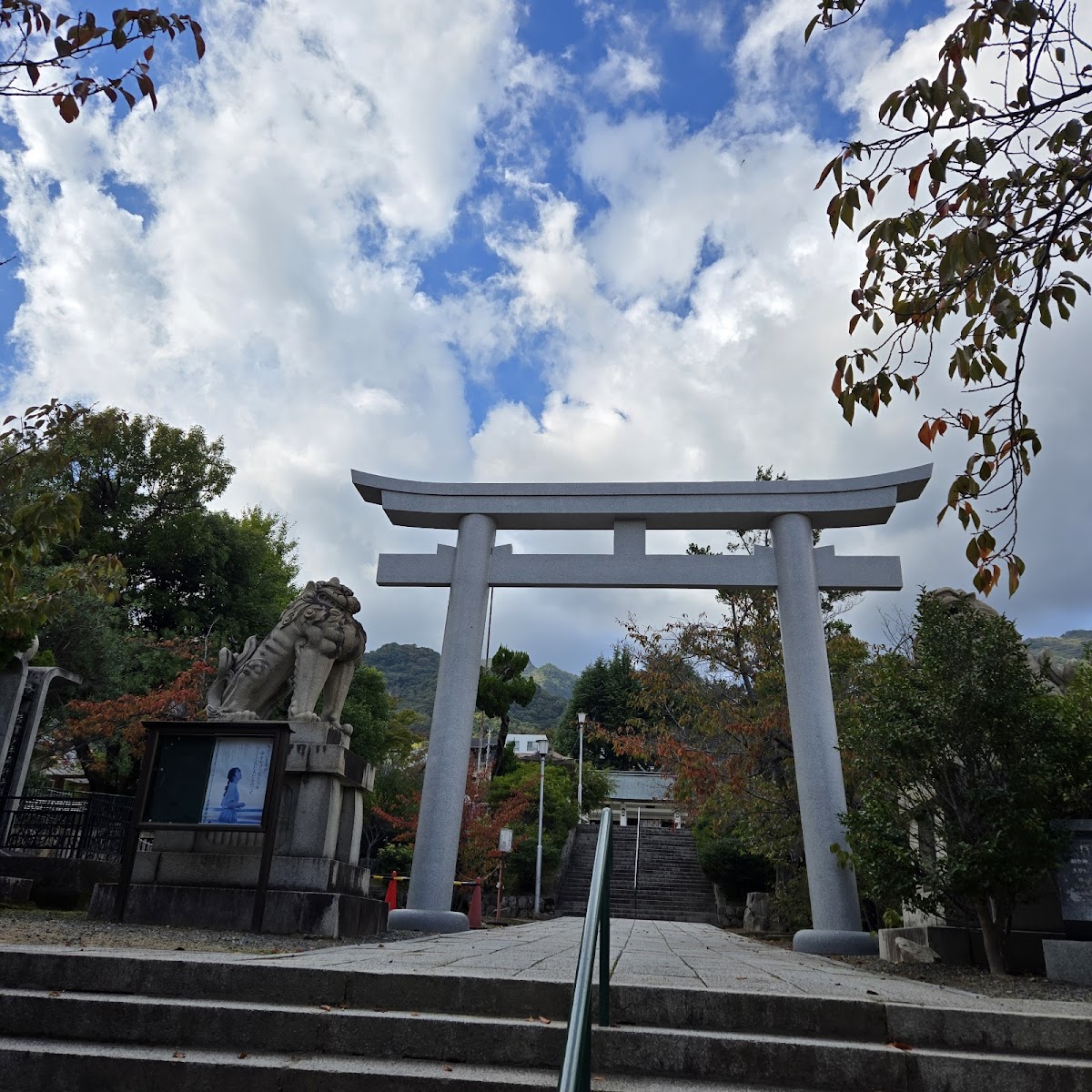
- Bow before passing through the torii gate: Bow before entering the sacred area, in front of the torii gate.
- Purify at the water basin: Purify your hands and mouth at the water basin.
- Avoid the center of the path: The center of the path is considered the path of the gods, so walk along the sides.
- Worship at the main hall: Worship using the two bows, two claps, and one bow method.
- Bow upon exit: Before leaving the torii gate, turn around and bow.
With a spirit of remembrance
Gokoku Shrine is a shrine dedicated to the spirits of those who sacrificed their lives for their country. When visiting, please pray quietly and solemnly with gratitude and a spirit of remembrance for the spirits of the fallen.
Photography
Photography is generally permitted on the shrine grounds, but please refrain from taking photos inside the main hall or during ceremonies. Also, please be considerate of other visitors.
Attire
There are no specific dress code regulations, but please be mindful of the sacred nature of the place and dress cleanly and appropriately. Formal attire such as a suit is recommended when attending ceremonies.
Nearby Tourist Attractions
There are several attractive tourist spots around Kobe Gokoku Shrine in Hyogo Prefecture.
Oji Zoo (approx. 1.5km)
Kobe Municipal Oji Zoo is a popular zoo housing approximately 800 animals of about 130 species, including pandas and koalas. In spring, the cherry blossoms in the park are beautiful, making it a well-known cherry blossom viewing spot.
Nada Sake Breweries (approx. 2-3 km)
Nada Gogo is one of Japan’s leading sake-producing regions, and many sake breweries, such as the Hakutsuru Sake Brewery Museum, Kikumasamune Sake Brewery Memorial Hall, and Hamafukutsuru Ginjo Kobo, offer tours and tastings.
Mount Rokko (approx. 5 km)
Mount Rokko is a representative mountain tourist destination in Kobe, accessible to the summit by cable car and ropeway. Facilities such as Rokko Garden Terrace, Rokko Music Box Museum, and Rokko Alpine Botanical Garden are located on the mountaintop, offering panoramic views of Kobe city and Osaka Bay.
Kobe Municipal Oji Stadium (approx. 1 km)
This stadium hosts track and field and soccer matches, as well as various other sporting events.
Around Hankyu Rokko Station
The area around Rokko Station has restaurants, cafes, and shopping streets, making it convenient for meals and rest after visiting the shrine.
Summary
Hyogo Prefecture Kobe Gokoku Shrine is a Gokoku Shrine dedicated to the 53,257 war dead from eastern Hyogo Prefecture, fulfilling its role in memorializing the war dead and praying for peace. With a history dating back to the Meiji era, and having recovered from war damage, it remains a beloved place for the local community.
The cherry trees planted on the shrine grounds symbolize the repose of the souls of those who perished, creating a beautiful landscape in spring. Throughout the year, various festivals are held, including the Spring and Autumn Memorial Festivals, monthly commemorative festivals, and the Summer Mitama Festival, ensuring that the spirit of gratitude and remembrance for the war dead is passed down.
The shrine is conveniently located, approximately a 10-minute walk from Hankyu Rokko Station and immediately accessible from the “Gokoku Shrine-mae” bus stop on the Kobe City Bus. Goshuin (shrine stamps) and various other items are available, making them perfect mementos of your visit.
When you visit Kobe, be sure to pay your respects at the Kobe Gokoku Shrine in Hyogo Prefecture to express your gratitude to the war dead and to reaffirm the preciousness of peace. It is also recommended to visit it in conjunction with other nearby tourist attractions such as Oji Zoo, Nada sake breweries, and Mount Rokko.