Complete Guide to Hakodate Hachimangu Shrine | History, Blessings, Access, and Highlights Explained in Detail
Hakodate Hachimangu Shrine is a venerable shrine located in Yachigashira-cho, Hakodate City, Hokkaido, situated at the foot of Mount Hakodate. Affectionately known as “Hachiman-san” by locals, it attracts many visitors throughout the year for New Year’s prayers, Shichi-Go-San (a traditional rite of passage for children), and exorcisms. This article provides a detailed explanation of everything you need to know before visiting, including the history of Hakodate Hachimangu Shrine, its enshrined deities and blessings, highlights within the grounds, annual events, and access methods.
What is Hakodate Hachimangu Shrine?
Hakodate Hachimangu Shrine is one of Hakodate City’s representative shrines, located in the Yachigashira district on the eastern foot of Mount Hakodate. Its official name is “Hakodate Hachimangu Shrine,” but it is affectionately known as “Yachigashira no Hachiman-san” by local residents.
From the shrine grounds, you can enjoy a panoramic view of Hakodate city and the Tsugaru Strait, and the scenery is especially beautiful during the cherry blossom season in spring and the autumn foliage season. Many tourists visit the shrine during their Hakodate sightseeing trip, and its location near the Hakodateyama Ropeway and Yachigashira Onsen makes it easily incorporated into sightseeing routes.
History of Hakodate Hachimangu Shrine
Origin of Founding
Hakodate Hachimangu Shrine is said to have been founded in 1186 (Bunji 2). It is believed to have begun when Kono Kaga-no-kami Masamichi, a retainer of Minamoto no Yoritomo, built a residence in Kameda County and invited a divided spirit from Tsurugaoka Hachimangu Shrine in Kamakura. By enshrining Hachiman-jin in this location, it played a role as the guardian deity of the development of Ezo (Hokkaido).
From the Edo Period to the Meiji Period
During the Edo period, under the patronage of the Matsumae Domain, it developed as the guardian shrine of the Hakodate region. Hakodate flourished as a key hub for northern trade, and many sailors and merchants visited the shrine to pray for safe voyages and business prosperity.
During the Hakodate War (1868-1869) after the Meiji Restoration, the shrine grounds were engulfed in flames, but it was rebuilt through the efforts of local residents. During the Meiji era, the shrine buildings were renovated, laying the foundation for the present-day structure.
Development during the Taisho and Showa Eras
In 1919 (Taisho 8), a large-scale renovation of the main hall took place, resulting in the magnificent shrine we see today. During the Showa era, along with the development of Hakodate City, the shrine gained widespread reverence as the local guardian deity.
During the post-war reconstruction period, it became a spiritual center for the citizens of Hakodate and also attracted attention as a tourist resource, leading to improvements to the shrine grounds.
Heisei and Reiwa Eras
Even in the Heisei era, renovations and improvements to the shrine facilities continued, creating an environment where visitors can comfortably worship. Even in the Reiwa era, this shrine, while preserving its traditions, remains deeply rooted in the community and is cherished by many people.
Deities and Blessings
Deities
The following deities are enshrined at Hakodate Hachimangu Shrine:
Honda Wake no Mikoto (Emperor Ojin)
Honda Wake no Mikoto, the principal deity, is the 15th Emperor Ojin and is worshipped as Hachiman-sama at Hachiman shrines throughout Japan. He has been worshipped since ancient times as the god of military fortune and good fortune in competitions.
Sumiyoshi Okami
This deity is known as the guardian deity of safe voyages and maritime traffic. Due to Hakodate’s history as a port town, he has attracted the faith of sailors and those involved in the fishing industry.
Kotohira Okami
This deity is worshipped as the guardian deity of maritime traffic and also as the god of business prosperity.
Benefits
Hakodate Hachimangu Shrine is believed to offer the following benefits:
- Good Fortune in Competitions and Victory: As it enshrines Emperor Ojin, it is believed to bring good fortune in all kinds of competitions, such as passing exams, winning matches, and successful business negotiations.
- Protection from Misfortune and Unfavorable Directions: It is believed to ward off misfortune at important life events and pray for safety.
- Family Safety: It is believed to protect the health and peaceful life of the family.
- Business Prosperity: It is believed to bring development and prosperity to businesses.
- Safe Navigation and Traffic Safety: It is believed to bring safety at sea and on land, as is typical of the port city of Hakodate.
- Safe Childbirth: It is believed to bring health to mothers and children and ensure safe childbirth.
- Matchmaking: It is believed to bring good fortune in finding a partner.
Highlights of the Shrine Grounds
Shrine Building
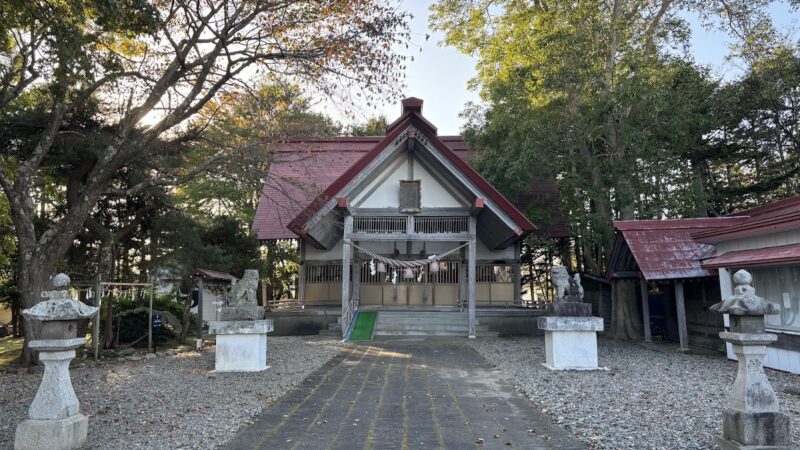
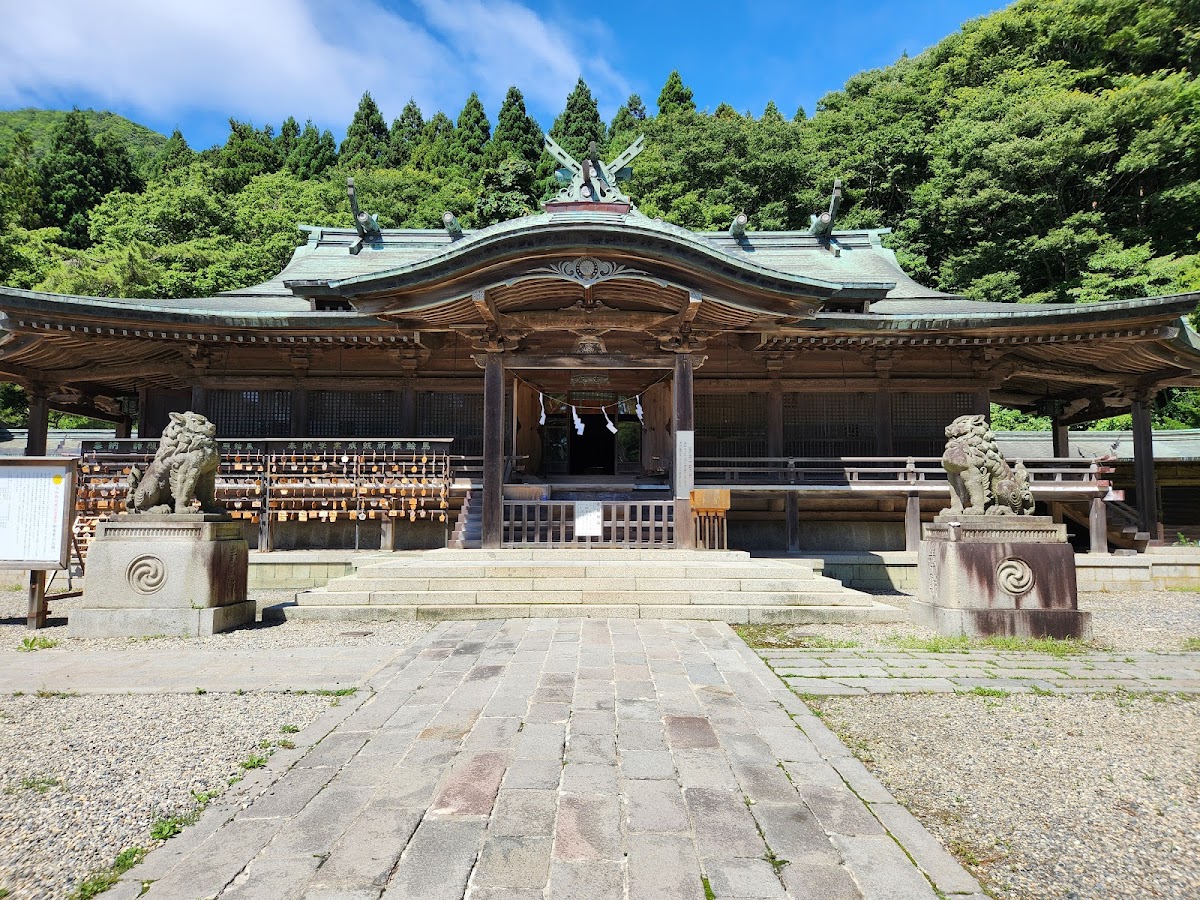
The main hall of Hakodate Hachimangu Shrine is a historical building constructed in 1919 (Taisho 8). The beautiful vermilion-painted shrine buildings preserve the traditional style of Shinto shrine architecture. The carvings and decorations in the worship hall are magnificent; be sure to observe the details carefully during your visit.
Stone Steps and Torii Gate
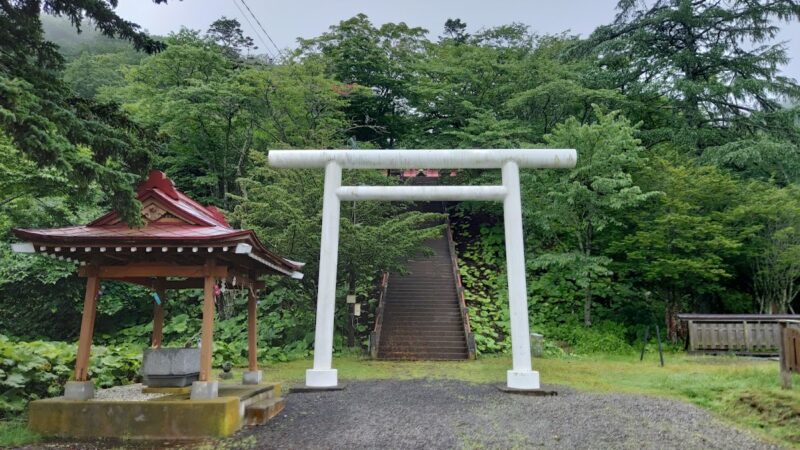
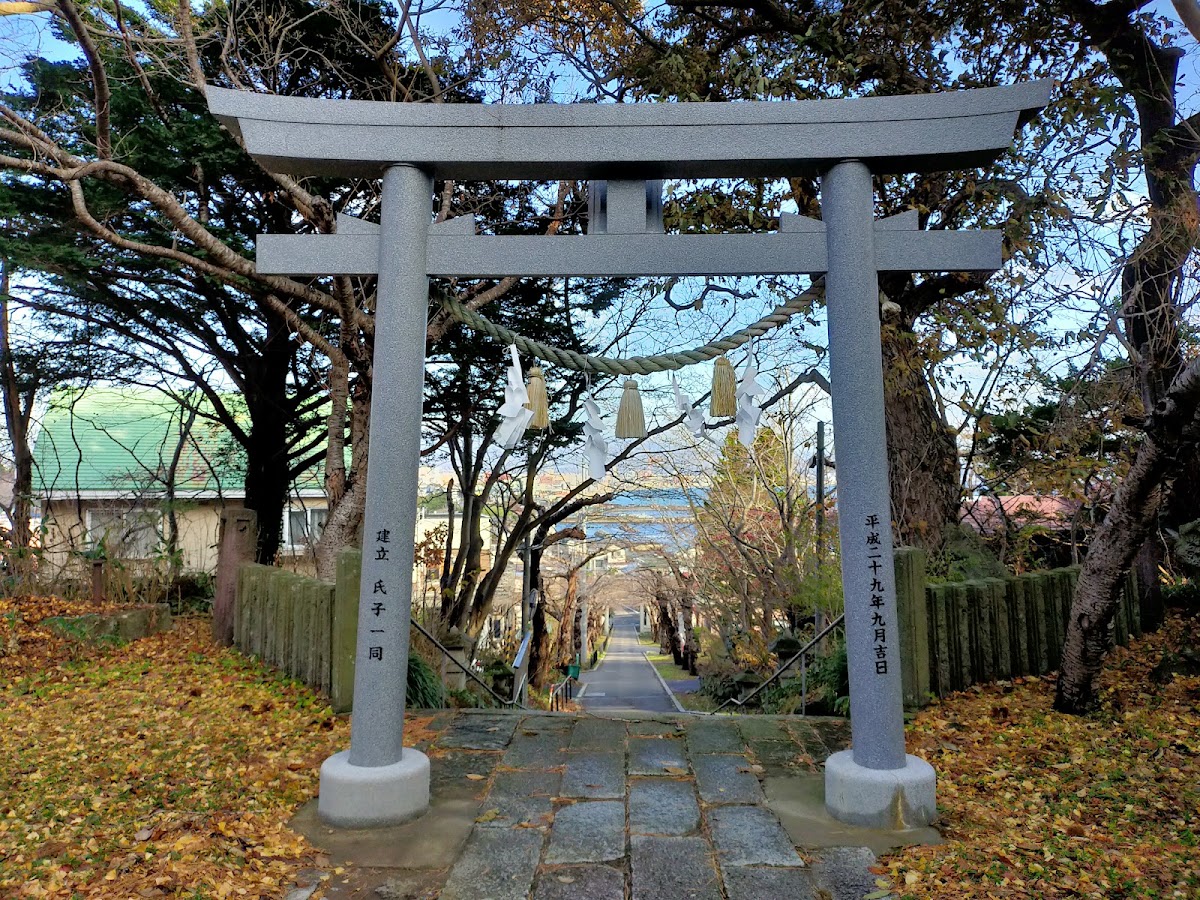
Climbing the stone steps leading from the foot of Yachigashira-cho, you’ll be greeted by a magnificent torii gate. These steps are a symbolic feature of Hakodate Hachimangu Shrine, and at the top, a spectacular view of Hakodate city unfolds. Those confident in their physical strength should definitely try climbing the steps to offer their prayers.
Subsidiary Shrines
Several subsidiary shrines (absent shrines and minor shrines) are enshrined around the main hall. Each enshrines a different deity, offering various blessings.
Water Basin
The water basin, where you purify yourself before praying, also boasts a charming design. Be sure to purify your mind and body with the correct etiquette before praying.
Shrine Office and Reception Area
The shrine office, where you can obtain amulets and Goshuin (stamps), is located in a corner of the shrine grounds. Original Hakodate Hachimangu Shrine amulets and Goshuin notebooks are also available, making them a memorable souvenir.
Scenic Spot
From the shrine grounds, you can see Hakodate city, Hakodate Bay, and on clear days, even the Tsugaru Strait and the Shimokita Peninsula. The view at sunset is particularly beautiful and a popular spot for photography.
Annual Events and Festivals
Hakodate Hachimangu Shrine holds various festivals and events throughout the year.
Main Annual Events
Hatsumode (January 1st-3rd)
Many citizens and tourists visit for Hatsumode to welcome the New Year. The New Year’s Day Festival is held to pray for peace throughout the year.
Setsubun Festival (February 3rd)
Bean-throwing is performed to pray for protection from evil and good fortune. This is a traditional event with many local residents participating.
Spring Grand Festival (April)
A festival celebrating the arrival of spring, where Shinto rituals are performed.
Summer Purification Ceremony (June 30th)
A Shinto ritual to purify oneself of sins and impurities accumulated over the past six months. A ritual of passing through a ring of reeds is performed.
Grand Festival (August 14th-16th)
The most important festival at Hakodate Hachimangu Shrine. A portable shrine procession and dedication ceremonies are held, attracting many worshippers.
Shichi-Go-San Festival (October-November)
A traditional event celebrating children’s growth and praying for their healthy development. This time of year sees many families.
Autumn Grand Festival (October)
A festival offering thanks for the bountiful harvest of autumn.
Year-End Purification Ceremony (December 31st)
This is a Shinto ritual to purify oneself of the sins and impurities of the past year and prepare for the New Year.
Personal Prayers
We accept the following personal prayers throughout the year:
- Prayers for protection against misfortune and evil directions
- Prayers for safe childbirth
- First shrine visit (Omiyamairi)
- Shichi-Go-San (7-5-3) ceremony
- Prayers for passing exams
- Prayers for traffic safety
- Prayers for business prosperity
- Prayers for family safety
- Prayers for recovery from illness
- Groundbreaking ceremony
- Ridgepole raising ceremony
Those wishing to make a prayer are advised to contact the shrine office in advance to make a reservation.
Etiquette and Manners for Visiting a Shrine
When visiting a shrine, it is important to know the correct etiquette.
How to Pass Through a Torii Gate
The torii gate is the entrance to the sacred area. Before passing through the torii gate, bow once and walk, avoiding the center of the path. This is because the center is considered the path of the gods.
Ritual of Washing Hands
- Hold the ladle in your right hand and wash your left hand.
- Switch the ladle to your left hand and wash your right hand.
- Switch the ladle back to your right hand, receive water in your left hand, and rinse your mouth.
- Wash your left hand once more.
- Hold the ladle upright, let water flow over the handle, and return it to its original position.
Ritual of Worship at the Main Hall
The basic ritual is “two bows, two claps, one bow.”
- Gently place your offering in the offering box.
- If there is a bell, ring it.
- Bow deeply twice (two bows).
- Clap your hands twice at chest height (two claps).
- Make your wish while keeping your hands together.
- Finally, bow deeply once (one bow).
Manners for Visiting the Shrine
- Remove hats and sunglasses.
- Avoid speaking loudly or making noise.
- Take photographs only in designated areas.
- Refrain from bringing pets to the shrine, or check beforehand.
- Take your trash with you.
Amulets and Goshuin (Shrine Seals)
Amulets
Hakodate Hachimangu Shrine offers various types of amulets.
- Victory Charm: A charm for success in all kinds of competitions.
- Traffic Safety Charm: A charm for the safety of cars and bicycles.
- Academic Success Charm: A charm for passing exams and improving academic performance.
- Exorcism Charm: A charm to ward off misfortune during unlucky years.
- Safe Childbirth Charm: A charm for a safe delivery.
- Health Charm: A charm for recovery from illness and maintaining good health.
- Matchmaking Charm: A charm for finding a good partner.
- Business Prosperity Charm: A charm for business success.
Charms are sacred objects imbued with the power of the gods, so please treat them with care. Generally, it is customary to replace them with new ones every year and return old charms to the shrine.
Goshuin (Shrine Seal)
At Hakodate Hachimangu Shrine, you can receive a Goshuin as proof of your visit. You can apply for a Goshuin during the shrine office’s reception hours.
You can bring your own Goshuincho (stamp book) or purchase one on the spot. Hakodate Hachimangu Shrine offers original design goshuincho (stamp books), making them a great souvenir of your Hakodate trip.
Notes on receiving a goshuin (stamp):
- It is considered good manners to receive the stamp after your visit.
- Don’t forget to bring your goshuincho.
- Prepare a donation (approximately 300-500 yen).
- Check the reception hours.
Access
Location
Address: 2-5 Yachigashira-cho, Hakodate City, Hokkaido
Access by Tram
Using the Hakodate Tram is the most convenient option.
- Get off at the “Yachigashira” tram stop and walk for about 5 minutes.
- Approximately 20 minutes by tram from Hakodate Station, fare 230 yen (as of 2024).
The tram is a major mode of transportation for sightseeing in Hakodate. A one-day pass (600 yen) makes traveling to other tourist spots more economical.
Access by Bus
Hakodate buses are also available.
- Get off at the “Yachigashira” bus stop on the Hakodate Bus, then walk for about 3 minutes.
Access by Car
From Hakodate Station
- Approximately 15 minutes (approx. 4 km)
- Via National Route 278
From Hakodate Airport
- Approximately 25 minutes (approx. 10 km)
Parking
There is a parking lot for visitors on the temple grounds (free of charge). However, parking may not be available during busy periods such as New Year’s Day or the annual festival, so we recommend using public transportation.
Access on Foot
From Hakodateyama Ropeway Base Station
- Approximately 10 minutes on foot
From Yachigashira Onsen
- Approximately 3 minutes on foot
This location is convenient for combining a visit with sightseeing on Mount Hakodate or a hot spring bath.
Visiting Hours / Shrine Office Hours
Visiting Hours
Entry to the temple grounds is generally free, but it is considered good manners to refrain from visiting at night.
Recommended Visiting Hours: Approximately 8:00 AM to 5:00 PM
Shrine Office Reception Hours
The reception hours for receiving amulets, Goshuin (shrine stamps), and prayers are as follows:
Weekdays, Saturdays, Sundays, and Holidays: Approximately 9:00 AM to 4:30 PM
*Hours may change during the New Year holidays and the annual festival period.
*Those wishing to receive prayers are advised to confirm and make a reservation by phone in advance.
Nearby Tourist Attractions
There are many tourist attractions around Hakodate Hachimangu Shrine.
Hakodateyama Ropeway and Hakodateyama Observatory
The Hakodateyama Ropeway, located about a 10-minute walk from Hakodate Hachimangu Shrine, takes you to the summit at an altitude of 334m. You can enjoy the night view of Hakodate, considered one of the world’s three greatest night views. The daytime view is also wonderful, making it a spot you can enjoy all day long.
Yachigashira Onsen
A public bath located about a 3-minute walk from Hakodate Hachimangu Shrine. You can soothe your fatigue after visiting the shrine in a natural hot spring with free-flowing spring water. This hot spring facility is loved by locals and is also popular with tourists.
Hekiketsu Monument
This is a memorial monument commemorating the soldiers of the former shogunate army who died in the Hakodate War. It’s within walking distance of Hakodate Hachimangu Shrine and recommended for those interested in history.
Tachimachi Cape
Located at the southeastern tip of Mount Hakodate, this cape offers a spectacular view of the Tsugaru Strait. It’s about a 15-minute walk from Hakodate Hachimangu Shrine.
Motomachi Area
Located about 10 minutes by tram from Hakodate Hachimangu Shrine, the Motomachi area boasts numerous historical buildings, including the Old Hakodate Public Hall, Hakodate Orthodox Church, and Catholic Motomachi Church.
Bay Area
This is the heart of Hakodate tourism, home to the Kanemori Red Brick Warehouses and Hakodate Morning Market. It’s about a 15-minute tram ride from Hakodate Hachimangu Shrine.
Points to Note When Visiting Hakodate Hachimangu Shrine
Recommended Time to Visit
Spring (April-May)
Cherry blossoms bloom, beautifully coloring the shrine grounds. Hakodate’s cherry blossoms bloom later than those on Honshu, with the best time to see them around Golden Week.
Summer (June-August)
The shrine is especially lively during the annual festival (mid-August). It’s ideal to visit in conjunction with summer sightseeing in Hakodate.
Autumn (September-November)
The autumn leaves are beautiful, and it’s also the time for Shichi-Go-San (a traditional Japanese rite of passage for children). The pleasant weather makes it perfect for sightseeing.
Winter (December-March)
The shrine also has a charming atmosphere amidst a snowy landscape. It’s a good place to visit for New Year’s prayers or as part of winter sightseeing in Hakodate. However, be careful as the ground can be slippery.
Clothing and Items to Bring
- Comfortable Clothing: Since you may need to climb stone steps, comfortable shoes and clothing are recommended.
- Warm Clothing: Winters are very cold, so warm clothing is necessary.
- Sun Protection: Summers are sunny, so bring a hat and sunscreen.
- Rain Gear: The weather can change quickly, so a folding umbrella is recommended.
Estimated Time Required
If you are only visiting the shrine, allow about 30 minutes. If you want to explore the grounds at a leisurely pace, allow about an hour. If you plan to visit other nearby tourist spots as well, it is recommended to allocate about half a day.
Summary
Hakodate Hachimangu Shrine is a historic shrine with over 800 years of history and is a must-visit spot when sightseeing in Hakodate. It is loved by both locals and tourists for its various blessings, including good fortune in competitions, protection from evil, and traffic safety.
Located at the foot of Mount Hakodate, it can be easily combined with other tourist attractions such as the Mount Hakodate Observatory, Yachigashira Onsen, and the Motomachi area. Its convenient location, just a 5-minute walk from the Yachigashira tram stop, is another attractive feature.
When visiting the shrine, please observe proper etiquette and manners, and offer your prayers with sincerity. Receiving a Goshuin (shrine stamp) or amulet will make a wonderful memento of your Hakodate trip.
When visiting Hakodate, we highly recommend visiting Hakodate Hachimangu Shrine and experiencing its history and traditions in a peaceful and serene atmosphere. It is sure to be a memorable experience.