Morooka Kumano Shrine Complete Guide | History, Benefits, and Access Information for Kanto’s Foremost Sacred Site
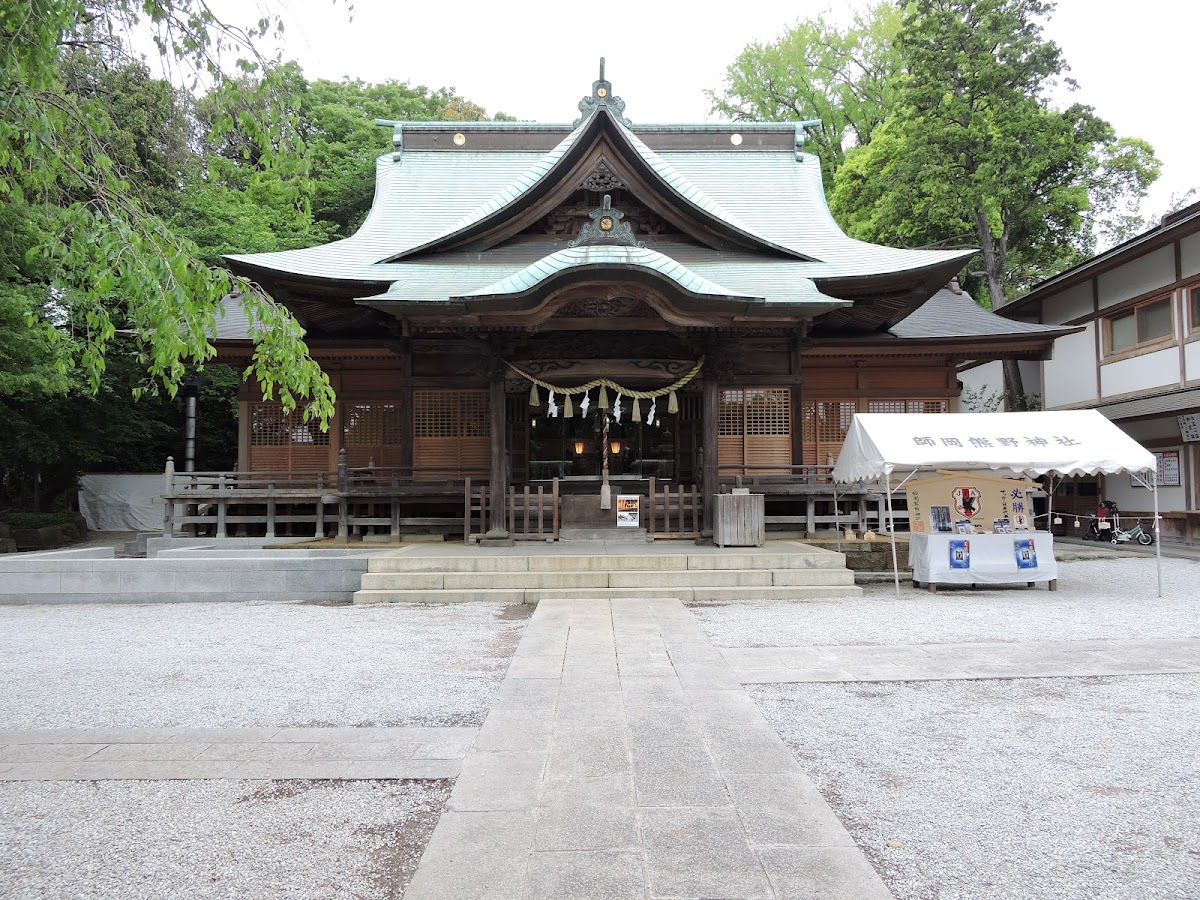
Morooka Kumano Shrine, located in Morooka-cho, Kohoku-ku, Yokohama City, is an ancient shrine boasting a history of nearly 1300 years. Revered by the Imperial Court as “Kanto’s Foremost Sacred Site,” it continues to attract many worshippers as the guardian shrine of northern Yokohama. This article provides a detailed explanation of Morooka Kumano Shrine’s history, enshrined deities, benefits, annual events, relationship with the Yatagarasu (three-legged crow), and visiting information.
What is Morooka Kumano Shrine?
Morooka Kumano Shrine is a shrine located at 1137 Morooka-cho, Kohoku-ku, Yokohama City, Kanagawa Prefecture. Its former shrine rank was Gosha (village shrine). With a vast precinct of approximately 16,000 square meters, it has functioned as an important center of Kumano worship in the Kanto region.
This shrine is considered to be one with the deities of the Kumano Sanzan (Kumano Hongu Taisha, Kumano Hayatama Taisha, and Kumano Nachi Taisha) in Wakayama Prefecture, and played a central role in the spread of Kumano faith to the Kanto region. Even today, it is revered as the guardian shrine of the northern Yokohama area, attracting widespread devotion from local residents and others.
Location and Basic Information
- Location: 1137 Morooka-cho, Kohoku-ku, Yokohama City, Kanagawa Prefecture 222-0002
- Phone: 045-531-0150 (Reception hours: 8:30-17:00)
- Former Shrine Rank: Gosha (Village Shrine)
- Shrine Grounds Area: Approximately 16,000 square meters
History and Origin of Morooka Kumano Shrine
Founding and Zenju Sennin
The founding of Morooka Kumano Shrine dates back to the first year of the Jinki era (724 AD), during the reign of Emperor Shomu. It is said to have been opened on the mountainside of Kumano Mountain by Zenju Sennin, making it an ancient shrine dating back to the early Nara period.
Zenju Sennin is considered an important figure who spread Kumano faith throughout the Kanto region. He invited the spirits of the Kumano Sanzan (Three Grand Shrines of Kumano) to this location, establishing it as a highly sacred shrine. From its founding, it has been known as a “Great Place of Miraculous Power” and has attracted many worshippers.
Reverence from the Imperial Court and the Imperial Plaque designating it as “The Foremost Place of Miraculous Power in the Kanto Region”
A noteworthy aspect of the history of Morooka Kumano Shrine is the deep reverence it received from the Imperial Court. In July of the first year of the Ninna era (885), Lord Fujiwara no Arifusa, the Middle Counselor of Rokujo, was sent to the area as an imperial envoy of Emperor Koko and bestowed upon the shrine an imperial plaque designating it as “Kumano Shrine, the Foremost Place of Miraculous Power in the Kanto Region.”
This plaque signifies that Morooka Kumano Shrine was recognized by the Imperial Court as the most miraculous shrine in the Kanto region. This honor further enhanced the shrine’s status and the faith it commanded.
Designated as an Imperial Prayer Site by Successive Emperors
From Emperor Koko onward, the shrine was designated as an imperial prayer site by successive emperors of the Heian period, including Emperor Uda, Emperor Daigo, Emperor Suzaku, and Emperor Murakami. A Chokugansho is a shrine or temple specially designated by the Emperor to pray for the peace and prosperity of the nation and the imperial family.
During this period, Morooka Kumano Shrine had seventeen priestly monasteries attached to it, and it flourished greatly as a form of syncretism of Shinto and Buddhism. Records show that many monks served at the shrine, and that rituals and religious ceremonies were held on a grand scale.
Changes from the Medieval to the Early Modern Period
The shrine’s history, written by Zuikai in 1364 (Jōji 3), provides a detailed description of the shrine at that time. Besides describing it as “the greatest place of spiritual power in the Kanto region,” it also mentions the Tsutsugayu ritual, which continues to this day, and records that sumo wrestling was held as an offering, making it a very lively event.
During the Edo period, it became the guardian shrine of Morooka Village (Old Morooka Village and New Morooka Village), and the center of faith for the local people. Following the Meiji-era separation of Shinto and Buddhism, it was formalized as a shrine and ranked as a local shrine.
Deities and Divine Blessings
Main Deities
The deities enshrined at Morooka Kumano Shrine are the same three gods as those of the Kumano Sanzan (Three Grand Shrines of Kumano).
Izanami-no-Mikoto
The goddess of creation in Japanese mythology, the god of giving birth to all things. She is believed to grant blessings for matchmaking, safe childbirth, child-rearing, and family safety.
Kotosaka-no-O-no-Mikoto – Kumano Gongen
As a god who guides matters to resolution, he grants blessings for protection against misfortune, good fortune, and the fulfillment of wishes. He has been especially revered as Kumano Gongen.
Hayatama-no-O-no-Mikoto
As a god who swiftly grants wishes, he is believed to grant blessings for good fortune and the fulfillment of all desires.
Blessings
Morooka Kumano Shrine is known as the “foremost sacred site in the Kanto region” and is believed to offer the following blessings:
- Exorcism and Good Fortune: To ward off evil and bring good fortune.
- Family Safety: For the health and peace of the family.
- Matchmaking: To find a good partner.
- Safe Childbirth and Child Rearing: For safe childbirth and the healthy growth of children.
- Business Prosperity: For the development and prosperity of business.
- Traffic Safety: For safe travel and accident-free journeys.
- Healing from Illness: For recovery from illness.
- Academic Success: For academic improvement and success in examinations.
Yatagarasu and Shrine Emblem
What is Yatagarasu?
The shrine emblem of Morooka Kumano Shrine is the Yatagarasu. In Japanese mythology, the Yatagarasu is known as a three-legged sacred bird that guided Emperor Jimmu from Kumano to Yamato during his eastern expedition.
“Yata” means “large,” and it refers to a sacred bird considered an embodiment of the sun or a messenger of Amaterasu Omikami. As a symbol of Kumano faith, many Kumano shrines, including the Kumano Sanzan, use the Yatagarasu as their crest.
Connection to the Japanese National Football Team
The Yatagarasu is also famous as the emblem of the Japanese national football team. The Japan Football Association adopted the Yatagarasu as its symbol in 1931, with the meaning of “guiding the ball to the goal.”
Because of this connection, Morooka Kumano Shrine offers soccer amulets officially recognized by the Japan Football Association. Many soccer players and fans visit to pray for victory, and especially before tournaments such as the World Cup, many worshippers visit.
Due to its connection with the “three-legged crow” emblem on the chests of the Japanese national football team, it is a special shrine for those involved in soccer.
Annual Rituals and Traditional Ceremonies
Morooka Kumano Shrine holds various rituals throughout the year. ### Major Annual Events
January
- Saitansai (January 1st): A festival celebrating the New Year
- Tsutsugayu Shinto Ritual (January 15th): A traditional Shinto ritual to predict a bountiful harvest
February
- Setsubun Festival: A ritual to ward off evil spirits by scattering beans
- Kinensai: A prayer for a bountiful harvest
June
- Oharai (Summer Purification): A ritual to cleanse oneself of the impurities accumulated over the past six months
July
- Reitaisai (Grand Festival): The most important festival at the shrine
November
- Shichi-Go-San Pilgrimage: A celebration of children’s growth
December
- Oharai (Year-End Purification): A ritual to cleanse oneself of the impurities accumulated over the past year
- Joyasai (New Year’s Eve Festival): A ritual to give thanks for the end of the year
Tsutsugayu Shinto Ritual
The Tsutsugayu Shinto Ritual is a traditional Shinto ritual held annually on January 15th, and is a historical event mentioned in the shrine’s records from the third year of the Jōji era (1364).
Rice is cooked into porridge in bamboo tubes, and the outcome of the porridge is used to predict the year’s harvest and weather. This ritual has been a traditional event for over 600 years and is still performed solemnly today, watched by many worshippers.
Highlights of the Shrine Grounds
Main Shrine and Worship Hall
The main shrine is built in the traditional style of Shinto shrine architecture, creating a solemn atmosphere. The worship hall is where daily prayers and blessings are offered, and is visited by many worshippers.
Subsidiary Shrines
Several subsidiary shrines are enshrined within the grounds of Morooka Kumano Shrine. Each enshrines a different deity, and worshippers seeking various blessings visit them.
Shrine Office
The shrine office handles the distribution of amulets and Goshuin (stamped seals), and accepts requests for prayers. Reception hours are from 8:30 to 17:00.
Amulets and Goshuin
Various Amulets
Morooka Kumano Shrine offers a variety of amulets.
- Soccer Amulet: A Yatagarasu (three-legged crow) design officially recognized by the Japan Football Association.
- Exorcism Amulet: Wards off all kinds of misfortune.
- Traffic Safety Amulet: Protects safety in cars and during travel.
- Academic Success Amulet: For academic improvement and passing exams.
- Safe Childbirth Amulet: For a safe delivery.
- Matchmaking Amulet: For finding a good match.
- Good Fortune Amulet: Opens up good luck.
The soccer amulet, in particular, is very popular due to the shrine’s Yatagarasu crest and its connection to the Japanese national soccer team, and is sought after by many soccer fans and players.
Goshuin (Shrine Seals)
At Morooka Kumano Shrine, in addition to regular goshuin, seasonal limited-edition goshuin are also available. The goshuin are stamped with the words “Kanto’s Foremost Place of Great Sacred Power” and the Yatagarasu (three-legged crow) seal, and are received by many as a memento of their visit.
Goshuin are available during the shrine office’s opening hours (8:30 AM to 5:00 PM).
Visiting and Prayers
Visiting Hours
While the shrine grounds are generally open for worship all day, the shrine office is only open from 8:30 AM to 5:00 PM. Please request amulets, goshuin, and prayers during these hours.
About Prayers
Morooka Kumano Shrine accepts various types of prayers.
- Prayer for protection against misfortune
- Prayer for protection against bad luck
- Prayer for family safety
- Prayer for business prosperity
- Prayer for traffic safety
- Prayer for safe childbirth
- First shrine visit for a newborn
- Shichi-Go-San (7-5-3) ceremony
- Prayer for passing exams
- Prayer for recovery from illness
Those wishing to receive prayers should apply at the shrine office. Reservations are not required, but it can get crowded during major festivals and holidays, so it is recommended to visit with plenty of time to spare.
Etiquette for Worship
The basic etiquette for worshipping at a shrine is as follows:
- Bow before passing through the torii gate.
- Walk along the approach to the shrine, avoiding the center.
- Purify your body and mind at the water basin.
- Bow twice, clap twice, and bow once in front of the main hall.
Access Information
Access by Train
From Okurayama Station on the Tokyu Toyoko Line
- Approximately 8 minutes on foot (approximately 600 meters)
- Exit the station and head towards Morooka-cho. After passing through the residential area, you will arrive at the entrance to the shrine.
From Shin-Yokohama Station on the JR Yokohama Line and Yokohama Municipal Subway Blue Line
- Bus or taxi is convenient.
- Approximately 25 minutes on foot.
Access by Bus
If using Yokohama Municipal Buses, the nearest bus stop varies depending on the route. You can take a bus from Shin-Yokohama Station or Kikuna Station.
Access by Car
From the Kohoku Interchange on the Daisan Keihin Expressway:
- Approximately 10 minutes
From the Daishi Interchange on the Shuto Expressway Yokohane Line:
- Approximately 20 minutes
There is a parking lot for visitors on the temple grounds. However, it may be full during peak times such as the first three days of the New Year and the annual festival, so we recommend using public transportation.
Parking
There is a free parking lot for visitors on the temple grounds. Spaces are limited, so please consider using nearby paid parking lots during peak times.
Nearby Attractions
Okurayama Park
A park within walking distance of Okurayama Station on the Tokyu Toyoko Line, known for its beautiful plum blossoms. In spring, the plum blossoms bloom in abundance, attracting many visitors.
Okurayama Memorial Hall
A cultural facility characterized by its Greek temple-style building, designated as a Yokohama City Tangible Cultural Property. Located within Okurayama Park, it can be visited in conjunction with Morooka Kumano Shrine.
Shin-Yokohama Ramen Museum
Located near Shin-Yokohama Station, this food theme park offers ramen from all over Japan. It’s a great place to visit after a pilgrimage to Morooka Kumano Shrine.
The Charm of Morooka Kumano Shrine
History and Tradition
Founded in 724, Morooka Kumano Shrine boasts a history of nearly 1300 years. Its high status, revered by the Imperial Court as the “foremost sacred site in the Kanto region,” is a major attraction. Its history as a place of prayer for successive emperors speaks to the shrine’s powerful spiritual energy.
Center of Kumano Faith
As a central shrine of Kumano faith in the Kanto region, it has deep ties to the Kumano Sanzan in Wakayama. For those interested in Kumano faith, it can be said to be one of the most important pilgrimage sites in Kanto.
The Holy Site of the Yatagarasu and Soccer
With its Yatagarasu (three-legged crow) crest, and its connection to the Japanese national soccer team, it is also known as a “sacred site for soccer.” It holds special significance for soccer fans.
Abundant Natural Environment
The vast grounds, approximately 16,000 square meters, are surrounded by abundant nature despite being located in an urban area. The quiet and peaceful atmosphere is one of its attractions.
Easy Access
Located just an 8-minute walk from Okurayama Station on the Tokyu Toyoko Line, this shrine is easily accessible from Yokohama and Tokyo. Its easy accessibility is another reason for its popularity.
Points to Note When Visiting
Attire
There are no specific dress code requirements for visiting the shrine, but as it is a sacred place, clean and subdued attire is desirable. If you are receiving a prayer service, more formal attire is recommended.
Photography
Photography is generally permitted on the grounds, but please refrain from taking pictures inside the main hall or during ceremonies. Also, please be considerate of other visitors.
Manners
Shrines are sacred places. Please refrain from making loud noises or eating and drinking. Also, please be careful not to damage the plants or buildings on the grounds.
The Present State of Morooka Kumano Shrine
With a history spanning nearly 1300 years, Morooka Kumano Shrine continues to be a center of faith for the local community and a “place of prayer for Yokohama,” welcoming many worshippers.
While preserving traditional Shinto rituals, the shrine also engages in modern initiatives, such as disseminating information through social media (Instagram, Facebook, etc.). Seasonal events and the shrine’s grounds are shared, allowing people from afar to learn about the shrine’s activities.
As the “foremost sacred site in the Kanto region,” Morooka Kumano Shrine has received prayers from people at various milestones in their lives, including protection from misfortune, good fortune, family safety, matchmaking, and safe childbirth and child-rearing. Its history and tradition will undoubtedly continue to be passed down as a spiritual haven for many people.
Summary
Morooka Kumano Shrine is a representative ancient shrine of Kohoku Ward, Yokohama City, founded in 724. As the “foremost sacred site in the Kanto region,” it was revered by the imperial court and has a history of flourishing as a place of prayer for successive emperors.
This shrine enshrines the same deities as the Kumano Sanzan shrines in Wakayama Prefecture and has played a central role in Kumano faith in the Kanto region. Its Yatagarasu (three-legged crow) crest is also known as the emblem of the Japanese national soccer team, making it a special shrine for soccer fans.
Within its vast grounds of approximately 16,000 square meters, various rituals are held throughout the year, and the Tsutsugayu Shinto ritual, in particular, is a well-known traditional event that has continued for over 600 years. It is believed to offer various blessings, including protection from evil, good fortune, family safety, matchmaking, and safe childbirth and child-rearing, attracting many worshippers.
Its convenient location, just an 8-minute walk from Okurayama Station on the Tokyu Toyoko Line, is also a major draw, making it easily accessible from Yokohama and Tokyo. With 1300 years of history and tradition, Morooka Kumano Shrine continues to be cherished by the local community as “Yokohama’s place of prayer.” Why not visit and experience its history and spiritual power for yourself?