Complete Guide to Sakurayama Hachimangu Shrine | An Ancient Shrine in Hida Takayama with the Legend of the Takayama Festival and Ryomen Sukuna
Located in the heart of Takayama City, Gifu Prefecture, Sakurayama Hachimangu Shrine is a venerable shrine nationally known for its autumn Takayama Festival. With a long history dating back to the reign of Emperor Nintoku, a festival float procession registered as a UNESCO Intangible Cultural Heritage, and a founding legend related to the legendary figure Ryomen Sukuna, this shrine possesses a variety of attractions that draw many worshippers and tourists.
This article comprehensively introduces information you should know before visiting Sakurayama Hachimangu Shrine (correct spelling), including its history, highlights, information on the Takayama Festival Float Museum, goshuin (shrine stamps), and access methods.
History and Origins of Sakurayama Hachimangu Shrine
Ryomen Sukuna and the Founding Legend
The founding of Sakurayama Hachimangu Shrine dates back to the reign of Emperor Nintoku (around 377 AD). According to the *Nihon Shoki* (Chronicles of Japan), a wicked tribe known as Ryomen Sukuna appeared in the mountains of Hida at that time, rebelling against the emperor and threatening the people. To subdue him, Naniwa no Nekotakefurukuma no Mikoto, who received an imperial command to lead the imperial army into Hida, was appointed as the general of the expeditionary force.
Takefurukuma no Mikoto enshrined the spirit of the previous emperor, Emperor Ojin, and prayed for victory in this sacred area of Sakurayama. This is said to be the founding of Sakurayama Hachimangu Shrine. This legend has an important historical background that illustrates the expansion of the imperial court’s influence in the Hida region and its relationship with local powerful families.
Hachiman Shrine Dedicated to Emperor Ōjin
The main deity enshrined at Sakurayama Hachiman Shrine is Emperor Ōjin. Hachiman has been widely worshipped throughout Japan as a god of war and a god of industrial development. The fact that Hachiman worship took root in the mountainous region of Hida Takayama can be seen as a reflection of the faith of people who wished for the peace and prosperity of the region and the development of industry.
During the Edo period, it was revered by the Kanamori clan, the lords of Takayama Castle, and played an important role as the guardian deity of the castle town of Takayama. Even after the Meiji era, it has continued to be a vital part of supporting the cultural identity of Hida Takayama, serving as the local tutelary deity and as the centerpiece of the traditional Takayama Festival.
Autumn Takayama Festival (Hachiman Festival)
What is the Takayama Festival?
The annual festival of Sakurayama Hachiman Shrine is known as the “Autumn Takayama Festival” or “Hachiman Festival.” Together with the annual festival of Hie Shrine in spring (Sannō Festival), it is collectively called the “Takayama Festival” and is designated as a National Important Intangible Folk Cultural Property. Furthermore, in 2016, it was registered as a UNESCO Intangible Cultural Heritage as one of the “Mountain, Float, and Procession Festivals.”
Event Dates and Highlights
The Autumn Takayama Festival is held annually on October 9th and 10th. During this period, 11 magnificent festival floats (designated as important tangible folk cultural properties by the Japanese government) parade through the streets of Takayama.
The main highlights of the festival are as follows:
Float Parade: The spectacular sight of all 11 floats gathered together is breathtaking. These floats, a culmination of the skills of Hida artisans dating back to the Edo period, are works of art that showcase the pinnacle of traditional Japanese craftsmanship, with their intricate carvings, lacquer work, and metalwork.
Karakuri Performance: The performances of the mechanical puppets displayed on floats such as the Hotei float are a valuable cultural heritage that conveys the advanced mechanical technology of the Edo period. The smooth movements of the puppets, manipulated solely by strings, captivate the audience.
Night Festival: The sight of lantern-lit floats parading through the streets of Takayama at night is fantastical, offering a different atmosphere from the daytime.
The Artistry of the Festival Floats
The floats of the Takayama Festival are comprehensive works of art, a culmination of the skills of craftsmen from various fields, including Hida’s temple carpenters, sculptors, lacquerers, and metalworkers. The floats, created from the Edo period to the Meiji period, each possess their own unique design and story.
The carvings on the floats depict Chinese legends, Japanese mythology, and natural scenery, reflecting the high level of cultural sophistication of the time. Furthermore, the lavish decorations, such as lacquerware techniques and the use of gold leaf, demonstrate the economic power and passion for culture of the townspeople at that time.
Takayama Festival Float Museum
Facility Overview
The Takayama Festival Float Museum is located within the grounds of Sakurayama Hachimangu Shrine. This facility permanently displays festival floats actually used in the autumn Takayama Festival, allowing visitors to admire these valuable floats up close even outside of the festival period.
The exhibits are changed three times a year (March, July, and November), with a total of four floats on permanent display. This ensures that visitors can see different floats each time they visit.
Points to Note
A major attraction of the float hall is the opportunity to observe the floats in detail up close. You can carefully appreciate the carvings, metalwork, and the beauty of the lacquer work, which can only be seen from a distance on festival day.
In addition, demonstrations of mechanical puppets are held regularly, allowing visitors to experience the ingenuity of Edo-period mechanical technology. Audio guides and explanatory panels are also available, allowing visitors to learn in depth about the history and manufacturing techniques of the floats.
Visitor Information
Opening Hours: Usually 9:00 AM – 5:00 PM (may vary depending on the season)
Admission Fee: Approximately 1,000 yen for adults (combined ticket with Sakurayama Nikkokan available)
Closed Days: Irregular (please check the official website)
The Takayama Festival Float Museum is a major tourist spot in Takayama, attracting many visitors from both Japan and abroad. It is particularly popular with foreign tourists as a valuable facility where they can experience traditional Japanese culture.
Highlights of the Shrine Grounds
Main Hall and Worship Hall
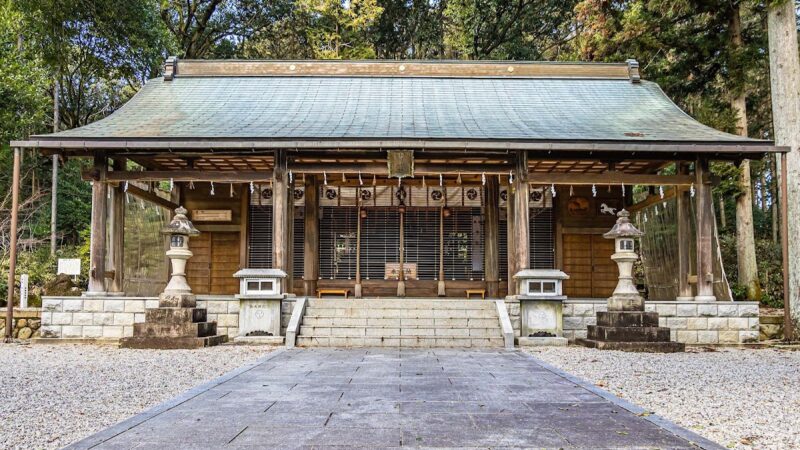
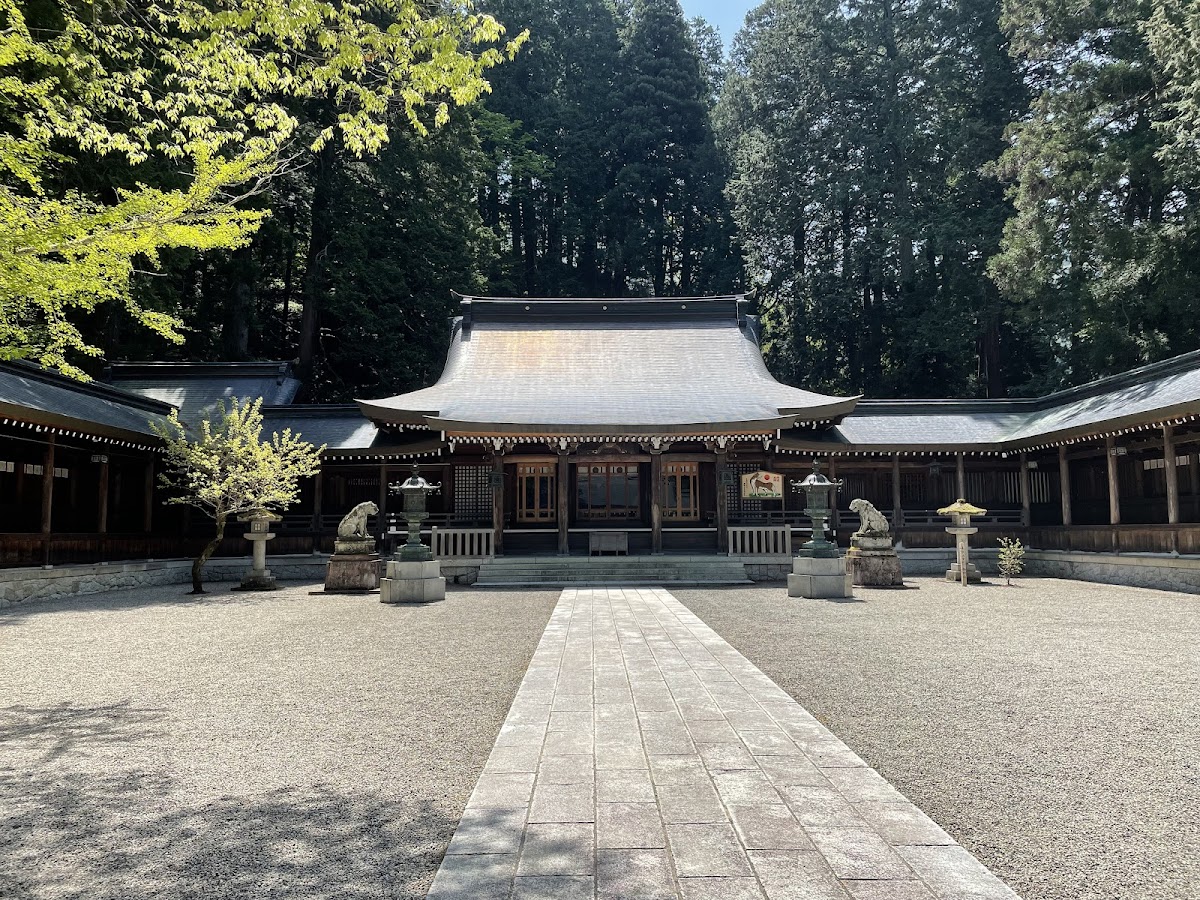
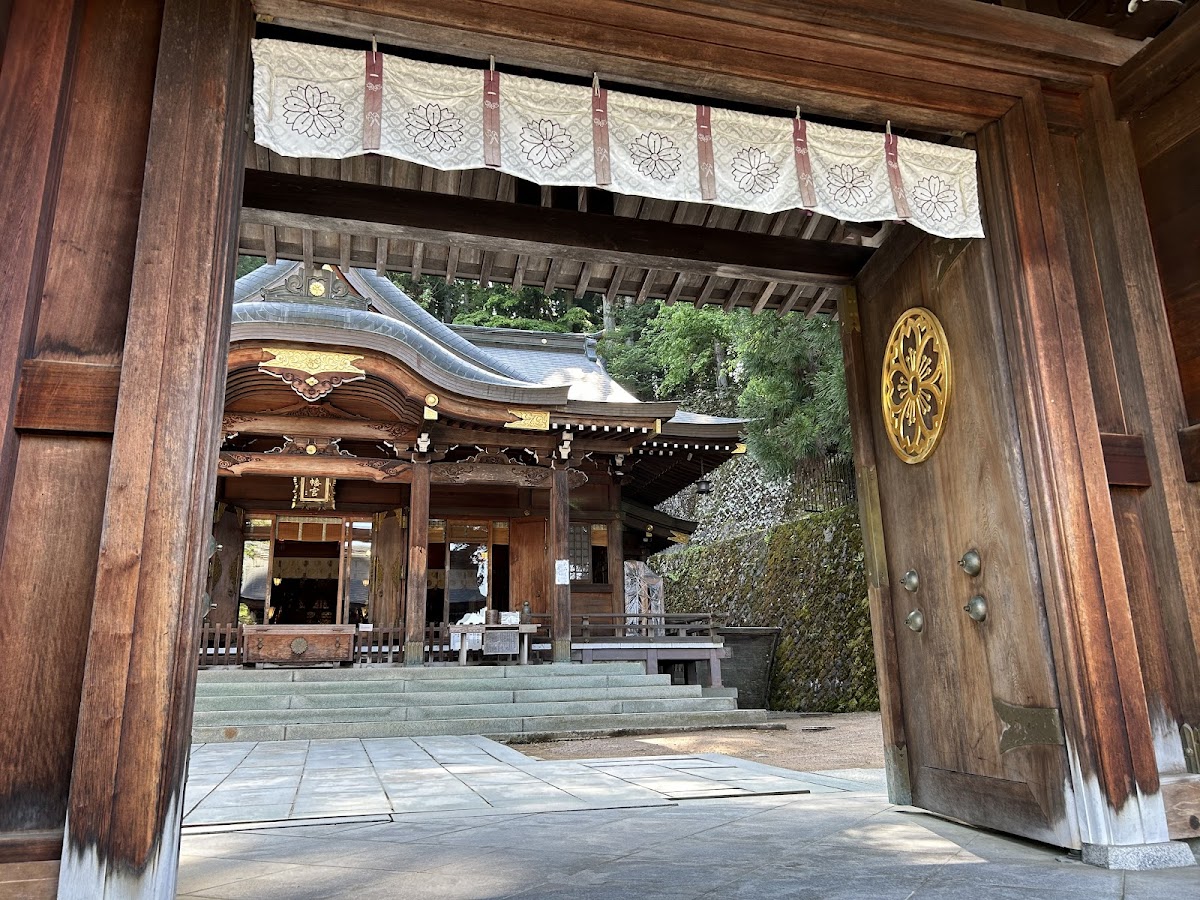
The shrine buildings of Sakurayama Hachimangu Shrine are a culmination of the skills of Hida’s master carpenters. The main hall is built in the Nagare-zukuri style, characterized by the beautiful curves of its roof. The worship hall has a solemn presence welcoming worshippers and clearly represents the characteristics of Hida Takayama shrine architecture.
Subsidiary Shrines
Several subsidiary shrines are enshrined within the grounds of Sakurayama Hachimangu Shrine. Each shrine has a different divine virtue, fulfilling the diverse wishes of worshippers.
The main shrines within the grounds include an Inari shrine for praying for business prosperity and family safety, and a Tenmangu shrine dedicated to the god of learning. Many worshippers visit these shrines in addition to the main shrine.
Assembly Hall
The Assembly Hall is a facility used for prayers, Shinto wedding ceremonies, and various events. Built in the traditional architectural style of Hida Takayama, it provides a dignified atmosphere for celebrating life’s milestones.
Prayers for various life rituals, such as first shrine visits for newborns, Shichi-Go-San (a traditional rite of passage for children), exorcism, and prayers for safe childbirth, are performed here, making it a center of faith for the local people. Shinto wedding ceremonies are also held here, making it a venue for traditional Japanese weddings.
Goshuin (Shrine Seal) Information
Regular Goshuin
At Sakurayama Hachimangu Shrine, you can receive a regular goshuin. Characterized by its powerful ink calligraphy and vermilion seal, the goshuin (temple/shrine stamp) bears the correct kanji characters for “Sakurayama Hachimangu.” The offering fee is usually around 300 to 500 yen.
Limited Edition Goshuin
Sakurayama Hachimangu also offers limited edition goshuin that are tailored to the seasons and festivals. Especially during the Takayama Festival, special goshuin are sometimes available, making them popular among goshuin collectors.
Furthermore, special goshuin related to Ryomen Sukuna are sometimes distributed, featuring designs that evoke the legends of the Hida region and the history of the shrine.
Goshuin Reception Hours
Goshuin are available at the shrine office. Reception hours are usually from 9:00 to 17:00, but may change depending on festivals and events. During busy periods such as the Takayama Festival, there may be waiting times, so it is recommended to visit with plenty of time to spare.
Annual Events and Festivals
Main Annual Events
At Sakurayama Hachimangu Shrine, various annual events are held in addition to the Takayama Festival in autumn.
January: New Year’s Day Festival, First Shrine Visit of the Year
February: Setsubun Festival
Spring: Spring Annual Festival
July: Summer Purification Ceremony
October 9th & 10th: Autumn Annual Festival (Takayama Festival)
December: Great Purification Ceremony
These events are Shinto rituals performed to mark the turning points of each season and are deeply rooted in the lives of the local people.
Prayers and Supplications
Sakurayama Hachimangu Shrine accepts various prayers and supplications from individuals and groups.
- Prayer for Safe Childbirth: A traditional prayer performed on the Day of the Dog in the fifth month of pregnancy.
- First Shrine Visit: Reporting the birth of the baby to the gods and praying for healthy growth.
- Shichi-Go-San: Celebrating the child’s growth and praying for future health.
- Exorcism: Warding off misfortune during the unlucky year and praying for peace.
- Family Safety and Business Prosperity: Praying for the prosperity of family and business.
- Traffic Safety: Blessing of the car, etc.
Prayers may require reservations, so it is recommended to inquire with the shrine office in advance.
Access Methods
Access by Train
Approximately a 20-minute walk from JR Takayama Line “Takayama Station”. You can enjoy a stroll through the old townscape of Takayama city, making it a convenient access option for sightseeing.
Alternatively, you can take a bus from Takayama Station. Get off at “Sakurayama Hachimangu-mae” on the Machinami Bus (Sarubobo Bus). Buses run every 10-15 minutes, and the journey takes approximately 10 minutes.
Access by Car
From Tokyo: Approximately 4 hours and 30 minutes via the Chuo Expressway
From Nagoya: Approximately 10 minutes from the Takayama Interchange on the Tokai-Hokuriku Expressway
From Toyama: Approximately 30 minutes via the Hida-Kiyomi Interchange on the Tokai-Hokuriku Expressway
Parking
Sakurayama Hachimangu Shrine has a parking lot for visitors, but spaces are limited. During the Takayama Festival, surrounding roads are subject to traffic restrictions, and the parking lot becomes extremely crowded, so using public transportation is recommended.
Even during normal periods, it can get crowded during tourist seasons (spring and autumn), so visiting earlier in the day is recommended. There are also several paid parking lots in the surrounding area.
Nearby Tourist Attractions
Old Townscape of Takayama City
Within walking distance of Sakurayama Hachimangu Shrine is the “Old Townscape,” which retains the atmosphere of the Edo period. The street lined with traditional townhouses featuring latticed windows is designated as a National Important Preservation District for Groups of Traditional Buildings and is one of the highlights of sightseeing in Hida Takayama.
Takayama Jinya
The Takayama Jinya, which was used as a magistrate’s office by the Edo Shogunate, is designated as a National Historic Site as the only remaining magistrate’s office building. It is about a 15-minute walk from Sakurayama Hachimangu Shrine, and visiting both together will give you a deeper understanding of Hida Takayama’s history.
Hie Shrine
Hie Shrine, where the spring Takayama Festival (Sanno Festival) is held, is another must-see spot for Takayama sightseeing. Many tourists visit both Sakurayama Hachimangu Shrine and Hie Shrine together, and visiting both shrines will give you a comprehensive understanding of the Takayama Festival.
Manners and Points for Visiting Shrines
Etiquette for Visiting Shrines
The basic etiquette for visiting shrines is as follows:
- Bow before passing through the torii gate.
- Purify yourself at the water basin: Purify your left hand, right hand, and mouth in that order, and finally purify the handle of the ladle.
- Walk along the edge of the path: The center is considered the path of the gods.
- In front of the main hall: Place your offering, bow twice, clap twice, and bow once.
Photography
Photography is generally permitted within the shrine grounds, but there are areas where photography is restricted, such as inside the assembly hall during prayers. Please also be considerate of other worshippers. Flash photography may be prohibited inside the Takayama Festival Float Museum.
Attire
For regular visits, no special attire is required, but if you are receiving a prayer, somewhat formal attire is desirable. Takayama is at a high altitude, and temperature fluctuations can be significant depending on the season, so we recommend preparing appropriate clothing for the season.
Cultural Properties of Sakurayama Hachimangu Shrine
Nationally Designated Important Tangible Folk Cultural Property
The 11 festival floats used in the Autumn Takayama Festival are designated as Nationally Designated Important Tangible Folk Cultural Properties. These were created from the Edo period to the Meiji period and are valuable cultural properties that demonstrate the skills of Hida craftsmen and the cultural maturity of the townspeople.
Each float has a name and is adorned with unique decorations and designs.
Nationally Designated Important Intangible Folk Cultural Property
The festival events of the Autumn Takayama Festival (Hachiman Festival) themselves are also designated as Nationally Designated Important Intangible Folk Cultural Properties. The traditional festival forms, including the pulling of the floats, the dedication of mechanical puppets, and the progress of the festival, which have been passed down for many years, are highly regarded.
UNESCO Intangible Cultural Heritage
In 2016, the float procession of the Takayama Festival was registered as a UNESCO Intangible Cultural Heritage as part of the “Mountain, Float, and Festival Events.” This is a unified registration of 33 festivals from all over Japan, recognizing the international value of Japanese festival culture.
Summary
Sakurayama Hachimangu Shrine is a venerable shrine with a history of over 1600 years, and as the stage for the Takayama Festival, one of Japan’s most representative autumn festivals, it plays a central role in the culture of Hida Takayama. The founding story, beginning with the legend of Ryomen Sukuna, the festival floats showcasing the skills of Hida craftsmen, and the traditional events nurtured by the faith of the local people, deeply move visitors.
At the Takayama Festival Float Museum, you can admire the festival floats throughout the year, allowing you to experience Hida Takayama’s culture even outside of the festival season. With a wide range of services including Goshuin (shrine stamps) and various prayers, it is a popular place for both sightseeing and religious worship.
When visiting Hida Takayama, be sure to visit Sakurayama Hachimangu Shrine and experience Japanese traditional culture and local history. By combining a visit to the old town with other tourist attractions, you can enjoy a more fulfilling Takayama sightseeing experience.