Complete Guide to Karita-mine Shrine | History and Access Information for the Inner Shrine, Village Shrine, and Shiratori Daimyojin
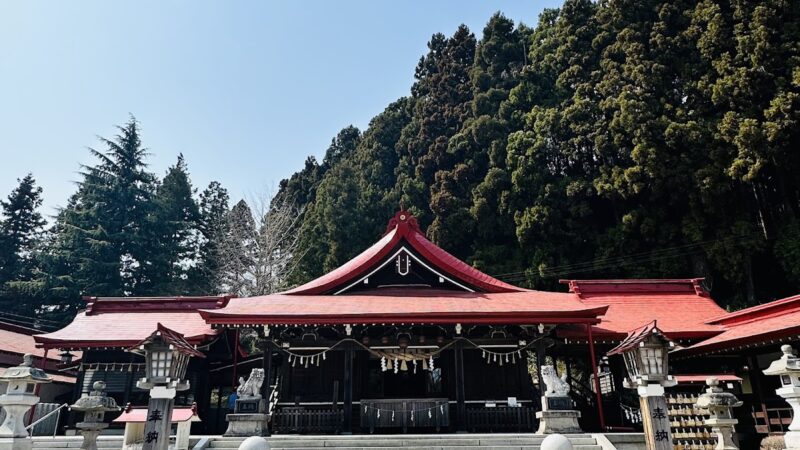
Located in Zao Town, Miyagi Prefecture, Karita-mine Shrine is a special shrine with three main shrine buildings: the inner shrine at the summit of Mount Zao, the village shrine in Togatta Onsen, and the Engishiki-listed shrine in the Miya district. It has long been revered as a center of Zao worship and continues to attract many visitors today. This article provides a detailed explanation of Karita-mine Shrine’s history, the characteristics of each shrine building, how to worship, and access information.
What is Karita-mine Shrine?
Katta-mine Shrine is a shrine with three main shrine buildings located in Zao Town, Katta District, Miyagi Prefecture. The inner shrine is located at the summit of Mount Katta, the highest peak of the Zao mountain range, the village shrine is in the Togatta Onsen area, and the main shrine, an Engishiki-listed shrine, is in the Miya district.
Deities and Beliefs
The deities enshrined at Karita-mine Shrine vary depending on the shrine building.
Deities enshrined at the inner and outer shrines:
- Amanomikumari-no-kami
- Kuninomikumari-no-kami
These water deities have been worshipped since ancient times as gods who control water. “Mikumari” is a variation of “mizu-wawari” (water distribution), and they are revered as gods who bestow the blessing of water, essential for agriculture.
Deities enshrined at the main shrine in the Miya district (Shiratori Daimyojin):
- Yamato Takeru-no-mikoto
The Karita-mine Shrine in the Miya district enshrines Yamato Takeru-no-mikoto and is also known as Shiratori Daimyojin. This stems from the legend that after his death, Yamato Takeru-no-mikoto transformed into a white swan and ascended to heaven. In the region, a belief in white swans as messengers of the gods is deeply rooted.
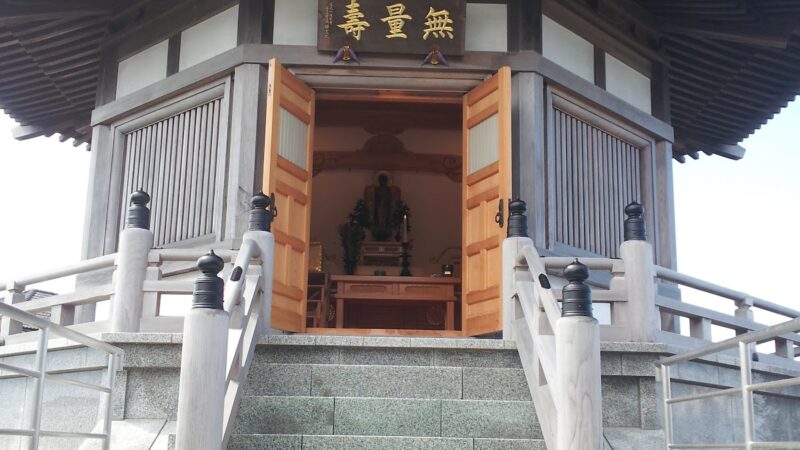
Karita-mine Shrine Inner Sanctuary | Sacred Site on the Summit of Mount Zao
History and Origins of the Inner Sanctuary
Once, the Zao Daigongen Shrine, the foundation of Zao worship, stood on the summit of Mount Zao. During the late Edo period, pilgrimages to Zao became popular, with worshipping Zao Daigongen being the primary purpose.
In the early Meiji era, following the separation of Shinto and Buddhism, it merged with Takenobo and was renamed Mikumari Shrine. Later, it was renamed Zao Karita-mine Shrine Inner Sanctuary, and remains so to this day. This historical transformation is an important example illustrating the changes in Japan’s religious policy.
Highlights of the Inner Sanctuary
From the Inner Sanctuary, located on the summit of Mount Karita (1,758m above sea level), you can enjoy a close-up view of Okama (a crater lake), a symbol of Zao. The mystical scenery of Okama, shimmering in emerald green, continues to captivate visitors.
On clear days, you can enjoy panoramic views of Sendai and sometimes even see the Pacific Ocean. The spectacular scenery from the summit, along with the pilgrimage itself, is a highlight of Zao sightseeing.
Opening Period of the Inner Shrine
Due to snow cover in winter, the Inner Shrine is not accessible year-round. Typically, it is open from early May to late October. Outside of this period, the sacred object is moved to the lower shrine.
During the opening period, the Zao Echo Line and Zao High Line are open, allowing access by car. However, road closures may occur due to weather conditions, so it is recommended to check road information in advance.
Access to the Inner Shrine
Access by Car
- Approximately 50 minutes from Murata IC on the Tohoku Expressway
- Approximately 60 minutes from Shiroishi IC on the Tohoku Expressway
- Via Zao Echo Line, use Zao Highline (toll road)
Parking
- Parking available at the summit of Mt. Katta (free)
- Zao Highline toll: 550 yen for regular cars (as of 2024)
Notes
- The summit is at a high altitude and the temperature is low, so warm clothing is necessary.
- Be aware of sudden changes in weather.
- Be careful as visibility deteriorates drastically during dense fog.
Katta-mine Shrine (Lower Shrine) | Guardian Deity of Togatta Onsen
Role and History of the Lower Shrine
The lower shrine, located in the Togatta Onsen town, functions as the lower shrine of the inner shrine at the summit of Mt. Zao. Since the sacred object of the inner shrine is moved here during the winter, it is possible to visit throughout the year.
In 1872 (Meiji 5), it was renamed Mizuwake Shrine, and in 1875 (Meiji 8), it became known as Karita-mine Shrine. Since then, it has been cherished by the local people and is also known as a place of worship for tourists visiting Togatta Onsen.
Basic Information on the Lower Shrine
Location
1 Togatta Nakamachi, Togatta Onsen, Zao-machi, Katta-gun, Miyagi Prefecture
Deities Enshrined
- Amenomizuwake-no-kami
- Kunino-mizuwake-no-kami
Annual Festival Date
May 5th
Contact
0224-34-2620
Transfer of the Sacred Object
The sacred object is transferred between the inner shrine and the lower shrine according to the season.
- Mountain Ceremony (Opening Festival): In early May, the sacred object is transferred from the lower shrine to the inner shrine.
- Mountain Descent Ceremony: Around the end of the autumnal equinox in September, the sacred object is transferred from the inner shrine to the lower shrine.
This ritual preserves the traditions of the region, which has coexisted with the harsh natural environment of Zao. ### Access to Satomiya Shrine
Access by Car
- Approximately 30 minutes from Murata IC on the Tohoku Expressway
- Approximately 30 minutes from Shiroishi IC on the Tohoku Expressway
- Located within the Togatta Onsen hot spring resort area
Public Transportation
- Approximately 50 minutes by bus from Shiroishi Station on the JR Tohoku Main Line
- Approximately 5 minutes on foot from the Togatta Onsen bus stop
Parking
- Parking spaces available around the shrine
- Public parking lots in the Togatta Onsen hot spring resort area are also available
Karita-mine Shrine (Shiratori Daimyojin) | Status of an Engishiki-listed Shrine
History as an Engishiki-listed Shrine
Karita-mine Shrine, located in the Miya district, has a long history as an Engishiki-listed shrine. An Engishiki-listed shrine is a shrine listed in the Engishiki Jinmyocho, compiled in the mid-Heian period, and is proof of a historically significant shrine recognized by the imperial court.
This renowned shrine has long been revered as the guardian shrine of Katta County and has played a vital role as a spiritual pillar of the region.
Center of Swan Worship
In the Miya district where the shrine is located, the custom of worshipping swans as messengers of the gods is passed down through generations. Based on the legend that Yamato Takeru ascended to heaven as a swan after his death, this shrine is also known as “Shiratori Daimyojin” (White Swan Great Deity).
Swan worship is a unique form of belief in this region and is deeply connected to the natural environment of the area, where swans migrate every winter.
The Tradition of Akatsuki Mairi (Dawn Pilgrimage)
The “Akatsuki Mairi” (Dawn Pilgrimage), held annually on January 14th, is an important religious ceremony at Katta-mine Shrine (Shiratori Daimyojin).
Contents of the Dawn Pilgrimage
- Men in their unlucky year (age 42 by traditional Japanese age counting) carry a 100-kan (approximately 100 kg) sacred rope.
- After parading through the town, the rope is offered to the sacred tree in the shrine grounds.
- The sacred tree is a pair of cedar trees said to be 500 years old.
- Offering of Kagura (sacred dance and music).
- Dontosai (a traditional festival).
This traditional event is an important opportunity to strengthen community bonds and pray for protection from evil and a bountiful harvest.
Basic Information on the Miya District Headquarters
Location
1 Baba, Miya, Zaō-machi, Katta-gun, Miyagi Prefecture
Deity Enshrined
Yamato Takeru
Annual Festival Date
Akatsuki Festival: January 14th
Contact Information
0224-32-2615
Access to the Miya District Headquarters
Access by Car
- Approximately 15 minutes from Shiroishi IC on the Tohoku Expressway
- Via National Route 4
Public Transportation
- Approximately 1.5 km north from Higashi-Shiroishi Station on the JR Tohoku Main Line
- Approximately 20 minutes on foot
- Taxis are available
Parking
- Parking space available within the shrine grounds
Zaō Faith and Katta-mine Shrine
History of Zaō Faith
Zaō faith is a mountain worship deeply intertwined with Shugendō (Japanese mountain asceticism). The Zaō mountain range has been revered as a sacred mountain since ancient times and served as a training ground for Shugendō practitioners.
Zaō Daigongen, also known as Kongō Zaō Gongen, is a Buddhist guardian deity said to have been perceived by En no Gyōja. During the era of Shinto-Buddhist syncretism, a unique form of belief was formed, blending Shinto and Buddhism.
Separation of Shinto and Buddhism and Karita-mine Shrine
Following the Meiji Restoration’s decree separating Shinto and Buddhism, the syncretic forms of Shinto and Buddhism were eliminated at shrines throughout Japan. The Zaō Daigongen Shrine on the summit of Mount Zaō was also affected by this policy, changing its name to Mizuwake Shrine and then to Karita-mine Shrine.
This change marked a major turning point in Japanese religious history, and the history of Karita-mine Shrine serves as a valuable witness to it.
Modern Zaō Faith
Even today, Karita-mine Shrine attracts many worshippers. It is popular not only as an object of worship but also as a tourist spot where visitors can enjoy the natural beauty of Zaō.
In particular, the view of the Okama crater lake from the inner shrine offers a special experience where the mystery of nature and faith merge, deeply moving visitors.
Points and Manners for Visiting a Shrine
Etiquette for Visiting a Shrine
Following the basic etiquette for visiting a shrine will make your visit more fulfilling.
Procedure for Visiting a Shrine
- Bow before passing through the torii gate
- Cleanse your hands and mouth at the water basin
- Offer your donation in front of the main hall
- Bow twice, clap twice, and bow once
- After visiting, turn around and bow once as you leave the torii gate
Precautions for Visiting the Inner Shrine
When visiting the inner shrine at the mountaintop, please note the following points.
Clothing and Equipment
- The temperature at the summit is more than 10°C lower than in the lowlands, so warm clothing is essential.
- It is often windy, so a windbreaker is useful.
- Wear comfortable walking shoes.
- The sun is strong, so bring a hat and sunglasses.
Weather Preparedness
- Carry rain gear in case of sudden weather changes.
- Dense fog is common, so avoid taking unnecessary risks when visibility is poor.
- Take shelter in a car or building immediately during a thunderstorm.
Precautions Regarding Altitude Sickness
- Due to the high altitude, do not push yourself if you feel unwell.
- Drink plenty of fluids frequently.
- Practice deep breathing.
Photography Etiquette
Photography is generally permitted on the temple grounds, but please observe the following etiquette.
- Be considerate and avoid disturbing worshippers.
- Refrain from taking photos during religious ceremonies.
- Avoid using tripods during crowded times.
- Remember that this is a sacred place.
Nearby Tourist Attractions
Okama Crater Lake
A crater lake nestled between the three peaks of Mount Karita, Mount Kumano, and Mount Goshiki, it is a symbol of Zao. Its emerald green surface changes color depending on how the sunlight hits it, and it is also known as “Goshikinuma” (Five-Colored Marsh).
Togatta Onsen (Hot Springs)
A hot spring resort with a history of approximately 400 years since its opening, it developed as a temple town for the lower shrine of Karita-mine Shrine. The spring water is sodium-calcium sulfate-chloride spring water, said to be effective for neuralgia and muscle pain.
Zao Echo Line
A mountain scenic road approximately 26 km long connecting Miyagi and Yamagata prefectures. Enjoy different scenery in each season: the fresh green of spring, the blooming alpine plants of summer, and the vibrant autumn foliage.
Zao Dairy Center
This facility allows you to enjoy dairy products made at the foot of Mount Zao. Their cheese selection is particularly extensive and popular as a souvenir.
Seasonal Highlights
Spring (May-June)
- Opening Ceremony of the Inner Shrine
- Contrast between lingering snow and fresh greenery
- Blooming of alpine plants
- Opening of the Echo Line (usually late April)
Summer (July-August)
- Best time to see alpine plants
- Vivid emerald green of the Okama crater lake
- Bustling with summer visitors seeking respite from the heat
- Annual Festival (Satomiya: May 5th)
Autumn (September-October)
- Best time to see autumn leaves (late September-early October)
- Descending Ceremony of the Inner Shrine (around the end of the autumnal equinox in September)
- Autumn foliage drive along the Zao Echo Line
- Spectacular scenery on a clear autumn day
Winter (November-April)
- The Inner Shrine is closed off by snow
- The sacred object is moved to the Satomiya shrine
- Dawn Pilgrimage (January 14th)
- Enjoy a relaxing soak in the hot springs at Togatta Onsen
- View the frost-covered trees (on the Zao Onsen side)
Goshuin (Shrine Seal) of Karita-mine Shrine
Types of Goshuin
At Karita-mine Shrine, you can receive goshuin at each shrine building.
Okumiya
- Available only during the mountain opening season
- At the mountaintop shrine office
- Offering fee: Approximately 300 yen
Satomiya
- Available year-round
- At the shrine office
- Offering fee: Approximately 300 yen
Miya District Main Shrine (Shiratori Daimyojin)
- Available year-round
- At the shrine office
- Offering fee: Approximately 300 yen
Goshuincho (Shrine Seal Book)
Original goshuincho may be available, so please check at the shrine office. Goshuincho designed with Zao’s nature and the shrine’s history make a wonderful memento of your visit.
Frequently Asked Questions
Q1: Can I visit the inner shrine of Karita-mine Shrine in winter?
A1: No, the inner shrine is only accessible during the mountain’s opening season, typically from early May to late October. During winter, the Zao Echo Line and High Line are closed due to snow, making access impossible. During winter, the deity is moved to the lower shrine, so worship is possible there.
Q2: How many Karita-mine Shrines are there?
A2: Karita-mine Shrine has three shrine buildings: the inner shrine at the summit of Mt. Zao, the lower shrine in Togatta Onsen, and the main shrine (Shiratori Daimyojin) in the Miya district. Each has a different enshrined deity and history, and serves as a center of local faith.
Q3: How much does the Zao High Line toll cost to access the inner shrine?
A3: The toll for the Zao High Line is 550 yen for a regular car (as of 2024). However, prices are subject to change, so we recommend checking the official website beforehand.
Q4: Are Okama and the Karita-mine Shrine Inner Sanctuary in the same place?
A4: The Karita-mine Shrine Inner Sanctuary is located on the summit of Mount Karita, overlooking Okama. Okama is a crater lake, and can be viewed from very close to the shrine. It’s an excellent location to visit both at once.
Q5: Can anyone participate in the Akatsuki-mairi?
A5: Akatsuki-mairi is a traditional event held every year on January 14th, and anyone can observe or participate. While the 100-kan shimenawa (sacred rope) is carried by men in their unlucky years, the kagura (sacred dance) performance and the Dontosai festival can be enjoyed by the general public. Since it’s a cold time of year, please dress warmly.
Q6: Can I receive prayers at Karita-mine Shrine?
A6: Yes, you can receive prayers at each shrine building. We recommend making a reservation by phone in advance. Please contact the Satomiya (0224-34-2620) or the Miya District Main Shrine (0224-32-2615).
Q7: Can I bring my pet to the shrine?
A7: Generally, pets are allowed on the shrine grounds, but they must be kept on a leash and consideration must be given to other visitors. However, entry into the main hall is often prohibited, so we recommend checking in advance.
Summary
Karitamine Shrine is a shrine steeped in history and tradition, boasting three main shrine buildings: the Okumiya (inner shrine) at the summit of Mt. Zao, the Satomiya (lower shrine) in Togatta Onsen, and the Engishiki-listed shrine in the Miya district.
From the Okumiya, you can enjoy a spectacular view of the Okama crater lake and the Sendai area. The Satomiya is cherished as the guardian deity of the Togatta Onsen town. The main shrine in the Miya district, known as Shiratori Daimyojin, preserves its status as an Engishiki-listed shrine and the tradition of Shiratori worship.
Having changed its name from Zao Daigongen to Mizuwake Shrine and then to Karita-mine Shrine, this shrine has continued to attract the faith of the local people and is a valuable example of the changing history of Japanese religion.
Visiting Karita-mine Shrine amidst the ever-changing scenery of Zao’s nature will be a special experience that will refresh both your mind and body. When you visit Zao, be sure to visit all three shrines and experience the history and charm of each.