Enkoji Temple Complete Guide: A Famous Autumn Foliage Spot in Kyoto’s Sakyo Ward and its History associated with Tokugawa Ieyasu
Enkoji Temple is a Rinzai Zen Buddhist temple of the Nanzenji school located in Ichijoji Kotani-cho, Sakyo-ku, Kyoto City. Its mountain name is Zuigan-san, and its principal image is the Thousand-Armed Kannon Bodhisattva. It is officially written as “圓光寺”. Founded by Tokugawa Ieyasu, this temple played a significant role in Japanese cultural history and is now one of Kyoto’s premier autumn foliage spots, attracting many visitors.
This article comprehensively introduces all the information you need to know before visiting Enkoji Temple, including its history, highlights within the grounds, access methods, and visiting information.
History of Enkoji Temple
Founded by Tokugawa Ieyasu
The history of Enkoji Temple dates back to Keicho 6 (1601). After unifying Japan, Tokugawa Ieyasu prioritized the promotion of learning and founded Enkoji Temple in Fushimi, Kyoto, as the “Fushimi School.” This was a groundbreaking institution in Japan at the time, serving as a center of learning centered on Confucianism.
Ieyasu invited Kanshitsu Genkitsu of the Ashikaga School to become the first head priest. Lectures on Confucianism were held here, and many scholars gathered as a place of study. During this period, Enkoji Temple was not merely a temple, but also a center of the Edo Shogunate’s educational policies.
Casting of Wooden Type and Publishing Business
A noteworthy aspect of Enkoji Temple’s history is its contribution to publishing culture in Japan. Ieyasu, using copper type brought back from Korea as a reference, commissioned the production of Japan’s first wooden type (Enkoji-type wooden type). Using these wooden movable typefaces, Confucian texts such as “Confucius’ Family Sayings,” “Zhenguan Political Essentials,” and “Three Strategies” were printed, and these were known as the “Fushimi Edition” or “Enkoji Edition.”
These books greatly contributed to the spread of learning in the early Edo period and laid the foundation for Japan’s publishing culture. Currently, some of these wooden movable typefaces are preserved at Enkoji Temple as an Important Cultural Property, representing a valuable legacy in the history of Japanese printing.
Relocation to Ichijoji
In 1667 (Kanbun 7), Enkoji Temple relocated to its current location in Ichijoji, Sakyo-ku, Kyoto City. This relocation shifted the temple’s role from that of a Fushimi school to one of a Zen temple. Ichijoji is an area dotted with many cultural facilities, including Shisendo and Manshuin, and Enkoji Temple also began to forge a new history in this location.
After the relocation, Enkoji Temple, as a temple of the Rinzai sect’s Nanzenji branch, devoted itself to Zen meditation practice and the preservation of Buddhist culture. Throughout the Edo period, many monks and literary figures visited Enkoji Temple, devoting themselves to spiritual practice and creative activities in its tranquil environment.
History since the Meiji Era
After the Meiji Restoration, despite the impact of the anti-Buddhist movement, Enkoji Temple continued to protect its valuable cultural assets. In particular, the wooden typefaces and ancient documents associated with Tokugawa Ieyasu have been preserved to the present day thanks to the efforts of temple officials.
From the Showa to the Heisei era, Enkoji Temple improved its gardens and restored its buildings, strengthening its role as a tourist temple. Its reputation as a famous spot for autumn foliage has grown, and it is now one of Kyoto’s leading tourist attractions.
Enkoji Temple Grounds and Highlights
Main Gate
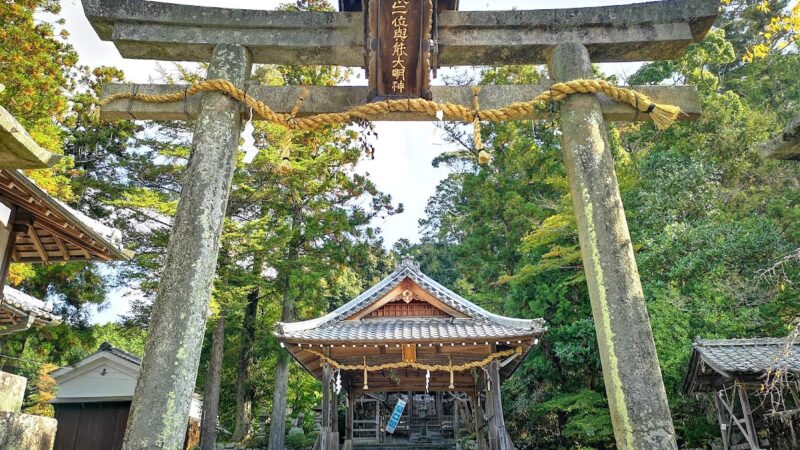
The main gate, which serves as the entrance to Enkoji Temple, is simple yet dignified. Passing through this gate, one enters a tranquil space far removed from the hustle and bustle of the city. The area around the main gate is adorned with fresh greenery in spring and vibrant autumn leaves, showcasing the beauty of each season.
Stone steps flank the temple gate, leading to the approach to the temple. As you ascend these steps, your mind gradually calms, preparing you for worship.
Main Hall
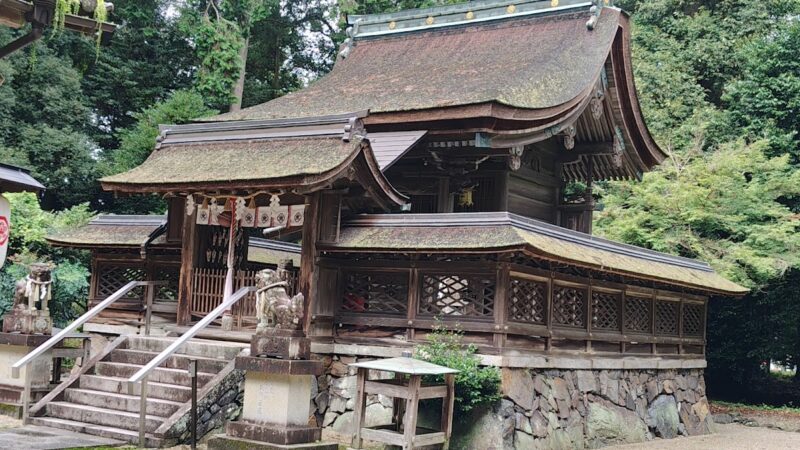
The main hall houses the principal image, the Thousand-Armed Kannon Bodhisattva. This Kannon statue has long been revered as a symbol of compassion that relieves the suffering of all beings. The interior of the main hall is enveloped in a solemn atmosphere, and quietly joining your hands in prayer brings inner peace.
Regular Zen meditation sessions are held in the main hall, and the public is welcome to participate. By experiencing the spirit of Zen, you can gain awareness of “this present moment,” something often lost in daily life.
Ten Ox Garden
The most famous feature of Enkoji Temple is the “Ten Ox Garden,” which spreads out in front of the main hall. This garden is a pond-centered strolling garden based on the “Ten Ox Herding Pictures,” which depict the stages of Zen training, and is said to have been created in the early Edo period.
At the heart of the garden is a heart-shaped pond, surrounded by stone arrangements and trees. Especially during the autumn foliage season, the maple and Japanese maple trees turn a brilliant red, and the reflection on the pond’s surface is breathtakingly beautiful.
Sitting on the veranda of the main hall and gazing at the garden, one feels as if they are looking at a painting. This “framed garden” composition is popular with photography enthusiasts, and many photographers visit, especially during the autumn foliage season.
Honryutei Garden
Behind the main hall is the Honryutei Garden, a dry landscape garden where white sand represents a sea of clouds. This garden, created in the late Showa period, is relatively new, but it is highly regarded as a masterpiece that conveys the traditional aesthetics of Zen to the modern age.
The ripples in the white sand represent a dragon ascending to heaven, stimulating the viewer’s imagination. The stone arrangement is powerfully positioned, embodying the Zen worldview where contrasting elements such as movement and stillness, yin and yang, are harmoniously combined.
The Honryu-tei garden has a contrasting atmosphere to the Jūgyū-no-niwa garden, and comparing the two allows one to appreciate the diversity of garden art.
Seiryu-chi Pond
On a hill within the temple grounds lies Seiryu-chi Pond, offering a panoramic view of Kyoto city. This pond is a particularly tranquil spot within Enkōji Temple, making it a suitable space for meditation and introspection.
A walking path surrounds the pond, allowing visitors to stroll slowly and appreciate nature. Enjoy the changing seasons: wildflowers in spring, fresh greenery in summer, autumn leaves in fall, and snowscapes in winter.
Bamboo Grove
A beautiful bamboo grove lies within the temple grounds. While Arashiyama is famous for its bamboo groves in Kyoto, Enkōji Temple’s bamboo grove is equally charming. The sound of bamboo leaves rustling in the wind is a calming natural melody.
Walking along the bamboo grove path, the contrast of light and shadow is beautiful, making it a popular spot for photography. The bamboo grove, especially in the early morning, is bathed in sunlight, creating a mystical atmosphere.
Suikinkutsu (Water Harp Cave)
A suikinkutsu (water harp cave) is installed on the temple grounds, allowing visitors to enjoy the sound of dripping water. By placing your ear to the bamboo tube, you can hear the clear sound resonating within the earthenware pot underground.
This sound is sometimes called “music descending from heaven” and represents the sonic aesthetics of Japanese gardens. Listening to the sound of the suikinkutsu can sharpen your senses and lead to Zen-like insights.
Cultural Properties of Enkoji Temple
Important Cultural Property: Enkoji Temple Woodblock Printing
As mentioned above, the woodblock printing type owned by Enkoji Temple is an extremely important cultural property in the history of Japanese printing. Approximately 50,000 pieces of woodblock printing type still exist, and their exquisite craftsmanship speaks to the high level of technology at the time.
These typefaces are made from hard woods such as boxwood and cherry, and even after more than 400 years, the characters remain clearly legible. Some are on display within the temple grounds and can be viewed in person.
Relics of Tokugawa Ieyasu
Enkoji Temple also preserves relics related to its founder, Tokugawa Ieyasu. Ieyasu’s wooden statue and letters are valuable historical materials that convey the history of the Edo Shogunate’s founding period.
These relics are also evidence of Ieyasu’s emphasis on learning and his dedication to the development of culture. By visiting Enkoji Temple, you can learn about Ieyasu’s side not only as a military commander but also as a man of culture.
Ancient Documents and Classical Texts
Enkoji Temple houses numerous ancient documents and classical texts, including Confucian texts and Buddhist scriptures from the early Edo period. These were collected during the time of the Fushimi School and are valuable resources for understanding the content of scholarship and educational methods of the time.
Some documents are open to researchers and contribute to the study of Japanese intellectual history and educational history.
The Four Seasons of Enkoji Temple
Spring at Enkoji Temple
Spring at Enkoji Temple is a season when the beauty of fresh greenery is particularly striking. From April to May, the trees in the garden bud all at once, creating a landscape full of vitality. The young leaves, in particular, have a translucent quality, sparkling like jewels when light shines through them.
Wildflowers also bloom on the temple grounds, allowing you to feel the arrival of spring at your feet. Visiting on a quiet spring morning allows you to enjoy a refreshing time accompanied by the chirping of birds.
Summer at Enkoji Temple
In summer, Enkoji Temple becomes a cool space enveloped in deep green. The trees are lush, and the shade brings a pleasant breeze. Water lilies float on the pond in the Ten Ox Garden, adding a summery atmosphere.
Early morning visits (described below) are especially recommended in summer; the experience of strolling through the garden in the cool morning air is exceptional. Amidst the sound of cicadas, you can experience the tranquility of a Zen temple.
Enkoji Temple in Autumn: A Famous Spot for Autumn Leaves
Enkoji Temple attracts the most visitors during the autumn foliage season. Every year from mid-November to early December, the temple grounds are enveloped in fiery red leaves.
The maple trees in the Jūgyū-no-niwa garden are particularly magnificent, with a gradation of red, orange, and yellow adorning the entire garden. The view of the autumn leaves from the veranda of the main hall is truly picturesque, and is extremely popular among photography enthusiasts as “framed autumn leaves.”
During the autumn foliage season, special early morning viewings are also offered, allowing you to quietly appreciate the leaves illuminated by the morning sun. This early morning viewing is especially recommended for those who want to avoid crowds.
Enkoji Temple in Winter
Winter at Enkoji Temple is a season of profound silence and solemnity. When snow falls, the garden transforms into a world of silver, displaying a beauty reminiscent of an ink painting. The sight of snow accumulating on the Honryu-tei garden, in particular, with its striking contrast of black and white, embodies the aesthetics of Zen.
Winter is a hidden gem, with fewer tourists, allowing for a peaceful visit. Sitting in Zen meditation in the crisp, clear air provides a truly invigorating experience for both mind and body.
Enkoji Temple Visiting Information
Visiting Hours and Fees
Regular Visiting Hours
- Visiting Hours: 9:00 AM – 5:00 PM
- Admission Fee: Adults 500 yen, Junior/Senior High School Students 400 yen, Elementary School Students 300 yen
Early Morning Special Visiting (Autumn Foliage Season Only)
- Time: 7:30 AM onwards (Reservations may be required)
- Fee: Additional charges may apply to the regular admission fee
*Visiting hours and fees are subject to change, so it is recommended to check official information before visiting.
About Reservations
During normal periods, you can visit without a reservation. However, special early morning viewings during the autumn foliage season and Zen meditation experiences may require advance reservations. Weekends in November, in particular, are expected to be crowded, so visiting earlier in the day or on weekdays is recommended.
About Photography
Personal photography is generally permitted at Enkoji Temple. However, the use of tripods and commercial photography require prior permission. Please also be mindful of other visitors and maintain proper etiquette when taking photos.
There may be restrictions on photography inside the main hall and of cultural artifacts; please follow the instructions at the site.
Estimated Time Required
A thorough visit to the grounds of Enkoji Temple requires approximately 60-90 minutes. If you plan to leisurely appreciate the gardens and include a Zen meditation experience, it’s best to allow around 2 hours.
During the autumn foliage season, it gets crowded, so it’s recommended to plan your schedule with ample time to account for waiting times.
Access to Enkoji Temple
Access by Train and Bus
Using the Eizan Electric Railway
- Approximately 25 minutes on foot from Kokusai-Kaikan Station on the Kyoto Municipal Subway Karasuma Line
- Alternatively, get off at Ichijoji Station on the Eizan Electric Railway and walk for approximately 15 minutes.
Using City Buses
- From Kyoto Station: Get off at Ichijoji-Shimo-Matsucho bus stop (City Bus Route 5) and walk for approximately 10 minutes.
- From Shijo-Kawaramachi: Get off at Ichijoji-Shimo-Matsucho bus stop (City Bus Route 5 or 203) and walk for approximately 10 minutes.
The walk from the bus stop to Enkoji Temple goes through a residential area, but there are signs, so you are unlikely to get lost.
Access by Car and Parking
Enkoji Temple has its own parking lot, but the number of spaces is limited (approximately 20). It is often full during peak seasons such as the autumn foliage season, so we recommend using public transportation.
Address for Car Navigation
13 Ichijoji Kotani-cho, Sakyo-ku, Kyoto City, Kyoto Prefecture 606-8147
Approximately 30 minutes from the Meishin Expressway “Kyoto East IC” and approximately 40 minutes from the “Kyoto South IC”.
Nearby Tourist Attractions
There are many other attractive tourist spots around Enkoji Temple.
Shisendo
Approximately 5 minutes on foot from Enkoji Temple. A mountain villa built by Ishikawa Jozan, a literary figure of the Edo period, known for the beauty of its garden.
Manshuin Monzeki
Approximately 15 minutes on foot from Enkoji Temple. A Tendai sect temple, its highlights include the national treasure Yellow Fudo and a beautiful dry landscape garden.
Hachidai Shrine
Approximately 10 minutes on foot from Enkoji Temple. A shrine known as the site where Miyamoto Musashi dueled with the Yoshioka family.
Kinpukuji Temple
Approximately 10 minutes on foot from Enkoji Temple. This temple is associated with Matsuo Basho and houses Basho-an, a hermitage.
We recommend a model course that combines these spots and takes half a day to a full day to explore the Ichijoji area.
Experiences at Enkoji Temple
Zen Meditation Experience
Enkoji Temple regularly holds Zen meditation sessions. Even beginners can participate, as there is careful instruction on Zen meditation etiquette and breathing techniques.
Through Zen meditation, you can detach yourself from the distractions of daily life and focus on the “here and now,” which will be a valuable experience for modern people. Zen meditation in the tranquil environment unique to a Zen temple brings about deep insights that cannot be obtained in the hustle and bustle of the city.
We recommend contacting Enkoji Temple in advance regarding the schedule and participation methods for Zen meditation sessions.
Garden Appreciation
Enkoji Temple’s garden is a space where you can experience the teachings of Zen not just by looking at it, but by deeply appreciating it. The “Ten Ox Herding Pictures” in the Ten Ox Garden depict the ten stages of the path to enlightenment in Zen practice. By contemplating their meaning while viewing the garden, one can gain spiritual insight.
We recommend sitting on the veranda of the main hall and taking your time to admire the garden. By observing the details—the changing light and shadow depending on the season and time of day, the leaves swaying in the wind, the ripples on the water’s surface—you can appreciate the profound depth of the garden.
Sutra Copying/Buddhist Image Copying Experience
Depending on the season, you can also experience sutra copying or Buddhist image copying. The act of holding a brush and carefully copying each character has the effect of calming the mind and enhancing concentration.
Sutra copying and Buddhist image copying are forms of Buddhist practice, but they are also gaining attention as a modern practice of mindfulness, not just for their religious significance.
Points to Note When Visiting Enkoji Temple
Clothing and Items to Bring
Enkoji Temple has slopes and stone steps, so we recommend wearing comfortable shoes. Please be especially careful during rainy weather and winter, as the ground can be slippery.
In summer, the sun is strong, so bring a hat, parasol, and drinks. In winter, the temple grounds get cold, so please dress warmly.
Manners
Enkoji Temple is still a place where ascetic practices are carried out. Please visit quietly and be considerate of other visitors and ascetic monks.
Do not touch the gardens or buildings, and refrain from entering areas other than those designated. Also, eating and drinking are only permitted in designated areas.
Tips for Avoiding Crowds
The autumn foliage season is especially crowded, so the following tips will help you visit more comfortably:
- Utilize early morning visits
- Visit on weekdays
- Avoid the peak of the autumn foliage season (late November)
- Aim for the time immediately after opening
Early morning visits, in particular, offer a precious opportunity to quietly appreciate the autumn leaves illuminated by the morning sun.
Summary: The Charm of Enkoji Temple
Enkoji Temple is a temple with multifaceted charm, boasting a historical background as a temple founded by Tokugawa Ieyasu, its contributions to Japanese publishing culture through its wooden movable type, and its beautiful gardens that change with the seasons.
It is particularly highly regarded as a spot for autumn foliage, and among the many autumn foliage spots in Kyoto, Enkoji Temple’s “framed autumn leaves” are well worth seeing. However, outside of the autumn foliage season, each season—spring with its fresh greenery, summer with its deep greenery, and winter with its snowy landscapes—has its own unique beauty.
The time spent calming the mind through Zen meditation and garden appreciation in the tranquil atmosphere of this Zen temple will be a valuable experience for those of us living busy modern lives.
When visiting Kyoto, be sure to add Enkoji Temple to your list of places to visit and experience its history and natural beauty. Visiting it along with other temples and shrines in the Ichijoji area will allow you to enjoy a more fulfilling Kyoto sightseeing experience.
An experience at Enkoji Temple will go beyond mere sightseeing; it will be a special time that brings peace of mind and new insights.