What is Myozenji Temple? A Thorough Explanation of the History, Characteristics, and Access of Myozenji Temples Across Japan
About Myozenji Temple
The name Myozenji is the name of a venerable temple found throughout Japan. In Buddhism, “Myozen” means excellent good deeds or the greatness of Buddhist teachings, and many temples bear this name.
Throughout Japan, Myozenji temples of different sects, such as the Nichiren sect and the Jodo Shinshu Honganji sect, are scattered, each with its own unique history and characteristics. This article will provide a detailed explanation of the major Myozenji temples, including their history, characteristics, modern role, and access information.
List of Major Myozenji Temples Across Japan
Myozenji Temple, Roppongi, Minato-ku, Tokyo (Nichiren Sect)
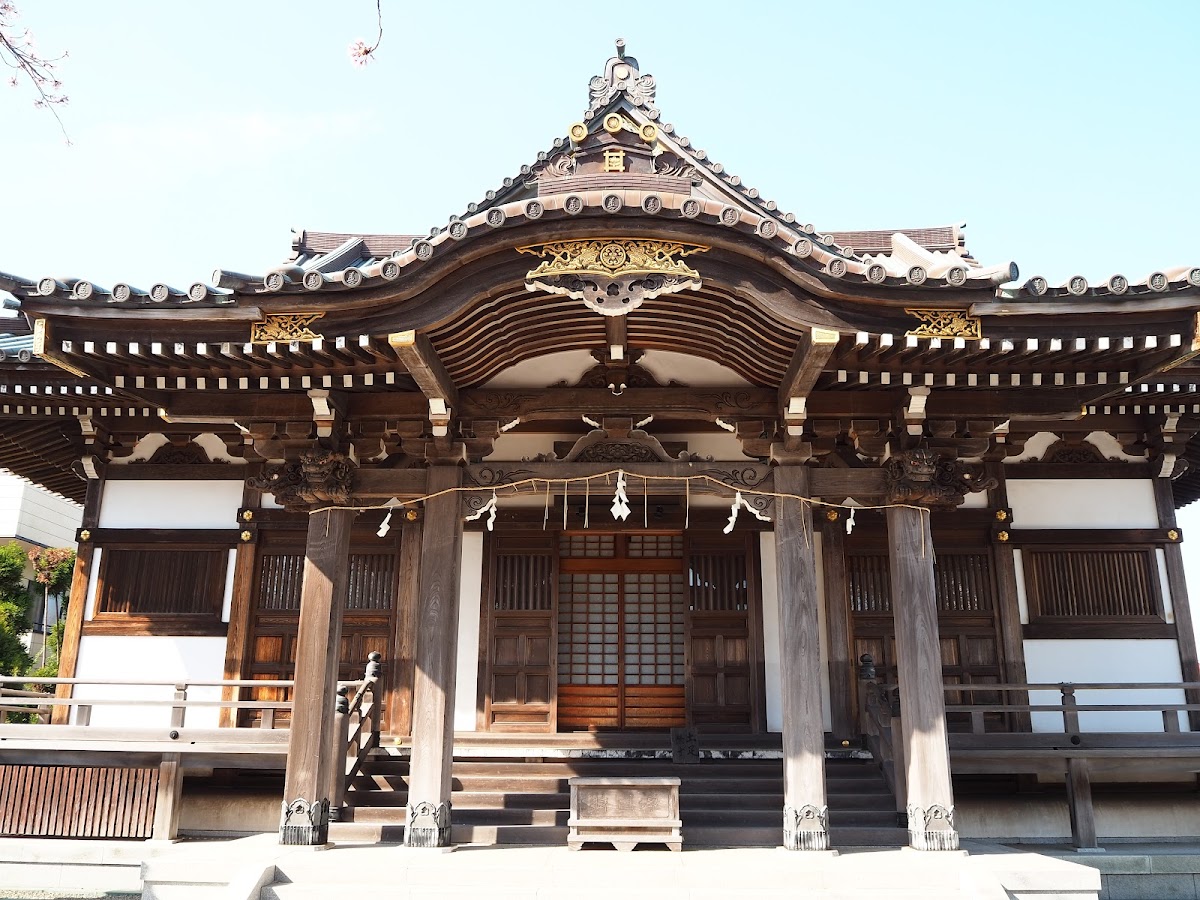
Located in Roppongi, Minato-ku, Tokyo, the Nichiren sect Myozenji Temple is officially called “Nittsuzan Myozenji.” This temple is a venerable temple with a history of over 360 years, founded in 1627 (Kanei 4) during the early Edo period.
History and Origin
This temple was founded during the reign of Tokugawa Iemitsu, the third shogun, by Miura Nagato-no-kami Tamaharu, a senior retainer of the Kishu domain, with Kōzen-in Nichii Shōnin, the 20th head priest of the head temple Kominato Tanjō-ji, as its founding priest. Throughout the Edo period, it developed while maintaining deep ties with the samurai society.
Modern Activities
Currently, leveraging its location in the city center, the temple operates in a way that meets the needs of modern society. In addition to traditional Buddhist services and annual events, it provides Buddhist services tailored to urban dwellers.
Myōzen-ji Temple, Fujinomiya City, Shizuoka Prefecture (Nichiren Sect)
Myōzen-ji Temple, a Nichiren sect temple located in Fujinomiya City, is situated in a scenic location overlooking Mount Fuji and conducts temple activities rooted in the local community.
Commitment to Perpetual Memorial Services
To address the increasing challenges in modern society such as “no successor to the grave,” “graves located far away and difficult to manage,” and “inability to maintain graves due to financial reasons,” we actively offer perpetual memorial services.
In the temple grounds with their beautiful views, you can have peaceful memorial services for your ancestors and family performed perpetually. We also offer various plans to suit the needs of those considering closing their family graves, and our flexible approach is characterized by our ability to adapt to modern lifestyles.
History Related to the Tokugawa Family
Temples are said to be spiritual homelands, and this temple is said to have connections to Lady Yōjuin Oman, a concubine of Tokugawa Ieyasu. This historical background enhances the temple’s prestige and trustworthiness.
Myōzenji Temple, Fuji City, Shizuoka Prefecture (Nichiren Sect)
Located in Denpō Tabata, Fuji City, Shizuoka Prefecture, Myōzenji Temple is a temple under the jurisdiction of the Nichiren Sect Shizuoka Central Office. As a center of regional Buddhist culture, it has supported the religious lives of local residents for many years. ### Myozenji Temple, Uedayama, Nada-ku, Kobe City, Hyogo Prefecture (Jodo Shinshu Honganji School)
Located in Nada-ku, Kobe City, Myozenji Temple, a Jodo Shinshu Honganji School temple, boasts a history of over 300 years.
Cultural Properties and Temple Grounds
The temple grounds contain Kobe City-designated cultural properties (natural monuments), and it is known as a temple of high historical and cultural value. The ancient trees and historical buildings leave a deep impression on visitors.
Annual Events and Community Activities
The temple holds numerous events throughout the year, playing a central role in the local community. In addition to Buddhist services and memorial services, it also focuses on cultural and educational activities, promoting the creation of an open temple.
Myozenji Temple, Jodo Shinshu Honganji School, Tosu City, Saga Prefecture
Myozenji Temple, a Jodo Shinshu Honganji School temple located in Motomachi, Tosu City, Saga Prefecture, is active as a temple that supports all aspects of Buddhist services in the community.
Community-Based Temple Activities
We provide a wide range of services related to Buddhist services in the community, including memorial services, columbarium management, and funerals. We also publish a priest’s diary on our website, actively engaging in modern information dissemination.
Myozenji Temple, Jodo Shinshu, Hachijozan, Kitakarasuyama, Setagaya Ward, Tokyo
Located in the temple district of Kitakarasuyama, Setagaya Ward, Myozenji Temple is a historic temple occupying a section where 26 temples are lined up.
Founding and History
This is a historic temple founded in Ise Province (present-day Mie Prefecture) by a disciple of Shinran Shonin. It was relocated to Hatchobori during the Edo period, hence the mountain name “Hatchozan.” Later, it moved to its current location in Kita-Karasuyama and functions as a center of local faith.
Myozenji Temple, Kawagoe City, Saitama Prefecture (One of the Seven Lucky Gods of Koedo Kawagoe)
Myozenji Temple in Kawagoe City is known as the temple that enshrines Bishamonten, the first of the Seven Lucky Gods of Koedo Kawagoe.
Relationship with Kitain Temple
It is a branch temple of “Chuin,” located near Kitain Temple, a famous temple in Kawagoe, and occupies an important position within the Kawagoe temple network. Many visitors come here as a starting point for the Seven Lucky Gods pilgrimage.
Myozenji Temple, Okayama Prefecture, Kita Ward, Okayama City – Nichiren-shu Fuju-fuse School
Located in Tsushima Honmachi, Kita Ward, Okayama City, Myozenji Temple has a unique history as a temple of the Nichiren-shu Fuju-fuse school.
Historical Changes
It began in the Nanboku-cho period when Daikaku Myojitsu converted Fukurinji Temple of the Shingon sect to the Nichiren sect. In 1667 (Kanbun 7), it was temporarily abolished and without a resident priest due to the Okayama Domain’s temple reorganization (Kanbun Persecution), but it was later restored and continues to exist today.
Shinnyozan Myozenji Temple, Kanagawa Prefecture
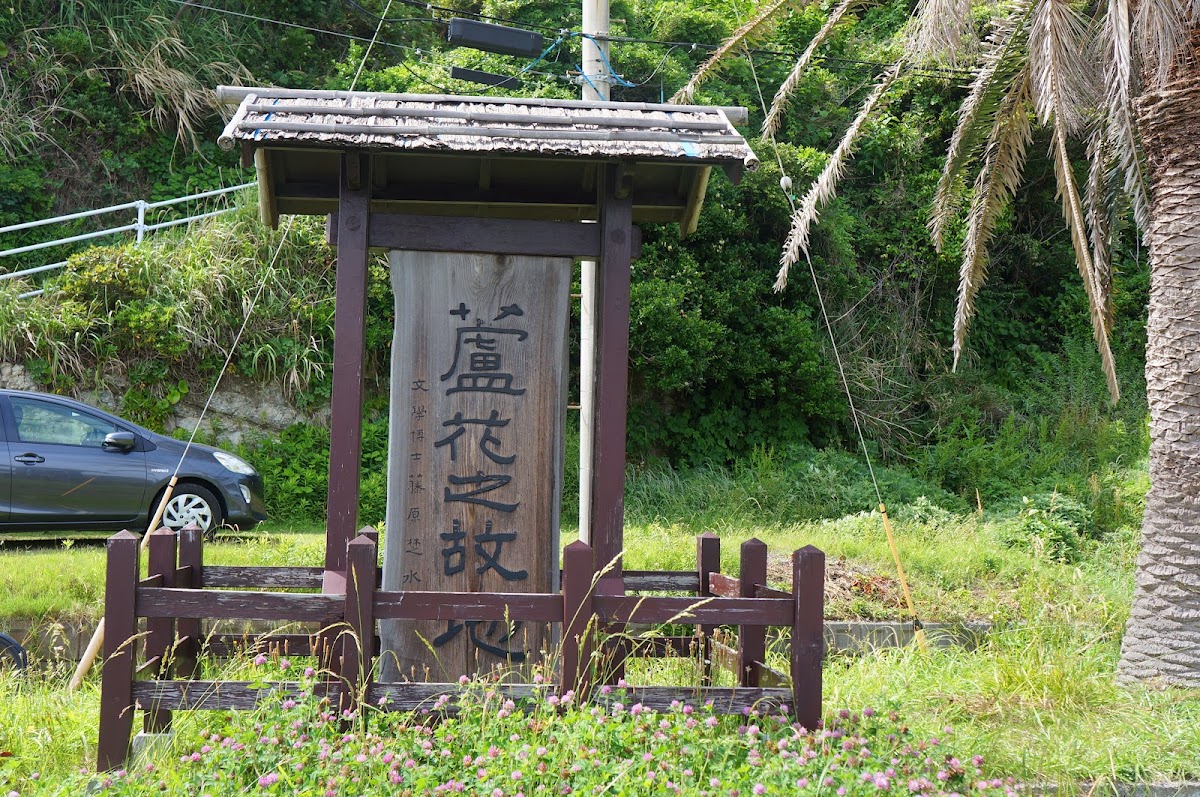
Located in an area facing Sagami Bay, Shinnyozan Myozenji Temple is known as “the temple where the waves of Sagami Bay and the chanting of the Odaimoku resonate.”
Modern Services
In recent years, it has begun to offer pet funerals, cremations, and memorial services, attracting attention as a temple that flexibly responds to the needs of modern society. ## What is Perpetual Memorial Service at Myozenji Temple?
In modern society, more and more people are facing challenges regarding the inheritance and management of graves. Myozenji Temple has several temples that offer perpetual memorial service services to address these changing times.
Benefits of Perpetual Memorial Service
- No Successor Required: Does not burden descendants with the responsibility of maintaining the grave.
- Peace of Mind Management: The temple takes responsibility for perpetual memorial services.
- Clear Costs: One-time payment eliminates future financial burdens.
- Easy Access: Many Myozenji temples are conveniently located.
Examples of Perpetual Memorial Service Plans
Each Myozenji temple offers various plans to suit your needs. Individual graves, communal graves, and columbariums are available, offering flexibility to choose according to your budget and preferences.
About Buddhist Services and Memorial Ceremonies at Myozenji Temple
Main Annual Events
Myozenji Temple holds annual events according to its sect. Nichiren Buddhist temples hold the Oeshiki ceremony, and Jodo Shinshu Buddhist temples hold the Hoonko ceremony; important memorial services of each sect are held.
Individual Memorial Service Arrangements
We handle various memorial services, from the seventh day after death to the forty-ninth day, the first anniversary, the third anniversary, and other annual memorial services. Through prior consultation with the head priest, we can conduct memorial services tailored to the family’s wishes.
Access Information to Myozenji Temple
Detailed access information for each Myozenji temple is provided on each temple’s website. Temples in urban areas are easily accessible by train and bus, while temples in rural areas are primarily accessed by car.
Things to Check Before Visiting
- Opening hours and reception hours
- Availability and number of parking spaces
- Need for prior telephone contact
- Dates of special events or occasions
We recommend checking each temple’s website or contacting them by phone before visiting.
Modern Initiatives at Myozenji Temple
Website Renewal
Many Myozenji temples have renewed their websites to strengthen information dissemination. They regularly update news and event information to facilitate smooth communication with visitors and parishioners.
Adapting to Digitalization
Temples are increasingly utilizing modern technology in their operations, such as conducting online memorial services, introducing electronic payment systems, and disseminating information via social media. Efforts are being made to create an environment that makes it easier for people from distant locations to participate.
Collaboration with the Local Community
Temples are not merely religious facilities; they also serve as hubs for the local community. They engage in multifaceted social contribution activities, such as holding cultural lectures, participating in local events, and functioning as evacuation centers during disasters.
Points to Consider When Choosing a Myozenji Temple
Confirming the Sect
Even temples named Myozenji may belong to different sects, such as Nichiren Buddhism or Jodo Shinshu Buddhism. Confirm your family’s sect and choose the appropriate temple.
Location and Access
When considering regular visits, good accessibility is an important factor. Choose a temple considering its distance from your home and transportation options.
Services Offered
It’s essential to confirm whether the necessary services, such as perpetual memorial services, columbariums, and cemeteries, are offered. We recommend contacting the temple in advance to confirm details.
Compatibility with the Head Priest
Considering a long-term relationship with the temple, compatibility with the head priest is also important. If possible, it’s a good idea to meet with the priest before signing a contract to assess the temple’s atmosphere and the priest’s personality.
Summary
Myozenji temples exist throughout Japan, each with its own unique history and characteristics. While belonging to various sects such as Nichiren Buddhism and Jodo Shinshu Honganji-ha, they all play a vital role as centers of local faith and as temples that meet the needs of modern society.
An increasing number of temples offer services addressing modern challenges, such as perpetual memorial services and grave closures, flexibly adapting to changing lifestyles. They are also actively disseminating information through website renewals and event announcements, promoting the creation of more open temples.
If you are considering visiting or seeking advice at Myozenji Temple, we recommend that you first check the temple’s website to confirm access information and services offered. Telephone inquiries are also welcome, so please feel free to contact them.
Myozenji Temple, a temple considered a spiritual home, cherishes its history and traditions while also embracing modern society, earning the support of many.