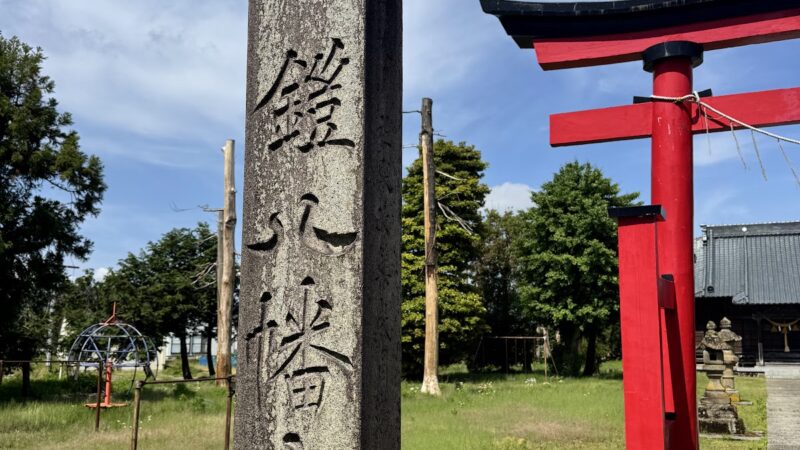
A Complete Guide to Amatsu Shrines | From History and Deities to Fighting Festivals and Amatsu Shrines Nationwide: A Thorough Explanation
What are Amatsu Shrines?
Amatsu Shrines (天津神社) are the name of shrines scattered throughout Japan. The name “Amatsu Shrine” means “Shrine of the Amatsukami (heavenly gods),” and is often used for shrines that enshrine Amatsukami, including Amaterasu Omikami.
Amatsukami are a collective term for the gods residing in Takamagahara (the High Plain of Heaven), and are the counterparts to Kunitsukami (earthly gods). Therefore, shrines bearing the name Amatsu Shrine each have their own independent history, and their enshrined deities are not uniform. A characteristic feature is that many of these shrines have a long history of being revered in their respective regions.
Across Japan, there are numerous Amatsu Shrines, including those in Itoigawa City (Niigata Prefecture), Kyoto City (Kyoto Prefecture), Bizen City (Okayama Prefecture), Kyotanabe City (Kyoto Prefecture), and Kamogawa City (Chiba Prefecture). Each shrine is revered by locals as the tutelary deity (ubusunagami) of its respective region.
Amatsu Shrine and Nunagawa Shrine in Itoigawa City, Niigata Prefecture
History and Origin
The Amatsu Shrine in Itoigawa City, Niigata Prefecture, is an extremely old shrine, believed to have been founded during the reign of Emperor Keiko (71-130 AD). It was designated as an imperial prayer site by Emperor Kotoku (36th Emperor) and has since been revered as the tutelary deity of Itoigawa for a long period.
Within the shrine grounds, alongside the Amatsu Shrine, is the Nunagawa Shrine. The Nunagawa Shrine is said to be one of the thirteen shrines listed in the Engishiki (ancient Japanese legal code), and has been an important place of worship in this region since ancient times. The two shrines work together to form the heart of the faith in Itoigawa.
Deities Enshrined
The deities enshrined at Amatsu Shrine are the following three:
- Ninigi-no-Mikoto: The grandson of Amaterasu-Omikami and the main figure in the descent of the heavenly grandchild
- Ōkimi-no-Mikoto: The guardian deity of the region
- Amenokoyane-no-Mikoto: The deity who presides over rituals, the ancestral deity of the Nakatomi and Fujiwara clans
The deities enshrined alongside them at Nunagawa Shrine are the following two:
- Nunagawa-hime no Mikoto: A princess deity from Koshi Province (Echigo Province) appearing in the Kojiki, and the consort of Okuninushi no Mikoto.
- Yachihoko no Mikoto: Another name for Okuninushi no Mikoto.
Nunagawa-hime no Mikoto is also known as the goddess of jade, and this is deeply connected to the fact that Itoigawa is the largest jade producing area in Japan.
Spring Grand Festival “Kenka Matsuri” (Fighting Festival)
The most famous festival at Amatsu Shrine is the Spring Grand Festival, commonly known as the “Kenka Matsuri” (Fighting Festival), held annually on April 10th and 11th. Officially called the “Itoigawa Kenka Matsuri,” it boasts a history of over 400 years as a traditional event celebrating a bountiful harvest.
Characteristics of the Fighting Festival
The highlight of the festival is the “Mikoshi Clash,” where two portable shrines (mikoshi) from the Oshiage and Teramachi districts clash violently. The festival’s name, “Fighting Festival,” comes from the sight of the two shrines colliding. This boisterous ritual is meant to ward off evil and pray for a bountiful harvest.
Dedication of Gagaku (Court Dance)
The festival features a dedication of Gagaku, a traditional court dance designated as a Nationally Important Intangible Folk Cultural Property. This dance is a valuable art form passed down from ancient times, featuring elegant dances accompanied by Gagaku music. In stark contrast to the boisterous portable shrines, this dignified traditional art captivates many visitors.
Cultural Properties
The Amatsu Shrine in Itoigawa possesses numerous designated cultural properties.
- Bugaku (court dance and music): Nationally designated Important Intangible Folk Cultural Property
- Main Shrine: High value as a historical building
- Sacred Treasures: Ancient documents, ritual implements, etc.
These cultural assets tell the story of how our shrine has remained the center of local faith throughout its long history.
Access
Location: 1-3-34 Ichinomiya, Itoigawa City, Niigata Prefecture
Access by Train:
- Approximately 15 minutes on foot from JR Hokuriku Shinkansen/Oito Line “Itoigawa Station”
- Approximately 5 minutes by car from Itoigawa Station
Access by Car:
- Approximately 10 minutes from Hokuriku Expressway “Itoigawa IC”
- Parking available (During the Spring Grand Festival, it gets crowded, so using public transportation is recommended)
Amatsu Shrine in Kita Ward, Kyoto City, Kyoto Prefecture
Overview and History
Amatsu Shrine, located in Hirano, Kita Ward, Kyoto City, is known as a subsidiary shrine within the grounds of Hirano Shrine. Located in the heart of Kyoto, this shrine is revered by local residents.
Basic Information
Location: 89 Hirano Miyamoto-cho, Kita-ku, Kyoto City, Kyoto Prefecture
Visiting Hours:
- 9:00 AM – 11:30 AM
- 1:00 PM – 4:00 PM
Phone: 075-462-0344
Access:
- Approximately 3 minutes on foot from the “Kinugasa-ko-mae” bus stop (Kyoto City Bus)
- Approximately 7 minutes on foot from Kitano Hakubaicho Station (Arashiyama Electric Railway Kitano Line)
Kyoto’s Amatsu Shrine is located in the Hirano area, a well-known tourist destination, and is surrounded by other famous shrines such as Hirano Shrine and Kitano Tenmangu Shrine.
Amatsu Shrine (Ibe Amatsu Shrine) in Bizen City, Okayama Prefecture
Deep Connection to Bizen Ware
Amatsu Shrine, located in Ibe, Bizen City, Okayama Prefecture, is known as a shrine situated in the production area of Bizen ware, one of Japan’s six ancient kilns. Within the shrine grounds, guardian lion-dogs made of Bizen ware are dedicated, welcoming visitors.
Features
- Bizen Ware Guardian Lion-Dogs: Characteristic guardian lion-dogs unique to a pottery-producing region.
- Bizen Ware Ema (Votive Tablets): Ema are also made of Bizen ware, unique offerings not seen elsewhere.
- Connection to Pottery: Deeply revered by Bizen ware artisans and related parties.
Ibe Amatsu Shrine is a rare example of a shrine where local traditional industry and faith are integrated, making it a shrine of high cultural value.
Access
Location: Ibe, Bizen City, Okayama Prefecture
Access by Train:
- Approximately 10 minutes on foot from JR Ako Line “Ibe Station”
Access by Car:
- Approximately 15 minutes from Sanyo Expressway “Bizen IC”
It is recommended to visit the shrine in conjunction with a stroll through the Ibe district, where Bizen ware kilns and museums are concentrated.
Amatsu Shrine in Kyotanabe City, Kyoto Prefecture
An Amatsu Shrine is also located in Kyotanabe City, in southern Kyoto Prefecture. It is a different shrine from the Amatsu Shrine in Kyoto City and is cherished as the local guardian deity.
Kyotanabe City has long flourished as a transportation hub, and this shrine has played an important role in its history. It is a tranquil shrine nestled in a quiet residential area.
Amatsu Shinmei-gu Shrine in Kamogawa City, Chiba Prefecture
Boshu Ise Shrine
Amatsu Shinmei-gu Shrine, located in Amatsu, Kamogawa City, Chiba Prefecture, is known as “Boshu Ise Shrine.” Officially named “Amatsu Shinmei-gu,” this shrine is introduced here as a shrine belonging to the Amatsu Shrine lineage.
History
This ancient shrine boasts a history of over 800 years, and enshrines Amaterasu Omikami, the principal deity of Ise Grand Shrine. It has been widely revered as a center of Ise faith on the Boso Peninsula.
Access
Location: Amatsu, Kamogawa City, Chiba Prefecture
Access by Train:
- Approximately 10 minutes on foot from JR Sotobo Line “Awa-Amatsu Station”
Manners and Etiquette for Visiting Amatsu Shrine
Basic Worship Etiquette
When visiting Amatsu Shrine, please observe the following basic etiquette.
- Bow before passing through the torii gate: A courtesy before entering the sacred area.
- Purify yourself at the water basin: Purify your left hand, right hand, and mouth in that order.
- Walk along the edge of the path: The center is the path for the gods.
- Mannerisms in front of the main hall: Two bows, two claps, and one bow are the basics.
About offerings
There are no set amounts, but offer with gratitude. It is considered good manners to gently place the offering into the offering box rather than throwing it.
About Goshuin (temple/shrine stamps)
Many Amatsu Shrines offer Goshuin. Bring your Goshuincho (stamp book) and receive one at the shrine office after your visit. Remember that Goshuin are proof of your visit, not a stamp rally.
Blessings you can receive at Amatsu Shrines
Main blessings
Depending on the deities enshrined at Amatsu Shrines and their history, the following blessings are believed to be available.
- Abundant Harvest: Prayers for agricultural prosperity and a bountiful harvest
- Business Prosperity: Prayers for business development and success
- Family Safety: Prayers for the health and peace of the family
- Matchmaking: Prayers for good relationships, especially at Nunagawa Shrine
- Exorcism: Prayers for warding off misfortune and inviting good fortune
- Academic Success: Amenokoyane-no-Mikoto is also revered as the god of learning
The Amatsu Shrine and Nunagawa Shrine in Itoigawa are particularly known for their blessings in matchmaking, and many worshippers visit seeking good relationships.
Annual Events at Amatsu Shrine
Main Festivals (Using Amatsu Shrine in Itoigawa as an example)
- January 1st: Saitansai (New Year’s Day Festival)
- February (Setsubun Festival): Setsubun Festival (Prayer for warding off evil)
- April 10th & 11th: Spring Grand Festival (Fighting Festival)
- July: Natsukoshi no Oharae (Purification of impurities accumulated over the past six months)
- November: Niinamesai (Harvest Thanksgiving Festival)
- December 31st: Oharae-shiki (Purification Ceremony) (Purification of impurities accumulated over the past year)
Amatsu Shrines in various regions also hold festivals rooted in their respective local customs throughout the year.
Tourist Spots Around Amatsu Shrine
Itoigawa Area
- Fossa Magna Museum: A museum where you can learn about the geology of Itoigawa and jade.
- Jade Coast: Famous as a coast where you can find jade.
- Itoigawa Geopark: Certified as a UNESCO Global Geopark.
- Oyashirazu Coast: A scenic spot with towering cliffs.
Kyoto Area
- Hirano Shrine: A shrine known for its cherry blossoms.
- Kitano Tenmangu Shrine: Dedicated to Sugawara no Michizane, the god of learning.
- Kinkaku-ji Temple: A famous temple and World Heritage Site.
Bizen Area
- Bizen Ware Traditional Industry Hall: Exhibits the history and works of Bizen ware.
- Bizen Ware Museum: Works by contemporary artists can also be viewed.
- Former Shizutani School: Japan’s oldest public school (National Treasure).
Points to Note When Visiting Amatsu Shrine
Attire
There are no specific dress code requirements, but it is desirable to dress appropriately as this is a sacred place. Many visitors wear formal attire during festivals.
Photography
Photography is generally permitted within the shrine grounds, but photography inside the main hall or during religious ceremonies may be restricted. Please check in advance.
Visiting During Festivals
The shrine becomes crowded with many visitors during major festivals such as the Spring Grand Festival. Especially during the Itoigawa “Kenka Matsuri” (Fighting Festival), early arrival and use of public transportation are recommended. Reservations for viewing seats may be required, so it is recommended to check with the shrine in advance.
Amatsu Shrine Office and Souvenirs
Types of Souvenirs
The following souvenirs are available at each Amatsu Shrine.
- Amulets: Various types of amulets (traffic safety, academic success, matchmaking, etc.)
- Talisman: Talisman to be placed on the household altar
- Goshuin (Shrine Seal): Proof of worship
- Ema (Votive Tablet): A votive tablet on which to write a wish and offer it
- Omikuji (Fortune Slip): A fortune-telling slip
At the Amatsu Shrine in Itoigawa, there are items related to jade, and at the Amatsu Shrine in Bizen, there are items made of Bizen ware. Each shrine offers items that reflect its unique characteristics.
Shrine Office Hours
Generally, hours are from 9:00 AM to around 4:00 PM, but this varies by shrine. If you want to be sure to receive an item, it is recommended to check by phone in advance.
Differences between Amatsukami and Kunitsukami
Understanding the difference between Amatsukami and Kunitsukami is important when understanding Amatsu Shrines.
Amatsukami (Heavenly Gods)
A general term for the gods residing in Takamagahara (the High Plain of Heaven), including Amaterasu-ōmikami, Ninigi-no-Mikoto, and Amenokoyane-no-Mikoto. These refer to the gods who descended from heaven to earth and their descendants.
Kunitsukami (Earthly Gods)
A general term for the gods who originally existed on earth, including Ōkuninushi-no-Mikoto and Kotoshironushi-no-Mikoto. These are the gods who ruled the land.
While many Amatsu Shrines enshrine Amatsukami, there are also examples like the Amatsu Shrine in Itoigawa, which enshrines Kunitsukami-related Nunakawa Shrines alongside them, symbolizing the harmony between Amatsukami and Kunitsukami.
Summary: The Charm of Amatsu Shrines
Amatsu Shrines are located throughout Japan, each possessing its own unique history and characteristics. From Itoigawa’s “Fighting Festival” and Gagaku (court dance and music), to Bizen’s Bizen ware guardian lion statues, and Kyoto’s elegant atmosphere, these places of worship are deeply intertwined with local culture and continue to attract the reverence of many people.
As a venerable shrine with a history dating back to ancient times, Amatsu Shrine bestows various blessings, including abundant harvests, family safety, and matchmaking. As a valuable presence that conveys Japan’s spiritual culture, it will undoubtedly continue to walk alongside the people of the region.
When visiting Amatsu Shrines in various locations, we recommend quietly offering your prayers while also experiencing the history and culture of the area. Even though the shrine names are the same, you are sure to discover the unique charm of each Amatsu Shrine.