Myoanji Temple Complete Guide | A Summary of History, Sect, and Access Information for Myoanji Temples Across Japan
There are several temples named “Myoanji” throughout Japan. Each belongs to a different sect, possessing its own unique history and origins, and has long been cherished as a center of faith for local people. This article comprehensively introduces information you should know before visiting Myoanji temples in various locations, including their historical background, sect characteristics, temple grounds, information on Buddhist ceremonies and memorial services, and transportation access.
What is Myoanji? | A Nationwide Network of Temples
The name Myoanji is found in temples throughout Japan. Major Myoanji temples include several belonging to the Jodo Shinshu Otani sect, located in Bando City, Ibaraki Prefecture, Maebashi City, Gunma Prefecture, and Sakai Town, Sarushima District, Ibaraki Prefecture, among others. Furthermore, there are Myoanji temples of the Rinzai sect (Myoshinji branch) in Atsuta Ward, Nagoya City, Aichi Prefecture; Myoanji temples of the Nichiren sect in Shizuoka Prefecture; Myoanji temples of the Nichiren sect in Nerima Ward, Tokyo; and Myoanji temples of the Shingon sect in Nishio City, Aichi Prefecture.
These temples were founded in different historical periods and have developed while being deeply intertwined with the history and culture of their respective regions. Because they belong to different sects, their doctrines, rituals, and the atmosphere of their grounds are all distinctive, but all play an important role as a source of spiritual support for local residents, serving as places for Buddhist services such as funerals and memorial services.
Myoanji Temple of the Jodo Shinshu Otani sect
Myoanji Temple (Ichitaniyama Saichoin Myoanji) in Bando City, Ibaraki Prefecture
Ichitaniyama Saichoin Myoanji, located in Bando City, Ibaraki Prefecture, is a temple of the Shinshu Otani sect, with Higashi Honganji in Kyoto as its head temple. This temple is a venerable temple with a long history, said to have been founded by Jōzen Shōnin, one of Shinran Shōnin’s 24 disciples.
Origin and History
Jōzen Shōnin was originally from a samurai family, but was deeply moved by Shinran Shōnin’s teachings and became a monk. In 1232 (Jōei 1), he is said to have established Myōan-ji Temple, opening a hermitage in Ichinotani near the border of Sarushima County. Later, in 1233 (Tenpuku 1), Jōzen, having received a dream revelation from Prince Shōtoku, designated the site of the former Saichō-in temple in Mimura, Shimōsa Province, which was associated with the prince, as the location for the temple’s re-establishment, and rebuilt it as Myōan-ji Temple.
In 1590 (Tenshō 18), at the request of Sakai Kawachi-no-kami Shigetada, the lord of Kawagoe Domain in Musashi Province, Myōan-ji Temple moved from Mimura, Shimōsa Province to Kawagoe. Subsequently, it repeatedly moved to what is now Maebashi City and Bandō City, becoming a center of faith in each region. #### Information on Buddhist Services and Memorials
Myoanji Temple in Bando City conducts Buddhist services primarily in Bando City, Moriya City, Tsukuba Mirai City in Ibaraki Prefecture, and Noda City in Chiba Prefecture. A system is in place to easily consult about Buddhist services such as funerals, memorial services, and annual memorial services. A characteristic feature is the careful memorial service based on the teachings of Jodo Shinshu Buddhism, and the head priest provides compassionate support.
Access
Located in Mimura, Bando City, Ibaraki Prefecture, detailed address and access information can be found on the official website. Access by car is convenient, but it is recommended to check in advance if using public transportation.
Myoanji Temple in Maebashi City, Gunma Prefecture (Goshin’ei Gosato Gobo)
Myoanji Temple in Maebashi City, Gunma Prefecture, also belongs to the Shinshu Otani sect and its official name is Ichitaniyama Saichoin Myoanji. This temple is also known as “Goshin’ei Gosato Gobo” and is famous as a special temple that houses the image of Shinran Shonin.
Myoanji Temple in Maebashi, like Myoanji Temple in Bando City, is a temple that belongs to the lineage of Seizen Shonin, and after a history of relocation, it has settled in its current location. The temple grounds have a quiet and peaceful atmosphere, and it is a place that is popular with local people to visit and pray at.
Myoanji Temple in Sakai-machi, Sarushima-gun, Ibaraki Prefecture (Ichinotani-san Daihoin Myoanji)
Myoanji Temple, located in Ichinotani, Sakai-machi, Sarushima-gun, Ibaraki Prefecture, is a temple that originates from the place where Seizen Shonin first established his hermitage. This place holds significant meaning in the history of the Shinshu Otani sect as the founding site where Seizen Shonin established his hermitage in 1232, after residing for a while at Chogoro’s mansion after becoming a monk.
The temple grounds retain a landscape that evokes a sense of history, and many worshippers visit this place to convey the teachings of Shinran Shonin to the present day. ## Myoanji Temple (Atsuta Ward, Nagoya City), Rinzai Zen Myoshinji School
Myoanji Temple, located in Atsuta Ward, Nagoya City, Aichi Prefecture, is a temple belonging to the Rinzai Zen Myoshinji School. This temple is known for its beautiful scenery, which is counted as one of the three most scenic views of Nagoya.
History and the Three Scenic Views of Nagoya
The view of the Horikawa River and the scenery in the background from the temple grounds was once listed as one of the three most scenic views of Nagoya, and became famous as a scenic spot. In 1677 (Enpo 5), one of the four Atsuta Kannon statues (Sawano Kannon), which had fallen into disrepair in Sawa, northeast of Takakura, was moved to the grounds of Myoanji Temple and restored. This Kannon statue is still carefully enshrined on the temple grounds today.
Temple Grounds
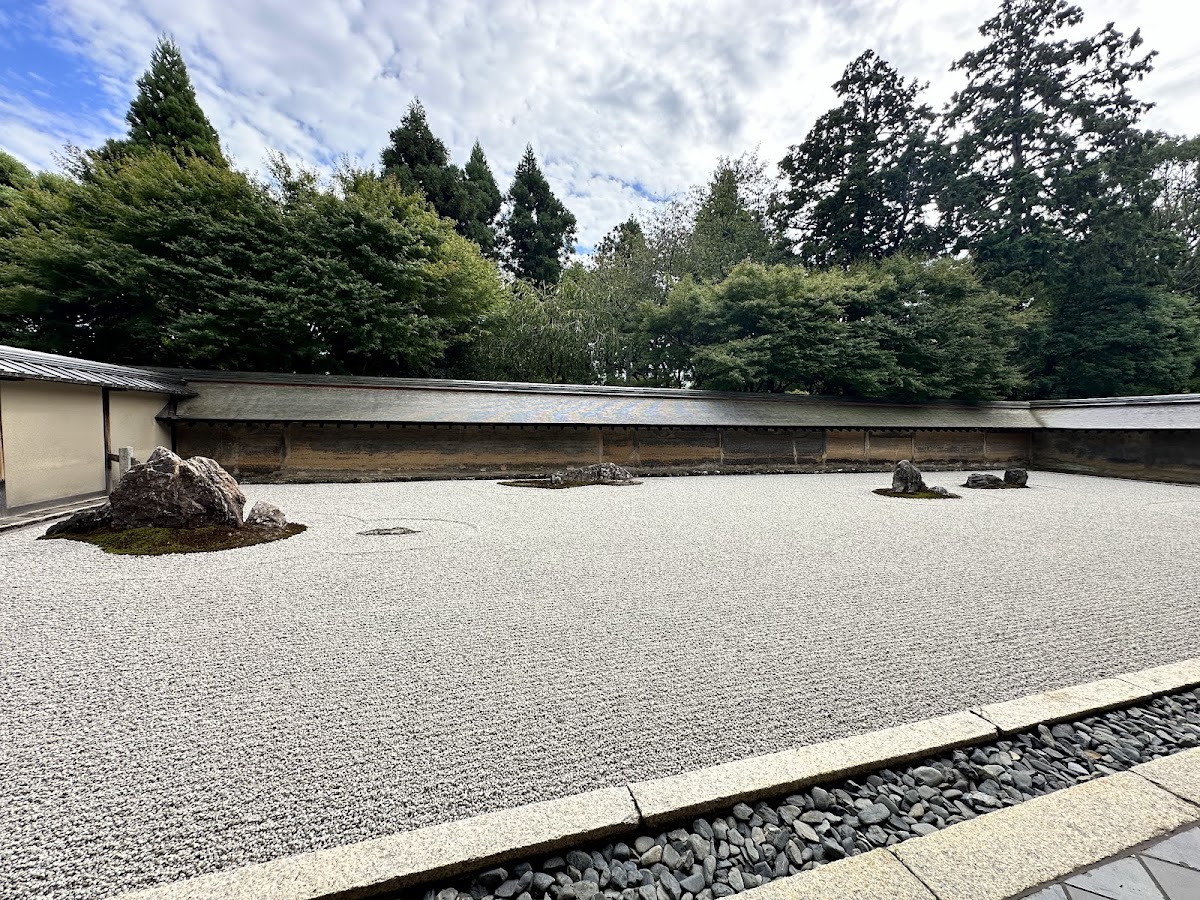
The temple grounds, with their tranquil atmosphere typical of a Rinzai Zen temple, are a peaceful place that allows you to forget the hustle and bustle of the city. Located along the Horikawa River, visitors can experience the changing seasons and find peace of mind while strolling through the temple grounds.
Access
Located in Atsuta Ward, Nagoya City, it is easily accessible by public transportation. For walking routes from the nearest station and information on parking availability, please check the official website.
Myoanji Temple (Nichiren Sect)
Myoanji Temple in Shizuoka Prefecture
Myoanji Temple in Shizuoka Prefecture is a Nichiren sect temple founded in 1648. The founding priest was Ken’ōin Nichizai Shōnin, and the founder was Shinshin’in Myōan Nichiei Shinni.
Connection to the Tokugawa Family
The founder, Myōan-ni, served Yōjuin Oman-no-kata, one of Tokugawa Ieyasu’s concubines (mother of the founder of the Mito and Kishū Tokugawa families). Yōjuin Temple is known for its deep faith in the Lotus Sutra, and influenced by this, Myōanni founded Myōanji Temple. Due to this historical background, the temple is known as a prestigious temple with deep ties to the Tokugawa family.
Faith in the Lotus Sutra
Based on the teachings of the Nichiren sect, the temple conducts its religious activities with the Lotus Sutra as its fundamental scripture. Regular memorial services and events are held on the temple grounds, attracting local believers.
Myōanji Temple in Nerima Ward, Tokyo
Myōanji Temple, located in Asahi-chō, Nerima Ward, Tokyo, is also a Nichiren sect temple. Its former head temple was Sanshō Ren’eiji Temple, and it belongs to the Shinshi Hōen lineage.
Cultural Properties on the Temple Grounds
In front of the temple gate are a title inscription monument erected in 1811 (Bunka 8) and a Hōkyōintō pagoda erected in 1827 (Bunsei 10), which convey the state of religious faith during the Edo period. These stone structures showcase the skills of the craftsmen of the time and are carefully preserved as historical assets of the region.
Myoanji Temple (Nishio City, Aichi Prefecture)
Myoanji Temple, located in Nishio City, Aichi Prefecture, is a Shingon Buddhist temple whose official name is Iozan Rurikoin Myoanji. It enshrines Yakushi Nyorai (Medicine Buddha) as its principal deity and is affectionately known locally as “Nishio’s Yakushi Nyorai.”
Yakushi Nyorai Faith
Yakushi Nyorai is a Buddha who attracts the faith of people praying for healing from illness and longevity. Myoanji Temple aims to be an open temple where people can visit without hesitation, a peaceful place where Yakushi Nyorai resides, and where they can visit once or twice without feeling intimidated.
Atmosphere of the Temple Grounds
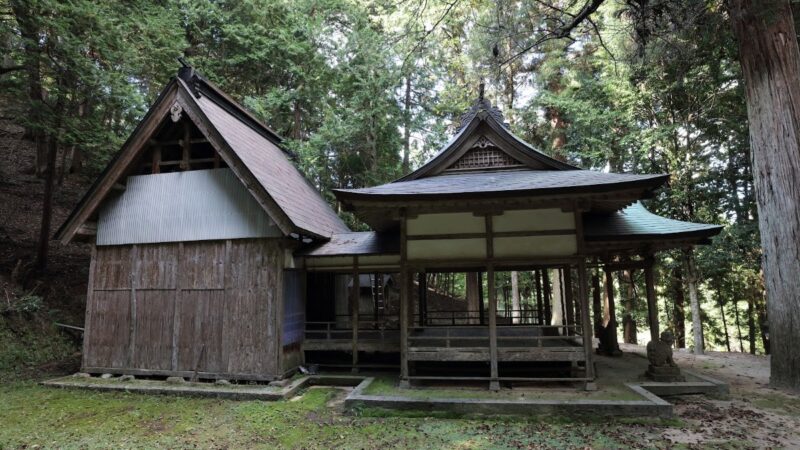
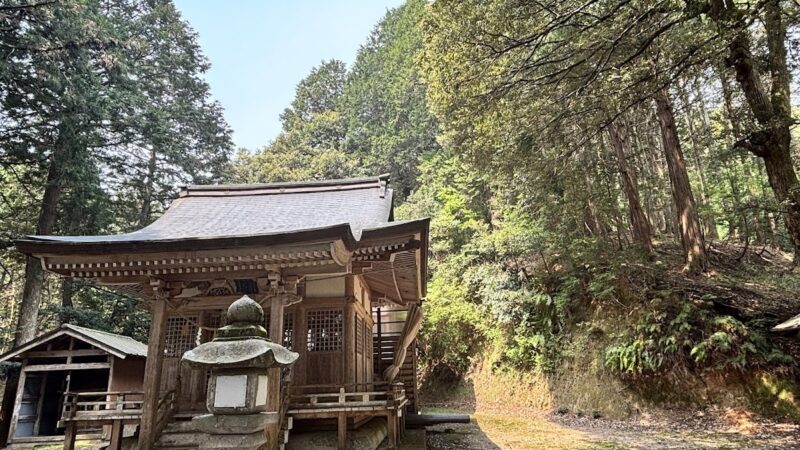
While possessing the esoteric atmosphere of Shingon Buddhism, it is a friendly and approachable temple open to the community. The temple grounds contain various halls, including the Yakushi-do (Medicine Buddha Hall), where people can quietly offer their prayers.
Myoanji Temple (Higashimatsuyama City, Saitama Prefecture)
Myoanji Temple, located in Oka, Higashimatsuyama City, Saitama Prefecture, is a temple belonging to the Soto Zen sect and has the mountain name Jiunzan Myoanji. This temple is known for managing the “Kamioka Batō Kannon” (Horse-Headed Kannon).
Kamioka Batō Kannon
Batō Kannon has been worshipped as the guardian deity of livestock such as horses and cattle, but is also revered as a Kannon who saves those in the animal realm of the six realms. Myoanji Temple in Higashimatsuyama City carefully protects this Batō Kannon and holds regular memorial services.
Access Information
Located at 1720 Oka, Higashimatsuyama City, Saitama Prefecture, inquiries can be made by phone or fax. It is conveniently located and easily accessible by car.
Buddhist Services and Memorials at Myoanji Temple
Myoanji temples throughout the region conduct Buddhist services and memorials based on the teachings of their respective sects.
Funerals and Memorial Services
At Myoanji Temple, we strive to provide courteous service for important Buddhist ceremonies at life’s milestones, such as funerals, annual memorial services, and first Obon memorial services. While the form of the ceremonies differs depending on the sect, the common thread is the attitude of remembering the deceased and supporting the bereaved family.
By consulting with the head priest or temple office in advance, you can receive detailed guidance on scheduling and preparations.
Graves and Perpetual Memorial Services
Many Myoanji Temples manage cemeteries and provide consultations regarding graves for parishioners and the general public. In recent years, an increasing number of temples are offering diverse forms of memorial services, such as perpetual memorial graves and columbariums.
If you are considering purchasing or managing a grave, or perpetual memorial services, we recommend checking the official website of each temple or visiting the temple directly for consultation.
Annual Events
Each Myoanji Temple holds annual events according to its sect. Jodo Shinshu temples hold regular events based on their respective traditions, such as the Hoonko (memorial service), Nichiren temples hold the Oeshiki (memorial service), and Zen temples hold Zen meditation sessions.
These events are often open to the general public as well as temple members, so those interested should inquire with each temple.
Guidelines for Visiting Myoanji Temple
To ensure a more fulfilling visit to Myoanji Temple, please keep the following points in mind:
Prior Confirmation
Before visiting, check the official website for opening hours and any events. General visits may be restricted during memorial services and events. Also, the head priest may be absent, so it is recommended to call in advance if you have any specific questions.
Attire and Etiquette
Clean and subdued attire is desirable for visiting. Please be quiet on the temple grounds and be considerate of other visitors. Even if photography is permitted, it is considered good manners to refrain from taking pictures inside the main hall or of Buddha statues.
Parking and Access Information
Access to each Myoanji temple varies greatly depending on its location. Public transportation is convenient for temples in urban areas, but access to temples in suburban areas is primarily by car. We recommend checking the access information on the official website or inquiring in advance regarding parking availability and capacity.
How to Check Announcements and Latest Information
Each Myoanji temple provides the latest information, including event announcements, Dharma talks, and photos of the temple grounds, through its official website and social media.
Utilizing the Official Website
Most Myoanji temples have official websites that include basic information such as address, phone number, and access information, as well as annual event schedules, greetings from the head priest, and photos and videos of the temple grounds. We recommend checking the official website first when planning a visit.
Event Calendar
Information on regular memorial services, Zen meditation sessions, and Dharma talks can be found on the event calendar. If you wish to participate, advance registration may be required, so please check the details.
The Charm of Myoanji Temple and its Connection to the Community
Myoanji temples throughout Japan are deeply connected to their respective communities. They function not merely as religious institutions, but also as repositories of cultural artifacts that convey the history of the region, and as community gathering places.
A Place of Peace and Tranquility
In modern society, temples play a vital role as places of spiritual solace. Each Myoanji temple aims to be an open and accessible place, welcoming not only local residents but also the general public.
Having time to calm one’s mind away from the hustle and bustle of daily life in the tranquil atmosphere of the temple grounds is a valuable experience for modern people.
The Inheritance of History and Tradition
With a history spanning several hundred years, Myoanji temples embody the history of their respective regions. The history accumulated within the temples—from its founding and origins to the educational activities of successive chief priests and its connection to the community—is an integral part of the region’s identity.
Passing on this history and tradition to future generations is one of the important roles of Myoanji temples.
Summary | Visit a Myoanji Temple Near You
Myoanji temples, scattered throughout Japan, each belong to a different Buddhist sect, possessing their own unique history and characteristics, while supporting the faith and lives of local people. While belonging to diverse sects such as Jodo Shinshu, Nichiren, Rinzai, Shingon, and Soto Zen, they all function as places that convey the teachings of Buddha and provide peace of mind to people.
Whether you’re seeking Buddhist services such as funerals and memorial services, need advice on graves and memorial services, or simply wish to visit in peace, Myoanji temples are open and welcoming places to visit. Check the official websites of each temple for addresses, directions, and event information, and please consider visiting one.
The scenery of the temple grounds, the warm greetings of the head priests, and encounters with the quietly standing Buddha statues and Kannon statues may bring new insights to your heart. Myoanji temples await your visit at any time.