Complete Guide to Joshōji Temple: History, Grounds, and Seasonal Highlights of the Temple Associated with Yoshino Tayū
Jōshōji Temple, nestled in Takagamine, Kita Ward, Kyoto City, is a renowned Nichiren Buddhist temple with a deep connection to Yoshino Tayū, a famous courtesan of the Edo period, and built on land donated by Hon’ami Kōetsu. As the Takagamine Danrin (Takagamine Buddhist Training Center), it served as a center of Buddhist learning, nurturing many learned monks. It also attracts numerous visitors with its seasonal beauty, particularly its cherry blossoms and autumn leaves.
This article will comprehensively introduce the charms of Joshōji Temple, from its historical background and grounds to its annual events and visiting information.
History of Joshōji Temple: The Establishment of Kōetsu Village and Takamine Danrin
Founding in 1615 and the Donation of Hon’ami Kōetsu
The history of Joshōji Temple dates back to 1615. Founded by Nichiken Shōnin, a high-ranking priest of the Nichiren sect, this temple developed into an important center of the Nichiren sect in Kyoto during the early Edo period.
The contribution of Hon’ami Kōetsu, a leading artist of the Edo period, is indispensable to the temple’s establishment. Kōetsu received land in Takamine from Tokugawa Ieyasu and formed “Kōetsu Village,” a gathering place for artists and craftsmen. Kōetsu was deeply devoted to Nichiken Shōnin and donated a portion of this land to Joshōji Temple.
Kōetsu Village was not merely an artists’ village; it was a creative community where craftsmen from various fields such as calligraphy, pottery, and lacquerware gathered, giving rise to new trends in Japanese culture. Joshōji Temple, as its spiritual pillar, played a crucial role in the cultural development of this region.
Role as Takamine Danrin
Shortly after its founding, Joshōji Temple became known as “Takamine Danrin,” functioning as a Nichiren Buddhist school of study (Danrin). A Danrin is a place of training for scholarly monks studying Buddhist doctrines, and Joshōji Temple nurtured many outstanding monks.
Throughout the Edo period, rigorous training and advanced doctrinal research were conducted at Joshōji Temple, and scholarly monks who deeply studied Nichiren Buddhist doctrines went on to various parts of the country. This tradition as a Danrin continued until the Meiji-era educational reforms, greatly contributing to the development of Nichiren Buddhist teachings.
Even today, Joshōji Temple, known as the “Temple of Danrin,” remains a valuable institution that conveys its scholarly tradition to the present day.
Deep Connection with Yoshino Tayū
An indispensable aspect of discussing Joshōji Temple is its relationship with Yoshino Tayū, a famous courtesan who represented Shimabara in the early Edo period. The second Yoshino Tayu was known for her beauty and refinement, and was highly regarded as a cultured woman well-versed in waka poetry, tea ceremony, and calligraphy.
Yoshino Tayu was deeply moved by the teachings of Nichikan Shonin and became a devout follower of Joshōji Temple. She made significant contributions to the temple’s development, donating the temple gate and planting cherry trees on the grounds. The cherry trees planted in front of the gate, in particular, are called “Yoshino Cherry Trees” and still bloom beautifully every spring.
After Yoshino Tayu’s death, a tomb was erected at Joshōji Temple, and the “Yoshino Tayu Flower Memorial Service” is held there every April. Because of this connection, Joshōji Temple is also known as “Yoshino’s Temple” and is cherished by many as a place to remember the elegant life of the courtesan.
Highlights of the Temple Grounds: A Space Woven with History and Nature
Yoshino Gate (Main Gate): A Symbolic Gate Painted in Red
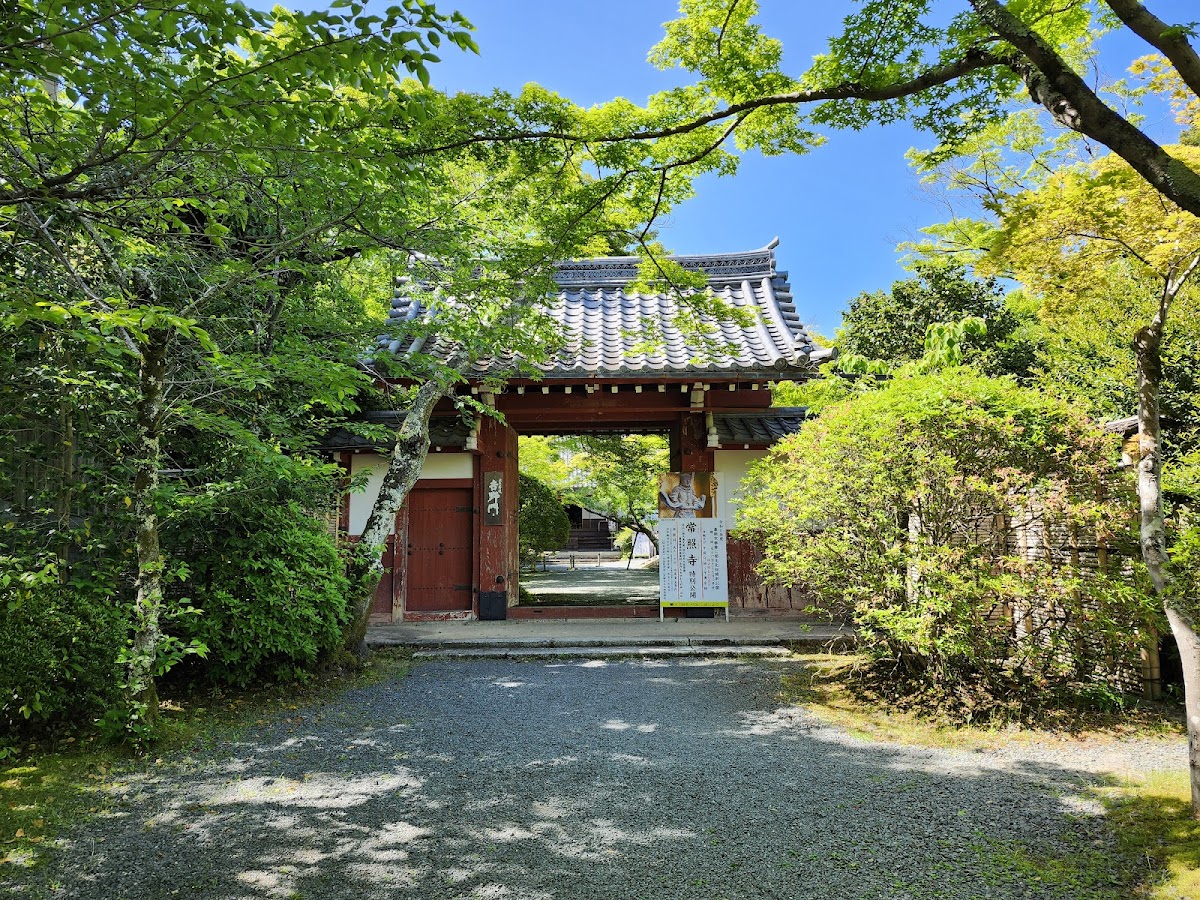
As you proceed along the approach to Joshōji Temple, the first thing that catches your eye is the beautiful vermilion-painted main gate, “Yoshino Gate.” This gate was donated by Yoshino Tayū and is a symbolic presence of Joshōji Temple.
In spring, Yoshino cherry blossoms adorn the area around the gate, and the scenery created by the vermilion gate and the pale pink cherry blossoms is truly picturesque. In autumn, the autumn leaves envelop the gate, showing a different kind of beauty.
Passing through the gate, a path leads to the temple grounds, enveloped in silence, and a tranquil space unfolds, making you forget the hustle and bustle of the city.
Main Hall and the Three Treasures
Located in the center of the temple grounds, the Main Hall houses the Three Treasures (representing the Three Treasures of Buddha, Dharma, and Sangha), the principal image of Joshōji Temple. The main hall, with its solemn atmosphere befitting a Nichiren Buddhist temple, continues to welcome many visitors as a place of prayer.
Inside the main hall, one can see various Buddhist implements and decorations that convey the teachings of Nichiren Buddhism, and a solemn atmosphere permeates the air, reflecting its history as a Buddhist training center.
Ihoan and Yoshino Window
Within the temple grounds is the tea room “Ihoan,” and among its features, the “Yoshino Window” is particularly famous. This window was created in memory of Yoshino Tayu, and the garden scenery visible from it changes with the seasons, deeply moving visitors.
The Yoshino Window is not merely a window for letting in light; it serves as a “frame” that captures the garden scenery like a painting. The view from the window, which shows different expressions in each season—cherry blossoms in spring, fresh greenery in summer, autumn leaves in fall, and snowscapes in winter—is one of the main reasons to visit Joshōji Temple.
Tea ceremonies are also regularly held at Ihoan, and it is used as a place to convey the elegant spirit of Yoshino Tayu to the modern age. ### Garden: A Space to Feel the Changing Seasons
The garden of Joshōji Temple is a beautiful Japanese garden that incorporates the Takagamine Three Mountains (Takagamine, Washigamine, and Amagamine) as borrowed scenery. Inheriting the aesthetic sensibilities of Kōetsu Village, where Hon’ami Kōetsu was active, this garden skillfully utilizes the natural terrain.
Moss-covered stone steps and lanterns are placed throughout the garden, creating a space that evokes a deep sense of spirituality amidst tranquility. Especially during the autumn foliage season, the entire temple grounds are dyed in red and yellow, attracting many tourists as one of Kyoto’s representative autumn foliage spots.
Within each season—cherry blossoms in spring, fresh greenery in early summer, autumn leaves in fall, and snowscapes in winter—the garden displays a different expression, making it a fascinating space where you can discover something new no matter how many times you visit.
Grave of Yoshino Tayū
In a corner of the temple grounds lies the grave of Yoshino Tayū. The simple yet dignified tombstone evokes the refined character of the courtesan. Fresh flowers are always placed at the grave, indicating that many people still admire her and visit her grave.
The area around the grave is enveloped in a tranquil atmosphere, providing a place of spiritual peace where one can quietly offer prayers while reflecting on the courtesan’s life.
Annual Events: Experiencing the Traditions of Joshōji Temple
Yoshino Tayū Flower Memorial Service (Third Sunday of April)
The most important annual event at Joshōji Temple is the “Yoshino Tayū Flower Memorial Service,” held every year on the third Sunday of April. This memorial service coincides with the anniversary of Yoshino Tayū’s death and has become a well-established event to commemorate her virtues and pray for the advancement of the performing arts.
On the day of the service, courtesans and geiko/maiko from Shimabara participate, and sometimes a magnificent courtesan procession is recreated. The sight of courtesans in their elegant attire parading through the temple grounds is a precious opportunity to revive the atmosphere of the Edo period in the modern age.
After the memorial service, a tea ceremony is held, allowing visitors to enjoy the spring scenery of Joshōji Temple while feeling the graceful spirit of the courtesans. This time of year, coinciding with cherry blossom season, is when Joshōji Temple is at its most vibrant.
Yoshino Tea Ceremony and Monthly Tea Ceremony
Jōshōji Temple regularly holds tea ceremonies. The “Yoshino Tea Ceremony,” in particular, is known as a highly formal tea ceremony where one can appreciate the spirit of the tea ceremony while remembering Yoshino Tayū.
Furthermore, the “Monthly Tea Ceremony,” held every month, allows visitors to experience an authentic tea ceremony in tea rooms such as Ihoan. Enjoying a cup of tea while admiring the garden view from the Yoshino window is a luxurious experience that allows you to forget the hustle and bustle of everyday life.
Since participation in tea ceremonies often requires advance registration, it is recommended to check the official information.
Other Events
Jōshōji Temple also holds important Buddhist services and seasonal events of the Nichiren sect. Religious events such as the Oeshiki ceremony showcase solemn rituals that carry on the traditions of the temple as a Buddhist training center.
Furthermore, the temple has undertaken new initiatives adapted to the times, such as an online viewing concert held to pray for the end of the COVID-19 pandemic, demonstrating its stance as a temple where tradition and innovation coexist.
Jōshōji Temple in the Four Seasons: The Best Time to Visit
Spring: A Splendid Season Adorned with Yoshino Cherry Blossoms
In spring, the Yoshino cherry blossoms donated by Yoshino Tayū are in full bloom, dyeing the entire temple grounds in a pale pink hue. The cherry blossoms around the Yoshino Gate are particularly magnificent, and the contrast between the vermilion gate and the cherry blossoms makes it a popular spot for photography enthusiasts.
The best time to see the cherry blossoms is usually from late March to early April. During the Yoshino Tayu Flower Memorial Service on the third Sunday of April, some cherry blossoms may still be in bloom, creating a vibrant atmosphere for the memorial service.
Walking along the spring path, you can enjoy a peaceful moment amidst the fluttering cherry blossom petals in the quiet temple grounds.
Summer: A Time of Tranquility Surrounded by Fresh Greenery
In early summer, the entire grounds of Joshōji Temple are enveloped in vibrant new greenery. The lush green leaves of the trees gleam in the sunlight, creating a landscape full of life.
Summer is a season with relatively few tourists, allowing for a quiet visit. The moss-covered gardens and shaded paths offer a refreshing coolness, making it a pleasant place to spend time even during Kyoto’s hot summer.
The summer garden visible from the Yoshino Window is also beautiful; the landscape, dyed entirely in green, is soothing to the eyes and calms the mind.
Autumn: Joshōji Temple as a Famous Spot for Autumn Foliage
In autumn, Joshōji Temple is a popular tourist destination, representing Kyoto’s famous autumn foliage. The maple and ginkgo trees within the temple grounds turn red and yellow, creating a breathtakingly beautiful landscape reminiscent of a brocade painting.
The autumn leaves around the stone steps leading from the approach to the main hall are particularly magnificent; walking through the tunnel of trees will create an unforgettable memory. The view of the autumn foliage from the Yoshino window is also spectacular, offering a truly awe-inspiring experience, like viewing a beautiful Japanese painting.
The best time to see the autumn leaves is usually from mid- to late November. Since visitor numbers increase during this period, visiting early in the morning is recommended.
Winter: A Serene Landscape Covered in Snow
In winter, especially after a snowfall, Joshōji Temple is enveloped in a serene and mystical atmosphere. The snow-covered grounds are so beautiful, it’s as if you’ve stepped into a world of ink painting.
Winter at Joshōji Temple offers a peaceful and tranquil experience with fewer tourists. The Yoshino Gate, nestled amidst the snow, and the snow-covered garden present a completely different atmosphere compared to other seasons.
The snowscape visible from the Yoshino Window in winter is particularly stunning, offering a beautiful, Zen-like landscape with its striking contrast of black and white.
Visiting Information: Before Visiting Joshōji Temple
Visiting Hours and Admission Fees
Visiting Hours: 8:30 AM – 5:00 PM (Normal Hours)
Admission Fee: Adults 400 yen, Elementary School Students 200 yen (As of 2024)
Visiting hours may change depending on the season and events, so it is recommended to check official information before visiting. Especially during special events such as the Yoshino Tayū Flower Memorial Service, visiting hours and fees may differ.
Access
Public Transportation:
- Get off at “Takagamine Genkoan-mae” bus stop (Kyoto City Bus), approximately 2 minutes on foot.
- Get off at “Tsuchitenjo-cho” bus stop (Kyoto City Bus), approximately 5 minutes on foot.
Car:
- Parking available (limited spaces; public transportation is recommended).
Takagamine is located in the northern part of Kyoto city, a bit of a distance from the city center, but bus access is relatively convenient. However, during peak seasons such as autumn foliage season, roads can become congested, so it is recommended to plan your visit with ample time.
Notes for Visitors
- Please visit the temple grounds quietly. Especially when religious services or tea ceremonies are taking place, please be considerate and avoid disturbing them.
- Photography is generally permitted, but there are areas where photography is prohibited, such as inside the main hall. Please follow the instructions of the staff.
- Please do not touch the plants or buildings in the garden.
- Depending on the season, some areas may be slippery, so it is recommended to wear comfortable shoes.
Nearby Attractions: Enjoying the Takagamine Area
Genko-an Temple: The Window of Enlightenment and the Window of Delusion
Located a few minutes’ walk from Joshō-ji Temple, Genko-an is a Rinzai Zen temple famous for its “Window of Enlightenment” and “Window of Delusion.” The garden views seen through the circular “Window of Enlightenment” and the square “Window of Delusion” are highly regarded as works of art that visually express the teachings of Zen.
Especially during the autumn foliage season, the garden dyed red by the leaves becomes a spectacular sight, making it a popular tourist spot often visited in conjunction with Joshō-ji Temple.
Kōetsu-ji Temple: A Temple Associated with Hon’ami Kōetsu
Kōetsu-ji Temple, where Hon’ami Kōetsu, who donated land to Joshō-ji Temple, spent his later years, is also an important tourist spot in the Takagamine area. It houses Kōetsu’s grave, and a garden that reflects his artistic spirit unfolds before you.
The bamboo fence at Koetsu-ji Temple, known as the “Koetsu-gaki,” is famous as a pinnacle of Japanese landscape gardening techniques and is well worth a visit.
Nature of the Takagamine Three Mountains
Behind Joshō-ji Temple lie the Takagamine Three Mountains (Takagamine, Washigamine, and Amagamine), creating a rich natural environment. There are easy hiking trails and viewpoints offering panoramic views of Kyoto city.
The Takagamine area, where nature and history harmonize, is a hidden gem for Kyoto sightseeing, perfect for those seeking a relaxed pace.
The Charm of Joshō-ji Temple: Why You Should Visit
The greatest charm of Joshō-ji Temple lies in the exquisite harmony of history, culture, and nature. The spirit of the art village built by Hon’ami Koetsu, the elegant life of Yoshino Tayū, the academic tradition of the Takagamine Danrin, and the seasonal beauty of nature—all of these are condensed into one temple.
While Kyoto boasts numerous famous temples, Joshō-ji Temple is relatively quiet, making it a hidden gem for a peaceful visit. In a tranquil atmosphere that hasn’t been overly commercialized, it’s a precious place where you can experience the true spirit of Kyoto.
The garden viewed from the Yoshino window, the contrast between the Yoshino gate and the cherry blossoms, the approach to the temple enveloped in autumn leaves—Joshōji Temple offers numerous scenes that leave a deep impression on the hearts of visitors. For those who want to deeply understand Kyoto’s history and culture, those who want to calm their minds in a quiet environment, and those who want to appreciate the beauty of traditional Japan, Joshōji Temple is a must-visit.
Summary: Experiencing the Deep Charm of Kyoto at Joshōji Temple
Joshōji Temple is a Nichiren Buddhist temple located in Takagamine, Kita-ku, Kyoto City, founded in 1615 by Nichikan Shōnin. Built on land donated by Hon’ami Kōetsu, it has a history of serving as a spiritual pillar of Kōetsu Village and as the Takagamine Danrin, nurturing many learned monks.
Due to its deep connection with Yoshino Tayu, a famous courtesan of the Edo period, Joshōji Temple is also known as “Yoshino’s Temple,” and various events are held there every year, including the Yoshino Tayu Flower Memorial Service in April. The temple grounds offer many sights to see, including the Yoshino Gate, the main hall, the Iho-an tea house and Yoshino window, and beautiful gardens, with particularly stunning views during the cherry blossom season in spring and the autumn foliage season.
Although located in Takagamine, somewhat removed from the city center of Kyoto, it is relatively easy to access, and visiting it along with other nearby attractions such as Genkō-an and Kōetsu-ji Temple will enhance your Kyoto sightseeing experience.
Jōshōji Temple, where history, culture, and nature harmonize, is a special place where you can feel the profound charm of Kyoto. For those who wish to escape the hustle and bustle, find peace of mind in the quiet temple grounds, and experience the beauty of Japanese tradition—a visit to Joshōji Temple is highly recommended.