Complete Guide to Fumon-in Temples: History and Access to Fumon-in Temples Across Japan (Saitama, Yonezawa, Koyasan, etc.)
There are several temples named “Fumon-in” throughout Japan. Each has its own unique history and cultural assets, and has served as a center of local faith for many years. This article provides detailed information on major Fumon-in temples, including those in Saitama City (Saitama Prefecture), Yonezawa City (Yamagata Prefecture), Koyasan (Wakayama Prefecture), and Matsue City (Shimane Prefecture).
Table of Contents
This article will provide a detailed explanation of the following topics:
- What is Fumon-in?
- Fumon-in in Omiya Ward, Saitama City (Taiseizan Fumon-in)
- The relationship between Fumon-in in Yonezawa City and Lord Uesugi Yozan
- Fumon-in Temple Lodgings at Koyasan
- Fumon-in in Matsue City (Kangetsuan)
- Other Fumon-in Temples
- Access Information for Each Fumon-in Temple
- Cultural Properties and Highlights
What is Fumon-in?
The temple name “Fumon-in” originates from the teaching of Kannon Bodhisattva’s “Fumon Shigen” (appearing in accordance with the needs of all people). Temples bearing this name are scattered throughout Japan across various Buddhist sects, each deeply intertwined with local history.
Major Fumon-in temples belong to various sects, including the Soto, Shingon, and Tendai sects, and their founding periods range widely from the Heian period to the Muromachi period.
Fumon-in Temple (Taiseizan Fumon-in) in Omiya Ward, Saitama City
History and Founding
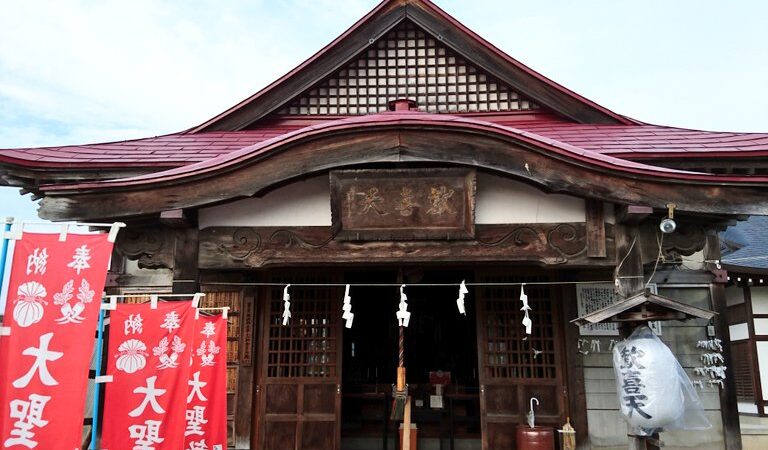
Taiseizan Fumon-in Temple, located in Taisei-cho, Omiya Ward, Saitama City, Saitama Prefecture, boasts a history of over 600 years as a Soto Zen Buddhist temple. It was founded in 1426 (Oei 33), when Kaneko Suruga-no-kami Taisei, the local lord at the time, became a follower of Zen Master Gekko Shobun, who visited the area.
Kaneko Taisei was deeply impressed by the teachings of Zen Master Gekko Shobun, and shaved his head, changing his name to Genko Anshu. He then converted his castle, Taiseikan, into a temple, adopting the mountain name Taiseizan and the temple name Fumon-in, which marks the origin of this temple.
Temple Grounds and Facilities
The grounds of Taiseizan Fumon-in Temple are equipped with the main hall and other temple buildings, and it functions as a center of faith for the region. Furthermore, Fumon-in Kindergarten is located within the temple grounds, providing early childhood education through Buddhist teachings.
Fumon-in Kindergarten contributes to the education of local children based on the philosophy of “nurturing the strength to live resiliently through Buddhist teachings.”
Cultural Heritage
Fumon-in Temple in Saitama City is home to a Tarayo tree, designated as a city natural monument. The Tarayo tree (Ilex latifolia) is also known as the “postcard tree” because writing can be done on the underside of its leaves, and it is often planted in Buddhist temples.
The Tarayo tree on the temple grounds is ancient and is protected as a valuable natural heritage that has witnessed the history of the region.
Burial Grounds and Notable Figures
Fumon-in Temple is also known for being the burial ground of the renowned literary figure, Masuji Ibuse. Masuji Ibuse was a representative writer of the Showa era, known for works such as “Black Rain,” making it a worthwhile place to visit for literature fans.
Access
Access to Fumon-in Temple in Omiya Ward, Saitama City is as follows:
- Train: Take a bus from the west exit of Omiya Station on the JR Keihin-Tohoku Line or Saikyo Line.
- Bus: From the west exit of Omiya Station, take the Tobu Bus bound for “Mitsuhashi General Park” or “Taisei 4-chome,” get off at “Taisei-cho 3-chome,” and walk for about 3 minutes.
- Car: Approximately 10 minutes from the Yono IC on the Shuto Expressway Saitama-Omiya Line.
- Address: 3-501 Taisei-cho, Omiya Ward, Saitama City, Saitama Prefecture
Fumon-in Temple in Yonezawa City and Lord Uesugi Yozan
History and Founding
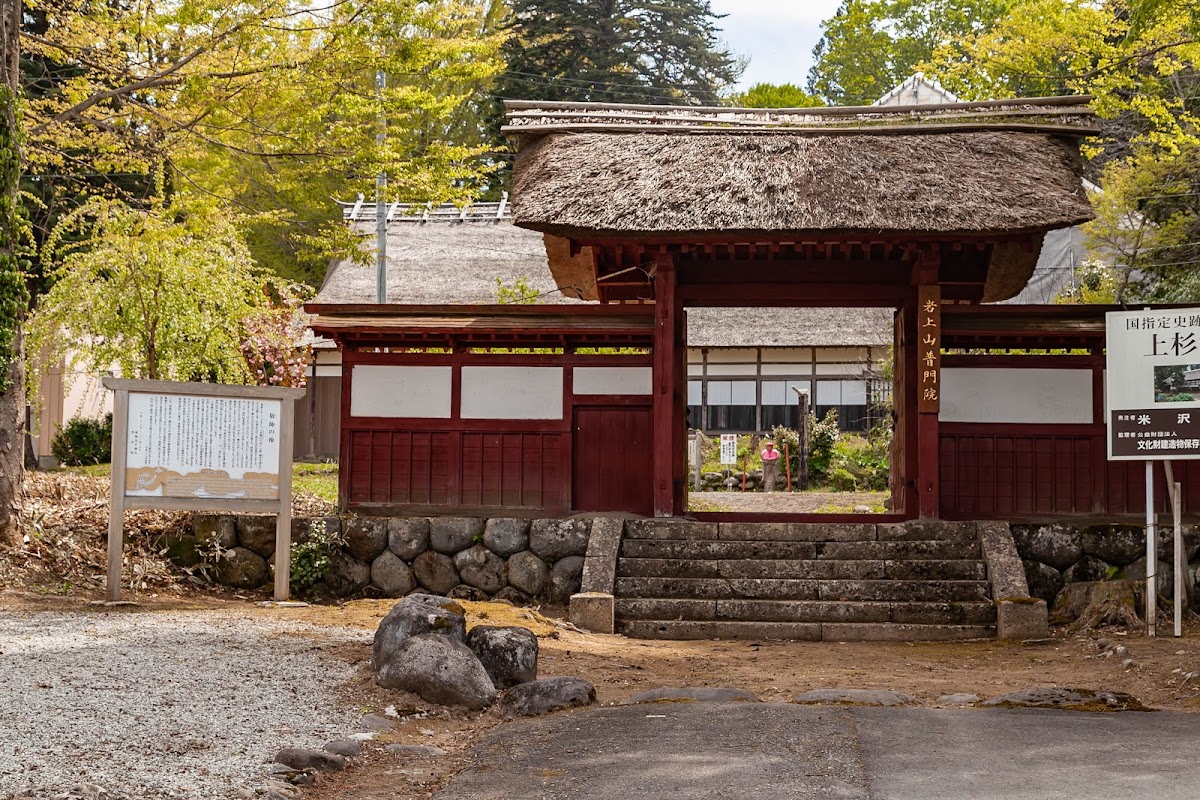
Fumon-in Temple in Yonezawa City, Yamagata Prefecture, is an ancient temple dating back to the Heian period, founded in 853 (Ninju 3) by Eikei Hoin to pray for the peace and security of the people. The temple was built in its current location about 450 years ago, when Yonezawa was a castle town of the Date family. Later, it was destroyed by fire, but it was rebuilt in 1796 (Kansei 8), and the current building dates from that period.
Sites Associated with Lord Uesugi Yozan
Fumon-in Temple in Yonezawa is a nationally designated historical site, associated with Lord Uesugi Yozan, a renowned Edo period lord. Uesugi Yozan is remembered in history for his reforms of the Yonezawa domain’s administration, his efforts to rebuild its finances, and the stability of its people.
Fumon-in Temple was a spiritual pillar of Lord Yozan’s domain reforms and remains a popular spot for history enthusiasts.
Highlights of the Temple Grounds
Fumon-in Temple in Yonezawa features a main hall that retains Edo period architectural style, and numerous historical sites related to Lord Uesugi Yozan. The temple grounds are enveloped in a tranquil atmosphere, providing a space where visitors can feel the weight of history while paying their respects.
Fumon-in Temple in Yonezawa is a place that served as a spiritual pillar for Lord Yozan’s domain reforms and remains a popular destination for many history lovers today.
Highlights of the Temple Grounds
Fumon-in Temple in Yonezawa contains a main hall that retains Edo period architectural style, as well as various historical sites related to Lord Uesugi Yozan. The temple grounds are enveloped in a serene atmosphere, creating a space where visitors can feel the weight of history while paying their respects. ### Access
Access to Fumon-in Temple in Yonezawa City is as follows:
- Train: Walk or taxi from JR Ou Main Line “Yonezawa Station”
- Car: Approximately 10 minutes from Tohoku Chuo Expressway “Yonezawa Chuo IC”
- Address: Yonezawa City, Yamagata Prefecture (See official website for details)
Fumon-in Temple Lodging on Mount Koya
History and Origin
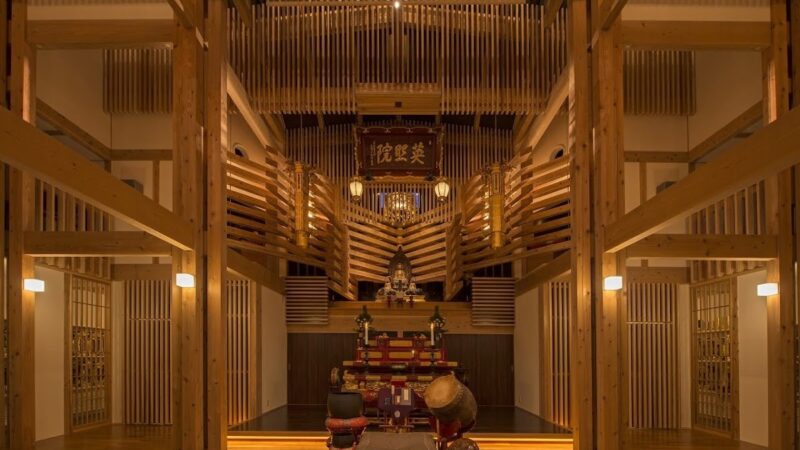
Fumon-in Temple, located on Mount Koya in Wakayama Prefecture, is a temple lodging originating from Kinso Daishi, the teacher of Kobo Daishi Kukai. Kinso Daishi was the teacher of Kobo Daishi when he was a novice monk, and it is said that he built a temple on this mountain in joy of his disciple Kukai’s founding of Mount Koya, which marked the beginning of this temple.
The name Fumon-in comes from the principal image, Fumon no Dainichi Nyorai (Vairocana Buddha of Fumon).
National Treasure Portrait
Fumon-in Temple houses a realistic portrait of the Venerable Kinso, holding an inscription praising the conduct of Kobo Daishi Kukai, written by Kukai himself. This portrait is designated a National Treasure. This portrait, commemorating the renowned scholar of Nara, is an extremely important cultural asset in the history of Japanese Buddhist art.
Function as a Temple Lodging
Fumon-in Temple on Mount Koya still welcomes pilgrims and tourists as a temple lodging. It offers a valuable opportunity to experience the unique religious practices of Mount Koya, such as enjoying vegetarian cuisine and participating in morning services.
Staying at a temple lodging allows you to have time for self-reflection in a tranquil environment, away from the hustle and bustle of everyday life.
Access
Access to Fumon-in Temple in Koyasan is as follows:
- Train: From Gokurakubashi Station on the Nankai Koyasan Line, take the Koyasan Cable Car to Koyasan Station, then transfer to the Nankai Rinkan Bus.
- Car: Approximately 50 minutes from Katsuragi-Nishi Interchange on the Keina-Wa Expressway via National Route 480.
- Address: Koyasan, Koya-cho, Ito-gun, Wakayama Prefecture (See the temple lodging reservation website for details)
Fumon-in Temple (Kangetsuan) in Matsue City
History and Founding
Fumon-in Temple (Kangetsuan), located in Matsue City, Shimane Prefecture, is a temple founded approximately 400 years ago by Horio Yoshiharu, the first lord of the Matsue Domain, when he built Matsue Castle and developed the castle town.
Originally built as Toyokuni Shrine (dedicated to Toyotomi Hideyoshi) in Ichinari, Nishikawazu-cho, Matsue City, it was later relocated to its current location and re-established as Fumon-in Temple.
Scenery along the Horikawa River
Fumon-in Temple is located along the Horikawa River of Matsue Castle, where pleasure boats gracefully pass by, and is situated beyond the Fumon-in Bridge. It can be seen from the bridge during a Horikawa River cruise, offering a glimpse into Matsue’s charm as a water city.
Origin of Kangetsu-an
Fumon-in Temple is also known as “Kangetsu-an” (Moon-Viewing Hermitage). This name comes from the fact that the beautiful moon can be viewed from the temple grounds, attracting many visitors, especially during the autumn full moon season.
Access
Access to Fumon-in Temple in Matsue City is as follows:
- Train: Take a city bus from JR San’in Main Line “Matsue Station”
- Bus: Take the “Gurutto Matsue Lake Line” bus from Matsue Station and get off at “Koizumi Yakumo Memorial Museum” bus stop (approximately 5-minute walk)
- Horikawa Sightseeing Boat: Take a sightseeing boat from a boarding point near Matsue Castle, passing near Fumon-in Bridge
- Address: Matsue City, Shimane Prefecture (For details, please check with the tourist information center)
Other Fumon-in Temples
Fumon-in Temple in Shiraoka City, Saitama Prefecture
In Shiraoka City, Saitama Prefecture, there is a Shingon sect Chizan-ha temple called Ryukozan Hounji Fumon-in. It is conveniently located a 5-minute walk from JR Utsunomiya Line “Shin-Shiraoka Station” and is also managed by Satte Kannon Manpuku-ji Temple.
It is situated in a rich natural environment and is also used as a cemetery.
Fumon-in Temple of the Buzan School of Shingon Buddhism
Koseizan Fumon-in Temple is a temple of the Buzan school of Shingon Buddhism, founded by the monk Yusen during the Kan’ei era (1624-1643). The principal image is Fudo Myoo, and the current head priest is the 21st in line.
In 1996, the main hall and guest hall were rebuilt with donations from parishioners, and the ornaments of the inner sanctuary were also donated by numerous parishioners.
Oguri Tadamasa, a Hero of the Late Edo Period, and Fumon-in Temple
Oguri Tadamasa, a shogunate official during the late Edo period, is known for his contributions to Japan’s modernization. It is said that the tomb of Oguri Tadamasa, who promoted the construction of the Yokosuka Shipyard and laid the foundation for the Japanese Navy, is also connected to a certain Fumon-in Temple.
Although Oguri Tadamasa was executed during the turbulent late Edo period, he was later re-evaluated, and his foresight and achievements were recognized. His connection to Fumon-in Temple is a significant historical site that tells the story of the end of his life.
Cultural Properties and Highlights of Fumon-in Temple
Natural Monument
The Ilex latifolia tree at Fumon-in Temple in Saitama City is designated as a city natural monument. Because the underside of the Ilex latifolia leaves can be written on, it has been used in temples since ancient times for writing Buddhist scriptures.
This giant Ilex latifolia tree, hundreds of years old, is carefully protected as a symbol of Fumon-in Temple’s history.
Buddhist Art
Fumon-in Temple on Mount Koya houses numerous valuable Buddhist art pieces, including the national treasure, the portrait of Kinso Daishi. These cultural properties are important resources for understanding the development of Japanese Buddhist culture.
Architectural Styles
Fumon-in Temples throughout Japan retain architectural styles from different eras. From Edo period reconstructions to modern Japanese-style architecture from the Meiji and Taisho periods, one can see the architectural techniques and aesthetic sensibilities of each era.
Visiting and Experiencing Fumon-in Temple
Zen Meditation Experience
Fumon-in Temple in Saitama City, a Soto Zen temple, regularly holds Zen meditation sessions. Even beginners can participate in these sessions, allowing them to calm their minds and have time to reflect on themselves.
Temple Lodging Experience
At Fumon-in Temple on Mount Koya, you can experience life in an authentic Buddhist temple by staying in a temple lodging. You can enjoy valuable experiences not found in everyday life, such as morning prayers, vegetarian meals, and sutra copying.
Annual Events
Each Fumon-in temple holds various events throughout the year. By participating in seasonal ceremonies such as New Year’s visits, Setsubun festivals, flower festivals, and Obon memorial services, you can experience traditional Japanese Buddhist culture.
Fumon-in Temple and the Local Community
Early Childhood Education
Fumon-in Temple in Saitama City contributes to local early childhood education through its affiliated Fumon-in Kindergarten. Our educational philosophy emphasizes cultivating the Buddhist teachings of “compassion,” “gratitude,” and “cooperation.”
Cemeteries and Memorial Services
Many Fumon-in temples provide memorial services for local residents through the danka (parishioner) system. We offer a variety of memorial services tailored to modern needs, including ancestral memorial services, perpetual memorial services, and tree burials.
Cultural Activities
Each Fumon-in temple conducts activities to familiarize local residents with Buddhist culture, such as sutra copying sessions, Dharma talks, and Buddhist lectures. Through these activities, the temples also serve as community centers.
Guidelines for Visiting Fumon-in Temple
Temple Etiquette
When visiting a temple, please observe the following basic manners:
- Bow at the temple gate before entering the grounds
- Quietly clasp your hands together in prayer in the main hall
- Do not take pictures in areas where photography is prohibited
- Do not speak loudly on the temple grounds
- Take your trash with you
Attire
No special attire is required, but please avoid revealing clothing and aim for clean, understated attire. If staying at a temple lodging, it is a good idea to bring comfortable clothing and socks for morning prayers.
Offerings and Donations
When offering money during your visit, the amount is up to your discretion. If you wish to request special prayers or memorial services, please check with the temple in advance.
The Modern Significance of Fumon-in Temple
A Place of Peace of Mind
In modern society, temples like Fumon-in Temple serve as valuable spaces to escape the hustle and bustle of daily life and find peace of mind. In the tranquil atmosphere of the temple grounds, you can have time to reflect on yourself.
Inheritance of History and Culture
Fumon-in temples throughout Japan, such as Fumon-in in Saitama City with a history of over 600 years and Fumon-in in Yonezawa City with a history of over 1000 years, play an important role in conveying the history and culture of their respective regions to the present day.
Core of the Local Community
Temples are not merely religious facilities; they also function as places where local residents gather and interact. Through various religious services, events, and educational activities, they play a role in deepening the bonds of the local community.
Summary
Fumon-in temples throughout Japan each possess their own unique history and culture, and are deeply connected to their local communities. Fumon-in in Saitama City, a Soto Zen temple, boasts a 600-year history and is the burial place of Masuji Ibuse; Fumon-in in Yonezawa City is a historical site associated with Lord Yozan Uesugi; Fumon-in on Mount Koya features a national treasure portrait and a temple lodging experience; and Fumon-in in Matsue City offers a picturesque view along the Horikawa River. Each has its own unique charm.
Visiting a temple is not merely sightseeing; it’s a precious opportunity to connect with Japanese history and culture and find peace of mind. We encourage you to visit Fumon-in temples throughout Japan and experience their history and charm.
When visiting, please check the opening hours and event schedule in advance, and be mindful of proper etiquette and quiet worship. If you wish to experience a temple lodging stay, advance reservations are required; please apply through the official website or reservation site.