Complete Guide to Koya-ji Temples: A Thorough Explanation of the History, Benefits, and Visiting Information of Koya-ji Temples Nationwide
Koya-ji temples are numerous throughout Japan, many of which were founded by or bear the name of Kobo Daishi Kukai. Each Koya-ji temple has its own unique history and characteristics, and is cherished by the local people. This article comprehensively introduces useful information for visiting major Koya-ji temples, including their history, benefits, highlights within the temple grounds, annual events, and access information.
What are Koya-ji Temples?: Connections with Kobo Daishi Kukai
The name Koya-ji originates from Mount Koya, founded by Kobo Daishi Kukai, the founder of the Shingon sect of Buddhism. Many Koya-ji temples throughout Japan are known to have been founded by Kobo Daishi during his pilgrimages throughout the country, or to have a deep connection with Mount Koya.
Many temples belong to sects centered around the Koyasan Shingon sect, and have attracted local faith as sacred sites that convey the teachings of Shingon Esoteric Buddhism to the present day. Each of the Koya-ji temples, as ancient temples with a history of over a thousand years, continues to preserve cultural assets and traditional events.
Koya-ji Temple in Takeo City, Saga Prefecture: An ancient temple famous as the Rhododendron Temple
History and Origin
Koya-ji Temple in Takeo City, Saga Prefecture, is an ancient temple founded over 1,200 years ago by Kobo Daishi Kukai. Ancient documents from the Kamakura period state that “any criminal who runs to the grounds of Koya-ji Temple will be pardoned,” indicating its function as a place of compassionate salvation.
It has a long history of welcoming many worshippers as one of the 88 sacred sites of Kyushu and one of the Bishamonten sacred sites of the Seven Lucky Gods of Hizen Province. Upon entering the temple gate, the deep and tranquil atmosphere soothes the hearts of visitors.
Charm as a Rhododendron Spot
Koya-ji Temple in Takeo City is widely known as the “Rhododendron Temple.” The temple’s Japanese garden boasts over 1,000 rhododendron bushes of approximately 20 varieties, including both Japanese and Western varieties, which are at their peak from early April to early May.
The rhododendrons are particularly at their peak around April 10th, and a “Rhododendron Festival” is held from early to mid-April. Furthermore, the “Aoba Festival” takes place from mid-April to early May, where the sight of late-blooming flowers scattered among the fresh green maple leaves is breathtakingly beautiful, resembling a “flower light.”
Benefits and Prayers
Takano-ji Temple in Takeo is especially known as a temple for prayers for safe childbirth and fertility. It also attracts many visitors from within and outside the prefecture for various prayers, including protection against dementia, good fortune and protection from evil, car blessings, and Shichi-Go-San (a traditional Japanese rite of passage for children).
Within the temple grounds is a unique Jizo statue known as the “Eight Jizo of Severing Ties,” believed to sever bad ties such as illness and misfortune. Memorial services for aborted fetuses are also held here, making it a place of prayer at various turning points in life.
Access and Visiting Information
Koya-ji Temple in Takeo City, Saga Prefecture, can be accessed by bus or taxi from JR Takeo Onsen Station. During the rhododendron blooming season, many tourists visit, so using public transportation is recommended. The temple grounds are rich in nature, providing an environment where visitors can stroll and pray at their leisure.
Koya-ji Temple in Hamada City, Shimane Prefecture: Azaleas and Views of the Sea of Japan
Founded by Kobo Daishi
Koya-ji Temple in Hamada City, Shimane Prefecture, is an ancient temple of the Omuro branch of the Shingon sect. Between the Daido era and the 5th year of the Konin era (814 AD), Kobo Daishi, while on a pilgrimage throughout the country to save all sentient beings, founded this temple with the image of the Holy Kannon Bodhisattva, which he perceived on the day he completed his ascetic training at “Ikenotoge” on the summit of this mountain, as its principal deity.
Azalea-lined Path and Spectacular Views
The path leading to Koya-ji Temple is lined with 1,000 vibrant azaleas, heralding the arrival of spring. From the summit, visitors can enjoy a panoramic view of Asari Fuji and the Sea of Japan, a breathtaking sight that captivates all who come. The surrounding area is also developed as a hiking trail, making it an attractive environment for enjoying nature while visiting the temple.
Valuable Cultural Assets
The temple’s treasured bronze bell is an elegant piece incorporating Korean bell patterns in various parts of the bell body, and is noteworthy as a blend of Japanese and Korean styles. It was designated a cultural property of Shimane Prefecture in 1967 and is preserved as a cultural asset of high historical value.
Koya-ji Temple in Wakayama City: A Hub for Diplomatic Relations with Mount Koya
Historical Role
Kakujuin Koya-ji Temple, located in Mototeramachi, Wakayama City, is a temple of the Koyasan Shingon sect. This temple has a history of playing an important role as a hub for diplomatic relations between Mount Koya and the Kishu Domain.
The Great Master of Nanachōme
Known affectionately as “The Great Master of Nanachōme,” it has attracted many worshippers on the 21st of every month since ancient times. The temple’s festival, coinciding with the monthly anniversary of Kobo Daishi’s death, continues as a traditional local event.
Koya-ji Temple in Kochi City, Kochi Prefecture: Birthplace of Itagaki Taisuke
Founded in the Meiji Era
Koya-ji Temple, located in Honmachi 2-chome, Kochi City, Kochi Prefecture, is a relatively new temple founded in the Meiji era. During the late Edo period, when the Jōzōin sub-temple of Kongōbu-ji Temple on Mount Kōya was destroyed by fire, the head priest, Hara Shinchō, witnessed the devastating state of Buddhist temples in Tosa while traveling throughout the country, and vowed to build a temple there.
Relationship with Itagaki Taisuke
This Kōya-ji Temple is known as the birthplace of Itagaki Taisuke. After Itagaki Taisuke left his birthplace in 1877 (Meiji 10), the vacant house was used as a school building for the Risshi Gakusha. In April 1881 (Meiji 14), Hara Shinchō purchased Itagaki Taisuke’s birthplace and began construction of the Kōya-san branch office, which was completed on July 19, 1883 (Meiji 16).
The Legend of Kawakami Fudo
According to the temple’s history, a legend tells of a Fudo Myoo statue that was swept away by a flood from Yokoya in Ryoke-go, upstream of the Kagami River, and was enshrined in the large wisteria tree at its current location. It is known as “Kawakami Fudo.” The temple’s founding is said to be ancient, dating back to the Heian period, specifically to 807 AD (Daido 2).
Koya-ji Temple in Asakura City (Amagi), Fukuoka Prefecture
There is also a Koya-ji Temple in Asakura City (Amagi), Fukuoka Prefecture. Amagi Koya-san Koya-ji Temple is a sacred site with a 1,200-year history, with Koya-san, founded by Kobo Daishi, as its head temple. The Okunoin (inner sanctuary) of Koya-san contains hundreds of thousands of graves of daimyo and people of various religious sects, testifying to the widespread faith.
Annual Events and Festivals at Takano-ji Temple
Rhododendron Festival and Green Leaf Festival
At Takano-ji Temple in Takeo City, Saga Prefecture, the “Rhododendron Festival” is held from early to mid-April. It’s a rare opportunity to admire the colorful rhododendrons blooming throughout the temple grounds. Following this, the “Green Leaf Festival” is held from mid-April to early May, where you can enjoy the contrast between the fresh green maple leaves and the late-blooming rhododendrons.
Star Festival Prayer Service
At Takano-ji Temple in Kochi Prefecture, the Star Festival Prayer Service is held around Setsubun (the day before the beginning of spring). There is a daytime session (1:00 PM – 2:30 PM) and an evening session (6:30 PM – 8:00 PM), with bean-throwing also taking place during the evening session. Based on Indian astrology, prayers are offered to ward off misfortunes befalling the minds and bodies of worshippers.
Monthly Temple Festival
At Koya-ji Temple in Wakayama City, a temple festival is held on the 21st of every month, coinciding with the monthly anniversary of Kobo Daishi’s death, attracting many worshippers. It is a beloved place of faith and community for the local people.
Prayers and Memorial Services at Koya-ji Temple
Various Prayers
Koya-ji Temple accepts various types of prayers. The main types of prayers offered are as follows:
- Prayer for Safe Childbirth and Conception: A prayer for a safe delivery and the blessing of many children.
- Prayer for Protection from Misfortune: A prayer to avoid misfortune during unlucky years in life.
- Prayer for Good Fortune: A prayer to enhance one’s luck and attract good fortune.
- Prayer for Prevention of Dementia: A prayer to maintain physical and mental health and prevent dementia.
- Car Blessing: A prayer for safe travels for automobiles.
- Shichi-Go-San: A visit to celebrate the healthy growth of children.
Memorial Services for Stillborn Children and Perpetual Memorial Services
Koya-ji Temple in Takeo City also offers memorial services for stillborn children, providing a place for commemoration for the unborn children. Some temples also offer perpetual memorial services, allowing for the long-term remembrance of the deceased’s soul.
Questions and Applications
For questions regarding various prayers and memorial services, please contact each Koya-ji Temple directly. Advance reservations may be required, so it is recommended to check before visiting.
Highlights of Koya-ji Temple Grounds
Japanese Garden and Nature
The Japanese garden at Koya-ji Temple in Takeo City, in particular, displays beauty throughout the four seasons. From rhododendrons in spring, to green maple leaves in early summer, and autumn foliage, you can enjoy different expressions depending on the time of year you visit. The garden is meticulously maintained, allowing you to find peace of mind in its tranquility.
Temple Gate and Main Hall
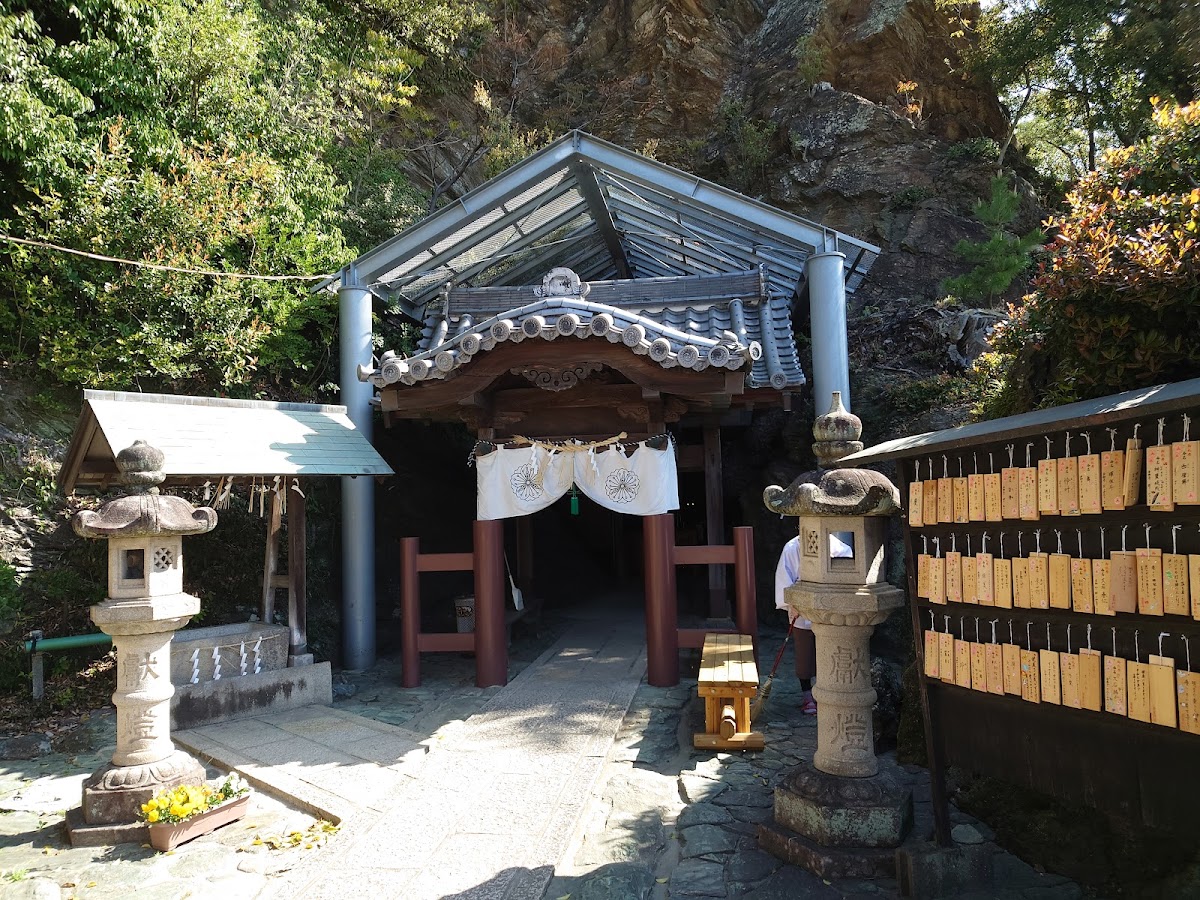
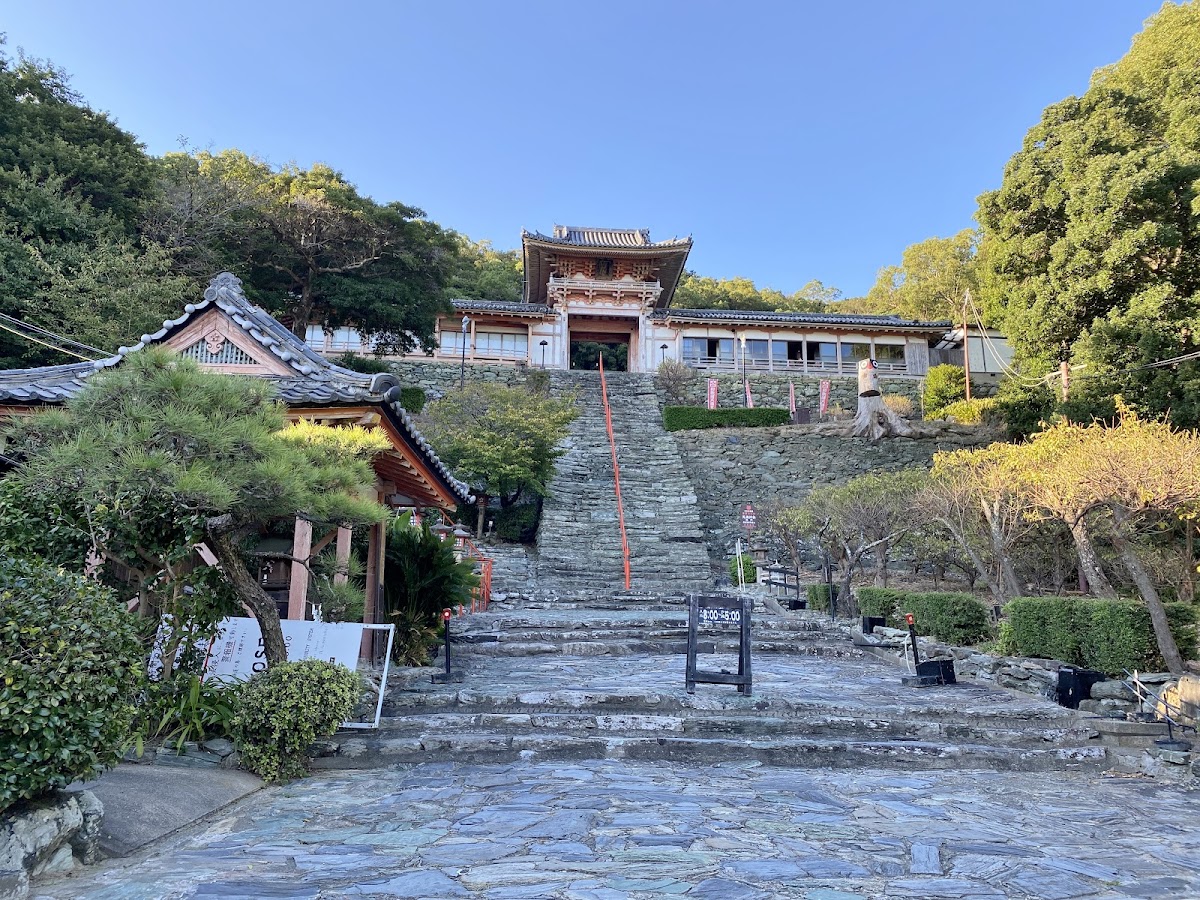
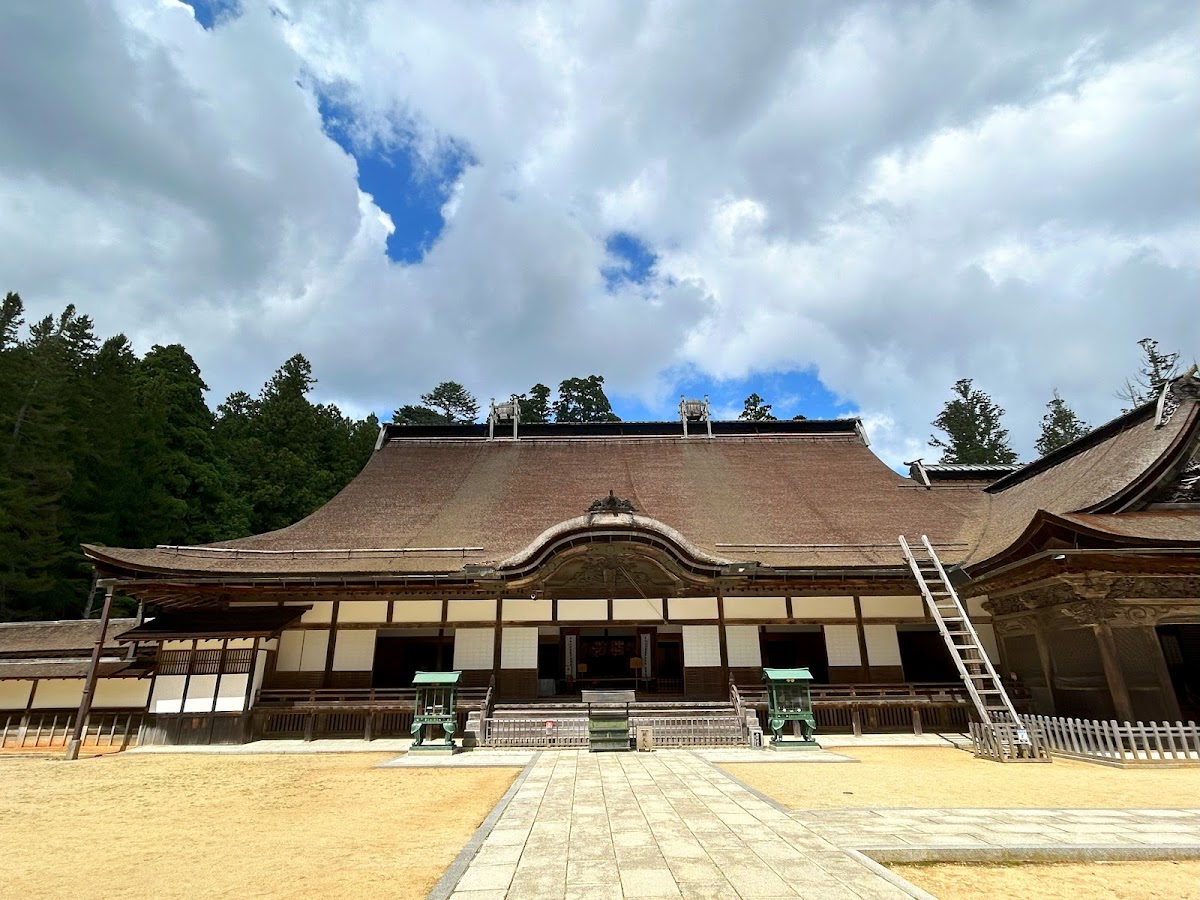
The temple gates at each Koya-ji temple hold significant meaning as a boundary separating the secular world from the sacred realm. By passing through the gate, you can leave the hustle and bustle of everyday life and enter the world of Buddhism. The main hall enshrines the principal deities, such as Kannon Bodhisattva and Fudo Myoo, and you can quietly offer your prayers.
Eight Jizo Statues for Severing Ties
The Eight Jizo Statues for Severing Ties at Koya-ji Temple in Takeo City are unique Jizo statues that sever bad ties such as illness and misfortune. Visitors come seeking liberation from various difficulties in life.
Access to and Visiting Points for Koya-ji Temple
Koya-ji Temple, Takeo City, Saga Prefecture
Take a bus or taxi from JR Takeo Onsen Station. Since it is expected to be crowded during the rhododendron blooming season, it is recommended to visit with plenty of time to spare. Parking is available, but it may be full during event periods.
Koya-ji Temple, Hamada City, Shimane Prefecture
Located on a mountaintop, a visit combined with a hike is recommended. You can enjoy the azaleas along the approach to the temple at a leisurely pace. The view of the Sea of Japan from the summit is exceptional.
Koya-ji Temple, Wakayama City
Located in the city center of Wakayama, it is easily accessible. Many visitors come on the 21st of each month, so it is a good idea to aim for a visit on this day.
Koya-ji Temple, Kochi City, Kochi Prefecture
Located in the center of Kochi City, it is easily accessible by public transportation. As a place associated with Itagaki Taisuke, it can be visited in conjunction with a historical walk.
Manners and Etiquette for Visiting Koya-ji Temple
Etiquette for Visiting a Temple
When visiting a temple, please observe the following basic manners:
- Bow at the Temple Gate: Bow before passing through the temple gate and entering the grounds.
- Purification at the Water Basin: Purify your hands and mouth before praying.
- Praying at the Main Hall: Quietly join your hands and pray with sincerity.
- Refrain from Talking: Be quiet on the temple grounds and be considerate of other visitors.
- Photography: Refrain from taking photographs in areas where photography is prohibited, such as inside the main hall.
Clothing and Belongings
No special clothing is required, but avoid revealing clothing and opt for clean, understated attire. If visiting Koya-ji Temple, which is located in the mountains, wear comfortable walking shoes. It’s also convenient to have small change ready for offerings and purchasing amulets.
Amulets and Souvenirs at Koya-ji Temple
Each Koya-ji temple offers a variety of amulets and souvenirs. Amulets are available to suit various wishes, including those for safe childbirth, fertility, protection from evil, and traffic safety. You can also receive a Goshuin (temple stamp), which is cherished as a memento of your pilgrimage.
Tourist Attractions Around Koya-ji Temple
Around Takeo City
There are many tourist attractions to visit in conjunction with Koya-ji Temple, such as Takeo Onsen (hot springs), Takeo Shrine, and Takeo City Library. You can relax in the hot springs and enjoy sightseeing at your leisure.
Around Hamada City, Shimane Prefecture
This is a tourist destination where you can enjoy nature and food, such as the coastline of the Sea of Japan and seafood cuisine. After enjoying the view from Koya-ji Temple, we recommend savoring fresh local seafood.
Around Wakayama City
As a gateway to Koyasan, Wakayama City boasts many tourist attractions, including Wakayama Castle and Wakayama Marina City. You can experience Wakayama’s history and culture in conjunction with your visit to Koya-ji Temple. ### Around Kochi City
Kochi City boasts numerous attractive tourist destinations, including Kochi Castle, Katsurahama Beach, and the Sunday Market. You can also enjoy historical walks in areas associated with Itagaki Taisuke.
Summary: Finding Peace of Mind at Koya-ji Temple
Koya-ji temples, scattered throughout Japan, are ancient temples that convey the teachings of Kobo Daishi Kukai, each possessing its own unique history and characteristics. They offer diverse attractions to visitors, including grounds adorned with rhododendrons and azaleas, stunning views of the Sea of Japan and surrounding mountains, and buildings and cultural assets steeped in long history.
Koya-ji temples serve as a spiritual haven for local people, serving as places of prayer for various life events such as safe childbirth, fertility, protection from evil, and prevention of dementia, as well as places for commemorating the deceased, such as memorial services for stillborn babies and perpetual memorial services.
Koya-ji Temple offers a chance to enjoy the beauty of nature in every season, find peace of mind in its tranquility, and have time to reflect on yourself away from the hustle and bustle of everyday life. Why not visit a Koya-ji Temple near you and experience its history and charm? The moment you pass through the temple gate and step into the grounds, you will feel the weight of faith that has continued for over a thousand years and the warmth of the compassionate embrace of Buddha.