Complete Guide to Kashima Shrines: Deities, Blessings, List of Kashima Shrines Nationwide, and How to Visit
Kashima Shrines are a group of historically significant shrines located throughout Japan, all dedicated to Takemikazuchi-no-Okami, a god of war. This article provides a detailed explanation of the historical background of Kashima Shrines, the characteristics of their deities, their blessings, representative Kashima Shrines throughout Japan, and the correct way to visit them.
What are Kashima Shrines?
Kashima Shrines (Kashima Jinja) are a group of shrines with Kashima Jingu, located in Kashima City, Ibaraki Prefecture, as their head shrine. While the spelling may vary by region (e.g., “Kashima,” “Kashima,” “Kashima,” “Kashima”), all refer to shrines dedicated to Takemikazuchi-no-Okami.
Origins and History of Kashima Shrines
Kashima Jingu is said to have been founded in the first year of Emperor Jimmu’s reign (660 BC), and is deeply intertwined with the history of Japan’s founding. In ancient times, Kashima Shrine, along with Katori Shrine, was deeply revered by the imperial court as a guardian deity of eastern Japan.
From the Nara period to the Heian period, during the central government’s administration of eastern Japan and its campaigns against the Emishi people, the worship of Takemikazuchi-no-Okami, a god of war, spread throughout the country. As a result, Kashima shrines, which enshrined a分霊 (bunrei, a divided spirit) of Kashima Shrine, were built in various locations.
From the medieval period onward, with the rise of the samurai class, the worship of Takemikazuchi-no-Okami as a god of martial arts and victory spread further, and he also attracted the reverence of Sengoku warlords. During the Edo period, Kashima worship became widespread among common people, and Kashima shrines were built throughout the country.
About the enshrined deity: Takemikazuchi-no-Okami
Divine attributes of Takemikazuchi-no-Okami
Takemikazuchi-no-Okami is known as the strongest god of war in Japanese mythology. Appearing in the Kojiki and Nihon Shoki, he is depicted as a god who, at the command of Amaterasu Omikami, successfully negotiated the transfer of the land.
According to mythology, Takemikazuchi-no-Okami achieved the transfer of Izumo Province through negotiations with Okuninushi-no-Kami using the power of his sword. From this myth, Takemikazuchi-no-Okami is worshipped as a god symbolizing military strength, decisiveness, and negotiation skills.
Aspect as a Thunder God
The name “Takemikazuchi” is said to contain the “Mikazuchi” part meaning “thunder,” and Takemikazuchi-no-Okami also possesses characteristics as a thunder god. In ancient times, thunder was a symbol of heavenly power and was believed to have the power to ward off evil.
God Who Calms Earthquakes
Kashima Shrine has a sacred stone called “Kanameishi” (Keystone), which, according to legend, holds back a giant catfish rampaging deep underground. Because of this, Takemikazuchi-no-Okami is also worshipped as a god who calms earthquakes. ## Benefits of Kashima Shrine
Kashima Shrine is believed to offer the following benefits through the divine power of Takemikazuchi-no-Okami:
Good Fortune in Competitions and Victory
The most representative benefit is improved luck in competitions. Athletes, students taking exams, business people, and others facing any kind of “competition” visit the shrine. Improved negotiation skills, stemming from the myth of the transfer of the land, are also expected.
Improvement in Martial Arts and Sports
Due to its nature as a god of war, it is worshipped by people wishing to improve in martial arts such as kendo, judo, and karate, as well as in all kinds of sports. Many martial artists and athletes visit Kashima Shrine.
Protection from Evil and Disaster
As a god of war with the power to ward off evil, it is believed to offer protection from evil and disaster. It is especially considered effective for protection against misfortune and for safe travel.
Protection from Earthquakes and Family Safety
The shrine is also known for its protection from earthquakes, stemming from the legend of the keystone. People visit to pray for the safety of their homes and the well-being of their families.
Improvement of Decision-Making and Action-Oriented Skills
As the deity fulfilled the important mission of transferring the land, people facing important life decisions or embarking on new challenges visit to pray for improved decision-making and action-oriented skills.
Career Success and Promotion
Many visitors pray for success, promotion, and business prosperity in their careers. It is said to be particularly revered by sales professionals and business owners.
Major Kashima Shrines Nationwide
Numerous Kashima shrines are located throughout Japan. Here, we introduce some of the most representative Kashima shrines.
Kashima Jingu (Kashima City, Ibaraki Prefecture)
Kashima Jingu, the head shrine, has been revered by the imperial court and samurai families since ancient times as the Ichinomiya (first-ranked shrine) of Hitachi Province. The vast grounds contain sacred trees over 1000 years old and a keystone believed to quell earthquakes.
- Location: 2306-1 Miyachu, Kashima City, Ibaraki Prefecture
- Features: One of the three major shrines of the eastern provinces, one of the three great shrines of Japan
- Main Events: Saitosai (March 9th), Reisai (September 1st)
Kashima Shrine (Adachi Ward, Tokyo)
This Kashima Shrine in Tokyo is cherished as the local guardian deity. The Kashima Shrine in Adachi Ward is said to have been founded during the Heian period.
Kashima Shrine (Kanagawa Prefecture)
There are several Kashima Shrines in Kanagawa Prefecture, each worshipped as a guardian deity of its respective region.
Kashima Shrine (Osaka Prefecture)
The Kashima Shrine in Osaka Prefecture has also long been revered by local residents. Befitting Osaka, a city of commerce, many people visit to pray for business prosperity.
Kashima Shrine (Fukuoka Prefecture)
Kashima Shrines are scattered throughout the Kyushu region, where the worship of the god of war is deeply rooted.
Regional Characteristics
While Kashima Shrines throughout Japan generally enshrine Takemikazuchi-no-Okami, they possess unique characteristics linked to the history and culture of their respective regions.
- Eastern Japan: Strong ties to samurai culture, with many martial arts-related offerings.
- Western Japan: Also shows connections to prayers for safe maritime travel.
- Urban Areas: Many prayers are for business success and passing exams.
- Rural Areas: Strong emphasis on prayers for abundant harvests and regional safety.
Architectural Style and Grounds Characteristics of Kashima Shrines
Characteristics of Shrine Architecture
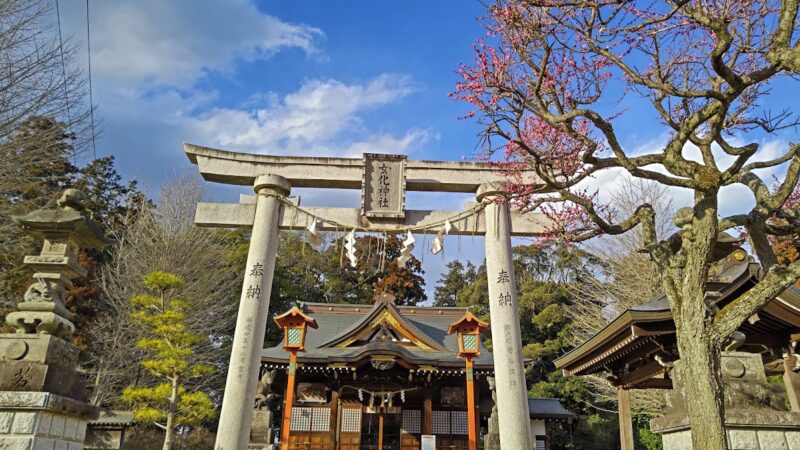
Many Kashima Shrines employ traditional shrine architectural styles such as Shinmei-zukuri and Nagare-zukuri. The main hall of Kashima Jingu, the head shrine, is a magnificent building designated as an Important Cultural Property.
Main Facilities on the Shrine Grounds
A typical Kashima Shrine grounds include the following facilities:
- Main Hall: The most sacred place where the enshrined deity is worshipped
- Worship Hall: The building where worshippers offer prayers
- Shrine Gate: The entrance to the sacred area
- Water Basin: A place to purify oneself before worship
- Shrine Office: A place where goshuin (shrine stamps) and amulets are given out
- Shrine Precinct: Small shrines dedicated to other deities
Sacred Trees and Nature
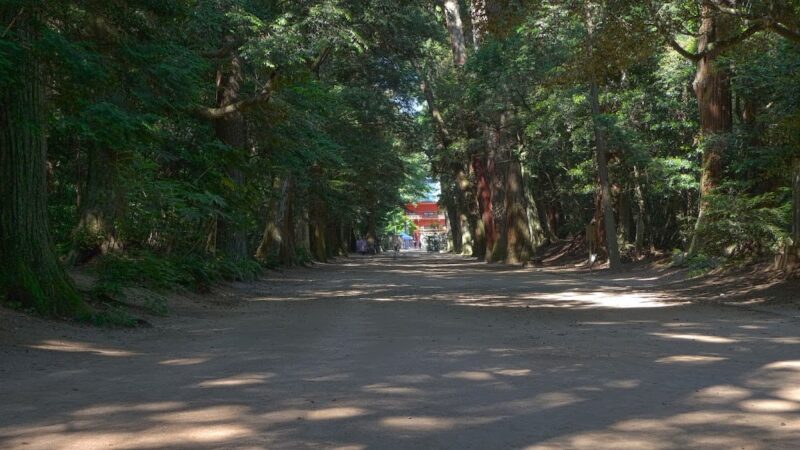
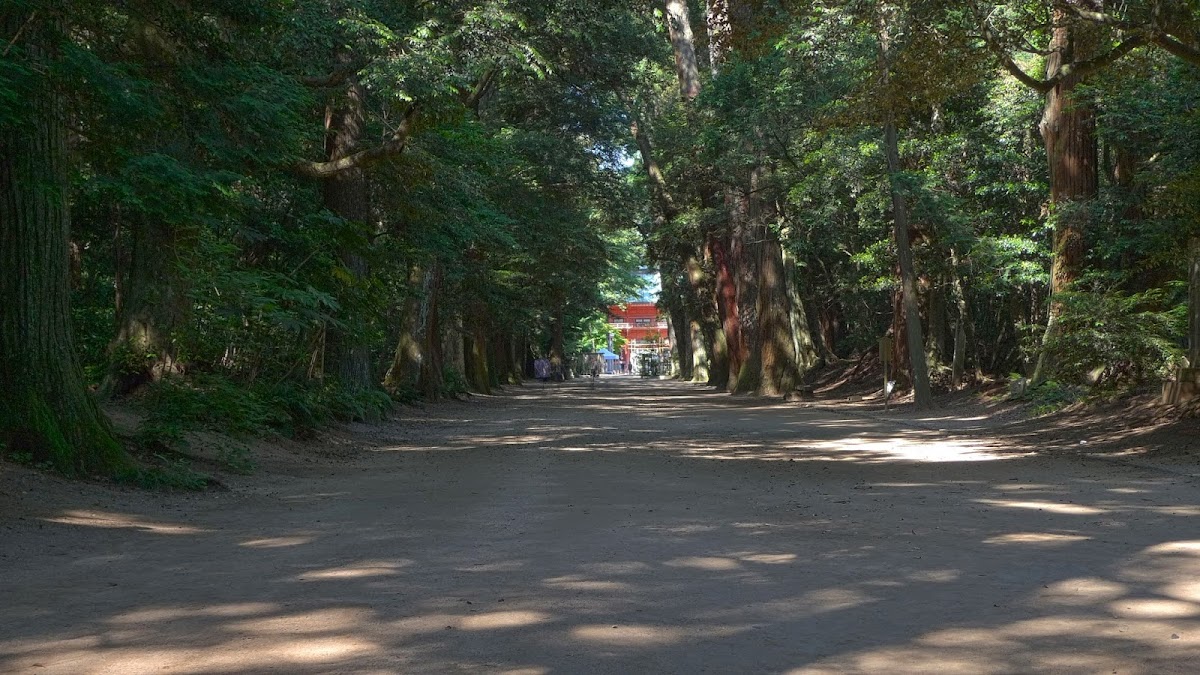
Many Kashima Shrines have sacred trees hundreds of years old, creating a sacred atmosphere. The grounds, rich in nature, offer a healing space away from the hustle and bustle of the city.
Correct Way to Worship and Manners
Here’s how to properly worship at a Kashima Shrine.
How to Pass Through a Torii Gate
- Bow once before the torii gate.
- Walk along the edge of the path, as the center is considered the path of the gods.
- If there are multiple torii gates, it is polite to bow once before each one.
How to Wash Your Hands
- Hold the ladle in your right hand and wash your left hand.
- Switch the ladle to your left hand and wash your right hand.
- Switch the ladle back to your right hand, receive water in your left hand, and rinse your mouth.
- Wash your left hand once more.
- Hold the ladle upright, let the water flow down the handle, and return it to its original place.
How to Bow
- Stand in front of the offering box and bow slightly.
- Gently place your offering in the box (do not throw it).
- If there is a bell, ring it.
- Bow using the two bows, two claps, one bow method.
- Bow deeply twice.
- Clapping twice at chest height
- Offering a heartfelt prayer
- Finally, bowing deeply once
Attire for Visiting the Shrine
There are no specific rules, but clean attire that reflects the sacred nature of the place is desirable. For formal worship (entering the main hall), suits are appropriate for men, and suits or formal attire for women.
Photography Etiquette
Photography is generally permitted on the shrine grounds, but please refrain from taking pictures inside the main hall or in areas where photography is prohibited. Please be considerate of other worshippers.
Goshuin (Shrine Seals) and Amulets
About Goshuin (Shrine Seals)
At Kashima Shrine, you can receive a Goshuin as proof of your visit. Goshuin are given at the shrine office after your visit.
- Offering Fee: Usually around 300-500 yen
- Reception Hours: Varies by shrine, but usually around 9:00-17:00
- Goshuincho (Shrine Stamp Book): Bring your own or purchase one at the shrine
Main Types of Amulets
Kashima Shrine offers various amulets corresponding to different blessings.
- Victory Amulet: An amulet for improving luck in competitions
- Martial Arts Amulet: An amulet for improving skills in martial arts and sports
- Exorcism Amulet: An amulet for warding off evil and misfortune
- Traffic Safety Amulet: An amulet for traffic safety
- Academic Success Amulet: An amulet for passing exams and achieving academic success
- Work Amulet: An amulet for improving work luck
Annual Events at Kashima Shrine
Kashima Shrine holds various festivals and events throughout the year.
Main Annual Events
- Hatsumode (January 1st-3rd): Praying for happiness in the new year
- Setsubun Festival (around February 3rd): Driving away evil spirits with bean-throwing
- Kinensai Festival (around February 17th): Praying for a bountiful harvest
- Reitaisai (Autumn): The most important festival
- Niinamesai Festival (November 23rd): A festival of gratitude for the harvest
- Oharai (June 30th & December 31st): Purifying oneself of sins and impurities accumulated over the past six months
Special Festivals
Kashima Shrine is famous for its magnificent festival called “Saitōsai,” held annually on March 9th. This festival is designated as a National Important Intangible Folk Cultural Property.
The Relationship Between Kashima Shrine and Martial Arts/Sports
Deep Connections to Martial Arts
Kashima Shrine has deep ties to Japanese martial arts culture. During the Edo period, a school of swordsmanship known as “Kashima no Tachi” (Kashima Sword) emerged, and many master swordsmen trained at Kashima Shrine.
The renowned swordsman Tsukahara Bokuden studied swordsmanship at Kashima Shrine and founded the “Kashima Shinto-ryu” school. This school had a significant influence on later Japanese swordsmanship.
Relationship with Modern Sports
Even today, many athletes visit Kashima Shrine. In particular, the J. League team Kashima Antlers, with “Kashima” in its team name, has a deep connection to Kashima Shrine.
Olympic athletes and professional athletes often visit to pray for victory, demonstrating that the worship of the martial god continues to be passed down in modern sports culture.
Practical Advice for Visiting Kashima Shrine
Best Time to Visit
Kashima Shrine is open year-round, but different times of year offer different attractions.
- New Year (January): Lively atmosphere for Hatsumode (first shrine visit of the year), perfect for renewing your resolutions for the new year.
- Spring (March-May): Beautiful fresh greenery, ideal for praying for success in a new life.
- Autumn (September-November): The time of the annual festival, where you can witness traditional rituals.
- Weekdays: Weekdays are recommended for those who wish to visit in peace and quiet.
Access and Time Required
Access to various Kashima Shrines differs, but using the head shrine, Kashima Jingu, as an example:
- Train: 10-minute walk from JR Kashima Line “Kashima Jingu Station”
- Car: Approximately 15 minutes from Higashi-Kanto Expressway “Itako IC”
- Time Required: 30 minutes to 1 hour for visiting the shrine grounds; approximately 2 hours for a more thorough visit.
Nearby Tourist Attractions
In the case of Kashima Jingu, the following tourist attractions are located nearby.
- Katori Shrine: An ancient shrine that forms a pair with Kashima Shrine.
- Ikisu Shrine: One of the three major shrines of the eastern provinces.
- Kashima Sea: A beautiful coastline.
- Itako Iris Garden: Enjoy seasonal flowers.
Points to Note When Visiting
- Time: Check opening hours in advance (usually from sunrise to sunset).
- Attire: Choose comfortable and respectful clothing.
- Items to Bring: Goshuincho (stamp book), small change, camera, etc.
- Weather: Be careful as the ground can be slippery in rainy weather.
The Modern Significance of Kashima Shrine Worship
Role as a Spiritual Pillar
In modern society, Kashima Shrine is not merely a tourist destination, but plays a role as a spiritual pillar for people. For modern people fighting in a competitive society, praying to the god of war provides emotional support.
Preservation of Traditional Culture
The festivals and events of Kashima Shrine play a vital role in passing on Japan’s traditional culture to future generations. They also function as a place to strengthen the bonds of the local community.
Harmony with Nature
Many Kashima Shrines are situated in rich natural environments, providing urban dwellers with a valuable opportunity to connect with nature. The forests within the shrine grounds contribute to ecosystem conservation as “guardian forests.”
Myths and Legends of Kashima Shrine
The Myth of the Transfer of the Land
The most famous myth is the story of the “Transfer of the Land,” in which Takemikazuchi-no-Okami, who descended from Takamagahara to Earth, received the land from Okuninushi-no-Kami. This myth is passed down as an important story related to the formation of the Japanese nation.
It is said that Takemikazuchi-no-Okami descended to Izumo with Futsunushi-no-Kami, and after placing the Totsuka-no-Tsurugi sword upside down on the waves and sitting on its tip, negotiated with Okuninushi-no-Kami. This overwhelming authority led to the peaceful transfer of the land.
The Legend of the Keystone
The legend of the keystone, passed down at Kashima Shrine, is an interesting legend related to earthquakes. It is said that a giant catfish lives underground, and when it rages, earthquakes occur. The keystone is believed to be holding down the head of this giant catfish, and that the earthquakes are being calmed by the power of Takemikazuchi-no-Okami.
According to Edo period documents, Tokugawa Mitsukuni, known as Mito Komon, tried to excavate the keystone, but after digging for seven days and seven nights, he could not see the bottom and gave up.
Local Legends
Each Kashima Shrine throughout Japan has its own unique legends and origins. Stories intertwined with local history and culture become an integral part of the identity of the people of that land.
Relationship between Kashima Shrine and other shrines
The Three Shrines of Eastern Japan
Kashima Shrine, along with Katori Shrine (Katori City, Chiba Prefecture) and Ikisu Shrine (Kamisu City, Ibaraki Prefecture), is known as one of the “Three Shrines of Eastern Japan,” and there has long been a custom of visiting all three shrines. This pilgrimage to the three shrines was as popular as the pilgrimage to Ise Shrine during the Edo period.
Relationship with Kasuga Taisha Shrine
Kasuga Taisha Shrine in Nara was founded by inviting Takemikazuchi-no-Okami from Kashima Shrine. The deer being the divine messenger of Kasuga Taisha Shrine stems from the legend that Takemikazuchi-no-Okami descended from Kashima to Nara riding a white deer.
Nationwide Network of Martial God Worship
Shrines dedicated to Takemikazuchi-no-Okami form a nationwide network of worshippers, sharing a common foundation of faith, including the promotion of martial arts and sports, and prayers for regional safety.
Summary: The Significance of Visiting Kashima Shrine
Kashima Shrine is deeply rooted in Japanese history and culture, and the worship of the martial god Takemikazuchi-no-Okami has been continuously passed down from ancient times to the present day.
Many people visit seeking various blessings, such as good fortune in competitions, improvement in martial arts, and protection from evil, but its essence is not merely a place to make wishes. It is a place to believe in one’s own inner strength and gain the courage and determination to face difficulties.
Even in modern society, visiting Kashima Shrine at life’s turning points or when making important decisions can help to calm the mind and gain vitality for new challenges. Kashima Shrines throughout Japan are also valuable cultural assets that convey the history and culture of their respective regions, making them places worth visiting.
Please visit a nearby Kashima Shrine, or even the head shrine, Kashima Jingu, and feel the powerful energy of the war god. By praying with the correct etiquette and sincerity, you will surely gain new strength.