Complete Guide to Umenomiya Taisha Shrine | A Kyoto Ancient Shrine with Blessings for Safe Childbirth and Fertility, and Beautiful Seasonal Flowers
Umenomiya Taisha Shrine, located in Umezu, Ukyo-ku, Kyoto City, is a historic shrine with a history dating back to the Heian period. Known nationwide as a deity of safe childbirth and fertility, it has attracted widespread devotion from the imperial family, nobility, and common people alike. This article provides a detailed introduction to Umenomiya Taisha Shrine, including its history, blessings, highlights, seasonal flowers, and access information.
What is Umenomiya Taisha Shrine?
Umenomiya Taisha Shrine enshrines four main deities: Sakatoke-no-kami and Sakatoke-ko-no-kami, known as the gods of sake brewing, and Owaku-ko-no-kami and Kowaku-ko-no-kami. It is believed to have been founded during the Tenpyo era of the Nara period (729-749), boasting a history of over 1200 years. ### History of Umenomiya Taisha Shrine
The most widely accepted theory regarding the founding of Umenomiya Taisha Shrine is that it began as the tutelary shrine of the Tachibana clan. Initially, it was located in Kita Ward, Kyoto City, but it is said that Empress Tachibana no Kachiko (Empress Danrin), the consort of Emperor Saga in the early Heian period, prayed for a child and later received a prince (later Emperor Ninmyō). Following this, the shrine was moved to its current location.
Due to this story, Umenomiya Taisha Shrine became widely known as a deity of safe childbirth and fertility, attracting many worshippers from Heian-era nobles to commoners. During the Edo period, it received fervent devotion from the Tokugawa family and other samurai families, and even today, worshippers from all over Japan continue to visit to pray for safe childbirth and fertility.
Deities and Blessings
The main deities enshrined at Umenomiya Taisha Shrine are the following four:
Sakatoke-no-kami Also known as Oyamatsumi-no-kami, worshipped as the god of sake brewing. Especially revered by those involved in sake brewing.
Sakatoke-ko-no-kami Konohanasakuya-hime-no-mikoto, known as the god of safe childbirth.
Oowaku-ko-no-kami Ninigi-no-mikoto, the god of abundant harvests.
Kowaku-ko-no-kami Hikohodemi-no-mikoto, also worshipped as the god of the sea.
These deities are believed to grant the following blessings at Umenomiya Taisha Shrine:
- Prayers for Safe Childbirth: This is the most famous blessing, attracting pregnant women and their families from all over Japan.
- Prayers for Conception and Fertility: Couples hoping to conceive a child visit the shrine.
- Matchmaking: Believed to bring blessings to those seeking a good partner.
- Prosperity in Sake Brewing: Deeply revered by those involved in sake brewing.
- Exorcism: Many people visit to ward off evil during their unlucky years.
Highlights of Umenomiya Taisha Shrine
Matageishi (Stepping Stone)
The most famous feature of Umenomiya Taisha Shrine is the “Matageishi” (Stepping Stone). Located near the shrine’s gift shop on the east side of the main hall, it’s a unique custom for worshippers praying for safe childbirth or conception to step over this stone.
This custom originates from a legend that Empress Danrin conceived a prince after stepping over this stone, and many worshippers still practice this custom today. There are two stepping stones, and it is customary for a couple to step over one stone each.
There is a specific way to step over the stones, and you can receive an explanation from a Shinto priest. Generally, you should first complete your prayers, then proceed to the stepping stones and step over them with reverence.
Sacred Garden
The sacred garden of Umenomiya Taisha Shrine is a strolling garden boasting an area of approximately 3,000 tsubo (about 10,000 square meters), a beautiful space where you can enjoy flowers of all seasons. Known as a valuable garden that preserves the style of the Heian period, there is an entrance fee (600 yen for adults), but it is well worth it.
The sacred garden is divided into three areas: the East Garden, the North Garden, and the West Garden, each with its own unique characteristics:
East Garden
A strolling garden with a pond centered around Sakuya Pond. Carp swim in the pond, and water lilies and irises adorn the surface depending on the season.
North Garden
Many plum trees are planted here, and in spring, the plum blossoms are in full bloom. This is a famous spot for plum blossoms, which is also the origin of the name of Umenomiya Taisha Shrine.
West Garden
There is an iris garden here, and in early summer, colorful irises bloom in profusion.
Main Hall and Worship Hall
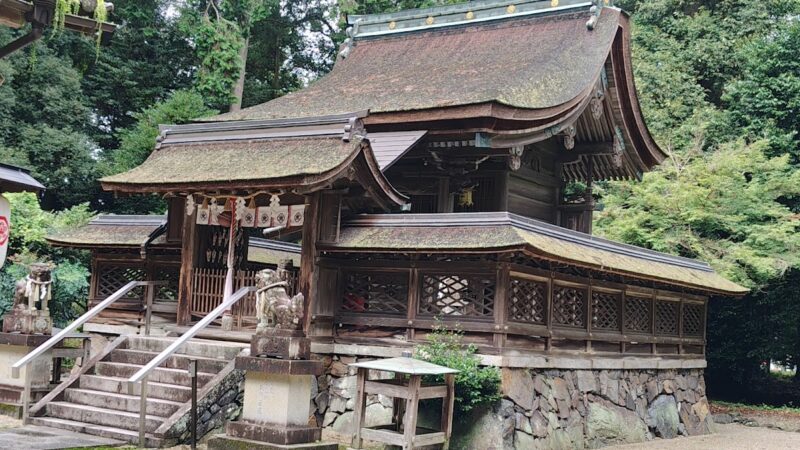
The main hall of Umenomiya Taisha Shrine was built during the Bunsei era (1818-1830) of the late Edo period and is designated as a tangible cultural property of Kyoto City. It is an elegant building with a cypress bark roof, and the vermilion-painted pillars present a beautiful appearance.
The worship hall is where worshippers offer their prayers and is located in front of the main hall. From here, worshippers pray to the main hall, making wishes for things like safe childbirth and fertility.
Tower Gate and Shrine Grounds
The vermilion-painted tower gate is one of the symbolic structures of Umenomiya Taisha Shrine. Passing through this gate, you’ll find the path leading to the main shrine.
Within the shrine grounds, there are several smaller shrines:
- Goo-sha: Deity of protection against misfortune
- Wakamiya-sha: Guardian deity of children
- Inari-sha: Deity of business prosperity
It is believed that visiting these smaller shrines as well will bring even greater blessings.
Flowers of the Four Seasons
The shrine garden of Umenomiya Taisha is known as a “famous spot for flowers,” where you can enjoy a variety of blossoms throughout the year.
Spring (March-May)
Plum Blossoms (Late February-March)
The plum blossoms are the origin of the name of Umenomiya Taisha. The shrine garden has approximately 35 varieties and 550 plum trees, allowing you to enjoy them for an extended period, from early-blooming to late-blooming varieties. Various varieties, including white plums, red plums, and weeping plums, bloom profusely, filling the grounds with a sweet fragrance.
Cherry Blossoms (Late March to Early April)
Following the plum blossoms, cherry blossoms bloom. Somei Yoshino cherry trees and double-flowered cherry trees are planted, allowing visitors to enjoy the magnificent scenery of spring.
Camellias (March to April)
Many camellias are planted in the shrine garden, blooming in a variety of colors including red, white, and pink.
Kirishima Azaleas (Late April to Early May)
Vibrant vermilion azaleas adorn the shrine garden.
Japanese Irises (May)
Japanese irises blooming around Sakuya Pond beautifully enhance the waterside scenery.
Early Summer (June)
Japanese Iris (Early to Mid-June)
The representative flower of early summer at Umenomiya Taisha Shrine. In the West Garden of the Shinen (Shrine Garden), approximately 150 varieties and 500 plants of irises are planted, with flowers of various colors such as purple, white, and yellow blooming in profusion. The best time to see them is from early to mid-June, and many photography enthusiasts visit during this period.
Hydrangeas (Mid-June to Early July)
During the rainy season, hydrangeas bloom throughout the Shinen, creating a serene and tranquil atmosphere.
Summer (July to August)
Water Lilies (June to August)
Water lilies floating on Sakuya Pond give a refreshing impression amidst the summer heat.
Balloon Flowers (July to August)
The pure blue-purple flowers adorn the Shinen in summer.
Autumn (September to November)
Bush Clover (September)
Bush clover, one of the seven autumn flowers, gracefully droops its branches and blooms. Autumn Leaves (Mid-November to Early December) The trees in the shrine garden turn red and yellow, giving a sense of the deepening of autumn. The reflection of the autumn leaves in the pond is also beautiful, attracting many tourists.
Winter (December to February)
Camellias (December to March) Camellias that bloom even in the winter cold create a beautiful contrast with the snowy landscape.
Winter Plum Blossoms (January to February) Early-blooming plum blossoms announce the arrival of spring.
Annual Events and Festivals
Various Shinto rituals and events are held at Umenomiya Taisha Shrine throughout the year.
Ume-Ume-Sai (Plum Blossom Festival)
This is a representative festival of Umenomiya Taisha Shrine, held every year on February 11th (National Foundation Day). At this time when plum blossoms begin to bloom, prayers are offered for sake brewing and a bountiful plum harvest. The festival features Kagura (sacred dance) performances and amazake (sweet rice wine) offerings, attracting many worshippers.
Grand Festival
Held on May 3rd, this is the most important festival at Umenomiya Taisha Shrine. It includes a procession of the portable shrine and Kagura performances, making it a grand festival with participation from the local community.
Divine Procession Festival
Held on the third Sunday of May, this festival involves a procession of the portable shrine through the community. It is a traditional event praying for the prosperity and safety of the parishioners’ area.
Shichi-Go-San Celebration
In November, many families visit to celebrate Shichi-Go-San. It is an important event praying for the healthy growth of children.
New Year’s Visit
During the first three days of the New Year, many worshippers visit to pray for happiness in the new year. In addition to those seeking blessings for safe childbirth and fertility, the shrine is bustling with people praying for good health throughout the year.
Access to Umenomiya Taisha Shrine
Access by Train and Bus
Using Hankyu Railway
- Get off at Matsuo Taisha Station on the Hankyu Arashiyama Line, approximately 15 minutes on foot
- Get off at Nishikyogoku Station on the Hankyu Kyoto Line, approximately 15 minutes on foot
Using City Bus
- Get off at Umenomiya Taisha-mae bus stop on Kyoto City Bus Route 28, immediately adjacent
- Get off at Umezu Minami Ueda-cho bus stop on Kyoto City Bus Routes 3, 29, or 71, approximately 3 minutes on foot
Using JR
Take a Kyoto City Bus from Hanazono Station on the JR Sagano Line, or approximately 25 minutes on foot
Access by Car
From Meishin Expressway
- Approximately 30 minutes from Kyoto Minami Interchange
Parking
Umenomiya Taisha Shrine has a free parking lot for visitors (approximately 20 spaces). However, it can get crowded during the plum blossom and iris seasons, so using public transportation is recommended. ### Nearby Tourist Attractions
There are other attractive tourist spots around Umenomiya Taisha Shrine:
Matsuo Taisha Shrine
An ancient shrine dedicated to the god of sake brewing, located about a 15-minute walk away. Many people visit it in conjunction with Umenomiya Taisha Shrine.
Arashiyama
About a 10-minute drive or 15-minute train ride away. A representative Kyoto tourist spot featuring Togetsukyo Bridge and the bamboo grove.
Katsura Imperial Villa
About a 15-minute drive away. An imperial villa considered a masterpiece of Japanese garden design (reservations required).
Etiquette and Manners for Visiting Shrines
Basic Etiquette for Visiting Shrines
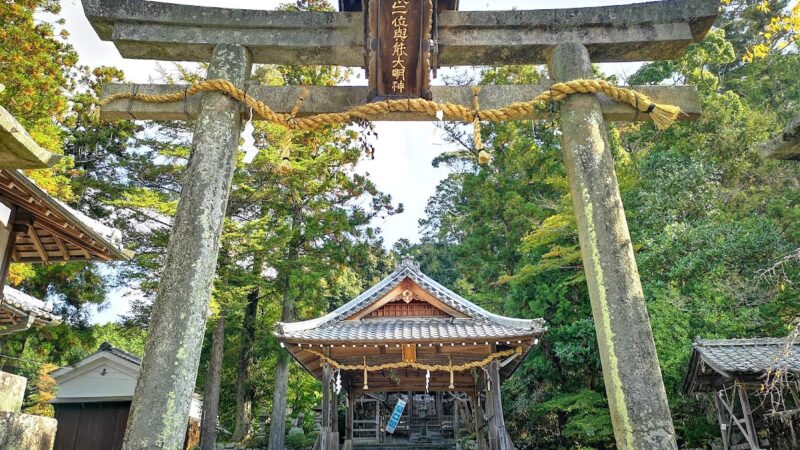
- Bow Before Passing Through the Torii Gate
Bow before entering the sacred area, standing before the torii gate.
- Purify at the Water Basin
Hold the ladle in your right hand and purify your left hand, then hold the ladle in your left hand and purify your right hand. Switch the ladle back to your right hand, receive water in your left hand, and rinse your mouth. Finally, stand the ladle upright and cleanse the handle.
- Worship at the Main Hall
Proceed to the front of the main hall and place your offering. Worship using the two bows, two claps, and one bow ritual.
- Stepping Stone
Those praying for safe childbirth or fertility should inform the staff at the reception area after worship and step over the stepping stone.
Goshuin (Shrine Seals) and Amulets
Goshuin (Shrine Seals)
At Umenomiya Taisha Shrine, in addition to the regular goshuin, seasonal goshuin are sometimes available. You can bring your own goshuincho (seal book) or purchase one on the spot. The offering fee is usually around 300 yen.
Amulets
Umenomiya Taisha Shrine offers a wide variety of amulets related to safe childbirth and fertility:
- Safe Childbirth Amulet: An amulet worn by pregnant women
- Fertility Amulet: An amulet for those wishing to have children
- Maternity Belt: A belt given during prayers for safe childbirth
- Matageishi Amulet: A small amulet shaped like a matageishi (a type of stone used for stepping over children)
Other amulets such as traffic safety amulets, academic success amulets, and amulets for warding off evil are also available.
Visiting Information
Visiting Hours
- Grounds: 9:00 AM – 5:00 PM
- Garden: 9:00 AM – 5:00 PM (Last entry at 4:30 PM)
Admission Fee
- Grounds: Free
- Garden: Adults 600 yen, Children 400 yen
Location
30 Umezu Fukenokawa-cho, Ukyo-ku, Kyoto City, Kyoto Prefecture 615-0921
Inquiries
TEL: 075-861-2730
Closed Days
Open all year round (The garden may be temporarily closed)
Points to Note When Visiting Umenomiya Taisha Shrine
Best Time to Visit
Umenomiya Taisha Shrine is beautiful in every season, but the best time to visit is:
Late February to Mid-March (Plum Blossom Season)
The plum blossoms, which give Umenomiya Taisha Shrine its name, are in full bloom. The plum blossom festival is also held during this time, making it one of the busiest periods.
Early to mid-June (Iris season)
The irises in the shrine garden are in full bloom. Hydrangeas also begin to bloom, allowing visitors to enjoy the atmosphere of early summer.
Mid-November to early December (Autumn foliage season)
The autumn leaves in the shrine garden are beautiful, allowing visitors to enjoy a tranquil autumn atmosphere.
Estimated Time Required
- Visiting only the shrine grounds: Approximately 30 minutes
- Visiting including the sacred garden: Approximately 1 hour to 1 hour 30 minutes
- Taking your time for photography and strolling: Approximately 2 hours
Photography
Photography is permitted within the sacred garden, but please note the following:
- When using a tripod, please be considerate of other visitors.
- Photography is prohibited inside the main hall.
- Please be considerate of other visitors.
- Commercial use requires prior permission.
Tips for Avoiding Crowds
- Weekday mornings are relatively less crowded.
- Weekends during plum blossom season, iris season, and autumn foliage season are crowded.
- The New Year’s visit period (January 1st to 3rd) is especially crowded.
- It is relatively less crowded on rainy days, but the flowers in the sacred garden are beautiful when wet.
Fun Facts about Umenomiya Taisha Shrine
Also Famous as a Cat Shrine
Umenomiya Taisha Shrine is known for having many cats living on its grounds. The cats cared for by the Shinto priests are popular with visitors, and the shrine has become a popular topic among cat lovers as a “cat shrine.”
The cats roam freely around the shrine grounds, and you can see them basking in the sun or playing in the sacred garden. However, since they are not wild animals but live as part of the shrine, please refrain from feeding them or trying to touch them.
Deep Connection to Sake Brewing
One of the main deities, Sakatoke-no-kami, is worshipped as the god of sake brewing, and Umenomiya Taisha Shrine has a deep connection to sake brewing. Every year, people involved in sake brewing from all over Japan visit the shrine to pray for the production of high-quality sake.
Sake barrels are dedicated on the shrine grounds, allowing you to feel the connection to sake culture. Many sake-related events are held, such as the serving of amazake (sweet rice wine) at the Ume-san Festival.
Relationship with the Tachibana Clan
Umenomiya Taisha Shrine originated as the tutelary shrine of the Tachibana clan, a powerful noble family during the Heian period. The story of Tachibana no Kachiko (Empress Danrin), who prayed for a child and was granted a prince, is the most important episode in the history of Umenomiya Taisha Shrine.
Because of this story, Umenomiya Taisha Shrine became widely known as a deity of safe childbirth and fertility, and even today, many people visit with the same wishes.
Summary
Umenomiya Taisha Shrine is a venerable shrine with a history of over 1200 years, and is known nationwide for its blessings of safe childbirth and fertility. The custom of stepping over the “Matageishi” (stepping stone), which originates from the story of Empress Danrin, is still practiced by many worshippers today.
The shrine garden, with its beautiful seasonal flowers such as plum blossoms, cherry blossoms, irises, and autumn leaves, is worth visiting throughout the year. The plum blossom and iris seasons, in particular, are the best times to experience the charm of Umenomiya Taisha Shrine.
When sightseeing in Kyoto, visiting Umenomiya Taisha Shrine in conjunction with Arashiyama and Matsuo Taisha Shrine will make your trip even more fulfilling. Encountering the cats that live on the shrine grounds is one of the unique pleasures of visiting Umenomiya Taisha Shrine.
Umenomiya Taisha Shrine is a Kyoto landmark that I wholeheartedly recommend not only to those praying for safe childbirth or fertility, but also to those who want to enjoy beautiful gardens, historical architecture, and seasonal flowers. Please visit and experience its charm for yourself.