Gyoganji Temple (Kodo) Complete Guide: The Charm and Visiting Information of the 19th Temple of the Saigoku Thirty-Three Kannon Pilgrimage with a Thousand-Year History
Gyoganji Temple, located south of the Kyoto Imperial Palace in Nakagyo Ward, Kyoto City, is a Tendai sect temple affectionately known as “Kodo.” Since its founding in 1004 (Kankō 1), it has attracted the faith of the people of Kyoto for over a thousand years. As the 19th temple of the Saigoku Thirty-Three Kannon Pilgrimage and one of the oldest pilgrimage sites of the Seven Lucky Gods of Kyoto, it is a renowned temple visited by many worshippers.
This article comprehensively introduces everything you need to know before visiting Gyoganji Temple, from its history and the origin of its unique name, Kodo, to its highlights and visiting information.
Basic Information about Gyoganji Temple
Official Name: Reiyuzan Gyoganji Temple
Common Name: Kōdō
Sect: Tendai Buddhism
Principal Image: Thousand-Armed Kannon Bodhisattva
Pilgrimage Site: 19th temple of the Saigoku Thirty-Three Kannon Pilgrimage, 4th temple of the Rakuyō Thirty-Three Kannon Pilgrimage, Kyoto Seven Lucky Gods (Jurojin)
Location: 17 Gyoganji Monzen-cho, Nakagyo-ku, Kyoto City, Kyoto Prefecture
Founded: 1004 (Kankō 1)
Founder: Gyōen Shōnin
Features: The only nunnery among the Saigoku Thirty-Three Kannon Pilgrimage
The Origin of the Name Kōdō and the Story of Gyōen Shōnin
The Dramatic Conversion of Gyōen Shōnin
The origin of Gyoganji Temple being called “Kōdō” dates back to the moving story of its founder, Gyōen Shōnin. Gyōen Shōnin was from Kyushu and originally made a living as a hunter.
One day, Gyōen shot a female deer in the mountains. However, when he opened the deer’s belly, he found a live fawn inside. Witnessing this sight, Gyōen was deeply shocked and remorseful that his actions had taken the lives of both a mother and her offspring.
Deerskin Robe and the Thousand-Armed Deer Dharani
This incident prompted Gyōen to decide to enter the Buddhist priesthood. He inscribed the Thousand-Armed Deer Dharani onto the hide of the female deer he had shot and wore the resulting robe. It is said that he also wore a Buddha statue around his neck and traveled through the streets of Kyoto, preaching.
Because Gyōen always wore a deerskin robe, he came to be known as “Kawa Hijiri” (Leather Saint) or “Kawa Hijiri” (Leather Saint). And the temple built by Gyōen eventually came to be affectionately known as “Kakudō” (Leather Hall).
This name embodies the deep remorse of Gyōen Shōnin, who repented of taking lives, and the Buddhist teachings that preach the preciousness of life.
History of Gyōganji Temple: A Thousand Years of Changes
Founding and the Imperial Prayer of Emperor Ichijō
Gyōganji Temple was founded in 1004 (Kankō 1) by Gyōen Shōnin at the imperial prayer of Emperor Ichijō. Initially, it was built on the site of Ichijō-Ogawa (Ichijō-dōri), which is now part of Kamigyo-ku, Kyoto City.
Gyōen Shōnin himself carved a statue of the Thousand-Armed Kannon and enshrined it as the principal image. This Thousand-Armed Kannon symbolizes the compassion of Kannon Bodhisattva, who saves all sentient beings, and represents Gyōen Shōnin’s profound Buddhist devotion.
A History of Repeated Fires and Relocations
Since its founding, Gyoganji Temple has walked hand in hand with the history of Kyoto, but its path has not been easy. It has been repeatedly destroyed and rebuilt due to wars and fires.
In particular, the wars of the Middle Ages, including the Onin War (1467-1477), and the great fires of the Edo period forced Gyoganji Temple to relocate numerous times. However, each time, thanks to the fervent faith of the people, it was always rebuilt in the heart of Kyoto.
Relocation to the Current Location
After the Great Hoei Fire of 1708 (Hoei 5), Gyoganji Temple relocated to its current location in Gyoganji-monzen-cho, Nakagyo-ku. This relocation is said to have been intended by Toyotomi Hideyoshi to pray for “peace and prosperity throughout the land.”
During the Edo period, it flourished as a “town temple” and became one of the centers of faith for the common people of Kyoto. The current main hall is a valuable building that conveys the architectural style of this era.
History as one of the 33 Kannon Pilgrimage Sites of Saigoku
Gyoganji Temple, as the 19th temple on the Saigoku 33 Kannon Pilgrimage, has long welcomed pilgrims from all over Japan. The Saigoku 33 Pilgrimage is known as the oldest pilgrimage route in Japan, and Gyoganji Temple is unique in that it is the only nunnery within it.
Even today, many worshippers visit Gyoganji Temple as a pilgrimage site, preserving the tradition of Kannon worship that has continued for over a thousand years.
Highlights of the Temple Grounds
Main Hall and Principal Image: Thousand-Armed Kannon Bodhisattva
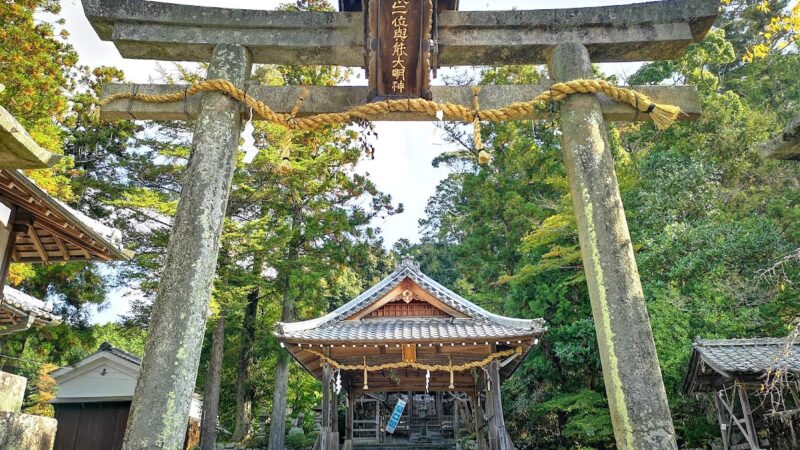
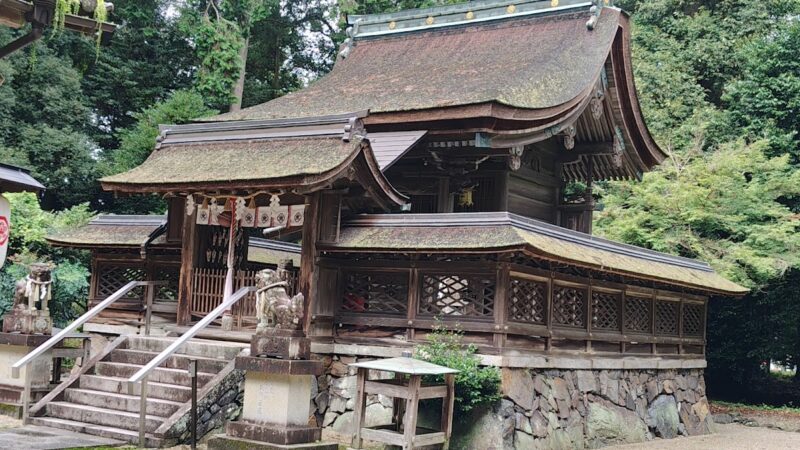
The main hall of Gyoganji Temple is a stately building that reflects the architectural style of the Edo period. Inside the main hall is enshrined the principal image, the Thousand-Armed Kannon Bodhisattva, which is said to have been carved by the monk Gyoen himself.
The coffered ceiling of the outer hall of the main hall is adorned with beautiful carvings of flowers and birds, showcasing the high level of craftsmanship of Edo-period artisans. Looking up at the ceiling, you’ll see a vibrant array of flowers and birds.
Special Unveiling of the Main Image
The main image, a statue of the Thousand-Armed Kannon, is usually kept strictly guarded as a hidden Buddha, but it is unveiled during special periods. In recent years, a special unveiling has sometimes been held in October, attracting many worshippers to this precious opportunity.
During the unveiling period, you can view the main image, which is normally inaccessible, up close and directly experience the compassionate form of the Thousand-Armed Kannon.
Jurojin, one of the Seven Lucky Gods of Kyoto
Within the grounds of Gyoganji Temple, Jurojin, one of the Seven Lucky Gods of Kyoto, considered the oldest in Japan, is enshrined. Jurojin is known as the god of longevity and good fortune, and is believed to grant the benefit of eternal youth and longevity.
It is said that chanting the mantra of Jurojin (the god of longevity) three times a day will bring good fortune and happiness, and many devout men and women praying for long life visit the temple for New Year’s prayers and monthly visits. The temple is especially crowded during the New Year’s pilgrimage to the Seven Lucky Gods of Kyoto.
Ghost Ema
Gyoganji Temple has a famous ema known as the “Ghost Ema.” This ema, created by an Edo period artist, is a rare piece depicting a ghost.
It is specially displayed from August 21st to 23rd each year, attracting many worshippers and art lovers during this period. The ghost’s expression on the ema combines melancholy and power, demonstrating the high level of Edo period painting technique.
Lotus Flowers
Beautiful lotus flowers can be seen on the grounds of Gyoganji Temple from early summer to summer. In Buddhism, the lotus flower is considered a symbol of purity and enlightenment. The image of the lotus blooming beautifully from muddy water represents the Buddhist teaching that enlightenment can be attained even amidst worldly desires.
The healthy growth of the lotus leaves is often featured on the temple’s official social media accounts, allowing visitors to enjoy the seasonal beauty of the temple grounds.
Visiting Information and Access
Visiting Hours and Admission Fees
Visiting Hours: 8:00 AM – 5:00 PM (Normal Hours)
Admission Fee: Free entry to the temple grounds (Interior viewing of the main hall may require a separate fee during special periods)
Special Interior Viewing: May be held for a limited time (e.g., September-October)
It is recommended to check the official website or inquire in advance regarding the dates of special openings and special interior viewings.
Access Information
Address: 17 Gyoganji Monzen-cho, Nakagyo-ku, Kyoto City, Kyoto Prefecture 604-0991
Access by Train and Bus
- Kyoto Municipal Subway: Get off at Marutamachi Station on the Karasuma Line, approximately 7 minutes on foot.
- Kyoto City Bus: Get off at Kawaramachi Marutamachi bus stop, approximately 3 minutes on foot.
- Keihan Railway: Get off at Jingu Marutamachi Station, approximately 10 minutes on foot.
Access by Car
Located south of Kyoto Gyoen National Garden, there is no dedicated parking lot for the temple, but there are coin-operated parking lots nearby. However, due to heavy traffic in central Kyoto, we recommend using public transportation.
Nearby Tourist Attractions
Gyoganji Temple is located south of Kyoto Gyoen National Garden, so there are many tourist attractions nearby.
- Kyoto Gyoen National Garden: Approximately 5 minutes on foot. A vast park where you can enjoy nature in all four seasons.
- Kyoto Imperial Palace: Approximately 10 minutes on foot. The former Imperial Palace; interior tours are available with prior reservation.
- Teramachi Street Shopping Arcade: Approximately 5 minutes on foot. A shopping street lined with traditional Kyoto shops and specialty stores.
- Honnoji Temple: Approximately 15 minutes on foot. A famous temple associated with Oda Nobunaga.
Saigoku Thirty-Three Kannon Pilgrimage and Gyoganji Temple
As the 19th Temple of the Saigoku Thirty-Three Kannon Pilgrimage
Gyoganji Temple holds an important position as the 19th temple of the Saigoku Thirty-Three Kannon Pilgrimage. The Saigoku Thirty-Three Kannon Pilgrimage is Japan’s oldest pilgrimage route, visiting 33 Kannon temples mainly in the Kinki region, and is said to have been opened in 718 by Tokudo Shonin of Hase-dera Temple.
The pilgrimage route, starting from Rokkakudo (Chohoji Temple), the 18th temple, passing through Gyoganji Temple, and continuing to Zenpoji Temple, the 20th temple, is a route where you can experience Kyoto’s history and culture. ### Sutra Copying and Goshuin (Temple Seal)
Pilgrims on the Saigoku Pilgrimage can receive a Goshuin at the sutra copying office after chanting sutras in the main hall. The Goshuin at Gyoganji Temple features the calligraphy of “Daihiden” (Great Compassion Hall) and “Senju Kannon” (Thousand-Armed Kannon), along with the red seal of Saigoku Pilgrimage No. 19.
You can receive the Goshuin on your Goshuincho (stamp book), hanging scroll, or white robe, which are cherished as mementos of your pilgrimage.
4th Temple of the Rakuyo Thirty-Three Kannon Pilgrimage
Gyoganji Temple is not only part of the Saigoku Thirty-Three Kannon Pilgrimage, but also the 4th temple of the Rakuyo Thirty-Three Kannon Pilgrimage. The Rakuyo Thirty-Three Pilgrimage is a pilgrimage route visiting 33 Kannon temples within Kyoto City, and is a more accessible form of Kannon worship familiar to the people of Kyoto.
The Rakuyo Thirty-Three Pilgrimage can be completed in a relatively short period, making it recommended for those undertaking a pilgrimage for the first time.
Annual Events and Special Viewings
Main Annual Events
Gyoganji Temple holds various events throughout the year.
- First three days of the New Year: First shrine visit of the year, pilgrimage to the Seven Lucky Gods of Kyoto
- August 21st-23rd: Special exhibition of ghost votive tablets
- September-October: Special inner viewing (duration varies each year)
- October: Special unveiling of the main image (held each year)
The appeal of special viewings
During special viewing periods, it is a valuable opportunity to view the interior of the main hall and the main image, which are usually not open to the public. You can see the flower and bird carvings on the coffered ceiling of the outer hall up close and appreciate the splendor of Edo period art and craftsmanship.
Furthermore, there are exhibitions of temple treasures and sermons by monks, allowing you to learn more about the history of Gyoganji Temple and the teachings of Buddhism.
Gyoganji Temple and the History of Kyoto
A Center of Faith Since the Heian Period
Since its founding in 1004 during the mid-Heian period, Gyoganji Temple has attracted the faith of the people of Kyoto for over a thousand years. People from all walks of life, from nobles to commoners, visited the temple seeking the compassion of Kannon (Goddess of Mercy).
Role as a Town Temple
From the medieval to the early modern period, Gyoganji Temple served as a “town temple,” a center of faith for the townspeople (merchants and artisans) of Kyoto. A town temple is a Buddhist temple not belonging to a specific temple or shrine, but operated by the townspeople. Gyoganji Temple prospered with the strong support of the townspeople.
The fact that it was rebuilt each time through donations from the townspeople, despite being destroyed by fire and war, speaks volumes about how important Gyoganji Temple was to the people of Kyoto.
The Only Nunnery of the Saigoku Thirty-Three Kannon Pilgrimage
Currently, Gyoganji Temple is the only nunnery among the Saigoku Thirty-Three Kannon Pilgrimage. As a temple that has been preserved by nuns, it possesses a unique and tranquil atmosphere, offering deep peace to visitors.
Manners and Etiquette for Visiting
Basic Manners for Visiting
When visiting Gyoganji Temple, please observe the following manners:
- Bow at the Temple Gate: Bow at the temple gate before entering the grounds.
- Be Quiet: Be quiet within the temple grounds and avoid disturbing other visitors.
- Worship at the Main Hall: Join your hands in prayer before the main hall and offer your prayers with sincerity.
- Photography: Photography is generally permitted within the temple grounds, but consideration for the interior of the main hall and other visitors is necessary.
- Offering Money: Place your offering quietly; do not throw it.
Guidelines for Pilgrims
When visiting as part of a pilgrimage to the 33 temples of Saigoku or the 33 temples of Rakuyo, please note the following:
- White Robe and Straw Hat: Preparing pilgrimage attire helps you prepare yourself as a pilgrim.
- Preparation of Pilgrimage Notebook: Prepare a pilgrimage notebook for receiving temple stamps.
- Chanting: Chanting the Heart Sutra or Kannon Sutra in front of the main hall is recommended.
- Checking the Hours of the Temple Stamp Office: Check the hours of the temple stamp office in advance.
Cultural Properties and Treasures of Gyoganji Temple
Principal Image: Thousand-Armed Kannon Bodhisattva Statue
The principal image, the Thousand-Armed Kannon Bodhisattva statue, is said to have been carved by the monk Gyoen himself and is the most important treasure of Gyoganji Temple. It is usually kept strictly guarded as a hidden Buddha, but can be viewed during special unveilings.
The Kannon statue with a thousand arms symbolizes infinite compassion that saves all sentient beings, and its majestic appearance deeply moves many visitors.
Flower and Bird Sculptures on the Coffered Ceiling
The flower and bird sculptures on the coffered ceiling of the main hall’s outer sanctuary are a valuable cultural asset showcasing the excellent craftsmanship of the Edo period. The richly colored flowers and birds are delicately carved, captivating all who see them.
Ghost Votive Tablets
The ghost votive tablets, created by Edo period artists, are one of Gyoganji Temple’s famous treasures. These tablets, which can only be seen during the special exhibition period in August each year, are known as valuable works that convey the tradition of Japanese ghost paintings.
Famous People and Literature Who Visited Gyoganji Temple
Historical Figures and Gyoganji Temple
Gyoganji Temple has a history of over a thousand years and is therefore associated with many historical figures. Beginning with its founding as an imperial temple by Emperor Ichijo, various people, including Heian-era nobles, samurai, and literary figures, have visited the temple.
Gyoganji Temple in Literary Works
Gyoganji Temple, with its unique name and history, has appeared in various literary works and essays. The sound of “Kakudo” (革堂) evokes the atmosphere of an ancient Kyoto temple and has inspired many writers and poets.
Modern Gyoganji Temple: Information Dissemination and Initiatives
Temple Management in the Digital Age
Modern Gyoganji Temple actively engages in information dissemination that is in line with the times, while preserving its traditions. Through its official website and social media (Instagram, etc.), it disseminates information such as special viewing announcements, seasonal changes in the temple grounds, and the blooming status of lotus flowers.
Consideration for Accessibility
Gyoganji Temple’s official website has implemented the website browsing support tool “FACIL’iti” to ensure that everyone can access the information. This can be seen as an initiative to put into practice the compassionate spirit of Kannon (Goddess of Mercy) to “save all sentient beings” in a modern form.
Summary: Gyoganji Temple, Where a Thousand Years of History Breathe Life
Gyoganji Temple (Kakudo) is a historic temple that has attracted the faith of the people of Kyoto for over a thousand years since its founding in 1004. It possesses diverse charms, including the story of the monk Gyoen, who transformed from a hunter to a Buddhist priest; its history of surviving numerous fires; its role as the 19th temple on the Saigoku Kannon Pilgrimage; and its aspect as a temple of good fortune, enshrining Jurojin, one of the Seven Lucky Gods of Kyoto.
Despite its convenient location south of the Kyoto Imperial Palace, the temple grounds exude a tranquil atmosphere, offering peace of mind to visitors. Various events are held throughout the year, such as special openings and the display of ghost votive tablets, ensuring new discoveries with each visit.
As part of the Saigoku Pilgrimage, the Seven Lucky Gods Pilgrimage, or simply as part of your Kyoto sightseeing, be sure to visit Gyoganji Temple. In its grounds, steeped in a thousand years of history, you can experience the compassion of the Thousand-Armed Kannon and spend a peaceful time.