Gumyoji Temple Complete Guide | A Thorough Explanation of the History, Grounds, Access, and Annual Events of Yokohama’s Oldest Temple
What is Gumyoji Temple?
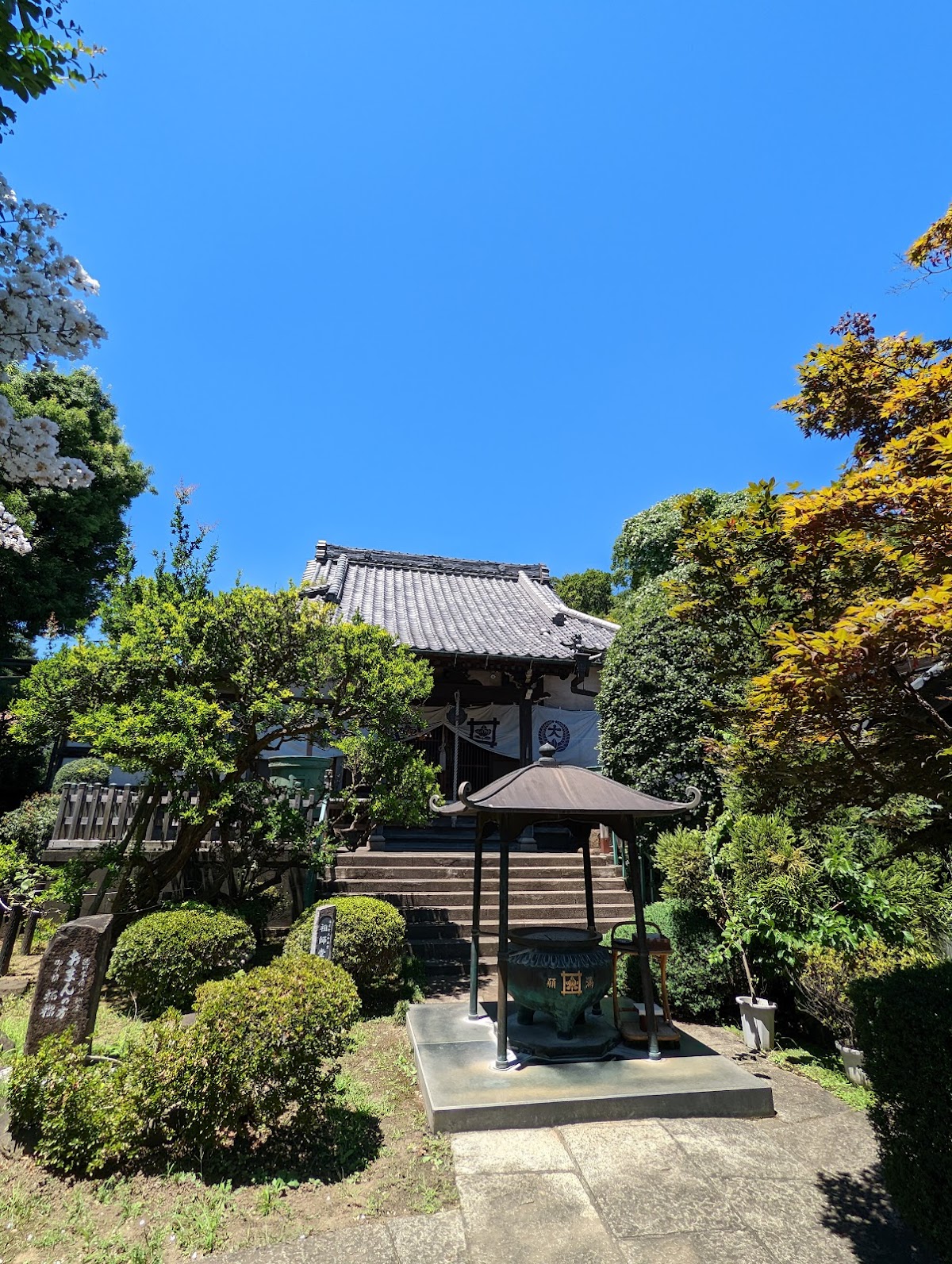
Gumyoji Temple is a Shingon Buddhist temple of the Koyasan sect located in Gumyoji-cho, Minami-ku, Yokohama City, Kanagawa Prefecture. Its official name is “Zuiōzan Rengein Gumyoji,” and it is known as the oldest temple in Yokohama. The principal image is a wooden standing statue of the Eleven-Headed Kannon Bodhisattva (commonly known as “Gumyoji Kannon”), which is designated as a National Important Cultural Property.
As the fourteenth temple on the Bandō Thirty-Three Kannon Pilgrimage, it has long been a sacred site visited by many pilgrims and worshippers, and is an indispensable part of Yokohama’s history and culture. The lively Gumyoji Kannon-dori shopping street spreads around the temple, and it still retains the atmosphere of a temple town.
History of Komyoji Temple
Founding and Establishment by Gyoki
Komyoji Temple’s founding dates back to the Nara period. In 721 AD (the 5th year of the Yōrō era during the reign of Empress Genshō), the Indian monk Zenmui (Sanwakarai) arrived in Japan. Seventeen years later, in 737 AD (the 9th year of the Tenpyō era during the reign of Emperor Shōmu), when a plague swept across the land, Gyoki, a monk from Kawachi and Izumi provinces, received an imperial order to travel throughout the country.
It is said that Gyoki built a hermitage in the sacred grounds of this area to pray for peace throughout the land, and with utmost sincerity, carved the principal image, the Eleven-Faced Kannon Bodhisattva, performing the ritual of “one stroke, three bows” (bowing three times for each stroke of the chisel), and offered prayers. This is the current principal image, and it boasts a history of nearly 1300 years.
Transition from the Medieval to the Early Modern Period
In the medieval period, Gumyoji Temple began to attract the faith of the samurai class. During the Kamakura shogunate, its location along the Kamakura Road attracted many samurai and travelers who came to worship. During the Muromachi period, the temple’s territory expanded, establishing its position as a religious center in the surrounding area.
In the Edo period, it was developed as a pilgrimage site for the 33 Kannon temples of Bando, and along with the flourishing of pilgrimage culture, it became a bustling place with many worshippers. It was during this period that a temple town formed, creating the prototype of the current shopping street.
Reconstruction and the Present Day
Despite the impact of the anti-Buddhist movement of the Meiji era, Gumyoji Temple survived, supported by the faith of the local people. Even during the turbulent period after the Meiji Restoration, it continued to function as a temple.
Although it suffered damage during the war in the Showa era, it has recovered after the war and reached its current state. Even after the Heisei era began, the preservation of cultural properties and the maintenance of the temple grounds have been continuously carried out, and it is carefully protected as an important cultural heritage of Yokohama City.
Highlights of the Temple Grounds
Main Hall
The main hall houses the Eleven-Faced Kannon Bodhisattva Standing Statue, a nationally important cultural property. This Kannon statue is said to be the work of Gyoki and is an elegant standing statue approximately 180 centimeters tall. Carved from a single piece of kaya wood, it is a valuable Buddhist statue that strongly retains the style of the Nara period and is highly valued in art history.
Inside the main hall, the “Eleven-Faced Kannon Bodhisattva Memorial Day” is held on the 8th, 18th, and 28th of each month, providing a special opportunity for worship. Many worshippers visit on these days to pray for recovery from illness and the fulfillment of their wishes.
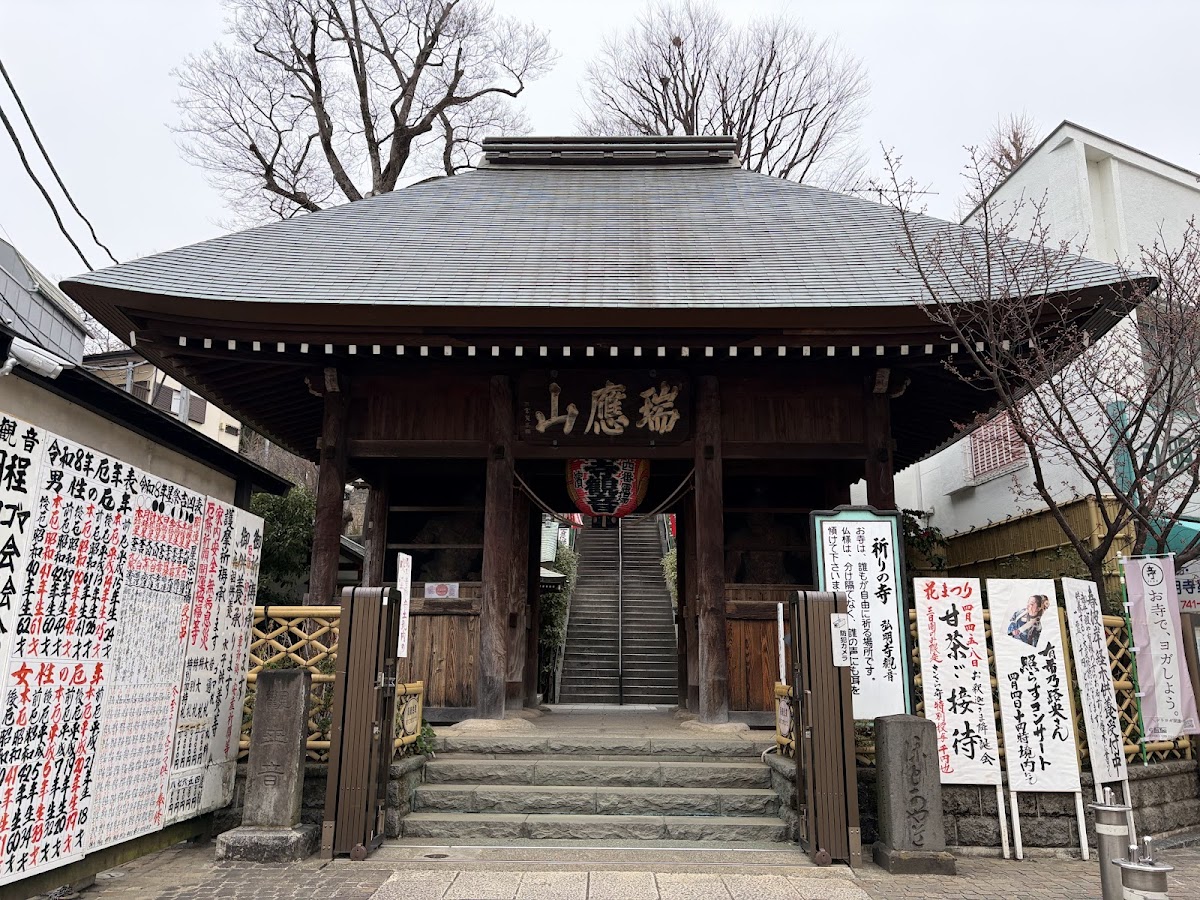
Niomon Gate
The Niomon Gate, which serves as the entrance to the temple grounds, is a symbolic structure that welcomes worshippers. The Nio statues positioned on either side protect the temple, and their powerful presence leaves a deep impression on visitors. Passing through the gate, a tranquil space unfolds, allowing you to forget the hustle and bustle of the city.
Substitute Jizo Bodhisattva
Within the temple grounds lies the Substitute Jizo Bodhisattva. This Jizo Bodhisattva, donated during the Heisei era, is revered for its ability to take on people’s suffering, and many worshippers offer their prayers here.
Sacred Stones and Garden
Throughout the temple grounds are sacred stones passed down through generations, each with its own history and legend. The garden, which changes its appearance with the seasons, is maintained as a space that provides tranquility to visitors. Cherry blossoms are beautiful in spring, and autumn leaves in fall, allowing visitors to enjoy the beauty of nature throughout the year.
Cultural Property
Nationally Designated Important Cultural Property
The greatest treasure of Komyoji Temple is the wooden standing statue of the Eleven-Headed Kannon Bodhisattva, designated as a National Important Cultural Property. This Kannon statue holds a significant place in the history of Japanese Buddhist art as a valuable example showcasing the characteristics of Buddhist sculpture from the Nara period.
Created using the technique of carving from a single block of wood, the warmth of the kaya wood and the delicate carving techniques are beautifully harmonized. The compassionate expression of the Eleven-Faced Kannon has soothed the hearts of many people across generations.
Other Temple Treasures
Besides the main image, Komyoji Temple possesses many other temple treasures. Ancient documents, Buddhist implements, and calligraphy and paintings by successive chief priests—items that tell the story of the temple’s long history—are carefully preserved. These are usually not open to the public, but may be displayed on special occasions.
Festivals and Annual Events
The Eleven-Faced Kannon’s Festival
The Eleven-Faced Kannon’s Festival, held on the 8th, 18th, and 28th of each month, is a representative event of Komyoji Temple. On this day, a special worship service is held for the main deity, and the temple is bustling with worshippers praying for recovery from illness, fulfillment of wishes, and safety for their families.
First Shrine Visit of the Year and New Year’s Events
Many visitors come for their first shrine visit of the year. The temple grounds are filled with people praying for various wishes, such as safety for their families, business prosperity, and academic success. The first three days of the New Year are especially crowded, and the shopping street in front of the temple is also bustling with people.
Setsubun Festival
A Setsubun festival is held in February. A bean-throwing ceremony takes place, and local residents participate in praying for protection from evil and for good fortune.
Spring and Autumn Grand Festivals
Grand festivals are held in spring and autumn, featuring religious services and various events. The autumn grand festival, in particular, is held on a grand scale and has become an important event in the community.
Segaki Ceremony
In the summer, the Segaki Ceremony is held to honor ancestors and those without relatives. Many parishioners and worshippers gather, making it an important opportunity to remember the deceased.
14th Temple of the Bando Thirty-Three Kannon Pilgrimage
Komyoji Temple is the 14th temple of the Bando Thirty-Three Kannon Pilgrimage, making it an important sacred site for pilgrims. The Bando Thirty-Three Kannon Pilgrimage is a pilgrimage route centered in the Kanto region, a historical pilgrimage route that has continued since the Kamakura period.
Goshuin (Temple Seal)
Worshippers can receive a Goshuin (temple seal). Komyoji Temple’s Goshuin is inscribed with “Eleven-Faced Kannon Bodhisattva” in ink, and stamped with the vermilion seal of Bando No. 14. If you bring your Goshuincho (stamp book), it will be recorded as proof of your pilgrimage.
Preceding and Following Temples
The thirteenth temple is Senso-ji Temple in Kamakura, and the fifteenth temple is Hase-dera Temple, also in Kamakura. Komyoji Temple occupies an important position on the pilgrimage route from Yokohama to Kamakura.
Prayers and Memorial Services
Komyoji Temple accepts various prayers and memorial services.
Various Prayers
- Family Safety: Prayers for the health and happiness of the family
- Business Prosperity: Prayers for the development and prosperity of the business
- Exorcism: Prayers for protection from misfortune during the unlucky year
- Recovery from Illness: Prayers for recovery from illness
- Academic Success: Prayers for passing exams and academic improvement
- Traffic Safety: Prayers for the blessing and safety of cars and motorcycles
Memorial Services
- Ancestral Memorial Service: Memorial services for generations of ancestors
- Memorial Service for Stillborn Children: Memorial services for stillborn children
- Pet Memorial Service: Memorial services for pets
- Perpetual Memorial Service: Perpetual memorial services
Funerals and Cemeteries
Komyoji Temple also accepts consultations regarding funerals and inquiries about cemeteries. Please contact the temple directly for details.
Nearby Attractions
Gumyoji Kannon-dori Shopping Street
Developed as a temple town for Gumyoji Temple, Gumyoji Kannon-dori Shopping Street is an arcade shopping street approximately 300 meters long. Under the long arcade, where shopping is comfortable even on rainy days, there are approximately 130 shops.
From traditional greengrocers, fishmongers, and butchers that cater to daily life, to stylish cafes and restaurants, a diverse range of shops line the street, making it a lively shopping street that can be enjoyed by both locals and tourists. It is popular as a shopping street that retains the nostalgic atmosphere of a temple town while also possessing modern appeal.
Gumyoji Park
Near the temple is Gumyoji Park, a place of relaxation for local residents. It is also known as a cherry blossom viewing spot, and is bustling with many flower viewers in spring.
Kamakura Kaido Road
Gumyoji Temple is located along the historic Kamakura Kaido Road. This road has played an important role as a transportation hub since the Middle Ages. Historical sites are scattered along the road, making it a great place for a historical stroll.
Access and Transportation Information
Access by Train
Yokohama Municipal Subway Blue Line
- Get off at Gumyoji Station, approximately 5 minutes on foot
- After exiting the station, walk through the shopping arcade to reach the temple.
Keikyu Main Line
- Get off at Gumyoji Station, approximately 7 minutes on foot
- It is also within walking distance from the Keikyu station.
Access by Bus
Multiple Yokohama Municipal Bus routes operate here; the temple is immediately accessible from the “Gumyoji” bus stop. Large bus parking is available along the Kamakura Road, accommodating group visits.
Access by Car
The temple is easily accessible from the Metropolitan Expressway and the Yokohama-Yokosuka Road. However, since the temple’s dedicated parking is limited, it is recommended to use nearby coin-operated parking lots or public transportation.
Visiting Information
Visiting Hours
- Regular Visiting Hours: 8:00 AM – 5:00 PM
- Temple Grounds: Open for free worship
Admission Fee
- Worship within the temple grounds is free
- Separate announcements will be made for special visits and events
Location
267, Gumyoji-cho, Minami-ku, Yokohama City, Kanagawa Prefecture 232-0067
Inquiries
For detailed information and applications for prayers and memorial services, please contact Gumyoji Temple directly. The latest information can also be found on the official website.
Points to Note When Visiting Komyoji Temple
Manners for Visiting Temples
When visiting a temple, please observe the following manners:
- Bow when passing through the Niomon Gate
- Be quiet within the temple grounds
- Take photographs only in designated areas
- Remove your hat inside the main hall
- Offer your donation respectfully
Recommended Time to Visit
Komyoji Temple can be visited throughout the year, but the following times are especially recommended:
- Spring (March-April): Beautiful cherry blossoms and mild weather
- Autumn (October-November): The autumn leaves are at their peak, and the Autumn Grand Festival is held
- First Three Days of the New Year: Experience the lively atmosphere of the first shrine visit of the year
- 8th, 18th, and 28th of each month: Special days for auspicious visits
Estimated Time Required
While a visit to the temple grounds alone takes about 30 minutes, a 2-3 hour stay is recommended if you plan to explore the shopping street and surrounding attractions. Take your time to enjoy the atmosphere of the temple town while visiting this historic temple.
Summary
Gumyoji Temple, with its nearly 1300-year history, is Yokohama’s oldest temple and continues to attract the faith of many. It boasts numerous attractions, including the Eleven-Headed Kannon Bodhisattva statue (a nationally important cultural property), its status as the 14th temple on the Bando Thirty-Three Kannon Pilgrimage, and the vibrant shopping street that developed as a temple town.
As a valuable place to experience Yokohama’s history and culture, it’s ideal not only for worship but also as a destination for historical walks and city strolls. Its convenient location, easily accessible by subway and bus, makes it easily accessible.
Gumyoji Temple has received people’s prayers since ancient times. Even today, its tranquil atmosphere continues to provide peace and healing to visitors. When you visit Yokohama, be sure to stop by.