Complete Guide to the Grand Shrine of Ise (Naiku) | History, Worship Methods, Sub-Shrines, and Sacred Grounds
What is the Grand Shrine of Ise? | The Formal Name of the Inner Shrine of Ise Grand Shrine
The Grand Shrine of Ise (Kotai Jingu) is one of the two main shrines of Ise Grand Shrine, located in Ise City, Mie Prefecture, and is widely known as the Inner Shrine (Naiku). It enshrines Amaterasu Omikami as its deity and is revered as the ancestral deity of the Imperial Family and the tutelary deity of all Japanese people, making it the most prestigious shrine in Japan.
While its official name is “Grand Shrine of Ise,” it is commonly referred to as the “Inner Shrine” in contrast to the Outer Shrine (Geku). The Jingu Taima (amulets of the Grand Shrine) given out at shrines throughout Japan are amulets of the Grand Shrine of Ise, playing a central role in Japanese Shinto belief.
Basic Information about the Inner Shrine
- Official Name: Kōtaijingu
- Common Name: Naikuu
- Location: 1 Ujikan-cho, Ise City, Mie Prefecture
- Deity Enshrined: Amaterasu-Ōmikami
- Deities Enshrined Together: Amenotajikarao-no-kami, Yorozuhata-Toyoakitsuhime-no-mikoto
- Shrine Rank: Shikinaisha (Grand Shrine), Jingu
- Founding: 26th year of Emperor Suinin’s reign (around 4 BC)
History of the Kōtaijingu Shrine | Up to the Enshrinement of Amaterasu-Ōmikami
The history of the Kōtaijingu Shrine is deeply intertwined with Japanese mythology. Amaterasu Omikami was originally enshrined within the Imperial Palace, but due to the strength of her divine power, it was decided during the reign of Emperor Sujin that her worship be held outside the palace.
History of the Enshrinement
In the 6th year of Emperor Sujin’s reign, the Yata no Kagami (eight-span mirror), the sacred object representing Amaterasu Omikami, was moved to Kasanui-no-mura in Yamato Province, with Toyosukiirihime-no-Mikoto serving as the Mitsueshiro (a vessel for conveying the will of the gods). Afterward, Yamato-hime-no-Mikoto served as the Mitsueshiro, traveling to various locations for approximately 90 years, and it is said that in the 26th year of Emperor Suinin’s reign, the shrine was finally established at its current location on the banks of the Isuzu River.
The Route of Princess Yamato-hime’s Journey
Princess Yamato-hime is said to have traveled to the following regions in search of a suitable place for Amaterasu Omikami to reside:
- Kasasagi Village, Yamato Province (Nara Prefecture)
- Iga Province (Iga region, Mie Prefecture)
- Omi Province (Shiga Prefecture)
- Mino Province (Gifu Prefecture)
- Ise Province (Ise region, Mie Prefecture)
At the end of this journey, on the banks of the Isuzu River, she received a divine oracle from Amaterasu Omikami stating, “This land is where the waves of the eternal world return. It is a pitiable land among the neighboring countries. I wish to reside in this land.” She then settled in the present location.
Structure and Architectural Style of the Main Shrine, Ise Grand Shrine
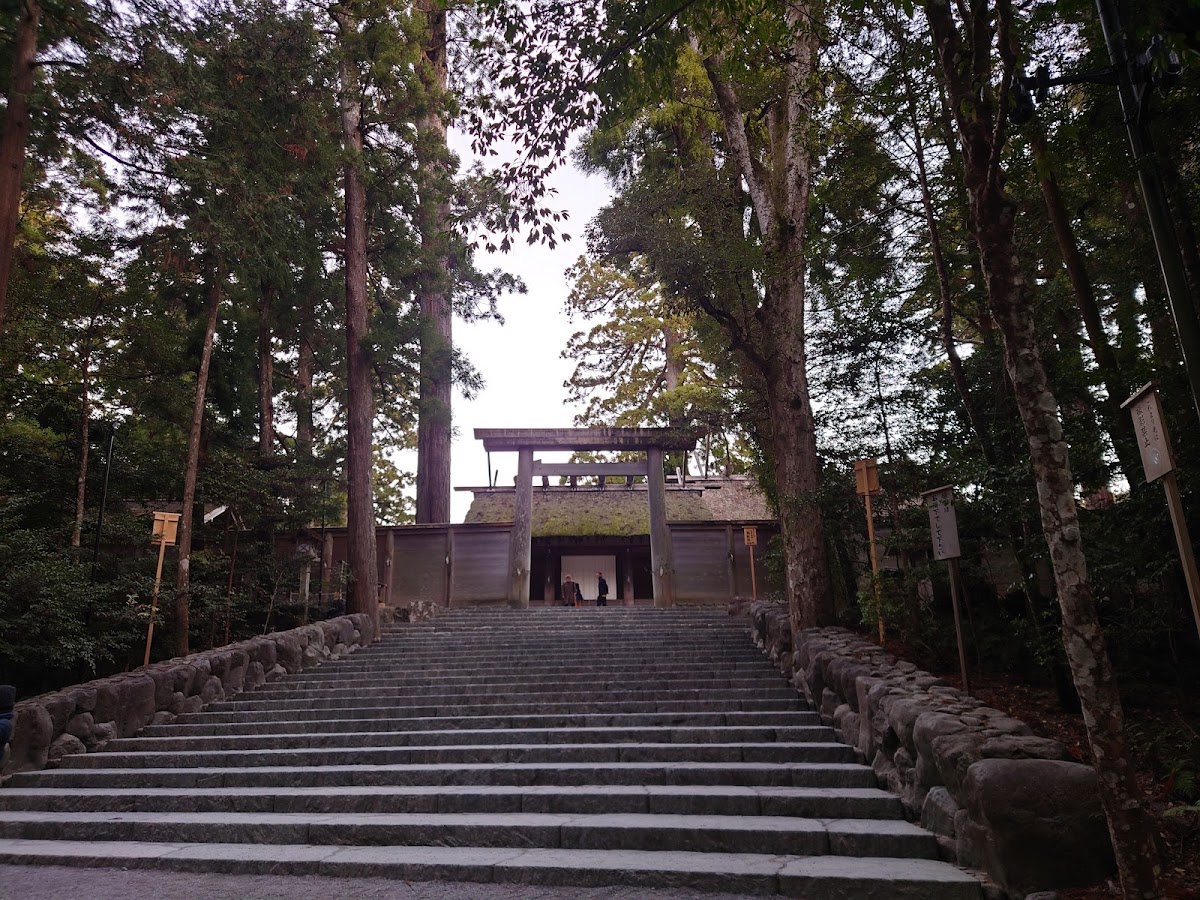
The main shrine of Ise Grand Shrine is built in the Shinmei-zukuri style, the oldest architectural style in Japan. This style originates from the raised-floor warehouses of the Yayoi period and possesses a simple yet majestic beauty.
Characteristics of Shinmei-zukuri
- Gable roof: The roof is shaped like an open book.
- Hirairi: The entrance is on the longer side of the building.
- Hori-tachi-bashira: A construction method in which pillars are directly embedded in the ground.
- Thatched roof: A roof thatched with thatch.
- Chigi and Katsuogi: Chigi (ornamental roof finials) that cross the roof, and katsuogi (ornamental roof finials) on top of the roof.
The chigi of the main shrine are inwardly cut (the tips are cut vertically), which is considered a symbol of the worship of a goddess. There are 10 katsuogi, and an even number is said to represent a goddess.
Arrangement of the Main Shrine
The main shrine is surrounded by four layers of fences:
- Mizugaki: The innermost fence
- Uchitamagaki: The second fence
- Sototamagaki: The third fence
- Itagaki: The outermost fence
General visitors worship from outside the Itagaki fence and cannot directly see the main sanctuary. This mystique further enhances the solemnity of the Ise Grand Shrine.
Uji Bridge and the Isuzu River | The Boundary Between the Secular World and the Sacred Realm
A visit to the Ise Grand Shrine begins with crossing the Uji Bridge. This bridge is considered a bridge connecting the secular world and the sacred realm, and is a wooden bridge measuring 101.8 meters in length and 8.4 meters in width.
History and Characteristics of Uji Bridge
Uji Bridge is a sacred bridge spanning the Isuzu River, and is rebuilt during the Shikinen Sengu (periodic rebuilding of the shrine). Large torii gates stand at both ends of the bridge; the inner gate uses the main pillars of the former main hall of the Inner Shrine, while the outer gate uses the main pillars of the former main hall of the Outer Shrine.
When crossing the bridge, it is customary to walk on the right. This is based on the idea of leaving the left side clear as a passage for the gods.
Isuzu River and the Mitarashiba (Purification Area)
After crossing Uji Bridge, you will find the Mitarashiba (purification area) of the Isuzu River on your right. Here, you can purify your hands and mouth, and many worshippers perform this ritual before entering the sacred area. The Isuzu River was an important factor in Amaterasu Omikami’s selection of the location for her enshrinement, and it is revered as a pure river flowing through the sacred area.
The river water is exceptionally pure, and it is also known as “Mimosusogawa” (御着洗川), with a legend that Princess Yamato-hime washed her hem here.
Betsugu | Ten Shrines Belonging to the Grand Shrine of Ise
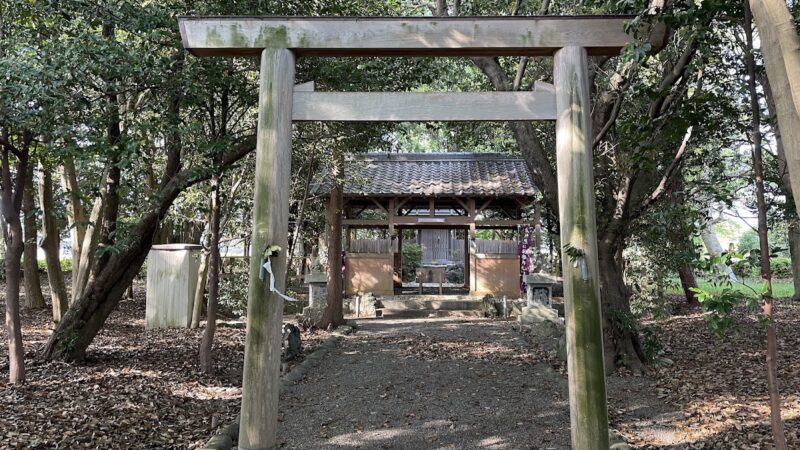
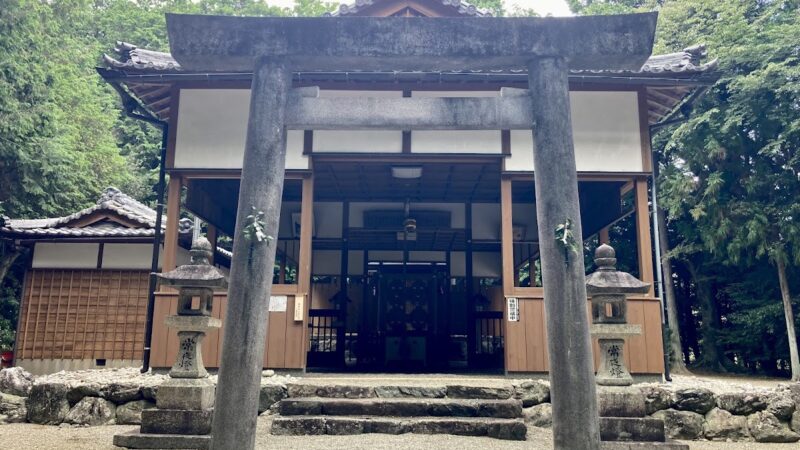
The Grand Shrine of Ise has ten Betsugu (auxiliary shrines) that hold a status second only to the main shrine. Each has its own unique enshrined deity and history, and visiting them after visiting the main shrine is recommended.
Aramatsuri-no-miya
This is the First Betsugu, the most prestigious of the Betsugu.
- Deity Enshrined: Amaterasu Omikami’s Aramitama (fierce and energetic spirit)
- Characteristics: Enshrines Aramitama (fierce and energetic divine spirit) of Amaterasu Omikami
- Location: Approximately 5 minutes on foot from the main shrine
Aramitama represents the powerful aspect of the god, and many worshippers visit seeking protection for new ventures and in difficult situations.
Kazahinominomiya Shrine
- Deities Enshrined: Shinatsuhiko-no-mikoto, Shinatobe-no-mikoto
- History: The god of wind, said to have saved the nation from disaster by creating a divine wind during the Mongol invasions.
- Location: Beyond the Kazahinominomiya Bridge over the Isuzu River
Tsukiyominomiya Shrine
- Deity Enshrined: Tsukuyomi-no-mikoto
- Characteristics: The younger brother of Amaterasu-Omikami, the god who rules the night.
- Location: Approximately 3km from the Inner Shrine, Nakamura-cho, Ise City
Tsukuyomi-no-miya houses four shrines: Tsukuyomi-no-Mikoto, Tsukuyomi-no-Mikoto’s rough spirit, Izanagi-no-miya, and Izanami-no-miya.
Takihara-no-miya
- Deity Enshrined: Amaterasu-Omikami’s spirit
- Location: Approximately 40km from Ise City, Taiki-cho, Watarai-gun
- Features: A mystical auxiliary shrine surrounded by a deep forest, known as a “distant shrine” (To-no-miya).
Takihara-no-miya is an auxiliary shrine dedicated to the spirit of Amaterasu-Omikami, serving as a place of worship for the Grand Shrine of Ise. It consists of two shrines: Takihara-no-miya and Takihara-no-miya Naramiya.
Izawa-no-miya Shrine
- Deity Enshrined: Amaterasu Omikami’s spirit
- Location: Isobe-cho, Shima City
- Characteristics: As the Ichinomiya (first shrine) of Shima Province, it presides over the bounty of the sea.
- Rituals: Otaue-sai (one of Japan’s three major rice-planting festivals)
Yamato-hime-no-miya Shrine
- Deity Enshrined: Yamato-hime-no-mikoto
- Founded: Taisho 12 (1923)
- Characteristics: The newest detached shrine, dedicated to Yamato-hime-no-mikoto, who guided Amaterasu Omikami to Ise.
- Location: Approximately 2km from the Inner Shrine
Other Detached Shrines
- Tsukuyomi-no-miya Aramitama-no-miya: Dedicates the Aramitama (fierce spirit) of Tsukuyomi-no-mikoto
- Izanagi-no-miya: Dedicates Izanagi-no-kami
- Izanami-no-Miya: Dedicated to Izanami-no-Mikoto
- Takihara-no-Miya Namimiya: A separate shrine adjacent to Takihara-no-Miya
Subsidiary Shrines, Minor Shrines, and Affiliated Shrines | 125 Shrine Groups
The Ise Grand Shrine complex as a whole comprises 2 main shrines, 14 auxiliary shrines, 43 subsidiary shrines, 24 minor shrines, and 42 affiliated shrines, totaling 125 shrines. The sheer number of shrines belonging to the Grand Shrine alone speaks to the vastness of the sacred area and the depth of faith.
Main Subsidiary Shrines
- Koyasu Shrine: Worshipped as the god of safe childbirth
- Oyamatsumi Shrine: Dedicated to the mountain god
- Kamo Shrine: Guardian deity of the Isuzu River
Shrines under the jurisdiction of the shrine
- Kazahinomiya Bridge: The bridge itself leading to Kazahinomiya Shrine is considered sacred
- Aedohashihime Shrine: Guardian deity of Uji Bridge
Shikinen Sengu | A Grand Festival Held Once Every 20 Years
Shikinen Sengu is the largest festival at the shrine, held once every 20 years, in which the shrine buildings are rebuilt and the sacred object is moved. This tradition began during the reign of Emperor Tenmu and has continued for over 1300 years.
Significance of the Shikinen Sengu (Periodic Relocation of the Shrine)
- The Philosophy of Tokowaka (Eternal Youth): Maintaining a constantly new and fresh state.
- Transmission of Techniques: Passing on the skills of shrine carpenters and craftsmen to the next generation.
- Renewal of Divine Power: Renewing the power of the gods.
- National Peace and Security: Praying for the peace and prosperity of the nation.
Scale of the Sengu
During the Shikinen Sengu, all shrine buildings, including the two main shrines and fourteen auxiliary shrines, as well as the torii gates, fences, and sacred garments and treasures, are newly constructed. The timber used is mainly Kiso cypress, amounting to over 10,000 trees.
The most recent Shikinen Sengu was held in 2013 (Heisei 25), and the next one is scheduled for 2033 (Reiwa 15).
Etiquette and Manners for Worship
There are etiquette and manners to observe when visiting the Ise Grand Shrine. Let us show respect for the sacred site and strive to worship properly.
Order of Worship
- Crossing Uji Bridge: Walk on the right side and bow before crossing.
- Purifying at the Water Basin or Washing Area: Purify your left hand, right hand, and mouth in that order.
- Worship at the Main Shrine: Two bows, two claps, one bow.
- Worship at the Sub-Shrines: If time permits, visit Aramatsuri-no-miya, Kazahinomiya-no-miya, etc.
Points to Note During Worship
- Refrain from making personal wishes: At Ise Grand Shrine, expressing gratitude is fundamental.
- Restrictions on Photography: Photography is prohibited inside the torii gate of the main shrine.
- Attire: Dress appropriately and respectfully.
- Quietness: Remain quiet in the sacred area.
Visiting Hours
- January-April, September: 5:00-18:00
- May-August: 5:00 AM – 7:00 PM
- October – December: 5:00 AM – 5:00 PM
Please note that visiting hours vary depending on the season; it is recommended to check in advance.
Major Festivals and Annual Events
Approximately 1500 festivals are held annually at the Ise Grand Shrine. Here are some of the most important festivals:
Three Festivals (Sansetsu-sai)
- National Foundation Day Festival (February 11th): A festival celebrating the founding of the nation
- Spring Imperial Ancestor Festival (Spring Equinox): A festival honoring the ancestors of the Imperial Family
- Autumn Imperial Ancestor Festival (Autumn Equinox): A festival honoring the ancestors of the Imperial Family
Kanname-sai (Harvest Festival)
Held from October 15th to 17th, this is one of the most important festivals. Newly harvested grains are offered to Amaterasu Omikami (the sun goddess) as an expression of gratitude.
Niiname-sai (Harvest Festival)
Held on November 23rd (Labor Thanksgiving Day), this festival involves His Majesty the Emperor offering the newly harvested grain to the gods and partakering of it himself.
Tsukinami-sai (Monthly Festival)
The Tsukinami-sai, held in June and December, are important festivals second only to the Kanname-sai, and prayers are offered for national peace and a bountiful harvest.
Transportation Access and Visiting Information
Access by Train
- From Kintetsu/JR Ise-shi Station:
- Bus: Get off at “Naiku-mae” bus stop on the Outer Shrine/Inner Shrine Loop Bus (approx. 20 minutes)
- Taxi: Approx. 10 minutes
- From Kintetsu Ujiyamada Station:
- Bus: Get off at “Naiku-mae” bus stop on the Outer Shrine/Inner Shrine Loop Bus (approx. 15 minutes)
- Taxi: Approx. 10 minutes
Access by Car
- Approx. 5 minutes from Ise IC on the Ise Expressway
- Approx. 10 minutes from Ise-Nishi IC on the Ise Expressway
Parking
There are several parking lots around the Inner Shrine (paid). It gets especially crowded on holidays and festival days, so early morning visits are recommended.
Okage Yokocho & Oharai-machi
Oharai-machi and Okage Yokocho, which developed as a temple town in front of the Inner Shrine, offer Ise specialties such as Akabuku mochi, Ise udon, and tekone sushi. They are popular spots for strolling after visiting the shrine.
Jingu Taima and Jingu Calendar
Jingu Taima (Jingu Shrine Amulet)
Jingu Taima are sacred amulets from the Grand Shrine of Ise, distributed through shrines throughout Japan. It is believed that enshrining them in a household altar brings the protection of Amaterasu Omikami.
Jingu Calendar (Jingu Calendar)
This calendar, issued by Ise Grand Shrine, records daily auspicious and inauspicious days and festival dates. As a traditional calendar dating back to the Edo period, it remains popular with many people today.
Kōtaijingu Shrines Nationwide | Other Shrines with the Same Name (Besides Ise Grand Shrine)
While the name “Kōtaijingu” is most famously associated with the Inner Shrine of Ise Grand Shrine, there are other shrines throughout Japan with the same or similar names.
Kōtaijingu Shrine in Jōtō Ward, Osaka City
This is a historic shrine founded in 1742 (Kanpō 2), dedicated to Amaterasu Ōmikami, and revered locally as “Jingū-sama” (Grand Shrine). The current shrine building is a Momoyama-style nagare-zukuri (flowing roof) structure, rebuilt in 1932 (Shōwa 7).
Kōtaijingu Shrine (Karasumori Shrine) in Fujisawa City
Founded during the Nara period as the principal shrine of Tsuchigō in Sagami Province, it is also known as “Karasumori Shrine.” It enshrines Amaterasu Ōmikami as its main deity, and also enshrines Hachiman Ōkami and Kasuga Ōkami.
Ise Grand Shrine in Uonuma City
Founded in 1361 (Shohei 16), it enshrines Amaterasu Omikami and Toyouke Omikami. During the Middle Ages, it attracted deep devotion as a place of prayer for the Uesugi family, the governors of Echigo Province.
These shrines demonstrate the spread of Ise faith and are affectionately known as “O-Ise-sama” by local people throughout the region.
Cultural Value and World Heritage Status of Ise Grand Shrine
Ise Grand Shrine possesses immeasurable cultural value as the center of Japanese spiritual culture.
Inheritance of Architectural Techniques
The rebuilding of the shrine buildings through the Shikinen Sengu (periodic rebuilding) is a unique system that transmits ancient architectural techniques to the present day. A wide range of traditional techniques are inherited, including the skills of shrine carpenters, thatched roofers, and blacksmiths who create sacred treasures.
Symbol of Shinto Culture
The Grand Shrine of Ise, as the highest sacred site of Shinto, has formed the foundation of the Japanese view of nature, life and death, and aesthetics. The Shinto ideals of “purity,” “simplicity,” and “harmony” are embodied in its architectural style and rituals.
Movement Towards World Heritage Registration
There are pros and cons regarding the registration of Ise Grand Shrine as a World Heritage Site. Some argue that the inheritance of architectural techniques through the Shikinen Sengu (periodic rebuilding of the shrine) and the history of faith spanning over 1300 years should be recognized. However, the shrine maintains that “becoming a World Heritage Site is not the goal.”
Summary | Guidelines for Visiting the Grand Shrine of Ise
The Grand Shrine of Ise is not merely a tourist destination, but a sacred site that can be called the spiritual home of the Japanese people. It is most important to visit with a pure heart and a feeling of gratitude towards Amaterasu Omikami.
Crossing the Uji Bridge and walking along the banks of the Isuzu River, the path to the majestic main shrine offers a precious opportunity to step away from everyday life and reflect on oneself. The shrine buildings, constantly renewed through the Shikinen Sengu (periodic rebuilding) ceremony every 20 years, embody the spirit of “eternal youth” and invigorate visitors.
Beyond visiting the main shrine, if time permits, we recommend visiting the auxiliary shrines and subordinate shrines, and spending quiet time in the deep forest of the sacred grounds. There, you will find the harmony with nature and reverence for the gods that the Japanese people have cherished since ancient times.
A visit to the Grand Shrine of Ise will be a journey of rediscovering Japanese history and culture, and your own roots.