Manshuin Temple Complete Guide: History, Highlights, and Access Information for this Monzeki Temple in Rakuhoku, Kyoto
Located in the Rakuhoku area of Sakyo Ward, Kyoto City, Manshuin Temple is a renowned temple boasting a long history as a Tendai sect monzeki temple. Known for its national treasure, the Yellow Fudo Myoo image, its dry landscape garden attributed to Kobori Enshu, and the beauty of its autumn foliage, it attracts many visitors as a hidden gem of Kyoto. This article provides a detailed explanation of Manshuin Temple, from its history and highlights to visiting information and access methods.
What is Manshuin Temple?: The Status and History of a Monzeki Temple
Founding and Origin of Manshuin Temple
Manshuin Temple is a Tendai sect temple that originated from a single monastery founded on Mount Hiei by Dengyo Daishi Saicho during the Enryaku era (782-806). Originally located in the northern valley of the western pagoda of Mount Hiei, it was known as “Tōbibō” or “Manshuin.” Since the Heian period, it has maintained a high status as a “Monzeki temple,” where the head priest has been a member of the imperial family or a member of the regent family.
A Monzeki temple is a temple where the head priest has been a member of the imperial family or a member of the regent family for generations. It is counted as one of the “Five Monzeki Temples of Tendai Buddhism,” along with Shōren-in, Sanzen-in, Myōhō-in, and Bishamondō. This high status is reflected in the architectural style of Manshuin and the quality of its art collection.
Relocation to the Current Location and Prince Ryōshō
Manshuin relocated to its current location in Ichijōji, Sakyō-ku, in the early Edo period, in Meireki 2 (1656). This relocation was realized by the 29th head priest, Prince Ryōshō.
Prince Ryōshō was born the second son of Prince Katsura Tomohito and was adopted by Emperor Go-Mizunoo. He was also known as a man of culture. When Manshuin Temple was relocated, the Prince constructed the current building, which embodies the finest examples of shoin architecture, and created an excellent garden. He was also deeply knowledgeable in the tea ceremony and flower arrangement, and his collection and preservation of numerous cultural artifacts laid the cultural foundation for present-day Manshuin Temple.
Manshuin Temple Architecture: A Masterpiece of Shoin-zukuri Architecture
The Great Shoin and Small Shoin
The Great Shoin and Small Shoin form the heart of the Manshuin Temple complex. These buildings are designated as important cultural properties of Japan, representing representative examples of early Edo period shoin-zukuri architecture.
The Great Shoin was used as a formal and public space, and each room is adorned with screen paintings by Kano school artists. Particularly famous are the paintings of Mount Fuji in the “Fuji Room” and the bamboo grove in the “Bamboo Room.” From the tatami-floored hall, one can view the garden, creating an aesthetically pleasing space where architecture and garden are integrated.
The small study was used as a more private space, and excellent screen paintings remain here as well. Of particular note is a corner of the small study called the Hassoken Tea Room, which has been noted for its similarity to the design of the Katsura Imperial Villa. Since Prince Ryosho was from the Katsura Imperial family, it is believed that the aesthetic sensibilities of the Katsura Imperial Villa were reflected in the architecture of Manshuin Temple.
Kuri and Main Hall
The kuri is a building used as the temple’s kitchen and living space for monks. Manshuin Temple’s kuri is designated as an Important Cultural Property, dating from the early Edo period. It has a powerful structure with impressive thick beams and pillars, combining the practicality and beauty of temple architecture of the time.
The main hall houses the principal image, a statue of Amida Buddha, and daily religious services are performed here. The main hall’s architectural style inherits the traditions of Tendai Buddhist temples, while incorporating the elegant designs of the Edo period.
Manshuin’s Treasures: National Treasures and Important Cultural Properties
National Treasure “Yellow Fudo Myoo Image”
The most important cultural property held by Manshuin is the “Yellow Fudo Myoo Image,” designated as a National Treasure. This painting, created during the Heian period, is known as one of the “Three Fudo,” along with the “Red Fudo” of Koyasan Myooin and the “Blue Fudo” of Shorenin.
The Yellow Fudo is a rare example of Fudo Myoo, usually depicted in red or blue, being rendered in yellow. Its vibrant yellow skin and the red flames behind it make it one of the finest masterpieces of Heian period esoteric Buddhist painting. The image conveys both a mystical power and the refined aesthetic sensibilities of the Heian aristocracy.
Currently, the original is not usually on public display for preservation purposes, and an elaborate replica is enshrined in the main hall. Opportunities to view the original are during special exhibitions or at exhibitions held at the Kyoto National Museum, etc.
Kokin Wakashu and Calligraphy
Manshuin Temple possesses many valuable calligraphic works, including a manuscript of the Kokin Wakashu (Collection of Ancient and Modern Japanese Poems) from the Heian period. In particular, the Manshuin-bon Kokin Wakashu is an extremely important work in the history of calligraphy, representing the elegant kana calligraphy of the Heian period.
Prince Ryōshō himself was known as a skilled calligrapher, and many calligraphic works written by the prince remain. These calligraphic works are valuable materials that demonstrate the high level of court culture in the early Edo period.
Wall Paintings and Crafts
The wall paintings by the Kano school adorning the large and small study halls are also designated as Important Cultural Properties. These works, painted by Kano Eishin, the grandson of Kano Eitoku, and other artists of his school, are important resources for understanding the style of the Kano school in the early Edo period.
Furthermore, Manshuin Temple possesses numerous excellent crafts, including tea ceremony utensils, incense ceremony utensils, and stationery. In particular, the tea kettle known as the “Manshuin Kettle” is highly prized in the world of the tea ceremony.
Manshuin Garden: Harmony of Dry Landscape and Pond Stroll Garden
Dry Landscape Garden Attributed to Kobori Enshu
The garden of Manshuin Temple consists of a dry landscape garden extending south of the main hall and a pond stroll garden to the east. While the dry landscape garden is attributed to Kobori Enshu, a landscape architect of the early Edo period, it is more likely that it was actually created under the guidance of Prince Ryosho.
The garden, covered with white sand, features stone arrangements representing crane and turtle islands, and is also known as the “Crane and Turtle Garden.” Crane Island is represented by five-needle pine trees and stone arrangements, while Turtle Island is composed of low, flat stone arrangements. These are auspicious motifs symbolizing longevity, and the design is dignified and befitting a monzeki temple (a temple formerly headed by a member of the imperial family).
Mount Hiei is incorporated as borrowed scenery behind the garden, creating a magnificent landscape where the artificial garden and the natural mountain range are integrated. The garden, viewed from the veranda of the main hall, changes its appearance with the seasons and time of day, offering visitors an experience of tranquility and beauty.
Pond Garden and Trees
To the east of the dry landscape garden is a small but charming pond garden. A walking path surrounds the pond, allowing visitors to enjoy the garden from various angles.
The garden is planted with a variety of trees, including five-needle pine trees estimated to be several hundred years old, as well as maple trees, azaleas, and rhododendrons. Especially during the autumn foliage season, the maple trees turn vivid colors, creating a magnificent contrast between the white sand garden and the autumn leaves.
The Four Seasons of Manshuin Temple: Particularly Beautiful Autumn Foliage Spots
Spring: Fresh Greenery and Cherry Blossoms
Spring at Manshuin Temple is a season where the beauty of fresh greenery stands out. The trees in the garden bud all at once, and a soft green envelops the temple grounds. Cherry trees are planted along the path leading to the main gate, and in early April, their pale pink blossoms welcome visitors.
The spring garden is full of vitality, freed from the harshness of winter, and you can enjoy the refreshing scenery of fresh greenery reflected in the white sand garden.
Summer: Deep Greenery and Tranquility
Summer at Manshuin Temple is a tranquil space enveloped in deep greenery. It’s a time when there are relatively few tourists, allowing you to slowly appreciate the garden or spend a meditative time on the cool tatami mats of the study hall.
The trees’ greenery deepens, and the entire garden takes on a deep shadow, creating a unique summer atmosphere. Amidst the sound of cicadas, you can enjoy a luxurious experience of forgetting the passage of time. ### Autumn Foliage: Manshuin Temple’s Peak Season
Manshuin Temple shines most beautifully during the autumn foliage season. From mid- to late November, the maple trees on the temple grounds change color all at once, turning into fiery reds and yellows.
Particularly magnificent is the foliage along the path leading from the main gate to the head hall. The tunnel of maple trees, with their branches spreading overhead, creates a fantastical beauty, like an entrance to another world. The autumn leaves in the garden viewed from the study hall are also exceptional, with the contrast between the white sand and the vibrant colors creating a picturesque scene.
While many visitors come during the autumn foliage season, Manshuin Temple offers a relatively calmer atmosphere compared to famous temples in Kyoto city center, which is another of its charms. Visiting during the early morning hours allows you to enjoy the foliage in an even more tranquil environment.
Winter Snowscape
Manshuin Temple in winter, especially on snowy days, displays a serene beauty reminiscent of an ink painting. When snow accumulates on the white sand garden, the entire garden is enveloped in pure white, creating an ethereal world where only the stone arrangements cast dark shadows.
Winter is the season with the fewest tourists, but precisely because of this, it is a precious time to experience the true tranquility of the temple. Enjoying a warm cup of tea in the heated study while gazing at the snowscape will be an unforgettable experience.
Manshuin Temple Visiting Information
Visiting Hours and Admission Fee
Manshuin Temple is usually open from 9:00 AM to 5:00 PM (reception until 4:30 PM). It is open year-round, but there may be days when it is closed due to temple events such as religious services, so it is recommended to check in advance.
Admission fees are 600 yen for adults, 500 yen for high school students, and 400 yen for junior high and elementary school students (fees are subject to change, so please check official information before visiting).
A leisurely visit to appreciate the garden and the shoin architecture takes approximately 45 minutes to 1 hour. During the autumn foliage season and special openings, you can enjoy the temple for even longer.
Special Openings and Events
Manshuin Temple sometimes holds special openings in spring and autumn, offering a rare opportunity to view temple treasures and building interiors that are normally closed to the public. In particular, when the actual image of the National Treasure, the Yellow Fudo Myoo, is displayed, many visitors come.
Also, on the 28th of each month, a Goma fire ritual is held as a memorial day for Fudo Myoo. General visitors are welcome to participate, so those interested should inquire.
Photography
Photography is permitted in the garden and exterior of the buildings at Manshuin Temple, but photography is prohibited inside the shoin and of the wall paintings. Please observe proper photography etiquette and be considerate of other visitors.
Tripods and selfie sticks are prohibited; please take photos handheld. While the autumn foliage season offers particularly beautiful photo opportunities, consideration for others and sharing shooting locations is essential during crowded times.
Access to Manshuin Temple
Access by Public Transportation
Manshuin Temple is located in the Rakuhoku area, northeast of Kyoto city center. For access by public transportation, the Eizan Electric Railway and buses are convenient.
If using the Eizan Electric Railway:
- Get off at Shugakuin Station on the Eizan Electric Railway, then walk for about 20 minutes (uphill).
- The path from the station to Manshuin Temple goes through a residential area and uphill. There are signposts, so you shouldn’t get lost.
If using the city bus:
- Get off at Ichijoji Shimizu-cho bus stop on the Kyoto City Bus, then walk for about 20 minutes.
- Or get off at Shugakuin-michi bus stop on the Kyoto City Bus, then walk for about 20 minutes.
In either case, it’s about a 20-minute uphill walk from the nearest station or bus stop, so we recommend wearing comfortable shoes. Along the way, you can also see other famous places such as Shisendo Temple and Enkoji Temple, allowing you to enjoy a temple tour of the Rakuhoku area.
Access by Taxi or Private Car
By Taxi:
- Approximately 30 minutes from Kyoto Station, fare approximately 2,500 yen
- Approximately 25 minutes from Shijo Kawaramachi, fare approximately 2,000 yen
By Private Car:
- Approximately 30 minutes from the Kyoto East Interchange on the Meishin Expressway
- There is a free parking lot on the temple grounds (capacity of approximately 50 cars), and there is usually ample space except during the autumn foliage season.
- However, the parking lot may be full on weekends during the autumn foliage season, so using public transportation is recommended.
If using a car navigation system, search for “Manshuin” or “Manshuin Monzeki”. The address is “42 Ichijoji Takenouchi-cho, Sakyo-ku, Kyoto City”.
Nearby Tourist Attractions
Many famous places in the Rakuhoku area are scattered around Manshuin.
- Shisendo: Approximately 10 minutes on foot from Manshuin. A mountain villa built by Ishikawa Jozan, a literary figure from the early Edo period, known for its beautiful garden and autumn foliage.
- Enkoji Temple: Approximately 15 minutes on foot from Manshuin Temple. Known for its garden called the Ten Ox Garden and as a famous spot for autumn leaves.
- Shugakuin Imperial Villa: Approximately 15 minutes on foot from Manshuin Temple. An imperial villa, visits are possible by prior reservation. It boasts a magnificent, vast garden.
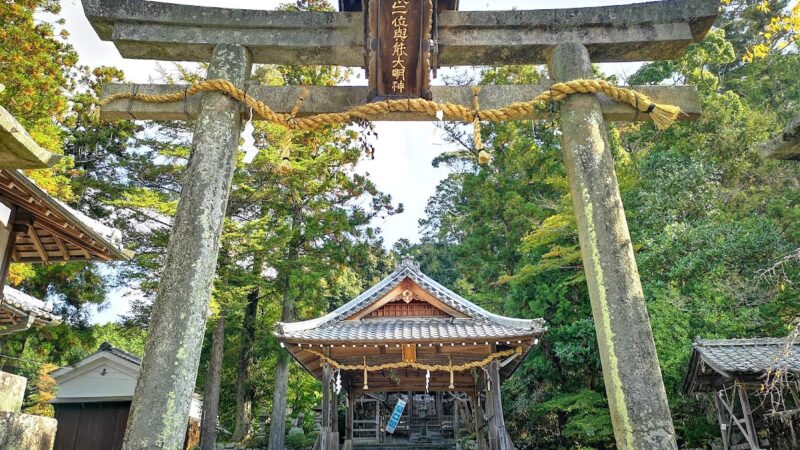
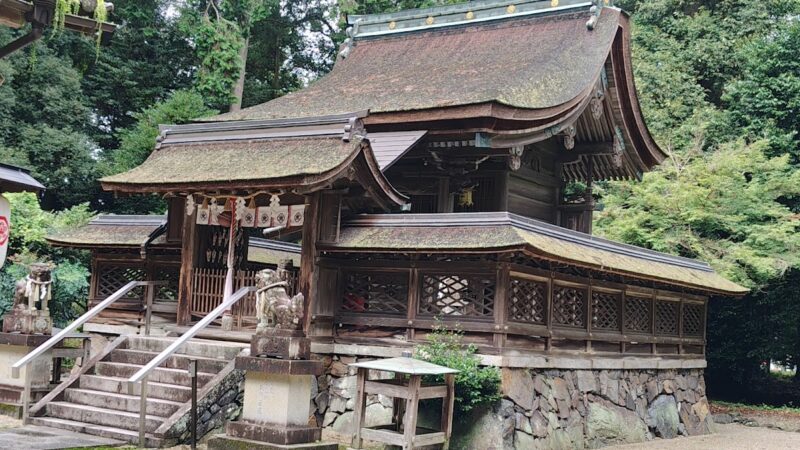
- Sagimori Shrine: Approximately 20 minutes on foot from Manshuin Temple. An ancient shrine nestled in a quiet forest.
By combining these temples and shrines, you can plan a half-day to full-day course in the Rakuhoku area for a fulfilling Kyoto sightseeing experience.
Points to consider when visiting Manshuin Temple
Best season and crowd situation
Manshuin Temple offers beautiful scenery throughout the year, but the most popular time to visit is during the autumn foliage season from mid- to late November. While it gets crowded, especially on weekends, during this time of year, it’s not as busy as the famous temples in downtown Kyoto, allowing for a relatively peaceful visit.
If you want to avoid crowds, weekday mornings, especially right after opening, are recommended. Enjoying the fresh greenery in spring or the tranquility in winter are also ways to appreciate the temple for those with a discerning palate.
Clothing and Items to Bring
Manshuin Temple is located on a mountainside, so the temperature is lower than in the city center. Especially from autumn to winter, it’s a good idea to bring an extra layer of clothing.
You will need to remove your shoes inside the study hall, so easy-to-remove shoes are convenient. Also, the floor can get cold in winter, so wearing thick socks is recommended.
You will need to walk uphill for about 20 minutes from the station or bus stop, so comfortable walking shoes are essential. Avoid high heels and sandals.
Manners and Precautions
Manshuin Temple is still a temple where monks live. Please visit quietly and be considerate of other visitors and temple staff.
- Refrain from loud conversations inside the study hall.
- Do not enter areas other than designated areas.
- Do not touch the plants or stones in the garden.
- Please take all your trash with you.
- Smoking is permitted only in designated areas.
By observing these basic manners, you can enjoy a fulfilling visit to Manshuin Temple without disrupting its tranquil atmosphere.
Historical Significance and Cultural Value of Manshuin Temple
Role as a Tendai Sect Monzeki Temple
Manshuin Temple, as one of the five Tendai sect Monzeki temples, has played a role as a place for the study and practice of Tendai Buddhism. While maintaining a deep relationship with Enryaku-ji Temple on Mount Hiei, it has also cultivated its own unique culture.
Due to its nature as a Monzeki temple, it has deep ties to the imperial family and court culture, making it a valuable place that conveys the elegant culture of the Heian period to the present day. Cultural properties such as calligraphy, paintings, and crafts are not merely works of art, but also important historical materials that tell the story of the history of Japanese court culture.
Conveying the Culture of the Early Edo Period
The current architecture and gardens of Manshuin Temple represent the pinnacle of early Edo period court culture. This cultural environment, formed during the time of Prince Ryōshō, stands alongside Katsura Imperial Villa and Shugakuin Imperial Villa as a testament to the refined aesthetic sensibilities of the early Edo period.
In particular, the integrated aesthetic space of the shoin architecture and garden occupies an important position in the history of Japanese architecture and landscape gardening. The garden style influenced by Kobori Enshū and the screen paintings by the Kano school, among other elements, are highly regarded by researchers as a space where the highest level of art of the time converged.
Manshuin Temple in the Modern Age
Today’s Manshuin Temple is not merely a tourist destination, but functions as a living religious institution. Daily religious services are held there, and it continues to be a place where monks practice their spiritual disciplines. At the same time, by preserving and exhibiting valuable cultural properties, it also plays a crucial role in the transmission of Japanese culture.
In recent years, efforts have been made to preserve and repair cultural properties, and to utilize digital technology for record-keeping, ensuring that culture is passed on to future generations. Furthermore, with the increase in foreign tourists, the development of explanatory brochures in English is also progressing.
Summary: The Charm and Significance of Visiting Manshuin Temple
Among the many temples in Kyoto, Manshuin Temple stands out for its high status, the quality of its cultural properties, the beauty of its gardens, and its tranquil atmosphere. The national treasure, the Yellow Fudo Myoo image, the early Edo period shoin architecture, the scenic garden said to have been created by Kobori Enshu, and the beauty of the autumn foliage—all of these harmonize to deeply impress visitors.
Located in Rakuhoku, a little distance from the city center, access requires some time, but this is precisely what preserves the quiet environment that is a major attraction of Manshuin Temple. Escape the hustle and bustle, immerse yourself in the essence of traditional Japanese culture, and spend time quietly gazing at the gardens—a precious experience away from the busyness of modern life.
When visiting Kyoto, be sure to venture beyond famous temples like Kinkaku-ji and Kiyomizu-dera to lesser-known gems like Manshu-in. A deeper, more profound side of Kyoto awaits you there. Manshu-in, especially during the autumn foliage season, offers a breathtaking beauty that will create lifelong memories. We highly recommend taking your time to leisurely explore and appreciate it.