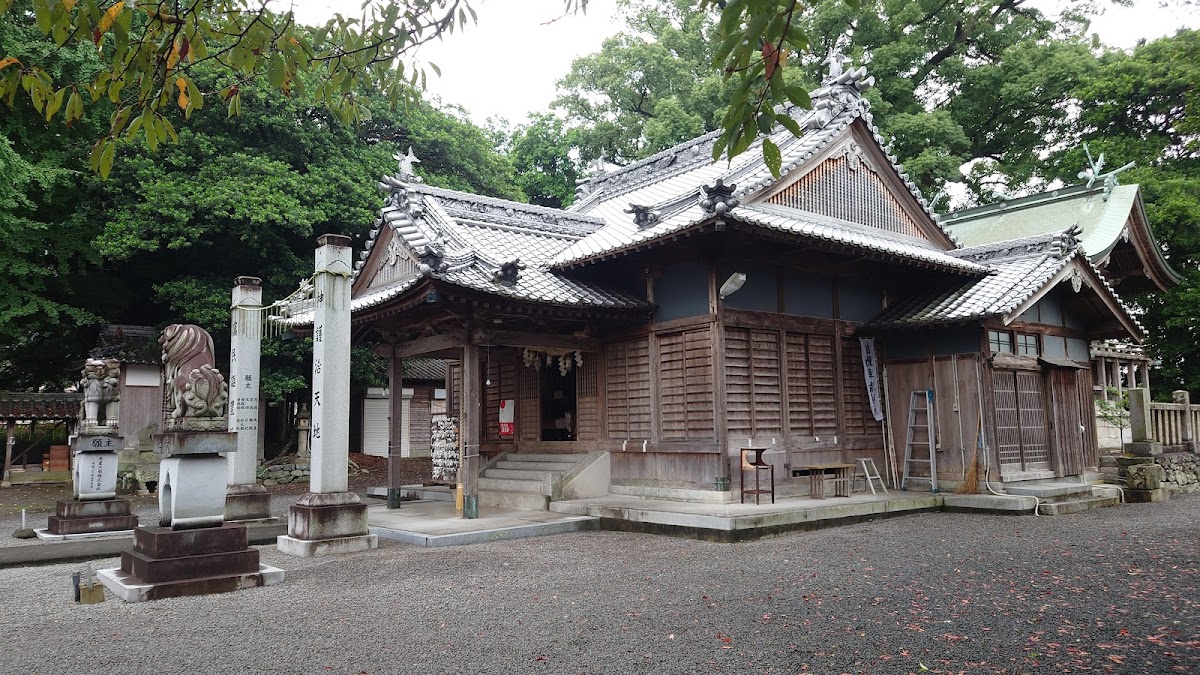
Complete Guide to Sanfukuji Temples | Comprehensive History, Characteristics, and Access Information for Sanfukuji Temples Nationwide
There are several temples throughout Japan that bear the name “Sanfukuji.” Each has a different history and characteristics, and has played an important role as a center of local faith. This article provides detailed information on the history, sect, principal image, cultural properties, and access information for various Sanfukuji temples.
Table of Contents
- What is Sanfukuji?
- Sanfukuji Temple in Isehara City, Kanagawa Prefecture
- Sanfukuji Temple in Sakado City, Saitama Prefecture
- Sanfukuji Temple in Nobeoka City, Miyazaki Prefecture
- Sanfukuji Temple in Shikokuchuo City, Ehime Prefecture
- Sanfukuji Temple in Tateyama City, Chiba Prefecture
- Sanfukuji Temple in Joso City, Ibaraki Prefecture
- Other Sanfukuji Temples
- Points to Note When Visiting Sanfukuji Temples
What is Sanfukuji?
The name “Sanfukuji” is thought to represent the three blessings in Buddhism: good fortune, wisdom, and longevity. Temples with the same name exist throughout Japan, each belonging to a different sect, such as Jodo-shu or Shingon-shu. These temples are deeply intertwined with local history and have been cherished by many parishioners and worshippers.
Sanfuku-ji Temple, Isehara City, Kanagawa Prefecture
Overview and History
Sanfuku-ji Temple, located in Isehara City, Kanagawa Prefecture, is a Jodo-shu temple with the mountain name “Kyuhonzan,” the temple name “Zenkoin,” and the formal name “Sanfuku-ji.” Its official name is “Kyuhonzan Zenkoin Sanfuku-ji.”
It was founded in 1555 (Muromachi period) by the monk Hokkai Eikei, also known as Nanrensha Ninyo Saiko Shonin. The principal image is enshrined as “Zenkoji Nyorai,” indicating a deep connection with Zenkoji Temple in Shinshu (present-day Nagano Prefecture). Zenkoji Nyorai is another name for Amida Nyorai and has attracted many worshippers since ancient times.
Temple Characteristics
Mifuku-ji Temple in Isehara City preaches rebirth in paradise through chanting the Buddha’s name, based on the teachings of the Jodo sect. The temple grounds are situated in a tranquil environment, serving as a place of worship and spiritual solace for local residents.
The temple’s mountain name, “Kyuhon-zan,” is thought to originate from “Kyuhon-ōjō,” which refers to the nine stages of rebirth in paradise according to the level of one’s spiritual practice. This represents the nine stages of rebirth, and is a name befitting a Jodo sect temple.
Access Information
Located in Isehara City, Kanagawa Prefecture, it is accessible by bus or on foot from Isehara Station on the Odakyu Odawara Line. For detailed access information, it is recommended to contact the temple in advance.
Mifuku-ji Temple in Sakado City, Saitama Prefecture
Overview and History
Mifuku-ji Temple, located in Koyama, Sakado City, Saitama Prefecture, is a Jodo sect temple with the mountain name “Rurikōzan.” The temple has a long history, dating back to 806 AD when physician Koyama Sosen enshrined a statue of Yakushi Nyorai (Medicine Buddha), which is said to have flown in from the east, and founded the temple as a Yakushi-do (Medicine Buddha Hall).
Cultural Property
The wooden seated statue of Yakushi Nyorai owned by Sanfuku-ji Temple in Sakado City is designated as a Saitama Prefecture Tangible Cultural Property. This Buddha statue is a valuable cultural heritage passed down from the temple’s founding and is an important work that conveys the style of Buddhist sculpture from the Heian to Kamakura periods.
Yakushi Nyorai is considered the principal deity of the Eastern Pure Land of Lapis Lazuli and has attracted the faith of people praying for healing from illness and good health and longevity. The temple’s mountain name, “Rurikōzan,” also derives from “Jōruri Sekai,” the Pure Land of Yakushi Nyorai.
Features of the Temple Grounds
Sanfuku-ji Temple in Sakado City, with its long history, also contributes to the preservation of local cultural properties. The temple grounds retain historical buildings and stone structures, conveying the atmosphere of the past to visitors.
Access Information
Located in Koyama, Sakado City, Saitama Prefecture, it is accessible from Kita-Sakado Station or Sakado Station on the Tobu Tojo Line.
Sanfuku-ji Temple, Nobeoka City, Miyazaki Prefecture
Overview and History
Sanfuku-ji Temple, located in Kitamachi, Nobeoka City, Miyazaki Prefecture, is a Jodo sect temple with the mountain name “Kyuhon-zan.” Situated south of the Gokase River, it is known as one of Nobeoka’s historic temples.
Like Sanfuku-ji Temple in Isehara City, it shares the mountain name “Kyuhon-zan,” indicating a strong reflection of the Jodo sect’s teaching of nine levels of rebirth in paradise.
Cultural Property
The silver-plated lotus pond motif garland (Tokinrenchimonkeman) owned by Sanfuku-ji Temple in Nobeoka City is designated as a Miyazaki Prefecture Designated Tangible Cultural Property. A keman is a type of Buddhist ornament used to adorn the interior of a Buddhist temple. This particular piece is a valuable work of art, featuring silver plating and a lotus pond motif.
This keman demonstrates the high level of Buddhist art from the medieval to early modern periods and is an important resource for studying the cultural history of the region.
Location and Access
Located in Kitamachi, Nobeoka City, Miyazaki Prefecture, it is within walking distance or accessible by bus from JR Nobeoka Station. Its location allows visitors to enjoy the scenery of the Gokase River while visiting.
Sanfuku-ji Temple, Shikokuchuo City, Ehime Prefecture
Overview and History
Sanfuku-ji Temple, located in Doi-cho, Shikokuchuo City, Ehime Prefecture, is a temple belonging to the Koyasan Shingon sect. Its principal image is Amida Buddha, and it welcomes pilgrims as the 28th temple on the New Shikoku Mandala Pilgrimage.
While other Sanfukuji temples belong to the Jodo sect, Sanfukuji in Shikokuchuo City is unique in that it belongs to the Shingon sect. The Shingon sect is a branch of Esoteric Buddhism founded by Kukai (Kobo Daishi) and holds an important position in the Shikoku region, which is home to the Shikoku 88 Temple Pilgrimage.
Role as a Sacred Site
As the 28th temple of the New Shikoku Mandala Pilgrimage, Sanfukuji welcomes many pilgrims as part of the Shikoku pilgrimage. Pilgrimages have long been practiced as a form of spiritual training for purifying mind and body and accumulating merit.
Preceding and Following Temples
When undertaking the New Shikoku Mandala Pilgrimage, pilgrims proceed from the 27th temple, through Sanfukuji, to the 29th temple. Each temple has its own unique history and principal deity, and pilgrims offer sutras at each temple.
Access Information
Located in Doi-cho, Shikokuchuo City, Ehime Prefecture, it is accessible by bus or taxi from JR Doi Station.
Sanfuku-ji Temple in Tateyama City, Chiba Prefecture
Overview
There is also a Jodo sect temple called Sanfuku-ji in Tateyama City, Chiba Prefecture. Located in the southern part of the Boso Peninsula, Tateyama City is blessed with a mild climate and abundant nature, and many temples and shrines have been built there since ancient times as a place of worship.
Sanfuku-ji Temple in Tateyama City also supports the faith of its parishioners and local residents as a local Jodo sect temple.
Access Information
Located in Tateyama City, Chiba Prefecture, it is accessible by bus or on foot from JR Tateyama Station.
Sanfuku-ji Temple in Joso City, Ibaraki Prefecture
Overview
In Joso City, Ibaraki Prefecture, there is a Sanfuku-ji temple that includes the Yawara Gobyō (mausoleum). This temple offers facilities such as a cemetery, burial grounds, columbarium, and perpetual memorial graves, and operates in a manner that meets modern needs.
Facilities and Usage Information
At Taniwahara Gobyō, in addition to general burial plots, perpetual memorial graves and columbariums are offered, catering to those without heirs or those concerned about future grave maintenance. Reception hours are 9:00 AM to 5:00 PM (closed Wednesdays), and advance visits and consultations are also accepted.
Access Information
Located in Jōsō City, Ibaraki Prefecture, it is accessible from Miraihei Station on the Tsukuba Express and the JR Jōsō Line.
Other Sanfukuji Temples
Sanfukuji Temples in Kyoto City
There are also Sanfukuji temples in Kyoto City. Kyoto is one of Japan’s leading areas with a high concentration of temples, and many historical temples are scattered throughout the city. Kyoto’s Sanfukuji temples are among those that convey the history and culture of the ancient capital to the present day.
Sanfukuji Temple and Sanbutsuji Castle Ruins in Takayama City, Gifu Prefecture
In the Sanfukuji district of Takayama City, Gifu Prefecture, lies the ruins of Sanbutsuji Castle. This is the site of a mountain castle built during the Sengoku period (Warring States period), constructed in a long, narrow strip on the ridge of Shiroyama Mountain, behind a fertile basin on the right bank of the Daihachiga River.
The Sanbutsuji Castle ruins are an important historical site that tells the story of the region’s history and is also the origin of the place name Sanfukuji. It is a historical site of interest in the study of castle history and medieval history.
Points to Note When Visiting Sanfukuji Temple
Understanding the Differences in Sects
While the majority of Sanfukuji temples throughout Japan belong to the Jodo sect, some temples belong to other sects such as the Shingon sect. Understanding the sect and principal image of each temple will lead to a deeper religious experience during your visit.
Appreciating Cultural Properties
Each of the three temples in Shikokuchuo City, such as the wooden seated statue of Yakushi Nyorai in Sakado City and the silver-plated lotus pond motif garland in Nobeoka City, houses valuable cultural properties. While these are usually not open to the public, special exhibitions offer opportunities to experience these precious cultural heritage sites.
Pilgrimage
At temples designated as pilgrimage sites, like the three temples in Shikokuchuo City, you can receive a Goshuin (temple stamp) in your pilgrimage notebook. Pilgrimages are still practiced by many people today as a form of spiritual practice for purifying mind and body and accumulating merit.
Prior Confirmation
Before visiting, it is recommended to check the visiting hours, admission fees, and access methods in advance. Especially for viewing cultural properties and receiving Goshuin, advance reservations may be required.
Meaning of the Mountain and Temple Names of Sanfuku-ji Temples
Kuhonzan (九本山)
The mountain name “Kuhonzan,” shared by Sanfuku-ji Temples in Isehara City and Nobeoka City, originates from the “Nine Grades of Rebirth” teaching of Pure Land Buddhism. Nine Grades of Rebirth is a concept that classifies those who attain rebirth into nine ranks, from the highest rank to the lowest rank, representing the form of rebirth according to the level of spiritual practice.
This mountain name expresses the inclusive teaching of the Pure Land sect, that all people can attain rebirth in the Pure Land according to their individual abilities.
Rurikōzan (瑠璃光山)
The mountain name “Rurikōzan” of Sanfuku-ji Temple in Sakado City originates from the “Eastern Pure Land of Lapis Lazuli,” the Pure Land of Yakushi Nyorai (Medicine Buddha). Rurikō is taken from “Yakushi Rurikō Nyorai,” another name for Yakushi Nyorai, reflecting the belief in healing from illness and longevity.
Zenkoin Temple
The temple name “Zenkoin” of the Sanfukuji Temple in Isehara City indicates its connection to the principal image, the Zenkoji Buddha. It is an important name that tells the story of its connection to Shinshu Zenkoji Temple.
Sanfukuji Temples and Local Communities
Sanfukuji temples in various regions have played a role not only as religious facilities but also as cultural and historical centers of their local communities.
Protection of Cultural Properties
The cultural properties held by the Sanfukuji Temples in Sakado City and Nobeoka City are valuable historical materials that tell the story of the region. These temples play a role in passing on the region’s cultural heritage to future generations by striving to protect and preserve these cultural properties.
The Danka System and Local Communities
The Danka system, established during the Edo period, strengthened the ties between Sanfukuji temples and local residents. Even today, the relationship between temples and their parishioners continues through funerals, memorial services, and annual events.
Modern Initiatives
An increasing number of temples, such as Sanfuku-ji Temple in Joso City, Ibaraki Prefecture, are developing facilities that meet modern needs, such as perpetual memorial graves and ossuaries. This can be seen as a new role that temples must play in modern society, which is characterized by a declining birthrate, an aging population, and the rise of nuclear families.
Etiquette for Visiting Sanfuku-ji Temple
Etiquette for Visiting Jodo Sect Temples
When visiting Sanfuku-ji Temple, a Jodo sect temple, please observe the following etiquette:
- Bow at the Temple Gate: Bow at the temple gate before entering the temple grounds.
- Purification at the Water Basin: Purify your hands and mouth at the water basin.
- Worship at the Main Hall: Join your hands in prayer in front of the main hall and chant “Namu Amida Butsu.”
- Offering a Coin: Quietly offer your coin.
- Bow upon Exit: When leaving the temple grounds, bow again at the main gate.
Etiquette for Visiting Shingon Buddhist Temples
At Shingon Buddhist temples such as Sanfuku-ji Temple in Shikokuchuo City, you may chant “Namu Daishi Henjo Kongo.” If you are on a pilgrimage, receive a temple stamp at the temple office.
Summary
Sanfuku-ji Temples, located throughout Japan, each possess their own unique history and characteristics, supporting local faith and culture. While Jodo Buddhist temples make up the majority, there are also Shingon Buddhist temples, demonstrating the diversity of sects.
Each Sanfuku-ji Temple has unique features worth visiting, such as the Zenkoji Nyorai in Isehara City, the Yakushi Nyorai seated statue (a prefectural designated cultural property) in Sakado City, the silver-plated lotus pond garland in Nobeoka City, and the role of a pilgrimage site in Shikokuchuo City.
When visiting, researching the history, principal image, and cultural properties of each temple beforehand will lead to a more fulfilling experience. Furthermore, by experiencing the local history and culture, you can truly appreciate the richness of Japanese Buddhist culture.
The wish for “three blessings” embodied in the temple name, Sanfukuji, has resonated with people’s hearts across generations. Please visit a Sanfukuji temple near you and experience its history and faith.