Goro Shrine Complete Guide | History, Deities, and Access Information Explained in Detail
There are several shrines named Goro Shrine throughout Japan. Each has its own unique history and origins, and has attracted local faith. This article provides a detailed explanation of the major Goro Shrines, including their history, enshrined deities, festivals, and access methods. Please use this as a reference when searching for a shrine or as information gathering before visiting.
What is a Goro Shrine?
Goro Shrine is a general term for shrines bearing the name “Goro.” The major Goro Shrines that can be confirmed today are as follows:
- Goro Shrine in Isesaki City, Gunma Prefecture
- Goro Shrine in Yugawara Town, Kanagawa Prefecture
- Goryo Shrine (Gongoro Shrine) in Kamakura
- Goro Shrine in Kumamoto City
Each shrine has a different history and the enshrined deities differ. The origin of the name “Goro” also varies by region, ranging from personal names to place names. ## Goro Shrine, Isesaki City, Gunma Prefecture
History and Origin
Goro Shrine, located in Ota-cho, Isesaki City, Gunma Prefecture, was formerly a village shrine. Its founding dates back to the first year of the Tenna era (1681). In that year, when Sakai Tadahiro, the second son of Sakai Tadakiyo, the lord of the Maebashi domain, was granted the Isesaki domain of 20,000 koku, the shrine building was constructed.
This shrine, which had deep ties to daimyo families in the early Edo period, was positioned as the guardian deity of the region with the establishment of the Isesaki domain. The Sakai family was a prestigious family of hereditary daimyo, descended from Sakai Tadatsugu, one of the Four Heavenly Kings of Tokugawa, and the shrine, founded by a branch family, is considered to have high historical value.
Deities and Beliefs
Regarding the deities enshrined at Goro Shrine in Isesaki City, while they have the characteristics of guardian deities of the region, the specific names of the enshrined deities may differ depending on the historical source. As a village shrine, it has attracted the faith of local residents and functioned as a place to pray for abundant harvests and family safety.
Access Information
- Location: Ota-cho, Isesaki City, Gunma Prefecture
- Nearest Station: JR Ryomo Line Isesaki Station
- Transportation: Accessible on foot or by bus from Isesaki Station
Goro Shrine in Yugawara Town, Kanagawa Prefecture
Founding and History
Goro Shrine, located in Kajiya, Yugawara Town, Ashigarashimo District, Kanagawa Prefecture, is said to have been founded during the Genki era (1570-1573). Founded at the end of the Sengoku period, it is an ancient shrine with a history of over 400 years.
It was designated a village shrine on July 30, 1873 (Meiji 6), and on September 23, 1911 (Meiji 44), Suga Shrine, which was located in Morishita, was merged with it. This merger resulted in the current composition of enshrined deities.
Enshrined Deities
The enshrined deities of Goro Shrine in Yugawara Town are the following two:
- Kanayamahiko-no-Mikoto: A deity worshipped as the god of mining and metalworking. As the place name Kajiya (blacksmith) in Yugawara Town suggests, this region is believed to have been a center of blacksmithing and metalworking since ancient times, and the enshrinement of Kanayamahiko-no-Mikoto is related to this industry.
- Omodaru-no-Mikoto: One of the seven gods of the Age of the Gods in Japanese mythology. As a god involved in the formation of the land, he is an object of prayer for the stability and development of the region.
Festivals and Events
Goro Shrine in Yugawara Town holds an annual grand festival. The following traditional events are performed during this festival:
- Urayasu Dance: An elegant dance performed by shrine maidens.
- Kashima Dance: A traditional folk art passed down in the region.
- Ohayashi: Performance of festival music.
- Mikoshi Procession: Normally, the portable shrine parades through the town (may be canceled depending on circumstances).
Although a small shrine, its ancient and venerable festivals are still carefully preserved, making it a central part of the local community.
Shrine Grounds
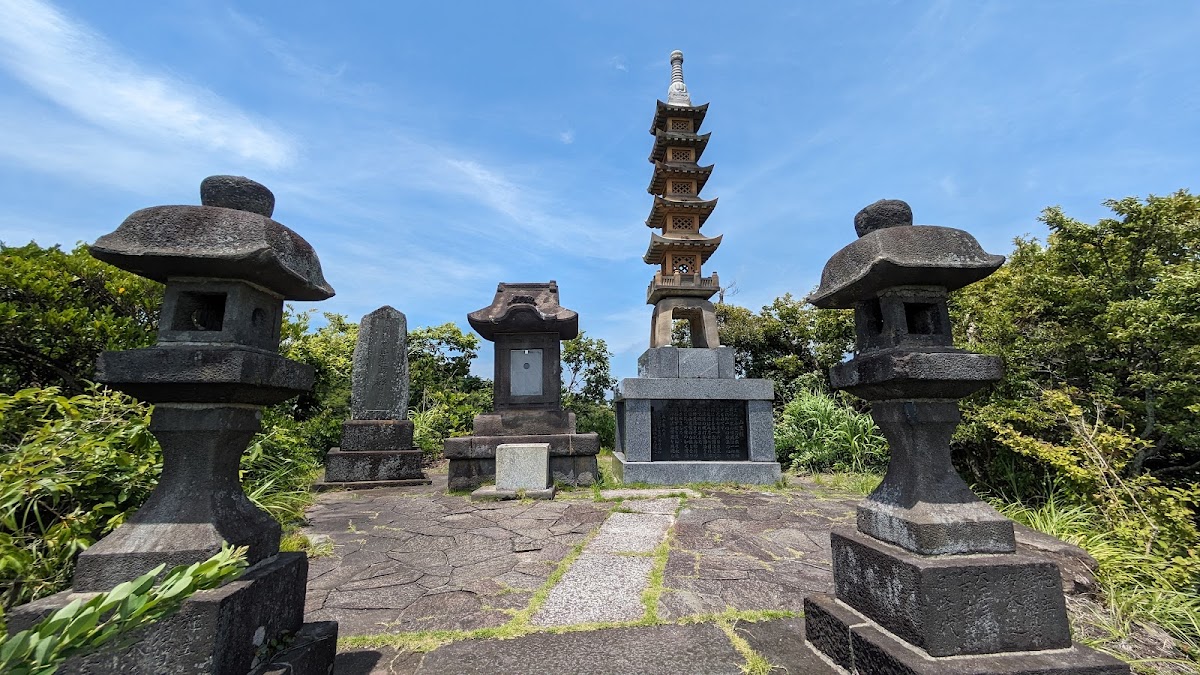
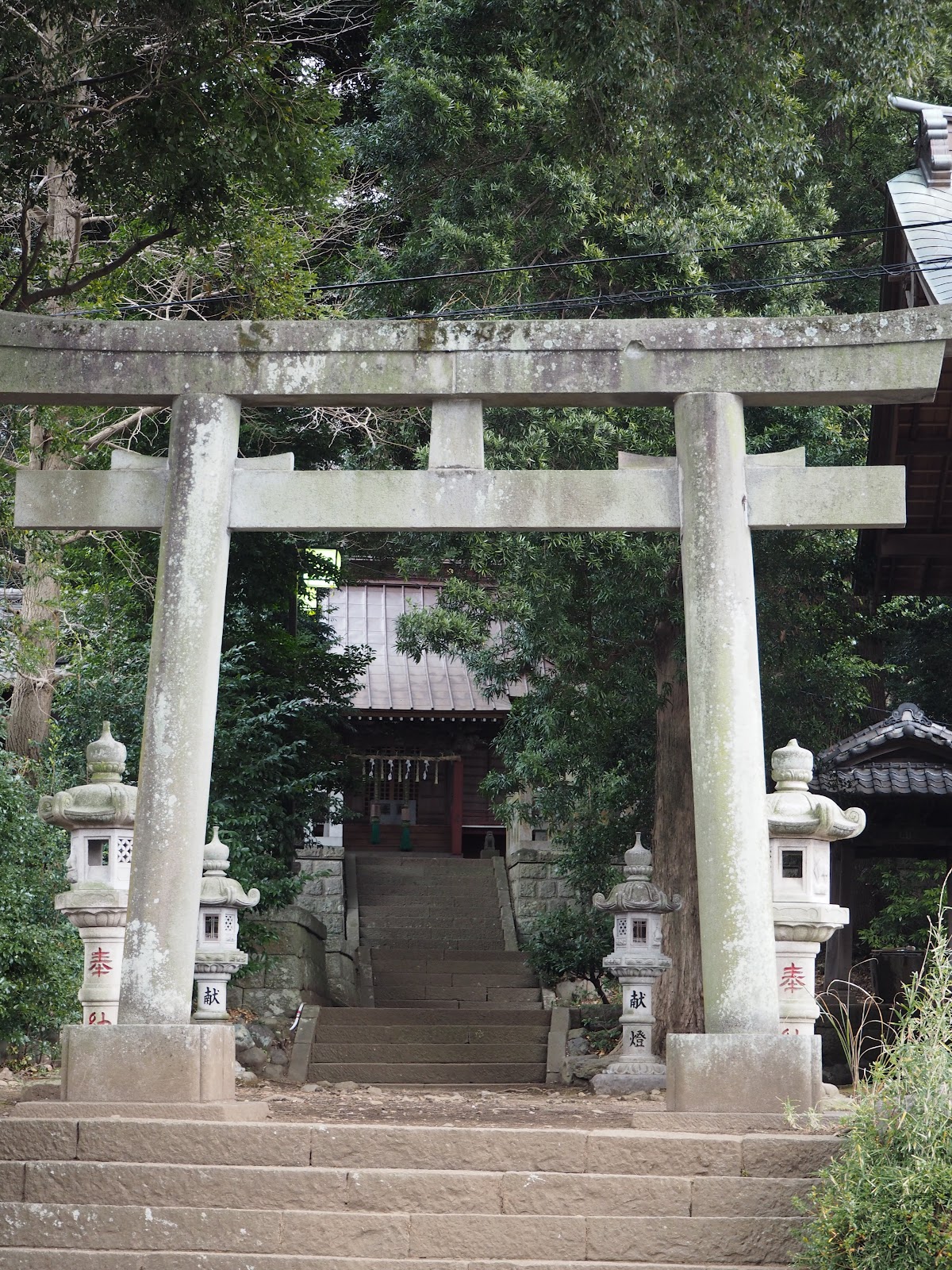
The shrine grounds are surrounded by large trees, maintaining a tranquil atmosphere. While unmanned, it is carefully maintained by local residents and kept clean and free from neglect. The guardian lion-dogs are small and endearing, bringing comfort to visitors.
Access Information
- Location: Kajiya, Yugawara-machi, Ashigarashimo-gun, Kanagawa Prefecture
- Nearest Station: Yugawara Station, JR Tokaido Main Line
- Transportation: Accessible by bus or taxi from Yugawara Station
- Nearby Attractions: Yugawara Plum Grove (especially recommended during the plum blossom festival)
Kamakura’s Goryo Shrine (Gongoro Shrine)
About Kamakura Gongoro Kagemasa
Kamakura’s Goryo Shrine is commonly known as “Gongoro Shrine” and is an important shrine bearing the name “Goro.” The enshrined deity is Kamakura Gongoro Kagemasa.
Kamakura Gongoro Kagemasa was a samurai warrior in the late Heian period and belonged to the Taira clan, descendants of Emperor Kanmu. He was a figure who ruled the area encompassing present-day Kamakura and the Shonan region approximately 90 years before Minamoto no Yoritomo established the Kamakura Shogunate.
Valor and Reverence
Kagemasa is known as a brave warrior, considered a model of Kamakura samurai. His most famous exploits are those from the Later Three Years’ War (1083-1087). At the age of 16, Kagemasa went into battle, and despite being struck in the right eye by an arrow, he managed to kill his enemy. An anecdote remains that after the battle, he became enraged when a fellow warrior tried to remove the arrow, tripping him in the face. Because of this legend of being struck in the eye, he is also revered as a god of healing eye diseases.
Contributions to Regional Development
Beyond being a warrior, Kagemasa played a crucial role as a pioneering lord of the Kamakura and Shonan region. He is credited with developing the agricultural infrastructure and forming the local community, and has been affectionately known and revered by the local people as “Gongoro-sama.”
History of Goryo Shrine
Goryo Shrine is believed to have been founded during the Heian period. It is said to have been established after the death of Lord Kagemasa to commemorate his achievements. As an ancient shrine existing before the establishment of the Kamakura Shogunate, it is one of the indispensable shrines when discussing the history of Kamakura.
Access Information
- Location: Sakanoshita, Kamakura City, Kanagawa Prefecture
- Nearest Station: Hase Station, Enoshima Electric Railway
- Transportation: Approximately 5 minutes on foot from Hase Station
- Nearby Attractions: Close to major Kamakura tourist attractions such as Hase-dera Temple and the Kamakura Daibutsu (Great Buddha)
Goro Shrine in Kumamoto City
Legend of Yokote Goro
Goro Shrine, located in Yokote 3-chome, Kumamoto City, is a shrine related to Yokote Goro, a man of great strength who is said to have lived during the time of Kato Kiyomasa. Yokote Goro is a legendary figure known for his superhuman strength and bravery, and became an object of local folk worship.
Relationship with Kichijoji Temple
Before the Meiji era, Goro Shrine was a Bishamondo (hall dedicated to Bishamonten) located within the grounds of Kichijoji Temple. Following the separation of Shinto and Buddhism, it became an independent shrine, which it remains today. This history is interesting as an example of the transition from syncretism of Shinto and Buddhism to the separation of Shinto and Buddhism in Japanese religious history.
Access Information
- Location: Yokote 3-chome, Kumamoto City, Kumamoto Prefecture
- Transportation: Accessible by Kumamoto City Tram or local bus
How to Find Shrines in Kanagawa Prefecture
There are many shrines in Kanagawa Prefecture besides Goro Shrine. The following methods are effective when searching for shrines.
Utilizing the Kanagawa Prefectural Shrine Association
The Kanagawa Prefectural Shrine Association website allows you to search for shrines within the prefecture. You can search by various criteria, such as region and enshrined deity. Detailed information is displayed, making it convenient when planning your pilgrimage.
Search by Region
Kanagawa Prefecture is a large area, encompassing diverse regions from designated cities like Yokohama, Kawasaki, and Sagamihara to smaller towns like Yugawara. Narrowing your search to the area you plan to visit will allow you to efficiently find shrines.
Search by Deity
If you want to find a shrine dedicated to a specific deity, you can also search by the deity’s name. For example, shrines dedicated to Kanayamahiko-no-Mikoto are often found in areas related to mining and metalworking.
Points to Note When Visiting Goro Shrine
Etiquette for Visiting a Shrine
When visiting Goro Shrine, follow the general etiquette for visiting a shrine.
- Bow before passing through the torii gate
- Cleanse your hands and mouth at the temizuya (water basin)
- Bow twice, clap twice, and bow once in front of the main hall
- Bow again after passing through the torii gate upon leaving
About Goshuin (Shrine Seals)
The availability of Goshuin varies depending on the shrine. In the case of unmanned shrines like the Goro Shrine in Yugawara Town, Goshuin (shrine stamps) may not be issued. If you wish to receive a Goshuin, it is recommended to check in advance.
At the Goryo Shrine (Gongoro Shrine) in Kamakura, Goshuin are usually issued.
Visiting During Festivals
Visiting during festivals such as the annual grand festival allows you to see the shrine in a different light than usual. It is also an opportunity to appreciate traditional performing arts such as the Urayasu no Mai and Kashima Odori. However, it can get crowded during festivals, so it is recommended to visit with plenty of time to spare.
Benefits and Faith of Goro Shrines
Faith in Regional Protection
Each Goro Shrine has the characteristics of a guardian deity in its respective region. They are believed to offer benefits such as regional safety, abundant harvests, and family safety.
Connection to Industry
Shrines dedicated to Kanayamahiko-no-Mikoto, such as the Goro Shrine in Yugawara Town, are worshipped as the guardian deity of mining, metalworking, and even manufacturing in general today.
Faith for Healing Eye Diseases
At the Goryo Shrine (Gongoro Shrine) in Kamakura, due to the legend of Kagemasa being struck in the eye by an arrow, it is believed to offer blessings for healing eye diseases, attracting worshippers praying for good eye health.
Long-lasting Military Fortune and Good Luck in Competitions
Shrines dedicated to warriors like Gongoro Kagemasa are also worshipped for good luck in competitions and long-lasting military fortune. Today, athletes and students preparing for exams also visit these shrines.
Pilgrimage Plan Combined with Surrounding Sightseeing
Yugawara Area
When visiting the Goro Shrine in Yugawara Town, we recommend a pilgrimage plan that combines it with the following sightseeing spots.
- Yugawara Plum Grove: A plum blossom festival is held from February to March, with approximately 4,000 plum trees in full bloom.
- Yugawara Onsen: A hot spring resort long loved by writers and artists, day trips for bathing are also possible.
- Goshō Shrine: The main shrine of Yugawara town, and a shrine involved in the annual festival of Gorō Shrine.
Kamakura Area
When visiting Goryō Shrine (Gongorō Shrine), you can incorporate it into a tour of Kamakura’s main tourist attractions.
- Hase-dera Temple: An ancient temple famous for its Kannon statue, known for its beautiful flowers throughout the seasons.
- Kotoku-in Temple (Kamakura Great Buddha): Home to the national treasure, the seated statue of Amida Buddha.
- Yuigahama Beach: Enjoy a stroll along the coast and the view of Enoshima.
- Kamakura Museum of Literature: Exhibits materials related to literary figures associated with Kamakura.
Isesaki Area
When visiting Goro Shrine in Isesaki City, you can also consider other tourist destinations in Gunma Prefecture.
- Isesaki Shrine: The main guardian shrine of Isesaki City.
- Kezoji Park: A park where you can enjoy amusement park attractions and seasonal flowers.
- Tajima Yahei’s Former Residence: A component of the World Heritage Site “Tomioka Silk Mill and Related Industrial Heritage Sites”.
The Present and Future of Goro Shrine
Connection with Local Communities
Currently, many Goro Shrines function as central figures in their local communities. Festivals such as the annual grand festival are important opportunities for local residents to gather and pass on traditions to the next generation.
While some shrines face the challenge of a shortage of people to carry on festivals amidst a declining birthrate and aging population, traditions are being preserved through the efforts of local people.
Value as Cultural Assets
Some Goro Shrines have designated cultural assets, including their architecture, documents passed down through generations, and tools used in festivals. These are not merely religious facilities, but valuable assets that convey the history and culture of the region.
Utilization as a Tourism Resource
Shrines located in tourist areas, such as the Goryo Shrine (Gongoro Shrine) in Kamakura, attract many tourists. They also play a role as a base for disseminating local history and culture.
On the other hand, smaller shrines like the Goro Shrine in Yugawara Town are also gaining attention as hidden charms of the region. They offer a peaceful environment where visitors can calm their minds and find solace in worship.
Summary
Goro Shrines are unique shrines found throughout Japan. Goro Shrines in Gunma Prefecture (Isesaki City), Kanagawa Prefecture (Yugawara Town), Kamakura, Kumamoto City, and other regions each possess distinct histories and enshrined deities, attracting local faith.
Yugawara Town’s Goro Shrine enshrines Kanayamahiko-no-Mikoto and Omodaru-no-Mikoto, preserving the town’s history as a blacksmithing town. Kamakura’s Goryo Shrine (Gongoro Shrine) enshrines the brave warrior Kamakura Gongoro Kagemasa, conveying the spirit of the Kamakura samurai to the present day. Isesaki City’s Goro Shrine is a historically significant shrine with ties to daimyo families during the Edo period.
Visiting these shrines allows you to experience the diversity of Japanese history and regional culture. When searching for shrines, it is recommended to use information sources such as the Kanagawa Prefectural Shrine Association to confirm details before visiting.
Understanding the historical background and characteristics of the enshrined deities of each shrine will lead to a deeper experience. Combining visits during festivals or sightseeing in the surrounding area will further enhance your experience.
Regardless of their size, Goro Shrines have always been cherished and protected by the local community. Even today, they play a vital role as a center of the local community and as a place for preserving history and culture. We encourage you to visit and experience the atmosphere for yourself.