What is Senbon Torii?
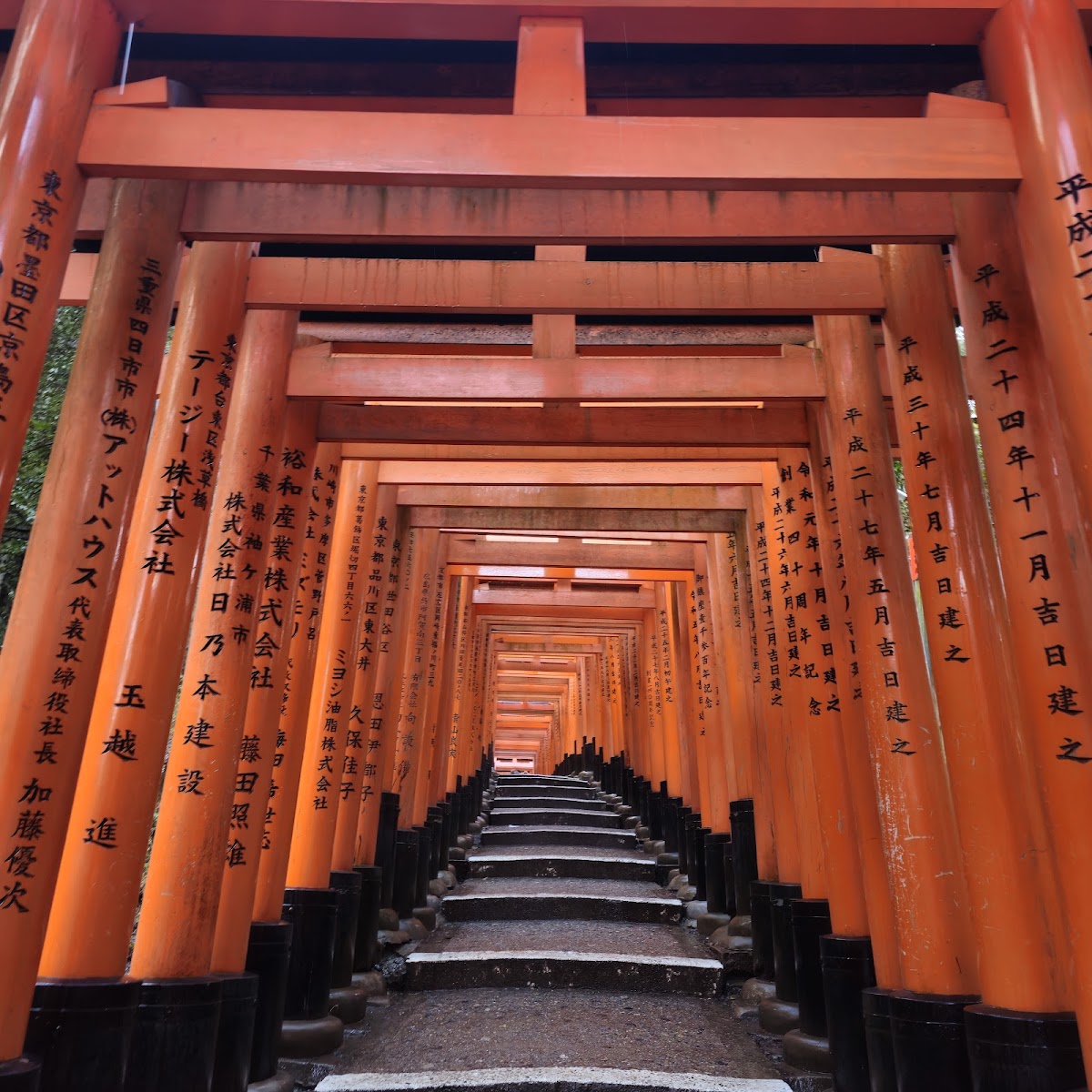
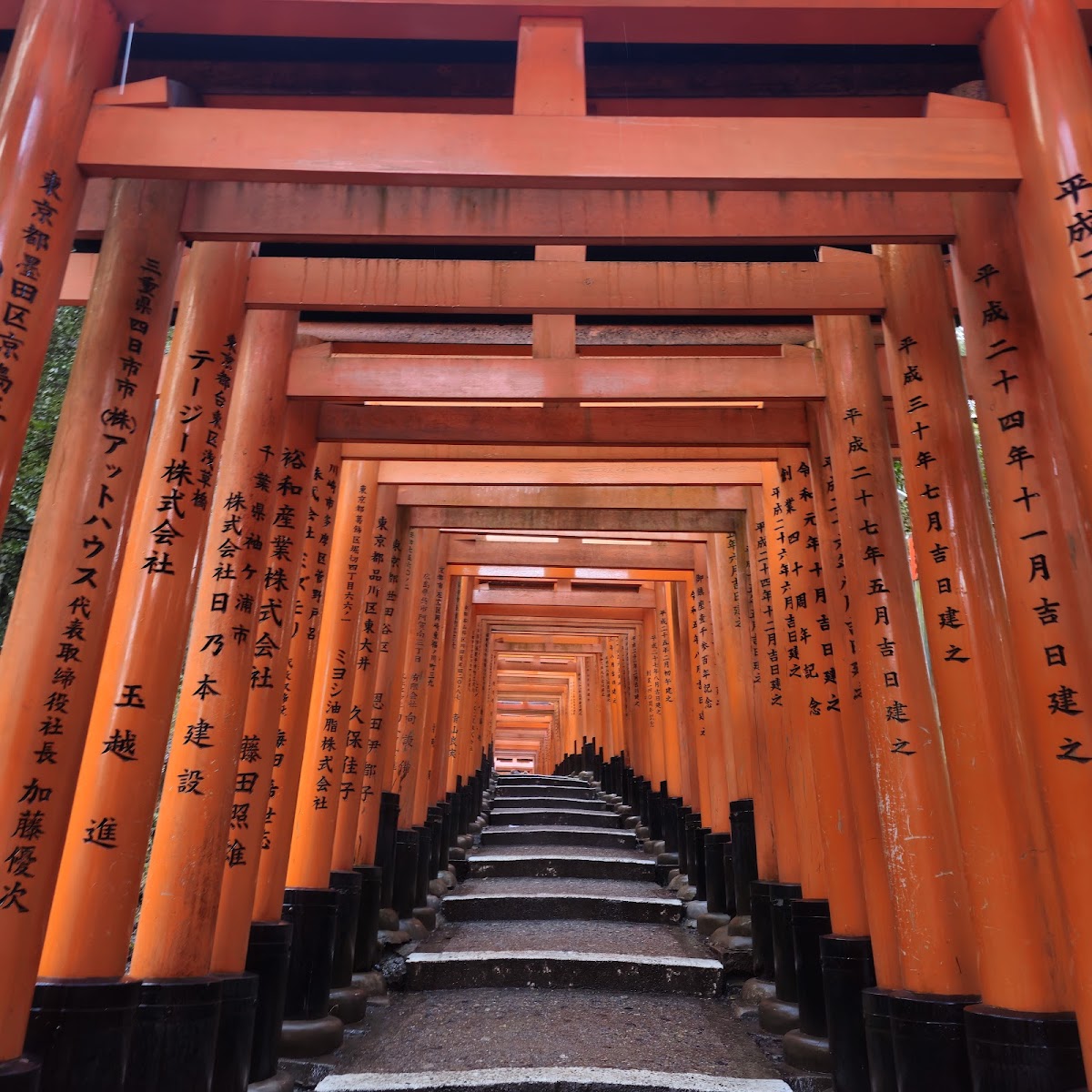
Senbon Torii (Thousand Torii Gates) is a spectacular sight of approximately 10,000 vermilion torii gates lining the approach to Fushimi Inari Taisha Shrine in Fushimi Ward, Kyoto City. The torii gates, donated throughout Mount Inari, stretch without interruption, creating a fantastical space resembling a vermilion tunnel.
History and Origin of Senbon Torii
The practice of donating torii gates began in the Edo period. It became a custom for worshippers to donate gates as a token of gratitude for their wishes being granted, or as a way to ensure their wishes were fulfilled. Even today, approximately 800 torii gates are donated annually by individuals and companies.
The donation fee varies depending on the size of the torii gate, ranging from approximately 170,000 yen for small gates to over 1,300,000 yen for large ones. Each torii gate bears the donor’s name and the date of donation.
Points to Note When Visiting
Highlights of the Senbon Torii (Thousand Torii Gates)
From the Main Shrine to the Inner Shrine Worship Hall
The most famous section of the “Senbon Torii” is approximately 200 meters from the main shrine to the Inner Shrine Worship Hall. Here, you pass through a tunnel of torii gates that splits into two routes:
- Right-hand path: Slightly wider and easier to climb
- Left-hand path: A more densely packed network of torii gates, perfect for photos
Recommended Photo Spots
- Senbon Torii Entrance: Where the vermilion tunnel begins. Avoid backlighting in the morning.
- Inner Shrine Worship Hall: A rest area beyond the torii gates. Features the “Omokaru Stone”.
- Yotsutsuji: A viewpoint on the middle slopes of Mt. Inari. Enjoy a panoramic view of Kyoto city.
Estimated Time Required for Visiting
- Only the Senbon Torii (Thousand Torii Gates): 30-40 minutes round trip
- To the Inner Shrine Worship Hall: 1 hour round trip
- To the Summit of Mt. Inari: 2-3 hours round trip (233 meters above sea level)
For first-time visitors, visiting only to the Inner Shrine Worship Hall is recommended. Those confident in their physical fitness can complete the “Mountain Pilgrimage” by climbing to Ichinominé, the summit.
Times to Avoid Crowds
- Early Morning 6:00-8:00: Fewer tourists, allowing you to enjoy a peaceful atmosphere
- After 17:00: The soft light before sunset illuminates the torii gates
- Weekdays: Less crowded than weekends and holidays
Especially during cherry blossom and autumn foliage seasons (April, November), and the first three days of the New Year, it gets extremely crowded.
Benefits and Faith
Benefits of Fushimi Inari Taisha
Fushimi Inari Taisha is known as the god of business prosperity, abundant harvests, and family safety. The main deity is Ukanomitama-no-Okami, and it is the head shrine of approximately 30,000 Inari shrines nationwide.
Specific Benefits
- Business Prosperity: Many business owners and sole proprietors visit.
- Industrial Development: Prayers for the success of new businesses.
- Family Safety: Health and peace for the family.
- Traffic Safety: Prayers for safe travels.
- Improvement in Performing Arts: Improvement of skills and techniques.
The Omokaru Stone
Located in the inner shrine’s worship hall, the “Omokaru Stone” is a fortune-telling stone where you lift the top stone of a stone lantern while making a wish. If it’s lighter than expected, your wish will come true; if it’s heavier, it’s unlikely to come true. It’s a popular spot that many visitors try.
Access Information
Access by Train
JR Nara Line
- Get off at JR Inari Station, short walk (nearest station)
- Approximately 5 minutes from Kyoto Station, 140 yen
- The entrance to Fushimi Inari Taisha Shrine is right in front of the station exit
Keihan Railway
- Get off at Keihan Fushimi Inari Station, 5-minute walk
- Approximately 10 minutes from Gion Shijo Station, 270 yen
- From the station, take the main approach to the shrine
Access by Bus
- Get off at City Bus South 5 Line “Inari Taisha-mae” bus stop, 7-minute walk
- Approximately 15 minutes from Kyoto Station, 230 yen
Access by Car
- Approximately 20 minutes from Meishin Expressway “Kyoto Minami IC”
- Free parking available for visitors (approximately 170 spaces, unavailable during the New Year period)
- Several paid parking lots are also available nearby
Visiting Hours and Admission Fees
- Visiting Hours: Open 24 hours (Main shrine’s gift shop is open 8:30 AM to 4:30 PM)
- Admission Fee: Free
- Closed Days: None
Nearby Attractions
Inariyama’s Shrines
There are countless small shrines called “otsuka” throughout the mountain, each enshrining a different deity. A pilgrimage around the mountain involves visiting and paying respects at these shrines.
Specialties of Fushimi Inari Shrine’s Approach
- Inari Sushi: Available at tea houses along the approach
- Sparrow Yakitori: A unique delicacy famous at Fushimi Inari
- Kitsune Senbei: A popular souvenir
Summary
The Senbon Torii (Thousand Torii Gates) is a mystical landscape representative of Japan, attracting approximately 3 million visitors annually from both Japan and abroad. The fantastical space created by the rows of vermilion torii gates is a must-see spot in Kyoto that you should visit at least once. Visiting during the quiet hours of early morning will allow you to experience an even more sacred atmosphere.