Complete Guide to Date Shrine | History, Benefits, Access, and Worship Methods Explained in Detail
What is Date Shrine?
Date Shrine (Date Jinja) is a group of shrines located throughout Japan. Many of them have a history connected to the Sengoku period warlord Date Masamune and the Date clan, and have been deeply revered by local people. This article provides a detailed explanation of essential information before visiting, including the history, enshrined deities, benefits, highlights of the grounds, worship methods, goshuin (shrine stamp) information, and access methods for representative Date Shrines.
Shrines bearing the name “Date Shrine” are scattered throughout Japan, each possessing its own unique history and culture. Notable examples include the Date Shrine in Sendai City, Miyagi Prefecture, the Date Shrine in Date City, Hokkaido, and the Date Shrine in Matsue City, Shimane Prefecture.
Introduction to Major Date Shrines
Date Shrine in Sendai City, Miyagi Prefecture
The Date Shrine in Aoba Ward, Sendai City, Miyagi Prefecture, is a shrine associated with the Date clan and is beloved by locals. Deeply connected to the history of the Sendai Domain, it attracts many visitors who come to commemorate Lord Date Masamune.
Date Shrine in Date City, Hokkaido
Date Shrine in Date City, Hokkaido, was founded during the Meiji era when Lord Date Kuninari, the lord of the Watari domain of the Sendai Domain, settled and developed the area. It is positioned as an important cultural property that conveys the history of development to the present day.
Date Shrine in Matsue City, Shimane Prefecture
Date Shrine in Matsue City, Shimane Prefecture, has been revered as the guardian deity of the region since ancient times. It is closely intertwined with the history and culture of the region, and various festivals are held throughout the year.
History and Origins of Date Shrines
Background of Founding
Many Date Shrines are closely connected to the history of the Date clan. The Date clan was a prestigious samurai family that continued from the Kamakura period, and particularly held great power in the Tohoku region from the Sengoku period to the Edo period. Date Masamune, known as the “One-Eyed Dragon,” was the first lord of the Sendai Domain (620,000 koku) and made significant contributions to the development of the Tohoku region.
The founding dates of Date shrines vary by region, but most were established during the Edo and Meiji periods. Many were built to pray for the peace and well-being of the lord and his people, and to commemorate the achievements of the Date clan.
Historical Changes
During the Edo period, Date shrines flourished under the protection of the domain. After the Meiji Restoration and the abolition of the feudal system, there was a period when maintaining the shrines became difficult, but they were preserved through the fervent faith of the local residents.
During the Showa period, some shrines suffered damage from war and natural disasters, but they were rebuilt each time and continue to exist today. They are carefully preserved as centers of local communities and as historical heritage.
Deities and Benefits
Main Deities
The deities enshrined at Date shrines vary by shrine, but generally, the following gods are worshipped:
- Date Masamune: Enshrined as the principal deity in many Date shrines.
- Successive Heads of the Date Clan: Individuals who ruled regions as feudal lords or lords.
- Amaterasu Omikami: Often enshrined together as the supreme deity of Japan.
- Hachiman: A god worshipped by samurai families as a god of war.
- Local Guardian Deities: Gods who have protected the land since ancient times.
Main Benefits
The main benefits that can be received at Date shrines are as follows:
Victory and Career Advancement
Date Masamune, as a Sengoku period warlord, won numerous battles and led the Sendai domain to prosperity. Therefore, many worshippers visit to pray for success in competitions and business.
Good Fortune and Prosperity
This shrine is worshipped by people who pray for success in new businesses and good fortune at turning points in their lives.
Family Safety and Prosperity of Descendants
As the Date clan was a prestigious family that continued for generations, many people pray for the safety and prosperity of their families. Business Prosperity
Because Lord Masamune excelled in managing his domain and economically developed Sendai, it is believed that this shrine brings good fortune in business.
Academic Achievement
Because Lord Masamune excelled in both literary and martial arts, some visitors pray for academic success.
Protection from Misfortune and Disaster
As a shrine that protects the region, it is believed to protect against various calamities.
Highlights of the Shrine Grounds
Main Hall and Worship Hall
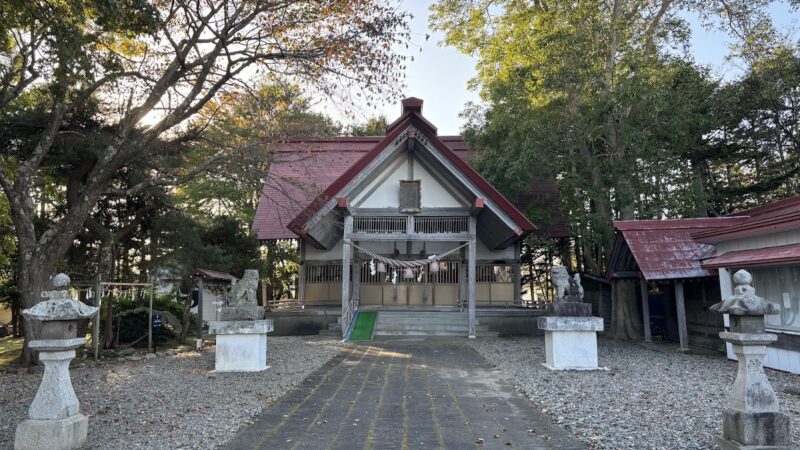
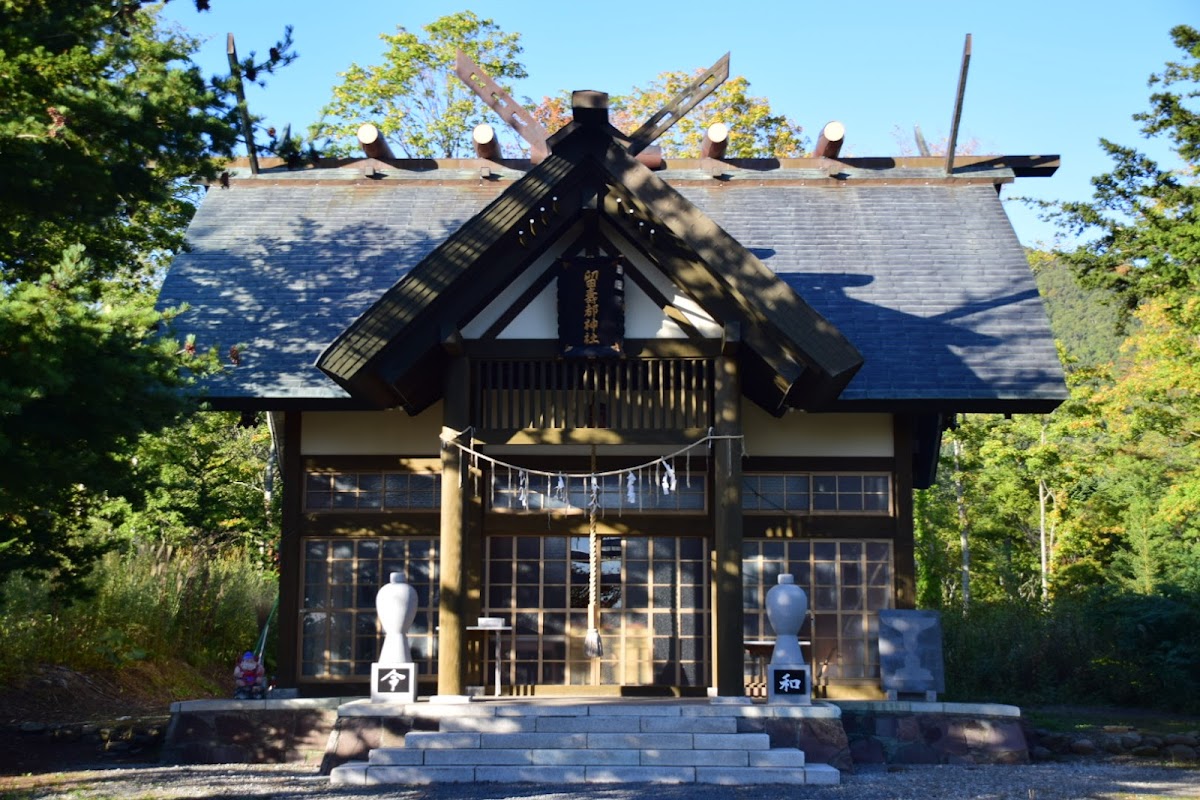
The main halls and worship halls of Date Shrines exhibit various architectural styles depending on the history and scale of each shrine. The beauty of the wooden architecture and the intricacy of the carvings captivate visitors. In particular, older shrines preserve the architectural styles of the Edo period, making them valuable cultural assets.
Torii Gates and Approach
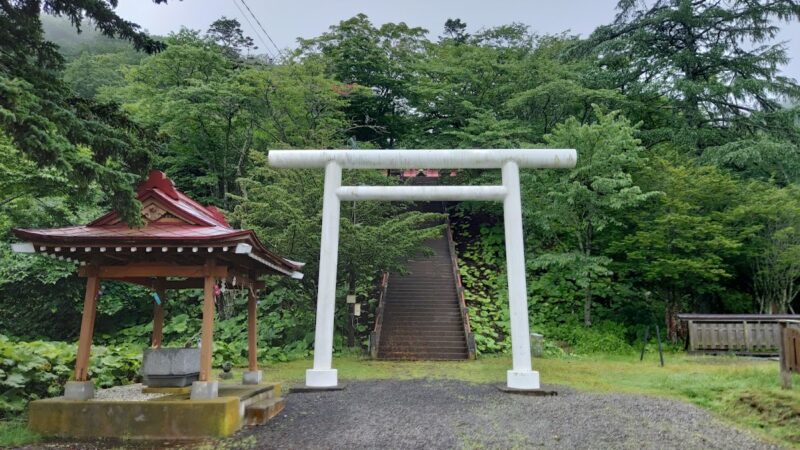
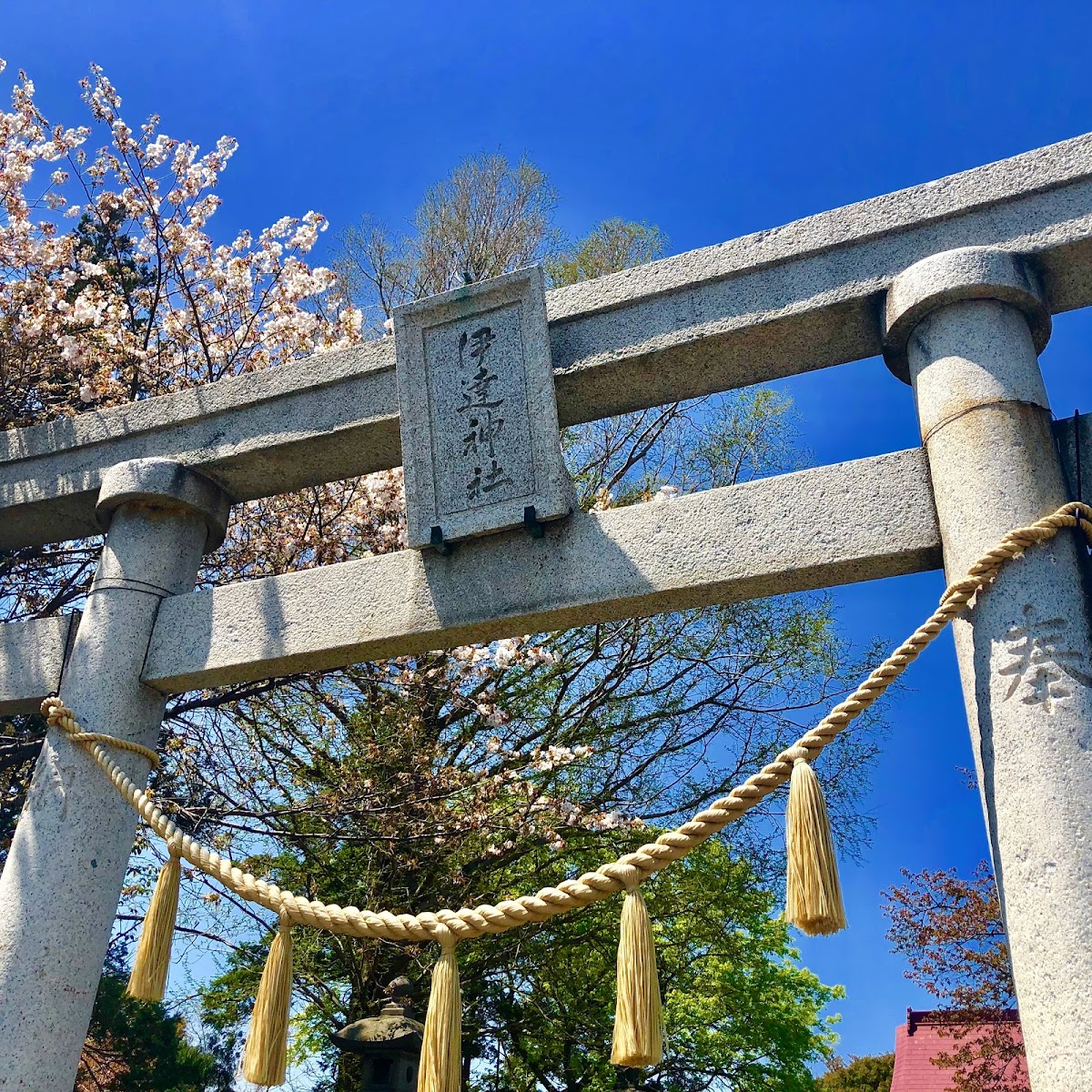
The torii gates standing at the entrance of the shrine are important structures that mark the entrance to the sacred area. Each shrine has its own unique characteristics, such as vermilion-painted torii gates or stone torii gates. The approach to the shrine is a purified path, allowing you to walk slowly and compose yourself before offering your prayers.
Komainu (Guardian Dogs) and Stone Lanterns
Stone structures such as guardian dogs and stone lanterns are placed throughout the shrine grounds. These serve to protect the shrine and welcome visitors. Some are of high historical value, having been donated during the Edo and Meiji periods.
Shrine Office and Amulet Shop
This is where you can receive goshuin (shrine stamps), amulets, and fortune slips. You can also hear about the history of the shrine and its festivals from the Shinto priests.
Subsidiary Shrines and Auxiliary Shrines
Sometimes, there are small shrines within the grounds dedicated to deities other than the main deity. Each offers different blessings, and it is believed that visiting them together with the main shrine will bring greater protection.
Annual Events and Festivals
Grand Festival
The Grand Festival, the most important festival of Date Shrine, is held grandly on a specific day each year. The entire area is enveloped in a festive atmosphere with portable shrine processions, devotional performances, and food stalls. Many worshippers and tourists visit, experiencing the region’s traditional culture.
New Year’s Visit
Many worshippers visit shrines for their first shrine visit of the new year. They pray for safety and happiness throughout the year and report the start of the new year to the gods. It gets especially crowded from New Year’s Day to the third day, so it’s recommended to allow plenty of time for your visit.
Setsubun Festival
The Setsubun Festival, held around February 3rd, features bean-throwing and raffles. This traditional event, believed to ward off evil spirits and invite good fortune, is bustling with many families.
Shichi-Go-San Festival
In November, the area is bustling with visitors celebrating Shichi-Go-San. This important event expresses gratitude to the gods for the healthy growth of children and prays for their continued development.
Summer and Autumn Festivals
Various festivals are held throughout the seasons. These may include dedications of traditional local performing arts and performances of Kagura (Shinto music and dance).
How to Worship and Etiquette
Basic Worship Etiquette
Knowing the correct way to worship at a shrine will allow you to offer a more heartfelt prayer.
1. How to Pass Through the Torii Gate
Bow before passing through the torii gate. Since the center of the path is considered the path of the gods, it is polite to walk along the side.
2. How to Purify Yourself at the Water Basin
- Hold the ladle in your right hand and purify your left hand.
- Switch the ladle to your left hand and purify your right hand.
- Switch the ladle back to your right hand, receive water in your left hand, and rinse your mouth.
- Purify your left hand once more.
- Hold the ladle upright and pour water over the handle to purify it.
- Return the ladle to its original position.
3. Worship at the Main Hall
- Stand in front of the offering box and bow slightly.
- Gently place your offering in the box.
- If there is a bell, ring it.
- Worship using the two bows, two claps, one bow method.
- Bow deeply twice.
- Clap your hands twice at chest height.
- Pray with your hands clasped together.
- Finally, bow deeply once.
Attire for Worship
No special formal attire is required, but it is desirable to wear clothing that reflects the sacred nature of the place. Please avoid revealing or extremely casual clothing. For those receiving prayers, more formal attire is recommended.
Photography Etiquette
Photography is generally permitted within the shrine grounds, but permission is required for certain areas, such as inside the main hall or in certain locations where permission from the Shinto priest is necessary. Please be considerate of other visitors and avoid disrupting the sacred atmosphere.
Goshuin and Gifts
About Goshuin
Goshuin are precious items received as proof of visiting a shrine. The goshuin at Date Shrine includes the shrine’s name, date of visit, and the shrine’s seal, all written in ink.
How to Receive a Goshuin
- After completing your prayers, head to the shrine office.
- Open your goshuin book and show the page where you would like the goshuin written.
- Pay the offering fee (usually around 300-500 yen).
- The goshuin will be carefully written for you.
Goshuin are not merely stamps; they are proof of your visit and a way to forge a connection with the deities. Treat them with respect.
Amulets and Lucky Charms
Date Shrine offers a variety of amulets and lucky charms.
- Victory Amulet: An amulet for success in competitions and exams.
- Good Fortune Amulet: An amulet for improving one’s luck.
- Traffic Safety Amulet: An amulet for safety when driving or cycling.
- Health Amulet: An amulet for recovery from illness and maintaining good health.
- Academic Success Amulet: An amulet for academic success.
- Matchmaking Amulet: An amulet for finding a good partner.
It is customary to replace amulets with new ones approximately every year and return old amulets to the shrine.
Ema (Votive Tablets)
Ema (votive tablets) on which you can write your wishes and dedicate them are also available. The Ema, with their original Date Shrine designs, make a memorable souvenir of your visit.
Access Information
Access methods to various Date Shrines differ. Here, we provide general access information for major Date Shrines.
Access by Public Transportation
For Date Shrine in Sendai City, Miyagi Prefecture:
- Take a bus or taxi from JR Sendai Station.
- Access may also be possible via the Sendai Subway Namboku Line.
- A few minutes’ walk from the nearest bus stop.
For Date Shrine in Date City, Hokkaido:
- Walk or take a bus from JR Date Monbetsu Station.
- Take an express train and then a local train from the Sapporo area.
We recommend checking official information in advance for specific access methods to each shrine.
Access by Car
Parking Information:
Many Date Shrines have parking lots for visitors. However, during busy periods such as New Year’s Day and annual festivals, parking lots may be full, so consider arriving early or using public transportation.
Car Navigation Settings:
If you cannot search by shrine name, searching by address or phone number is more reliable.
Estimated Time Required for Visiting
For a normal visit, 30 minutes to 1 hour is sufficient. If you plan to stroll around the shrine grounds at a leisurely pace or collect a Goshuin (shrine stamp), it’s a good idea to allow about an hour and a half.
Nearby Tourist Attractions
Historical Sites
Many historical sites and buildings associated with the Date clan are scattered around Date Shrine.
Sendai Castle Ruins (Aoba Castle Site)
The site of Sendai Castle, built by Date Masamune. It features an observation deck offering panoramic views of Sendai city and is famous for its equestrian statue of Masamune.
Zuihoden
The mausoleum of Date Masamune. It showcases the opulent architectural style of the Momoyama period.
Nature and Parks
Many parks and walking trails are located around the shrine, allowing you to enjoy nature in conjunction with your visit.
Food and Souvenirs
Enjoying local specialty dishes and products is another highlight of your trip. In areas associated with the Date clan, you can enjoy Sendai specialties such as beef tongue and zunda mochi, while in Hokkaido, you can enjoy fresh seafood.
Best Time and Season for Visiting
Seasonal Attractions
Spring (March-May)
The temple grounds are beautifully adorned with cherry blossoms. The fresh greenery is also beautiful, making for a refreshing visit.
Summer (June-August)
This is the time for summer festivals and other events. The lush greenery gives the temple grounds a vibrant, life-affirming atmosphere.
Autumn (September-November)
A beautiful season for autumn leaves. It is also the time for autumn festivals and Shichi-Go-San (a traditional Japanese rite of passage for children). The weather is mild, making it ideal for visiting.
Winter (December-February)
The snow-covered temple grounds have a mystical atmosphere. Events such as Hatsumode (first shrine visit of the year) and Setsubun (bean-throwing festival) are held here.
Visiting Hours
Shrine opening hours are generally around 6:00-7:00 AM and closing hours are usually around 5:00-6:00 PM, but these vary depending on the season and the shrine. Shrine office hours are usually from 9:00 AM to 5:00 PM. If you wish to receive a Goshuin (shrine stamp) or amulet, please visit during the shrine office’s opening hours.
About Prayers and Sacred Blessings
Types of Prayers
Date Shrine offers various types of prayers and sacred blessings.
- Family Safety: Praying for the health and happiness of the family
- Business Prosperity: Praying for the development of the business
- Exorcism: Praying for protection from misfortune during the unlucky year
- Traffic Safety: Praying for the traffic safety of the car and family
- Prayer for Success: Praying for success in exams and tests
- Prayer for Safe Childbirth: Praying for the health of mother and child and a safe delivery
- First Shrine Visit: Praying for the healthy growth of the baby
- Shichi-Go-San: Expressing gratitude for the child’s growth and praying for their future health
How to Apply for a Prayer
- Fill out the application form at the shrine office.
- Pay the offering fee (varies depending on the prayer content, generally 5,000 yen or more).
- Enter the main hall at the designated time.
- Receive the prayer recited by the Shinto priest.
- Offer a tamagushi (sacred branch).
- You will receive amulets and talismans.
Advance reservations may be required, so it is recommended to inquire in advance, especially for occasions such as Shichi-Go-San (a traditional Japanese rite of passage for children) or Hatsumiyamairi (a first shrine visit for a newborn).
Cultural Value of Date Shrine
Center of the Local Community
Date Shrine is not merely a tourist destination; it is a place of worship for local residents and a central hub of the community. Through festivals and events, local people gather, playing a role in passing on traditional culture to the next generation.
Place for Historical Education
It is also a valuable place to learn about the history of the Date clan and the origins of the region. Especially for children, it is an educational place where they can feel a close connection to their local history.
Value as a Tourism Resource
It contributes to the promotion of local tourism and is an attractive spot that draws tourists from both Japan and abroad.
Visitor Voices and Experiences
Voices of Local Visitors
“This is a shrine I’ve been visiting since childhood for New Year’s prayers and Shichi-Go-San (a traditional Japanese rite of passage for children). I love the quiet and peaceful atmosphere; it feels like my soul is being cleansed.”
“I received prayers here when I started my business. Thanks to that, my business is progressing smoothly. I visit every year with a feeling of gratitude.”
Voices of Tourists
“I’m a fan of Date Masamune, so I’m visiting shrines associated with him. It was a wonderful place where I could feel the history.”
“I visited while collecting Goshuin (shrine stamps). They wrote it carefully, and the Shinto priest also taught me about the history of the shrine.”
Precautions and Requests
Points to Note When Visiting
- Smoking is prohibited on the shrine grounds.
- Please follow the regulations of each shrine regarding bringing pets.
- Please refrain from loud conversations and pray quietly.
- Please take your trash with you.
- Remember that this is a sacred place and act with respect.
In Case of Disaster or Emergency
In the event of a disaster, please evacuate according to the instructions of the Shinto priests or staff. Evacuation routes may be marked within the shrine grounds.
Summary
Date Shrine is a historic shrine deeply connected to the history of the Date clan. It offers various blessings, including good fortune, prosperity, and family safety, and is revered by many worshippers. The shrine grounds feature historical buildings and natural scenery, creating a peaceful environment for worship.
By observing proper worship etiquette and offering respectful prayers, you can have a more fulfilling experience. Shrine stamps and amulets are also thoughtful mementos of your visit.
Various festivals and events are held throughout the year, offering different charms in each season. While the lively atmosphere of New Year’s Day and the annual festival is appealing, visiting during quiet weekday hours is also recommended.
Through a visit to Date Shrine, you can experience Japanese history, culture, and local traditions. Why not pay a visit? When you visit, please use the information in this article to make the most of your experience.
Shrines are living cultural heritage sites, protected by the faith and efforts of the local people. Each visitor observing proper etiquette and showing respect for the shrine is essential for passing on this precious culture to future generations.