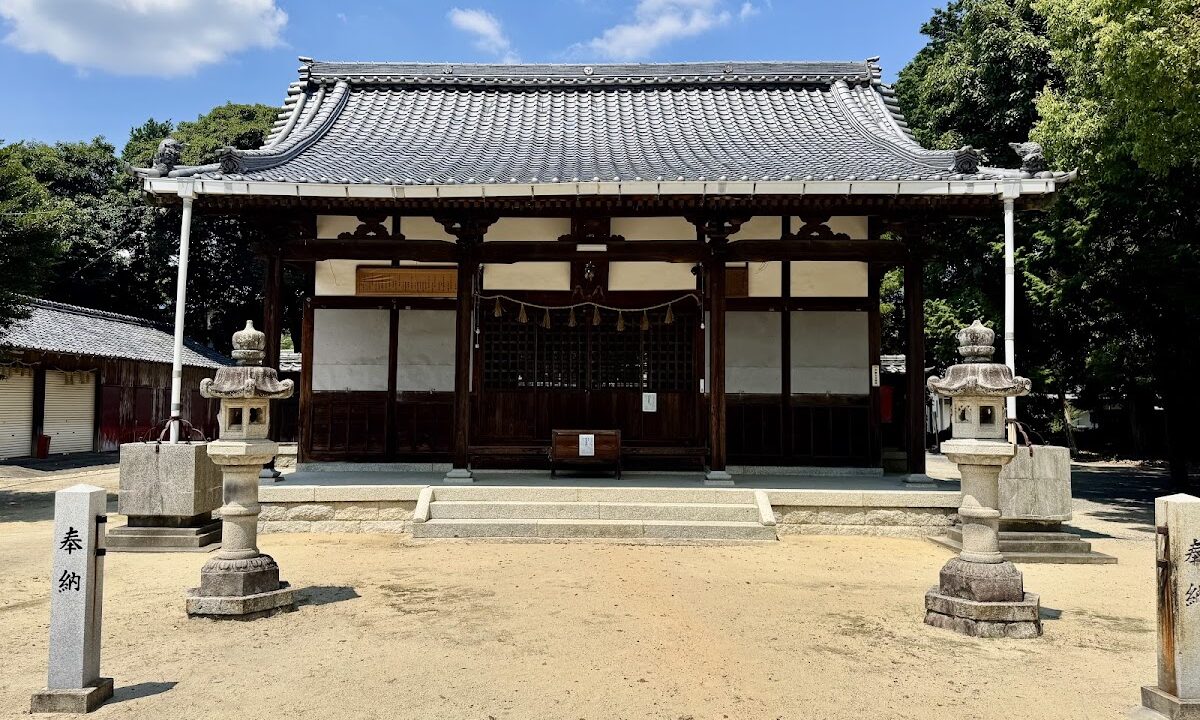
Complete Guide to Ikaruga Shrine | Exploring the Legend of Princess Yamato-hime and the History of the Shikinaisha Shrine
Ikaruga Shrine, located in Shigefuku, Yokkaichi City, Mie Prefecture, is a historically significant Shikinaisha shrine listed in the Engishiki Jinmyocho (a list of shrines compiled in the Heian period). Legends remain of Princess Yamato-hime’s journey in search of a place to enshrine Amaterasu Omikami, and the shrine is known for its deep connection to Ise Grand Shrine. This article comprehensively explains everything you need to know before visiting Ikaruga Shrine, including its detailed history, enshrined deities, annual festivals, and access methods.
What is Ikaruga Shrine?
Ikaruga Shrine is located at 483 Shigefuku-ko, Yokkaichi City, Mie Prefecture, and is identified as the Shikinaisha (minor shrine) listed in the Engishiki Jinmyocho as “Ikaruga Shrine, Asake District, Ise Province.” Its former shrine rank was Gosha (village shrine), and it is also known as Kita-Igaruga Shrine or Saigū Daimyōjin.
There is also Minami-Igaruga Shrine in Hazu, within the same city of Yokkaichi, and the two shrines are considered a pair. The deities enshrined at Minami-Igaruga Shrine are Amaterasu Ōmikami’s Aramitama (fierce spirit), Ōtoshi-no-kami, Ōyamatsumi-no-kami, and Emperor Tenmu, which is a distinctive difference from the deities enshrined at this shrine, the northern shrine.
Positioning as a Shikinaisha (Shrine Listed in the Engishiki)
The Engishiki Jinmyōchō is a list of official shrines throughout Japan compiled in the mid-Heian period (927 AD), and shrines listed there are called Shikinaisha. Igaruga Shrine is recorded as a Shikinaisha of Asake District, Ise Province, indicating that it was a high-ranking shrine recognized by the imperial court since ancient times.
Asake District corresponds to the area from the northern part of present-day Yokkaichi City to the southern part of Kuwana City, and Igaruga Shrine has functioned as an important center of faith in this region.
The History and Origins of Igaruga Shrine
The history of Igaruga Shrine is deeply intertwined with the legend of Princess Yamato-hime’s pilgrimage in Japanese mythology.
The Legend of Princess Yamato-hime’s Pilgrimage
According to the “Yamato-hime no Mikoto Seiki” (Chronicle of Princess Yamato-hime), Princess Yamato-hime was the daughter of Emperor Suinin, the 11th emperor, and traveled throughout Japan in search of a suitable place to enshrine Amaterasu Omikami as her representative. During this pilgrimage, while traveling from Kuwana to Suzuka, she is said to have stopped her carriage (ox-drawn carriage) at the site of the present-day Igaruga Shrine.
From this legend, it is believed that this area was a sacred place where Princess Yamato-hime temporarily stayed, and an important transit point before Ise Grand Shrine was established in its current location. Therefore, Igaruga Shrine is positioned as a shrine with very deep ties to Ise Grand Shrine.
The Name as Saigu Daimyojin
Igaruga Shrine has long been known as “Saigu Daimyojin.” This name originates from Princess Yamato-hime’s service to Amaterasu Omikami as Saigu (Itsuki-no-miya). A Saigu was an unmarried imperial princess who served at Ise Grand Shrine on behalf of the Emperor, and Princess Yamato-hime is considered the first Saigu.
This name clearly demonstrates the shrine’s close connection to the Ise Grand Shrine faith.
Relationship with Ikaruga Mikuriya
The “Shinpo-sho” records that this area was the site of “Ikaruga no Mikuriya, 3rd Street.” A Mikuriya was a manor that procured offerings to Ise Grand Shrine, and Ikaruga Village functioned as a Mikuriya for Ise Grand Shrine.
The place name “Ikaruga” itself has a sacred sound, reminiscent of Ikaruga, a place associated with Prince Shōtoku, suggesting that this region has been religiously important since ancient times. The name of Igaruga Shrine is also thought to originate from this “Ikaruga.”
Changes from the Medieval to the Early Modern Period
While detailed records from the medieval period onward are limited, Igaruga Shrine continued to attract the faith of residents as the local tutelary deity. During the Edo period, it was designated a village shrine and functioned as a spiritual pillar of the local community.
Under the Meiji era’s shrine ranking system, it was ranked as a regional shrine, maintaining its status as an important local shrine even in modern times.
About the Deities
Regarding the deities enshrined at Igaruga Shrine, it is believed that gods of the Amaterasu Ōmikami lineage are worshipped, given its connection to Yamato-hime no Mikoto. However, the specific names of the enshrined deities may differ depending on the source.
Consideration of the Main Deity
Given that the legend of Princess Yamato-hime’s journey is central to the shrine’s history, it is highly probable that Amaterasu Omikami or a related deity is the main deity. The alternative name, Saigu Daimyojin, also indicates a strong connection to the worship of Amaterasu Omikami.
Compared to the Minami Igaruga Shrine, which enshrines Amaterasu Omikami’s Aramitama (fierce spirit), Ootoshi-no-kami, Oyamatsumi-no-kami, and Emperor Tenmu, it is possible that this shrine, being the northern shrine, enshrines a deity of the Nigimitama (gentle spirit) lineage.
Enshrined Deities
Given its character as a local tutelary shrine, it is possible that deities related to regional development and agriculture are also enshrined. The history of functioning as a place of worship closely tied to the community, while maintaining the status of a Shikinaisha (shrine listed in the Engishiki), is thought to have resulted in a complex composition of deities.
Shrine Grounds and Highlights
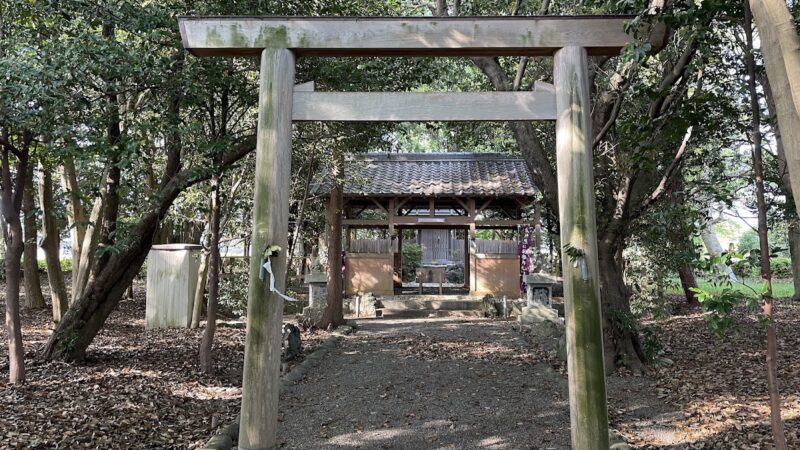
The grounds of Igaruga Shrine are enveloped in a quiet and peaceful atmosphere. Located in the rapidly urbanizing city of Yokkaichi, the shrine grounds offer a tranquil space surrounded by nature.
Sacred Tree and Natural Environment
The shrine grounds feature a large, ancient sacred tree, conveying the dignified atmosphere of a shrine with a long history. The surrounding lush green environment provides a place for visitors to refresh their minds.
The serene atmosphere characteristic of a place considered sacred since ancient times is preserved, making it a place to escape the hustle and bustle of the city and find peace of mind, cherished not only by local residents but also by worshippers from afar.
Shrine Building and Architecture
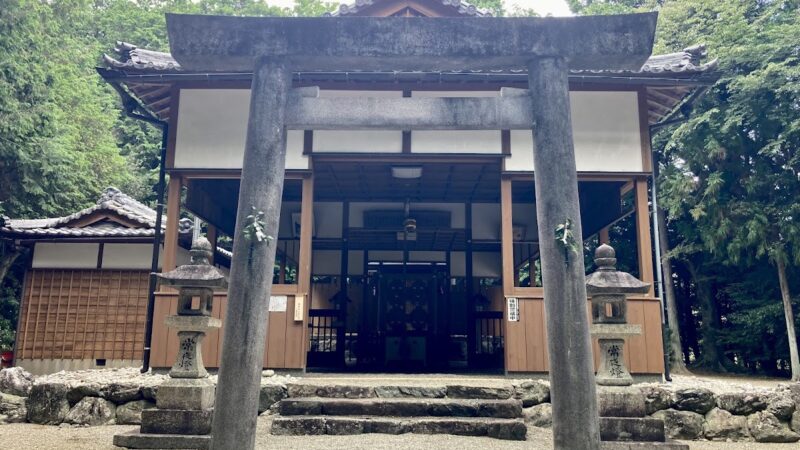
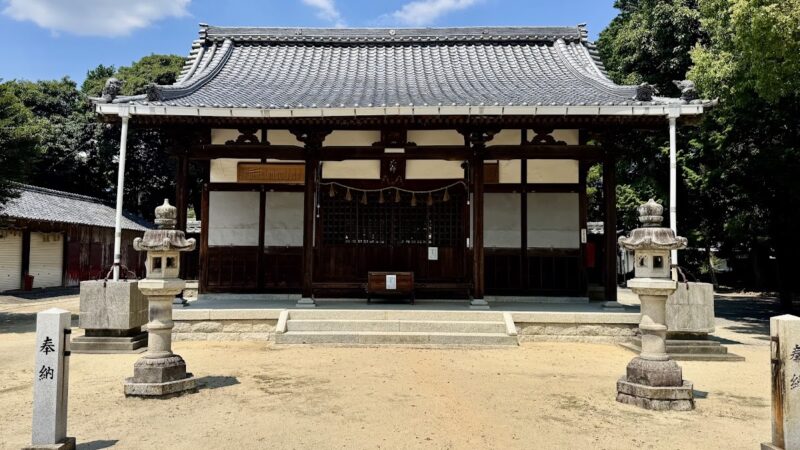
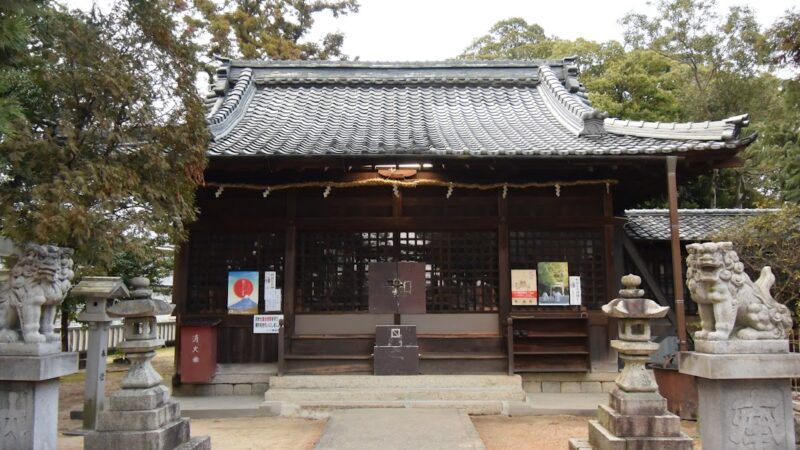
The current shrine building maintains the style of traditional shrine architecture. Its appearance, reflecting its status as a Shikinaisha (a shrine listed in the Engishiki), conveys the weight of its long history.
Annual Festivals and Events
Igaruga Shrine holds various festivals and religious ceremonies throughout the year.
Annual Festival
The annual festival is the most important annual event for a shrine, and at Igaruga Shrine, it is solemnly held at a fixed time each year. At the annual festival, local parishioners and devotees gather to pray for the prosperity of the shrine and the peace and security of the community.
Other Annual Events
The shrine also holds other annual events commonly seen at shrines, such as the first shrine visit of the year, the Setsubun festival, and the summer purification ritual, continuing to function as a place of worship closely intertwined with the lives of the local people.
Benefits and Faith
Due to its history, Igaruga Shrine is believed to offer various benefits.
Benefits Derived from its Connection to Ise Grand Shrine
Due to its history as a place visited by Princess Yamato-hime, it is believed to offer benefits such as good fortune, protection from evil, and family safety. Its deep connection to Ise Grand Shrine is a factor that makes visitors feel a special spiritual presence.
As a Guardian Deity of the Community
Having been revered as the local guardian deity for many years, it is worshipped by local residents as a guardian deity for all aspects of their lives.
Etiquette for Visiting a Shrine
When visiting Igaruga Shrine, please follow the general etiquette for visiting a shrine.
Basic Worship Method
- Bow Before Passing Through the Torii Gate: As a sign of respect before entering the sacred area, bow before the torii gate.
- Purify Your Body and Mind at the Water Basin: Purify your left hand, then your right hand, and finally rinse your mouth.
- Worship at the Main Hall: The basic method is “two bows, two claps, one bow.” Bow deeply twice, clap your hands twice, and finally bow deeply once.
Mindset During Worship
It is important to be mindful that this is a highly prestigious shrine (a Shikinaisha) and to worship with reverence. Reflecting on the historical background of Princess Yamato-hime’s visit will lead to a deeper experience.
Access Information
Detailed information on how to access Igaruga Shrine is provided below.
Location
Address: 483, Shigefuku-ko, Yokkaichi City, Mie Prefecture
Access by Train
Nearest Station:
- Approximately 21 minutes on foot from Kintetsu Nagoya Line “Oyachi Station”
- Approximately 2.2 km north from Kintetsu Nagoya Line “Kasumigaura Station”
While it is possible to access the shrine on foot from Oyachi Station, it is a bit of a distance, so it is recommended to allow ample time for your visit.
Access by Car
Access by car is convenient. From Yokkaichi city center, take National Route 1 towards the Shigefuku area. When using a car navigation system, searching by address or shrine name will display the accurate location.
Parking
Given the size and location of the shrine, there may be parking spaces available for visitors, but it is recommended to check details before visiting.
Landmarks in the Surrounding Area
The Shigefuku area is located in the northern part of Yokkaichi City and is a quiet area with a mix of residential and agricultural land. Other historical sites are scattered throughout the surrounding area, making it a good idea to visit them in conjunction with a historical walk in the region.
Relationship with Minami-Igaruga Shrine
Understanding the relationship with Minami-Igaruga Shrine is an important element in understanding Igaruga Shrine.
Location of the Two Shrines
Shigefuku’s Igaruga Shrine is also called “Kita-Igaruga Shrine” and is paired with Minami-Igaruga Shrine in Hazu, Yokkaichi City. The two shrines are several kilometers apart and function as independent shrines.
Differences in Deities
The deities enshrined at Minami-Igaruga Shrine are Amaterasu Omikami Aramitama, Ootoshi-no-Kami, Oyamatsumi-no-Kami, and Emperor Tenmu, a different divine composition from the Kita-Igaruga Shrine. This difference suggests that the two shrines may have had different origins or lineages of belief.
Issues Regarding the Engishiki Shrine Listings
There is historical debate as to which shrine the “Igaruga Shrine” listed in the Engishiki Jinmyocho refers to, or whether it includes both shrines. Both shrines are considered candidates for the Shikinaisha (shrines listed in the Engishiki), illustrating the complexity of the religious practices in Asake County during ancient times.
Nearby Historical Spots
There are other historical points of interest around Igaruga Shrine.
Ancient Ruins of Asake County
Northern Yokkaichi City is dotted with ruins dating from the Kofun period to the Heian period, providing valuable resources for understanding the history of ancient Asake County. Visiting Igaruga Shrine allows you to enjoy exploring the region’s history.
Pilgrimage Route to Ise Grand Shrine
The pilgrimage route of Princess Yamato-hime was an important route to Ise in ancient times. Even today, this area is considered part of the pilgrimage route to Ise Grand Shrine, allowing you to stroll through it while feeling the romance of history.
Cultural Value of Igaruga Shrine
Igaruga Shrine possesses cultural and historical value beyond that of a mere local shrine.
Historical Significance of the Engishiki Jinmyocho (Register of Shrines in the Engi Era)
The shrines listed in the Engishiki Jinmyocho are officially recognized shrines under the Ritsuryo state of the Heian period, and are important historical sources for understanding the political and religious system of the time. The inclusion of Igaruga Shrine as a Shikinaisha (shrine listed in the Engishiki) indicates its religious and political importance in the ancient Asake County.
Value of the Yamato-hime no Mikoto Legend
The legend of Yamato-hime no Mikoto’s pilgrimage is an important myth for understanding the process of the establishment of Ise Grand Shrine. The location of Igaruga Shrine along this pilgrimage route provides clues to understanding the spread of Ise faith and the religious culture of the ancient Tokai region.
Core of Regional Identity
Shrines with long histories become the core of the identity of local residents. Igaruga Shrine continues to function as a spiritual pillar of the community for the people of the Shigefuku district and surrounding areas.
Precautions When Visiting
Here are some points to note when visiting Igaruga Shrine.
Attire and Attitude
Please be mindful that this is a sacred place and dress and behave respectfully when visiting. Especially during Shinto rituals such as annual festivals, quiet observation is required.
Photography
Photography is generally permitted on the shrine grounds, but there may be restrictions inside the shrine buildings or during Shinto rituals. Please check with shrine staff if you have any questions.
Visiting Hours
Shrine visits are generally recommended during the daytime. Avoid visiting at night or in the early morning; it is recommended to visit during daylight hours.
The Future and Preservation of Igaruga Shrine
Passing on this historic shrine to future generations is our responsibility as people living in the present.
Protection as a Cultural Property
Igaruga Shrine, with its historical value as a Shikinaisha (a shrine listed in the Engishiki), requires appropriate preservation and management. Continuous efforts are necessary, including the maintenance and repair of the shrine buildings and the preservation of the shrine grounds.
Collaboration with the Community
The cooperation of local residents is essential for the maintenance of the shrine. Through collaboration with parishioners’ organizations and local communities, efforts are being made to preserve the regional culture centered around the shrine.
Utilization as a Tourism Resource
Shrines with historical value are also important as regional tourism resources. By appropriately disseminating information and developing a system for receiving visitors, the value of Igaruga Shrine can be made known to more people.
Summary
Igaruga Shrine is a representative shrine of Yokkaichi City, Mie Prefecture, possessing dual historical value: the legend of Princess Yamato-hime’s visit and its status as an Engishiki-listed shrine. With its deep connection to Ise Grand Shrine, its alternative name as Saigu Daimyojin, and its relationship with Ikaruga Mikuriya, it is a place where multiple layers of history intertwine, making it a highly worthwhile spot to visit.
By praying in the tranquil grounds while reflecting on ancient history, you can gain a sense of spiritual fulfillment away from the hustle and bustle of modern times. When visiting Yokkaichi City, be sure to visit Igaruga Shrine and experience its history and atmosphere.
Located within walking distance of Oyachi Station on the Kintetsu Nagoya Line, Igaruga Shrine offers a tranquil space away from the hustle and bustle of the city. It is a recommended spot not only for history buffs but for anyone seeking peace of mind.