Complete Guide to Korenji Temples: History, Characteristics, and Access Information for Korenji Temples Nationwide
There are several temples named Korenji throughout Japan. Most belong to the Jodo Shinshu Honganji sect (Nishi Honganji branch) or the Shinshu Otani sect (Higashi Honganji branch), and are historical temples that transmit the teachings of Shinran Shonin. This article provides a comprehensive explanation of Korenji temples throughout Japan, including their historical background, cultural assets, characteristics of their sect, access methods, and information on religious services.
What is Korenji Temple?: The Role of Temples in Jodo Shinshu Buddhism
Korenji temples exist throughout Japan, primarily belonging to the Jodo Shinshu Honganji sect. Jodo Shinshu is a sect founded by Shinran Shonin, which teaches that salvation is attained by believing in the original vow of Amida Buddha and chanting the Nembutsu (invocation of Amida Buddha).
The temple name, Kōrenji, embodies the meanings of “light” (光), representing the radiant light of Amida Buddha, and “lotus” (蓮), symbolizing the lotus flower that blooms in the Pure Land. It expresses the Buddha’s compassion and the desire for the Pure Land. Kōrenji temples throughout Japan have, together with their local followers (believers), continued to uphold the teachings of Nembutsu for hundreds of years.
Characteristics of the Jōdo Shinshū Honganji School
The Jōdo Shinshū Honganji School is a Buddhist sect with Nishi Honganji Temple in Kyoto as its head temple. It inherits the teachings of Shinran Shōnin and centers on the concept of “reliance on the power of others” (他力本願). It emphasizes the lay follower system, characterized by strong bonds between temples and believers.
At Honganji temples, including Kōrenji, the Hōonkō memorial service is considered the most important annual event. This service commemorates the anniversary of Shinran Shōnin’s death and expresses gratitude for his teachings, attracting many followers.
Kōrenji Temple, Dazaifu City, Fukuoka Prefecture: An Ancient Temple Near the Approach to Tenmangu Shrine
History and Reconstruction After Fire
Kōrenji Temple, located in Dazaifu City, Fukuoka Prefecture, is a temple belonging to the Mikasa Group of the Fukuoka Diocese of the Jōdo Shinshū Nishi Honganji sect. It is conveniently located within walking distance of Nishitetsu Dazaifu Station and situated in the area leading to Dazaifu Tenmangu Shrine.
According to the records of the 15th head priest, Yoshimura Kakudō, a fire occurred around 1835 (Tenpō 6) during the time of the 13th head priest, destroying the main hall and all historical records. While detailed records from the temple’s founding were lost in this fire, the temple was rebuilt by successive head priests and has continued to thrive alongside its followers to this day.
Access and Surrounding Environment
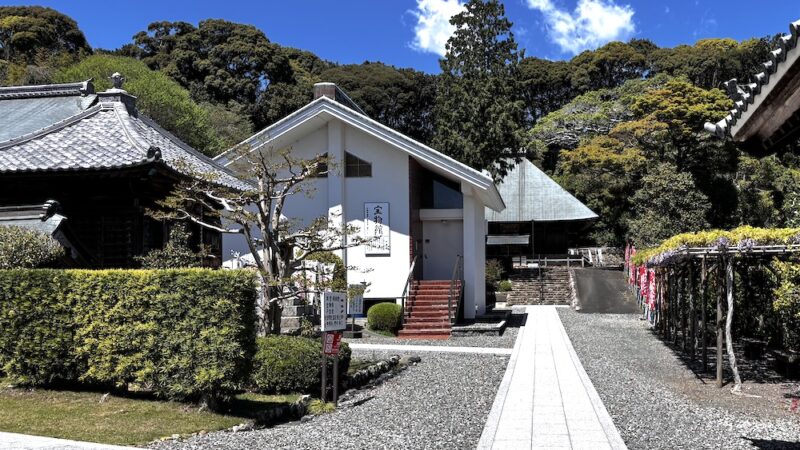
Despite being located in an area frequented by tourists visiting Dazaifu Tenmangu Shrine, Kōrenji Temple in Dazaifu maintains a tranquil atmosphere. Located just a few minutes’ walk from Nishitetsu Dazaifu Station, it offers an easily accessible environment for local parishioners.
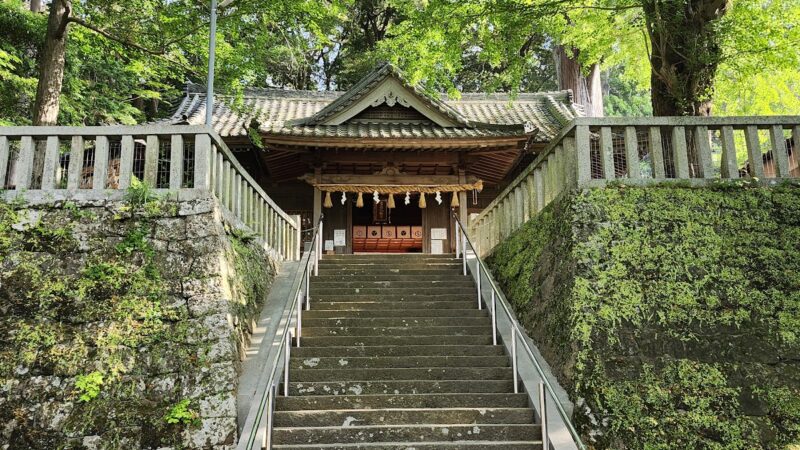
Situated on the opposite side of the main approach to Dazaifu Tenmangu Shrine, it provides a tranquil atmosphere away from the hustle and bustle of tourists, where Buddhist services and memorial ceremonies are held.
Korenji Temple, Nakagawa City, Fukuoka Prefecture: A historic temple with 16 generations of priests
Founding and Historical Background
Korenji Temple, located in Umegane, Nakagawa City, Fukuoka Prefecture, belongs to the Nakagawa branch of the Jodo Shinshu Honganji sect. Established in 1673 (Kanbun 13), it has a history of celebrating the teachings of Shinran Shonin’s Nembutsu alongside its parishioners for 16 generations.
Throughout its long history of approximately 350 years, it has been deeply connected to the local community while passing down the teachings of Jodo Shinshu Buddhism. Successive chief priests have walked alongside their parishioners, playing a vital role as a spiritual pillar of the region.
Temple Activities in Modern Times
At Kōrenji Temple in Nakagawa City, various Buddhist services are held, including monthly visits, annual memorial services, wakes, and funerals. While cherishing its bonds with its parishioners, the temple continues to fulfill its role in modern society.
Annual events, including the Hōonkō memorial service, bring together many parishioners to learn the teachings of Shinran Shonin and share the joy of chanting the Buddha’s name.
Kōrenji Temple in Tsu City, Mie Prefecture: An Ancient Temple Watched Over by a 500-Year-Old Pine Tree
500 Years of History and Cultural Assets
Kōrenji Temple, located in Kamihama, Tsu City, Mie Prefecture, boasts a history of over 500 years as a temple of the Jōdo Shinshū Honganji sect. Within the temple grounds stands a 500-year-old pine tree, a testament to the long history since the temple’s founding.
This pine tree, a living witness to the temple’s history, inspires many visitors. As a symbolic presence that conveys the weight of 500 years of history, it stands as a landmark of Kōrenji Temple.
Perpetual Memorial Service and Columbarium
Kōrenji Temple in Tsu City also offers perpetual memorial service and columbarium services. Responding to the changing forms of memorial services in modern society, it provides memorial service options that meet the needs of families and the times.
Based on the teachings of the Jōdo Shinshū Honganji sect, the perpetual memorial service is based on the idea of entrusting the deceased to the compassion of Amida Buddha and performing memorial services through chanting the Buddha’s name.
Kōrenji Temple in Matsusaka City, Mie Prefecture: An Ancient Jōdo Sect Temple and Cultural Assets
History from the Tenpyō Period
Kōrenji Temple, belonging to the Jōdo sect, is located in Matsusaka City, Mie Prefecture. It is said to have been founded in 736 (Tenpyō 8) by the monk Gyōki, making it a temple with a very long history.
Furthermore, Kōrenji Temple, a Jōdo sect temple located in Toyohara-chō, Matsusaka City, has a history dating back to 1573 (Tenshō 1), when Kōrensha Shōyo Shōhō Shōnin was invited to the foot of Mt. Mannen and founded the temple with a Yakushi Nyorai (Medicine Buddha) statue that had escaped the fires of war under Oda Nobunaga as its principal image.
Seated Yakushi Nyorai Statue, a Prefectural Designated Cultural Property
The wooden seated statue of Yakushi Nyorai, the principal image of Kōrenji Temple, is designated as a Mie Prefecture Designated Tangible Cultural Property. The seated statue is 89.4 centimeters tall, and is characterized by its shallowly carved drapery and round, gentle face.
This Yakushi Nyorai statue, a valuable cultural asset that survived the ravages of war, conveys the history and faith of the region to the present day.
Kōrenji Temple, Nihonbashi, Naniwa Ward, Osaka Prefecture: An Urban Temple
Handmade Buddha Statue by the First Chief Priest
Kōrenji Temple, located in Nihonbashi, Naniwa Ward, Osaka City, is a temple belonging to the Osaka Diocese of the Jōdo Shinshū Honganji School. One of the temple’s distinctive features is the Buddha statue, which was handmade by the first chief priest.
The fact that the chief priest himself created the statue demonstrates his deep devotion to Buddhism and his affection for his followers. Even today, this handmade Buddha statue continues to touch the hearts of many visitors.
The Role of Temples in Modern Society
At Kōrenji Temple in Nihonbashi, we engage in activities that support people living here today, grappling with various forms of loneliness, anxiety, and sadness. As an urban temple, we aim to be a spiritual haven for modern people.
We offer various memorial services, including monthly visits, annual memorial services, wakes, and funerals, and are open to the community as a temple where people can easily seek advice.
Kōrenji Temple, Kawasaki Town, Fukuoka Prefecture: A Shinshu Ōtani School Temple
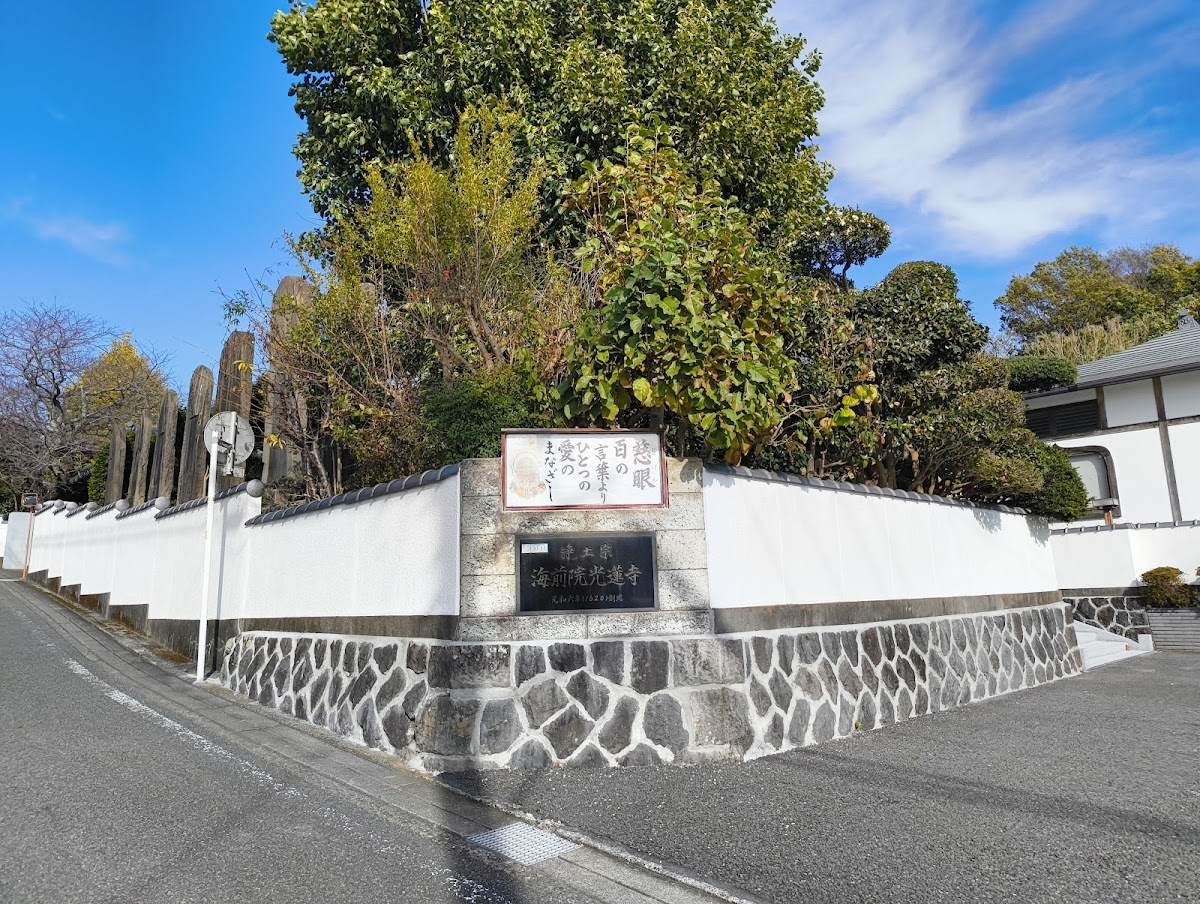
Kōrenji Temple, located in Kawasaki Town, Tagawa District, Fukuoka Prefecture, is a temple belonging to the Kyushu Diocese of the Shinshu Ōtani School (Higashi Honganji). Its address is 2534 Kawasaki, Kawasaki Town, and it transmits the teachings of Nembutsu (recitation of Amida Buddha’s name) together with local followers.
The Shinshu Ōtani School, like the Jōdo Shinshū Honganji School, inherits the teachings of Shinran Shōnin, but it is a different sect with Higashi Honganji in Kyoto as its head temple. While the basic doctrines are common, there are differences in the details of organization and rituals.
Buddhist Services and Rituals at Kōrenji Temple
Hōonkō Memorial Service: The Most Important Annual Event
In Jōdo Shinshū temples, the Hōonkō Memorial Service is the most important annual event. This service commemorates the anniversary of Shinran Shōnin’s death (November 28th in the old calendar) and expresses gratitude for his teachings, attracting many followers.
At Kōrenji Temple, the Hōonkō memorial service is held annually, providing an opportunity to relearn the teachings of Shinran Shōnin through the abbot’s sermon and the chanting of the Nembutsu.
Annual Memorial Services and Monthly Visits
Annual memorial services are memorial services held on the anniversary of a person’s death. They are held on designated years, such as the first, third, and seventh anniversaries. In Jōdo Shinshū Buddhism, they are positioned as an opportunity to deepen one’s faith while remembering the deceased.
Monthly visits are a custom in which the abbot visits the homes of temple members and performs services in front of the family altar. This deepens the bond between the temple and its members and provides an opportunity to encounter Buddhist teachings in daily life.
Funerals and Wakes
In Jōdo Shinshū Buddhism, funerals are not seen as a ceremony to send the deceased to Amida Buddha’s Pure Land, but rather as an opportunity for those left behind to encounter Buddhist teachings. The idea is that by chanting the Nembutsu, both the deceased and those attending are enveloped in the compassion of Amida Buddha. At Korenji Temple, funerals and wakes are conducted according to the circumstances of each family, and the temple provides attentive support to its parishioners.
Access and Visiting Information for Korenji Temple
Access to Korenji Temples in Various Locations
Access to Korenji Temples throughout Japan varies depending on their location.
Korenji Temple in Dazaifu City, Fukuoka Prefecture: A few minutes’ walk from Nishitetsu Dazaifu Station. Located in the opposite direction from Dazaifu Tenmangu Shrine.
Korenji Temple in Nakagawa City, Fukuoka Prefecture: Located in the Umegane district of Nakagawa City. Detailed access information can be found on the temple’s website.
Korenji Temple in Tsu City, Mie Prefecture: Located in the Kamihama district of Tsu City. Accessible by public transport or private car.
Korenji Temple in Naniwa Ward, Osaka City: Located in the Nihonbashi area, easily accessible by public transport such as the subway.
Points to Note When Visiting
When visiting Kōrenji Temple, please note the following:
- Prior Contact: If you have any questions regarding memorial services or Buddhist rituals, it is recommended that you contact the temple by phone in advance.
- Attire: When attending a formal memorial service, please wear appropriate attire such as formal wear.
- Mannerism: Jōdo Shinshū Buddhism has its own unique mannerisms, such as the number of times to offer incense and the way to perform the prayer. Feel free to ask the head priest or temple staff if you have any questions.
The Teachings of Jōdo Shinshū Buddhism and Kōrenji Temple
The Core of Shinran Shōnin’s Teachings
Shinran Shōnin, the founder of Jōdo Shinshū Buddhism, taught the doctrine of “other-power vow.” This is the idea that salvation is achieved not through one’s own power (self-power), but through the power of Amida Buddha’s vow (other-power).
Chanting the Nembutsu (invocation of Amida Buddha) is not seen as a means of ascetic practice or accumulating merit, but rather as an expression of gratitude for the compassion of Amida Buddha. This teaching represented a revolutionary idea: that all people are equally saved.
The Relationship Between the Monto System and Temples
In Jodo Shinshu Buddhism, the monto system is highly valued. Monto are believers belonging to a temple, and the temple and its members are bound by strong ties.
At Jodo Shinshu temples, including Korenji Temple, relationships with monto are cherished, forming a community where people learn and practice the teachings of Nembutsu together. The head priest visits the homes of monto (monthly visits), playing a role in conveying Buddhist teachings in daily life.
The Modern Role and Future of Korenji Temple
Engagement with the Local Community
Modern Korenji Temple serves not only as a religious institution but also as a cultural and spiritual hub for the local community. Events such as the Hoonko memorial service provide opportunities to strengthen the bonds of the local community.
Especially in urban areas, many Kōrenji temples strive for open temple management, aiming to serve as a spiritual haven for modern people struggling with loneliness and anxiety.
Protection and Preservation of Cultural Properties
For temples like Kōrenji in Mie Prefecture, which house valuable cultural properties, the protection and preservation of these properties is a crucial mission. They have a responsibility to pass on historically valuable assets, such as a 500-year-old pine tree and a Buddhist statue designated as a prefectural cultural property, to future generations.
Responding to New Needs such as Perpetual Memorial Services
In modern society, characterized by a declining birthrate, an aging population, and the rise of nuclear families, the need for perpetual memorial services and columbariums is increasing. Some Kōrenji temples are adapting to these changes and offering new forms of memorial services.
While preserving traditional teachings, flexibility to meet the needs of modern society is required of temples in the future.
Summary: The Teachings of Nembutsu as Conveyed by Kōrenji Temples
Kōrenji temples throughout Japan, while each possessing different histories and characteristics, all share the common teaching of Shinran Shonin’s Nembutsu. These temples, primarily of the Jodo Shinshu Honganji sect, have walked alongside local followers for hundreds of years, passing down Buddhist teachings. They have a history of overcoming difficulties such as fires and wars, with successive abbots continuing to uphold the teachings.
Even today, Korenji Temple plays a vital role as a spiritual pillar for people through various Buddhist services such as memorial services, annual memorial services, and funerals. It also offers new services that meet the needs of the times, such as perpetual memorial services and columbariums.
While protecting valuable cultural assets such as a 500-year-old pine tree and a Buddhist statue designated as a prefectural cultural property, Korenji Temple’s commitment to its ties with the local community demonstrates a harmony between tradition and innovation.
When visiting Korenji Temple, why not reflect on its history and consider the teachings of compassion preached by Shinran Shonin, that “all people will be saved equally”? The head priest and temple staff are happy to answer any questions you may have, so if you have any questions about Buddhist rituals or memorial services, we recommend that you do not hesitate to contact them.