Enryuji Temple (Maizuru City) Complete Guide | A Thorough Explanation of Nationally Designated Important Cultural Properties and History
Enryuji Temple, located in Hikitsuchi, Maizuru City, Kyoto Prefecture, is a Shingon sect Omuro school temple quietly nestled at the eastern foot of Mount Atago. This ancient temple, said to have been founded by Gyoki Bodhisattva during the Nara period, houses numerous valuable Buddhist statues, including nationally designated Important Cultural Properties, and is known as an important religious facility that conveys the history and culture of West Maizuru.
This article comprehensively introduces information you should know before visiting Enryuji Temple, including its history, cultural properties, highlights within the temple grounds, and access methods.
Basic Information about Enryuji Temple
Official Name: Jikeizan Enryuji Temple
Sect: Shingon-shu Omuro-ha
Mountain Name: Jikeizan
Location: 72 Hikitsuchi, Maizuru City, Kyoto Prefecture
Founded: Nara period (tradition)
Founder: Gyoki Bodhisattva (tradition)
Principal Image: Amida Buddha
Enryuji Temple is located on a hill overlooking the city of Nishi-Maizuru and, together with the neighboring Asashiro Shrine to the north, has a long history as a center of faith in this region.
History of Enryuji Temple
Founding in the Nara Period and the Gyoki Legend
The founding of Enryuji Temple is said to date back to the Nara period. According to temple tradition, it is known as one of the temples founded by Gyōki Bodhisattva (668-749), and it has been suggested that it may be connected to the lineage of the “Gyōki Forty-Nine Temples” that Gyōki established throughout Japan to provide relief to the common people.
Gyōki was a prominent Buddhist monk of the Nara period and a high-ranking priest who was involved in the construction of the Great Buddha of Tōdai-ji Temple. Along with spreading Buddhism, he undertook social projects such as building bridges, roads, and irrigation facilities, gaining immense support from the people. Traces of Gyōki remain in the Maizuru region, and the founding legend of Enryū-ji Temple is understood as part of this.
From the Heian Period to the Kamakura Period
The most reliable record of the temple is a tradition that it was rebuilt during the Chōtoku era (995-999). This period corresponds to the mid-Heian period, a time when aristocratic culture flourished.
Many of the Buddhist statues currently existing at Enryū-ji Temple were created from the late Heian period to the Kamakura period. These Buddhist statues demonstrate the high level of Buddhist art at the time and reflect the depth of Buddhist faith in this region.
In particular, the late Heian period (11th-12th centuries) was a time when Amida worship spread from the aristocracy to the common people, and the seated Amida Buddha statue, the principal image of Enryu-ji Temple, reflects the faith of this era.
Reconstruction in the Edo Period
The main buildings of the current Enryu-ji Temple were rebuilt during the Edo period. The temple, which had been maintained throughout the Middle Ages, experienced wars and fires, but was restored during the Edo period under the protection of the Tanabe Domain (Maizuru Domain).
The main hall and other buildings, which retain the architectural style of the Edo period, clearly convey the characteristics of temple architecture at that time and form part of the historical landscape of the Maizuru area.
Enryu-ji Temple in the Modern and Contemporary Periods
Despite being affected by the anti-Buddhist movement of the Meiji era, Enryu-ji Temple survived, supported by the faith of the local people. In the Showa period, the cultural value of its collection of Buddhist statues was recognized, and it was designated as an Important Cultural Property, attracting attention from the perspective of cultural property preservation. Even today, as a temple of the Omuro branch of the Shingon sect, it continues to uphold the Dharma lineage together with local parishioners.
Cultural Properties of Enryu-ji Temple
The greatest attraction of Enryu-ji Temple is its collection of precious Buddhist statues created from the Heian period to the Kamakura period. These are designated as cultural properties by the national government and Kyoto Prefecture and are strictly protected.
Important Cultural Property (National Designation)
Wooden Seated Amida Buddha Statue
The wooden seated Amida Buddha statue, the principal image of Enryu-ji Temple, is the temple’s greatest treasure, designated as a National Important Cultural Property.
Period of Creation: Late Heian period (11th-12th century)
Technique: Joined wood construction, lacquer and gold leaf
Characteristics: A typical depiction of Amida Buddha making the meditation mudra, characterized by its serene expression and well-proportioned physique. While exhibiting the elegant style of the late Heian period, it also shows unique characteristics as a regional Buddhist statue.
This seated statue of Amida Buddha is an important example demonstrating the spread of Amida worship, particularly the Pure Land faith that sought rebirth in paradise, which was popular in the late Heian period. While influenced by the Jocho style, it is highly regarded in art history as an excellent Buddhist statue possessing regional characteristics.
Kyoto Prefecture Designated Tangible Cultural Property
Enryu-ji Temple houses several Buddhist statues designated as Kyoto Prefecture Tangible Cultural Properties, in addition to nationally designated Important Cultural Properties.
Wooden Eleven-Headed Kannon Bodhisattva Standing Statue
Period of Creation: Late Heian Period
Features: A Kannon Bodhisattva statue with eleven Buddha faces on its head. It is characterized by its compassionate expression and graceful bodily representation.
Wooden Jizo Bodhisattva Standing Statue
Period of Creation: Kamakura Period
Features: A typical depiction of Jizo Bodhisattva holding a staff and jewel. It exhibits the realistic sculptural style of the Kamakura period.
Other Buddhist Statues
Enryuji Temple possesses several other Buddhist statues created from the Heian period to the Kamakura period, boasting a high-quality collection despite its small size. These statues are usually housed in a storage facility and are occasionally displayed on special occasions.
Preservation and Public Access to Cultural Properties
Enryuji Temple’s cultural properties are preserved under appropriate temperature and humidity control. While normally closed to the public, viewing may be possible with prior notice. They may also be open to the public during events such as special cultural property exhibitions in Maizuru City.
Enryuji Temple Grounds
Grounds Composition
Enryuji Temple’s grounds are built on a slope at the eastern foot of Mount Atago, offering excellent views overlooking the city of Nishi-Maizuru.
Main Buildings:
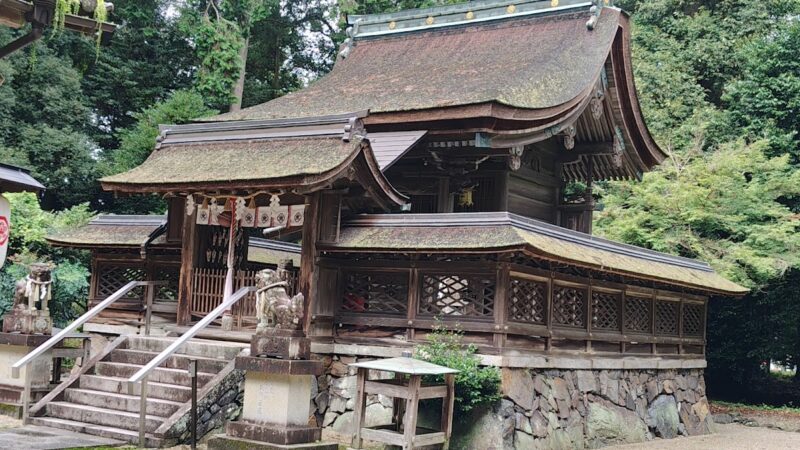
- Main Hall: A building rebuilt during the Edo period, housing the principal image of Amida Buddha.
- Priest’s Quarters: The living space of the temple.
- Storage Room: Stores important cultural properties, etc.
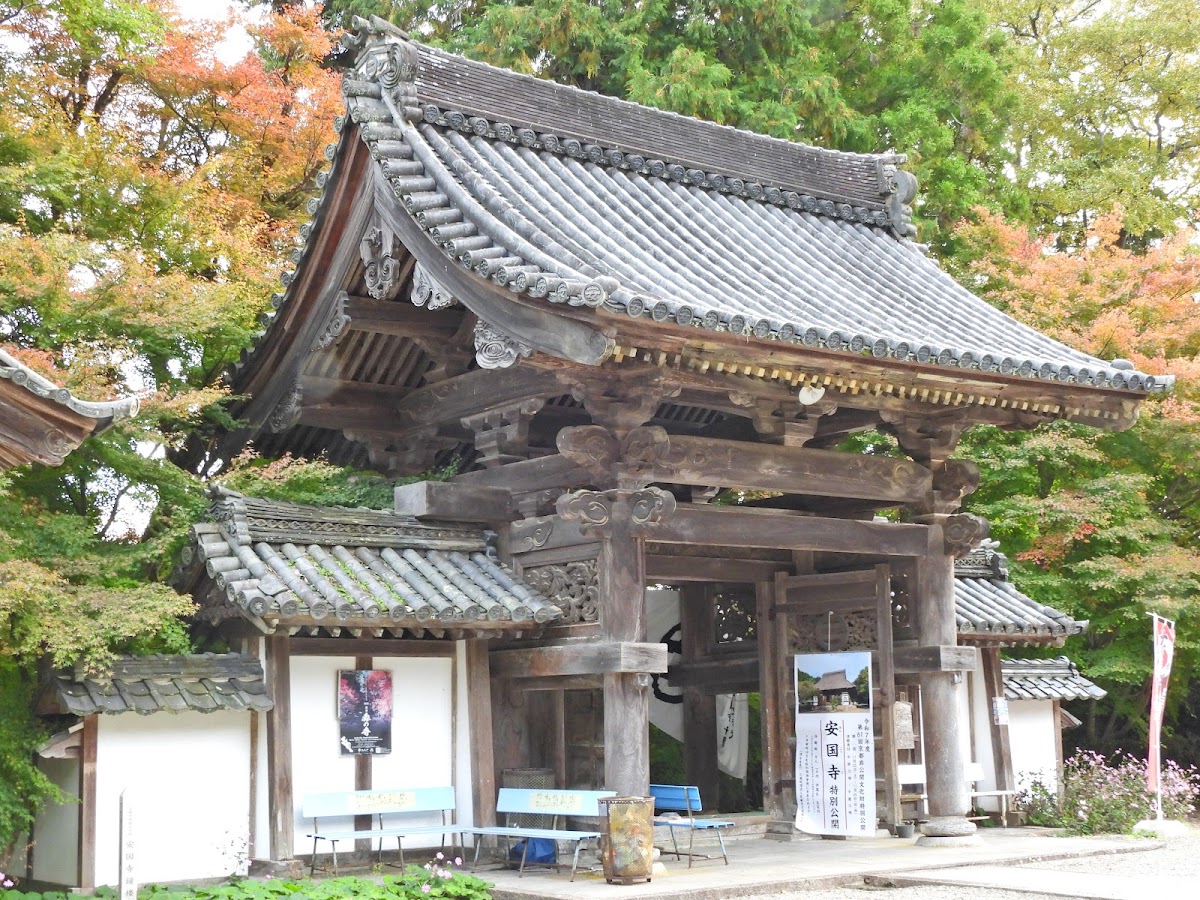
- Temple Gate: Entrance to the temple grounds.
Highlights of the Temple Grounds
Walking Trail to Atago Mountain
From the grounds of Enryuji Temple, there is a walking trail leading to the summit of Atago Mountain. Atago Mountain is a low mountain with an elevation of approximately 235 meters, but its summit is known as a scenic spot offering panoramic views of Maizuru Bay and the city.
By strolling through Atago Mountain starting from Enryuji Temple, you can enjoy both nature and history simultaneously. The scenery is particularly beautiful during the seasons of fresh greenery in spring and autumn foliage.
Relationship with Asashiro Shrine
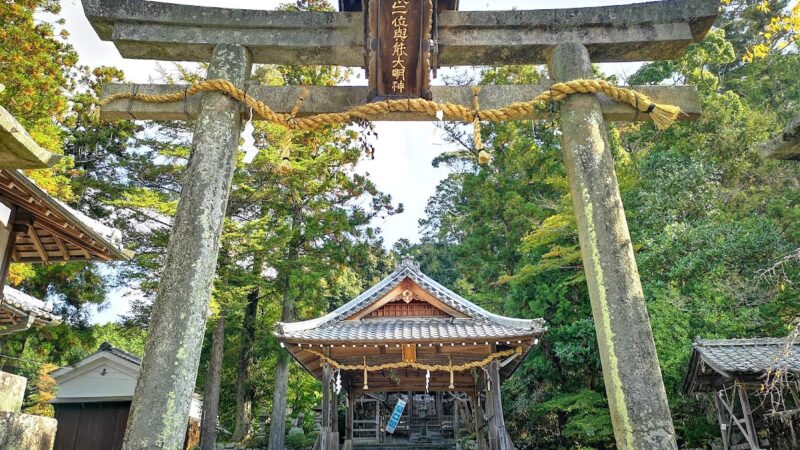
Asashiro Shrine is located adjacent to the north side of Enryuji Temple. Asashiro Shrine is an ancient shrine in the Maizuru region and has a long historical connection with Enryu-ji Temple. During the era of syncretism of Shinto and Buddhism, the two were worshipped together.
Even today, the two shrines are adjacent, and visiting Asashiro Shrine in conjunction with Enryu-ji Temple will allow you to gain a deeper understanding of the history of faith in this region.
View from the Temple Grounds
From the grounds of Enryu-ji Temple, you can overlook the city of Nishi-Maizuru. The view of this port town facing Maizuru Bay has long captivated many visitors. The view at sunset is particularly spectacular, with the sight of Maizuru’s cityscape bathed in the setting sun being truly impressive.
Access to Enryu-ji Temple
Access by Public Transportation
Nearest Station: JR Maizuru Line “Nishi-Maizuru Station”
Enryu-ji Temple is approximately a 20-25 minute walk from Nishi-Maizuru Station. Head northwest from the station, towards the foot of Mount Atago. The route passes through the city center of Maizuru, allowing you to enjoy the town’s atmosphere as you walk.
By Bus: Take a Kyoto Kotsu bus from Nishi-Maizuru Station and get off at the “Hikido” bus stop. It’s about a 5-minute walk from there. However, bus service is limited, so it’s recommended to check the timetable in advance.
Access by Car
Maizuru-Wakasa Expressway:
- Approximately 10 minutes from “Maizuru-Nishi IC”
- Approximately 20 minutes from “Maizuru-Higashi IC”
Enryuji Temple has parking spaces for visitors, but the number of spaces is limited. For large vehicles or group visits, it’s recommended to contact the temple in advance.
Notes on Access
Enryuji Temple is located on a slightly elevated area at the foot of Mt. Atago, so you will need to walk up a gentle slope to reach the temple grounds. Comfortable walking shoes are recommended.
Also, since the temple is adjacent to a residential area, please be considerate of noise and visit quietly.
Visiting Information
Visiting Hours and Admission Fees
While visiting the grounds of Enryuji Temple is generally free, advance reservations are required to view the main hall and the treasure house.
Grounds Visiting: Free during daytime hours
Main Hall/Cultural Property Viewing: Advance contact required
Admission Fee: Voluntary donation (separate fees may apply for cultural property viewing)
Notes for Visitors
- Photography of important cultural properties is prohibited in principle.
- Please visit the temple grounds in silence.
- If you wish to view cultural properties, please make a reservation by phone several days in advance.
- Viewing may not be possible if there are temple events.
Attractions Around Enryuji Temple
Asashiro Shrine
As mentioned above, this is an ancient shrine adjacent to Enryuji Temple. It is a valuable spot where you can feel the history of Shinto-Buddhist syncretism.
Maizuru Repatriation Memorial Museum
Located about 15 minutes by car from Enryuji Temple, this museum tells the history of repatriation after World War II. This museum exhibits materials registered as a UNESCO World Memory Heritage site, allowing visitors to learn about Maizuru’s modern and contemporary history.
Maizuru Red Brick Park
A tourist facility utilizing former Imperial Japanese Navy red brick warehouses, offering an experience of Maizuru’s history and culture. It also features cafes and shops, making it a popular base for sightseeing.
Goro Sky Tower
An observation facility offering 360-degree views of Maizuru Bay. One of the highlights of Maizuru sightseeing.
Annual Events at Enryuji Temple
As a Shingon Buddhist temple, Enryuji Temple holds various religious services and events throughout the year.
Main Annual Events:
- Shusho-e (January)
- Spring Equinox Service (March)
- Hana Matsuri (April)
- Autumn Equinox Service (September)
- Founder’s Memorial Service (Dates to be confirmed with the temple)
During these events, parishioners gather for chanting and sermons. Some events are open to the public, so please inquire in advance if you are interested.
Other Enryuji-related temples in Maizuru City
Besides Enryuji Temple, there are many other temples in Maizuru City, each with its own history and cultural assets.
Main Temples:
- Matsuo-ji Temple: An ancient temple, the 29th temple of the Saigoku Thirty-Three Kannon Pilgrimage
- Kongo-in Temple: A famous Shingon Buddhist temple with a national treasure, a three-story pagoda
- Tane-ji Temple: One of the oldest temples in the Tango region
Visiting these temples together will allow you to gain a deeper understanding of the Buddhist culture of the Maizuru and Tango regions.
Recommended Season for Visiting Enryuji Temple
Spring (March-May)
The fresh greenery is beautiful, making it the perfect season for a stroll around Atago Mountain. A flower festival is also held in April.
Autumn (September-November)
The autumn foliage is beautiful, and the temple grounds and the natural surroundings of Mount Atago are ablaze with color. The Autumn Equinox Ceremony is also held during this time.
Winter (December-February)
This is a season with fewer visitors, allowing for a peaceful visit. The view from the temple grounds in the crisp winter air is exceptional.
Cultural Property Preservation Activities at Enryu-ji Temple
Enryu-ji Temple undertakes various preservation activities to pass on its valuable cultural properties to future generations.
Restoration of Cultural Properties
Experts regularly inspect the condition of Buddhist statues, and restoration is carried out as needed. Subsidies from the national government and Kyoto Prefecture are utilized for the restoration of important cultural properties, and the latest preservation techniques are employed.
Disaster Prevention Measures
To protect cultural properties from disasters such as fires and earthquakes, fire prevention equipment and earthquake-resistant measures are being implemented. A temperature and humidity control system has been installed in the storage facilities to prevent the deterioration of Buddhist statues.
Public Access and Education
Appropriately opening cultural properties to the public and widely communicating their value is also an important activity. Enryuji Temple is utilized as a venue for school education and lifelong learning, contributing to raising awareness of cultural property preservation in the region.
Summary: The Charm of Enryuji Temple
Enryuji Temple in Maizuru City, Kyoto Prefecture, is an ancient temple with a founding tradition dating back to the Nara period. As a temple housing valuable Buddhist statues, including nationally designated important cultural properties, it is an important spot that conveys the history and culture of the Maizuru region to the present day.
Main Attractions of Enryu-ji Temple:
- Amida Buddha Seated Statue (Nationally Designated Important Cultural Property): An outstanding Buddhist sculpture from the late Heian period.
- Abundant Cultural Assets: A collection of Buddhist statues from the Heian and Kamakura periods.
- Historical Value: An ancient temple founded in the Nara period, with a legend of Gyoki.
- View: A view from the temple grounds overlooking the city of Nishi-Maizuru.
- Atago Mountain Walk: A walking path from the temple grounds to the mountaintop.
- Integration with Asashiro Shrine: A location that allows you to feel the history of Shinto-Buddhist syncretism.
When visiting Nishi-Maizuru, be sure to visit Enryu-ji Temple and experience the weight of history and the splendor of Buddhist art in its tranquil grounds. Making a reservation in advance to view the cultural assets will allow you to appreciate the charm of Enryu-ji Temple even more deeply.
Enryu-ji Temple is one of the must-see spots on a journey exploring the history and culture of Maizuru. The collection of Buddhist statues designated as Important Cultural Properties is a valuable cultural heritage that tells the story of the faith history of this region, and it deeply moves visitors.