What is a Shrine Office? A Thorough Explanation of its Role, Usage, and Etiquette for Shrine Visits
The “shrine office” is a facility you’ll inevitably see when visiting a shrine. While it’s an important point of contact for visitors, many people may not know its role or how to use it correctly. This article provides a detailed explanation of the shrine office, from its basic role to specific usage scenarios and etiquette.
What is a Shrine Office?
A shrine office (shamusho) is the building or place that handles administrative matters at a shrine. “Shrine affairs” refers to all aspects of a shrine’s operations, encompassing a wide range of tasks from the management of a religious corporation to daily rituals and dealing with visitors.
Main Roles of the Shrine Office
The shrine office performs the following duties:
- Distribution of items: Distribution of amulets, talismans, votive tablets, fortune slips, etc.
- Issuance of Goshuin (shrine stamps): Inscription in Goshuin notebooks as proof of worship
- Reception of prayers and rituals: Reservations and reception for prayers such as exorcism, safety prayers, and Shichi-Go-San (children’s festival)
- Administrative work for the shrine: Administrative procedures and financial management as a religious corporation
- Guidance for visitors: Explanation of the shrine’s history, festival schedules, and worship methods
Services available at the shrine office
Issuance of amulets and talismans
The shrine office offers a variety of amulets and talismans. Generally, the following types are available:
- Traffic Safety Amulet: Prayers for safety in cars and bicycles (approximately 500-1,000 yen)
- Academic Success Amulet: Prayers for success in exams and academic improvement (approximately 500-800 yen)
- Health Amulet: Prayers for recovery from illness and maintaining good health (approximately 500-1,000 yen)
- Matchmaking Amulet: Prayers for successful matchmaking (approximately 500-1,000 yen)
- Family Safety Amulet: Prayers for the safety and prosperity of the family (approximately 1,000-3,000 yen)
The formal terms used when receiving these items are “received” or “obtained,” rather than “buy.”
Receiving Goshuin (Temple/Shrine Seals)
Goshuin are seals and calligraphic inscriptions given as proof of worship. Present your goshuincho (stamp book) at the shrine office and pay the offering fee (usually 300 to 500 yen) to receive the stamp.
Points to Note When Receiving a Goshuin (Shrine Stamp):
- Always complete your prayers before receiving a Goshuin.
- Open your Goshuin book and show the page for the stamp.
- Expect waiting times during busy periods.
- Sometimes pre-written stamps (paper stamps) are available.
- Photography is permitted at different shrines; please check beforehand.
Applications for Prayer and Ritual Services
The shrine office accepts applications for various prayers and rituals:
Prayers for Individuals:
- Exorcism/Protection from Misfortune (from 5,000 yen)
- Safety Prayer/Traffic Safety Prayer (from 5,000 yen)
- Recovery from Illness (from 5,000 yen)
- Success Prayer (from 5,000 yen)
Life Cycle Rituals:
- First Shrine Visit (Omiyamairi) (5,000 yen to 10,000 yen)
- Shichi-Go-San (5,000 yen to 10,000 yen)
- Coming-of-Age Ceremony (from 5,000 yen)
For Companies and Organizations:
- Prayer for Business Prosperity (from 10,000 yen)
- Prayer for Construction Safety (Groundbreaking Ceremony) (from 30,000 yen)
- Purification Ceremony for New Vehicles (from 5,000 yen)
The offering fee varies depending on the shrine and the content of the prayer, so it is recommended to check in advance.
Manners when using the shrine office
Basic Mindset
The shrine office is a sacred place where Shinto priests perform their duties. Please observe the following manners:
- Use polite language: Use respectful words such as “Please” and “Thank you.”
- Wait quietly: Respect your place in line and avoid speaking loudly.
- Consideration for photography: Generally, refrain from taking photos inside the shrine office (obtain permission).
- Appropriate attire: Avoid overly revealing or flashy clothing.
How to hand over money
When paying for offerings or gifts, the following methods are polite:
- Use a ceremonial envelope: For formal prayers, use an envelope with “Offering” written on the front.
- Use a tray: If a tray is provided at the shrine office, hand the money on it.
- Hand it directly: If a tray is not available, hand it over carefully with both hands.
Even with small change, handle it carefully and do not throw or handle it roughly.
How to Ask Questions
When asking questions about a shrine, please keep the following points in mind:
- Avoid crowded times: Choose relatively quiet times, such as weekday mornings.
- Ask concisely: Avoid lengthy explanations and focus on the main points.
- Check official information: Check basic information on bulletin boards or websites before visiting.
Shrine Office Hours
General Opening Hours
Many shrines have their offices open during the following hours:
- Weekdays, Saturdays, Sundays, and Holidays: 9:00 AM to 5:00 PM (Last reception at 4:30 PM)
- New Year’s Period: Early morning to late night (Varies greatly depending on the shrine)
- Special Days such as Grand Festivals: Longer opening hours than usual
Periods to Note
First Three Days of the New Year:
- Large shrines may be open 24 hours a day.
- Smaller shrines may also have longer hours than usual.
- Extremely crowded, resulting in long waiting times.
Obon/Higan:
- While most shrines operate as usual, some shrines may have special arrangements.
Weekday Lunch Break:
- Smaller shrines may close for lunch (e.g., 12:00-13:00).
It is recommended to check the shrine’s official website or call before visiting.
Points for Worship
Before Visiting the Shrine Office
The correct order is to first worship at the main shrine before using the shrine office:
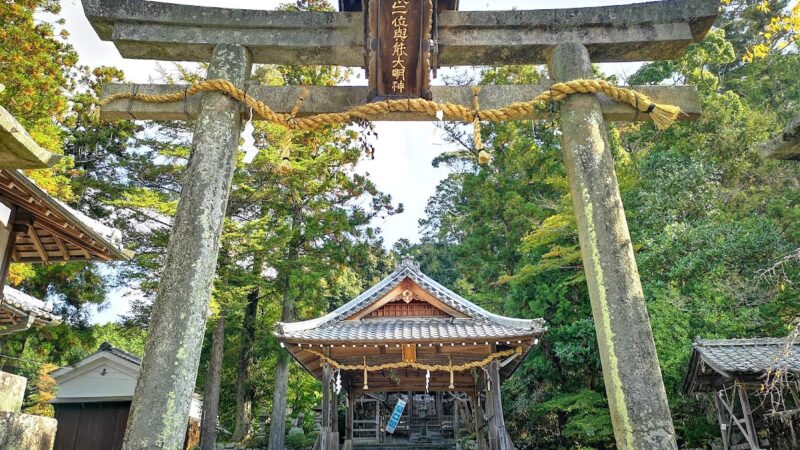
- Bow at the Torii Gate: A courtesy when entering the sacred area.
- Purify at the Water Basin: Purify in the order of left hand → right hand → mouth → left hand.
- Worship at the Main Shrine: Two bows, two claps, one bow (may vary depending on the shrine).
- Go to the Shrine Office: Receive a Goshuin (shrine stamp) or amulet after worship.
Following this order shows respect to the deities.
Things to Check When Visiting a Shrine for the First Time
When visiting a shrine for the first time, please check the following:
- Deity and Blessings: Which gods are enshrined?
- Worship Etiquette: The basic method is two bows, two claps, and one bow, but there are exceptions, such as two bows, four claps, and one bow at Izumo Taisha shrines.
- Special Items Offered: Amulets and Goshuin (stamps) unique to that shrine.
- No Photography Areas: Check areas where photography is prohibited, such as inside the main hall.
Access and Parking
Examples of Access to Major Shrines
Meiji Jingu Shrine (Tokyo):
- 5-minute walk from JR Harajuku Station
- Parking: Available (for worshippers, limited number of spaces)
- Shrine Office Hours: 9:00 AM – 4:30 PM (may vary depending on the season)
Fushimi Inari Taisha Shrine (Kyoto):
- Immediately accessible from JR Inari Station
- Parking: Available (free, approximately 200 spaces)
- Shrine Office Hours: 8:30 AM – 4:30 PM
Izumo Taisha Shrine (Shimane):
- 10-minute walk from Ichibata Electric Railway Izumo Taisha-mae Station
- Parking: Available (Free, multiple locations)
- Shrine Office Hours: 6:00 AM – 8:00 PM (Varies seasonally)
Notes on Parking
- New Year’s and Festivals: Traffic congestion on surrounding roads makes using public transportation recommended.
- Parking Fees: Many shrines offer free parking, but some in urban areas may charge a fee.
- Parking Time: Limit parking to an appropriate time based on your visit.
Main Benefits and Corresponding Shrines
Recommended Shrines by Benefit
Academic Achievement/Prayer for Passing Exams:
- Dazaifu Tenmangu Shrine (Fukuoka): Dedicated to Sugawara no Michizane, the god of learning
- Kitano Tenmangu Shrine (Kyoto): Head shrine of all Tenmangu shrines nationwide
- Yushima Tenjin (Tokyo): One of the three great Tenjin shrines of Edo
Matchmaking/Love Fulfillment:
- Izumo Taisha (Shimane): The pinnacle of matchmaking
- Tokyo Daijingu (Tokyo): “Tokyo’s Ise Shrine”
- Kifune Shrine (Kyoto): God of water, god of matchmaking
Business Prosperity/Increased Wealth:
- Fushimi Inari Taisha (Kyoto): Head shrine of Inari gods
- Kotohira-gu (Kagawa): Guardian deity of maritime traffic
- Sanko Inari Shrine (Aichi): Famous for money washing
Exorcism/Good Fortune:
- Kawasaki Daishi (Kanagawa): Nationally famous for exorcism
- Samukawa Shrine (Kanagawa): Guardian deity of protection from all directions
- Hie Shrine (Tokyo): Guardian deity of Edo
Points for Receiving Blessings
- Regular Visits: Visit regularly with gratitude, not just once.
- Specific Wishes: Rather than vague wishes, envision specific goals in your mind.
- A Grateful Heart: Don’t just wish, but remember to be grateful for the blessings you receive every day.
- Self-Effort: Don’t just rely on God; your own efforts are also important.
Frequently Asked Questions
Q1: What should I do when the shrine office is closed?
A: While many shrines are open for worship 24 hours, amulets and Goshuin (stamps) are only available during the shrine office’s opening hours. Please check the opening hours before visiting.
Q2: Is it okay to have multiple amulets?
A: There’s no problem. You can have amulets from multiple shrines, or receive multiple amulets from the same shrine. However, it’s important to handle them with care.
Q3: What should I do with old amulets?
A: It’s generally customary to return old amulets to the designated collection point (kosatsu osamesho) at the shrine where you received them, approximately one year from now. If the shrine is far away, many nearby shrines will accept them.
Q4: What is the going rate for offerings?
A: Amulets and Goshuin (temple/shrine stamps) are generally around 300 to 1,000 yen, individual prayers start from 5,000 yen, and ground-breaking ceremonies start from 30,000 yen. Prices vary by shrine, so it’s recommended to check in advance.
Q5: Can I take photos in the shrine office?
A: Policies regarding photography inside the shrine office and of offerings vary by shrine. If you wish to take photos, be sure to obtain permission first.
Summary
The shrine office plays an important role in shrine visits. While it offers various services such as amulets, Goshuin, and prayer requests, it’s crucial to remember that it’s a sacred place and use it with appropriate manners.
When visiting a shrine, first complete your prayers at the main hall before visiting the shrine office, and respond with polite language and demeanor. Also, checking the opening hours and offering fees before your visit will ensure a smoother experience.
Visiting a shrine is a valuable opportunity to experience traditional Japanese culture. Knowing how to properly use the shrine office will make your visit even more fulfilling.