Complete Guide to Junenji Temple: Highlights and Visiting Information for this Historic Jodo Sect Temple in Kamigyo Ward, Kyoto
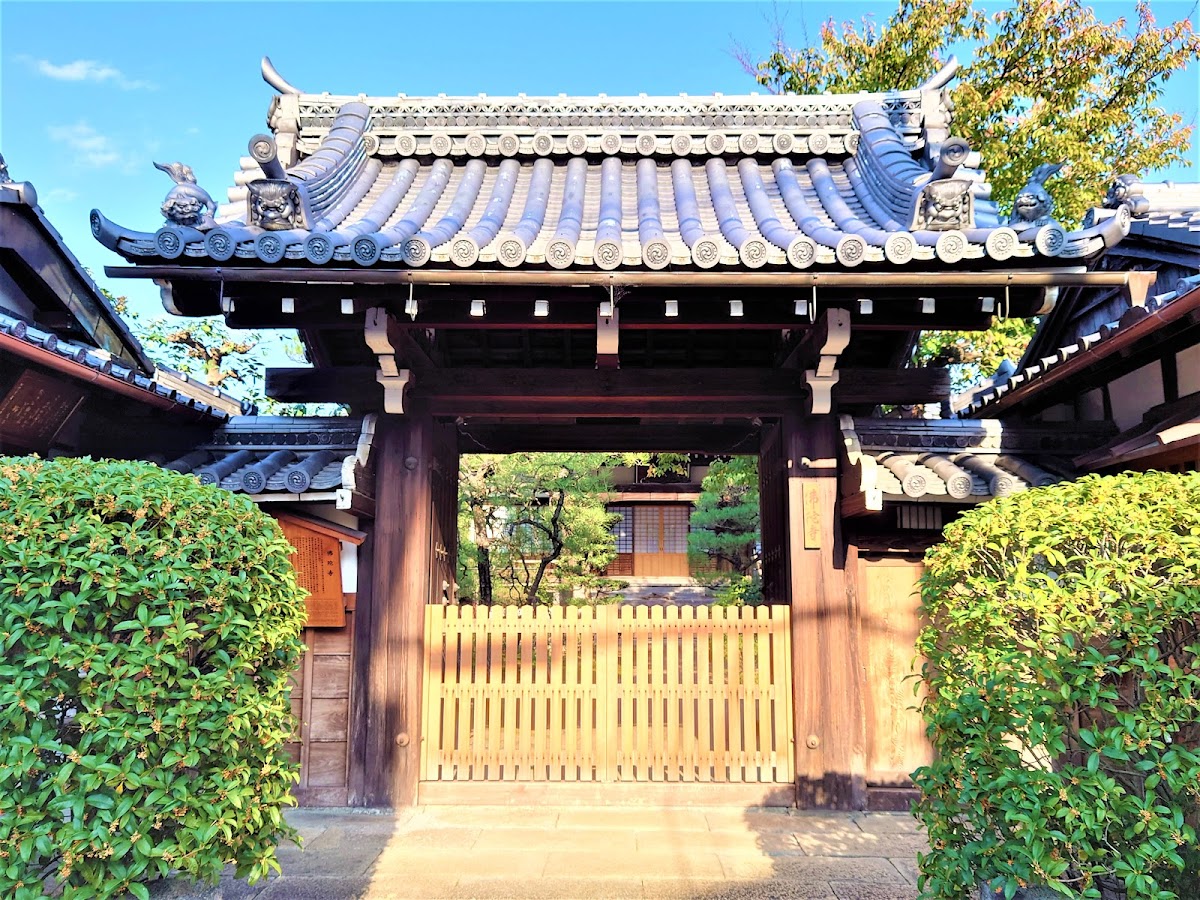
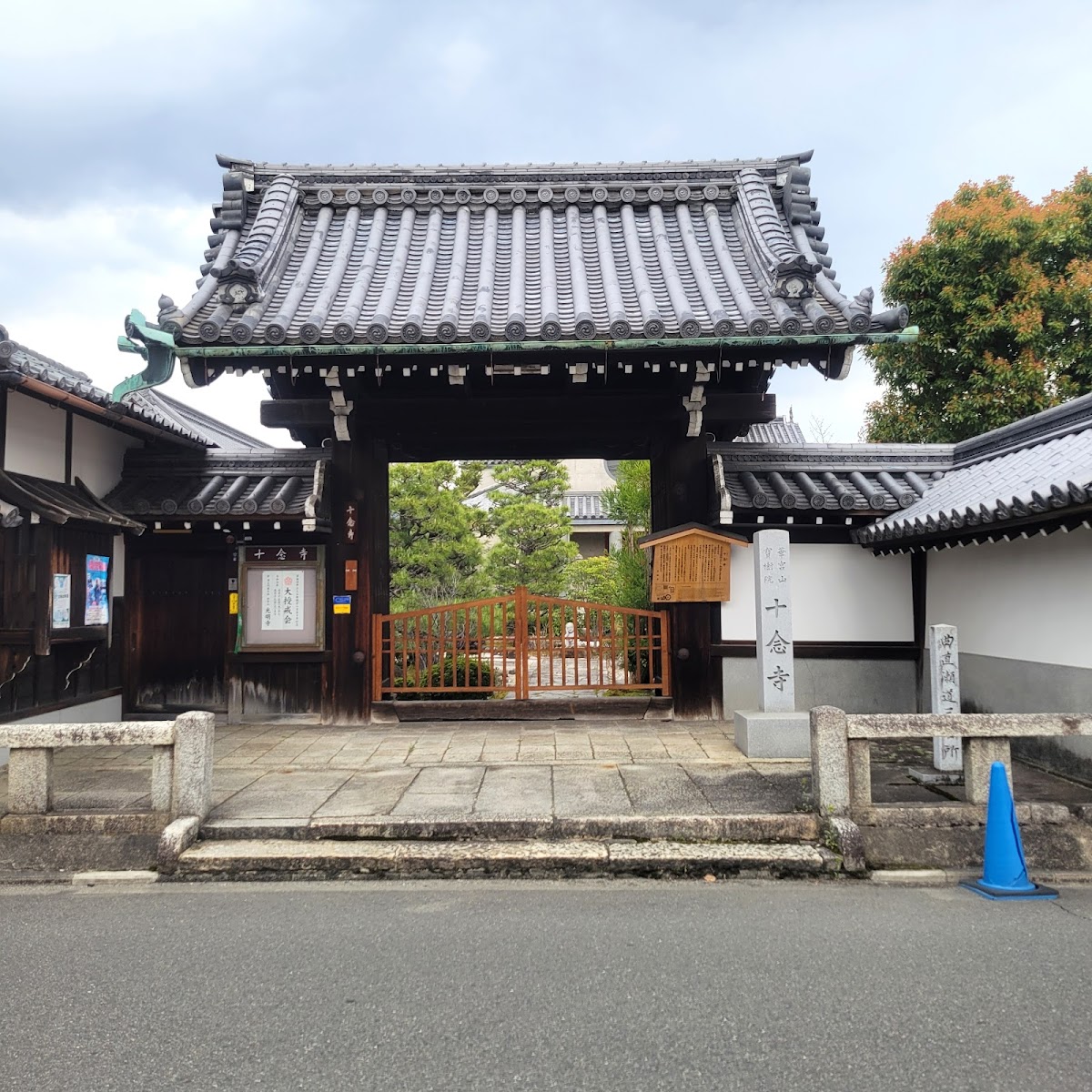
Junenji Temple, located on Teramachi Street in Kamigyo Ward, Kyoto City, is a Jodo Sect temple founded in 1431 during the Muromachi period. Its mountain name is Kekyuzan Hojuin, and it is known for its modern main hall architecture and historical cemetery. This article provides a detailed explanation of Junenji Temple’s history, architectural features, cultural assets, and visiting information.
History and Origins of Junenji Temple
Founding Circumstances and Prince Shin’a, Son of Emperor Go-Kameyama
The history of Junenji Temple dates back to 1431. It was founded by Shin’a, a prince of Emperor Go-Kameyama, who received the patronage of Ashikaga Yoshinori, the 6th Shogun of the Muromachi Shogunate. Originally, it was built near the former Seiganji-dori Ogawa, where Seiganji Temple once stood, and is said to have begun as Hoju-in within Seiganji Temple.
Shin’a Shonin, though born a prince of Emperor Go-Kameyama, entered the Buddhist priesthood and spread the teachings of the Jodo sect. The temple’s name originates from his bestowal of the “Ten Recitations” upon Ashikaga Yoshinori. In the Jodo sect, the “Ten Recitations” refer to a ritual in which the officiant recites the name “Namu Amida Butsu” ten times to the believer, thereby granting them a connection to Buddhism.
Relocation and Settlement in the Current Location During the Tensho Era
Approximately 150 years after its founding, during the Tensho era (1573-1591), Junenji Temple relocated to its current location in Tsuruyama-cho, Kamigyo-ku. This period coincided with Toyotomi Hideyoshi’s urban redevelopment of Kyoto, and many temples were gathered around the current Teramachi-dori area.
Teramachi Street, as its name suggests, is known for its many temples, and Junenji Temple is one of them. Even after its relocation, the teachings of the Jodo sect founded by Shin’a Shonin have been continuously passed down, and it continues to attract followers as a temple of the Seizan Jodo sect to this day.
A Dharma Lineage Continuing from the Muromachi Period
Founded during the Muromachi period, Junenji Temple is an ancient temple with a history of nearly 600 years. Having survived the turmoil of the Sengoku period and the ravages of war such as the Onin War, it flourished during the Edo period with the patronage of the imperial family and samurai. It also survived the anti-Buddhist movement after the Meiji Restoration, and continues to preserve its Dharma lineage to this day.
Features of the Modern Main Hall Architecture
Modern Architecture Completed in 1993
Among the temples lining Teramachi Street, the main hall of Junenji Temple stands out. Completed in 1993, the current main hall features a modern design that sets it apart from traditional temple architecture.
The design was handled by Abbot Kyoko Takaguchi of Isshinji Temple in Osaka, who is also known as an architect. Abbot Takaguchi is highly regarded as an architect who breathed new life into Buddhist architecture, and the main hall of Junenji Temple is one of his representative works.
Architectural Design Features
The main hall of Junenji Temple, while possessing a modern concrete exterior, retains the solemnity of a temple. Its simple, linear form evokes a Zen aesthetic. The interior space is spacious and functional, meeting the needs of modern worshippers.
While taking a different approach from traditional wooden architecture, it is a noteworthy building in architectural history for expressing the spirituality of a Buddhist temple. In Kyoto, where old townscapes remain, it can be said to be a fine example of the harmony between tradition and innovation.
Principal Image and Enshrined Buddha
Seated Amida Buddha Statue
The principal image of Junenji Temple is Amida Buddha. A seated statue of Amida Buddha is enshrined in the main hall and is revered as the principal image of the Jodo sect. Amida Buddha is known as the principal deity of the Western Pure Land and the Buddha who saves those who chant the Nembutsu (invocation of Amida Buddha).
Statue of the Founder, Shin’a
The main hall also houses a statue of the temple’s founder, Shin’a Shonin. Born as a son of Emperor Go-Kameyama, Shin’a Shonin entered the Buddhist priesthood and founded Junenji Temple. This is an important statue commemorating his achievements.
Historical Burial Grounds and Important Cultural Properties
Grave of Ashikaga Yoshinori
The cemetery of Junenji Temple contains the grave of Ashikaga Yoshinori, the 6th Shogun of the Muromachi Shogunate. Ashikaga Yoshinori was a devout follower of Shin’a Shonin and a major patron of the founding of Junenji Temple. After being assassinated in the Kakitsu Incident of 1441, he was buried here.
Yoshinori’s grave still exists as a large tombstone, a valuable historical site that conveys the history of the Muromachi period.
The Tomb of Manase Dōsan
The tomb of Manase Dōsan, known as the restorer of Japanese medicine, is also located at Jūnenji Temple. Dōsan was a physician who was active from the Sengoku period to the early Edo period. He systematized Japanese medicine and trained many disciples.
His medical theories, known as “Dōsan-ryū medicine,” had a significant impact on later generations and laid the foundation for the development of medicine in the Edo period. A tombstone commemorating his achievements remains at Jūnenji Temple.
The Tomb of Prince Kōun-in, Son of Emperor Go-Yōzei
The cemetery also contains the tomb of Prince Kōun-in, son of Emperor Go-Yōzei. This indicates that Jūnenji Temple held a high status as a temple serving as a burial site for the imperial family.
These tombs are important historical sites that illustrate Jūnenji Temple’s deep connections with the shogunate, the imperial family, and cultural figures from the Muromachi period to the Edo period.
Cultural Value of Junenji Temple
Position in Kyoto’s Temple Culture
Junenji Temple is one of the temples representing the history and culture of the region, and is selected as one of the “100 Historic Sites of Kamigyo Ward” in Kyoto City. Located in the Teramachi-dori area, which is home to many temples, it is known for its historical value and the uniqueness of its modern architecture.
A Center of Faith for the Jodo-shu Seizan School
As a temple of the Seizan Jodo-shu (or Jodo-shu Seizan Komyoji School), Junenji Temple is an important center for transmitting the teachings of the Jodo-shu. It continues to uphold the traditions of the Seizan school, which traces its origins to Shoku Shonin, a disciple of Honen Shonin.
Visiting Information and Access
Basic Information
Official Name: Kamiyasan Hojuin Junenji Temple
Sect: Seizan Jodo Sect (Jodo Sect Seizan Komyoji Branch)
Principal Image: Amida Buddha
Founded: Eikyo 3 (1431)
Founder: Shin’a Shonin
Address: 13 Tsuruyama-cho, Kamigyo-ku, Kyoto City, Kyoto 602-0802
Telephone Number: 075-231-6478
FAX: 075-231-6487
Access Method
Junenji Temple is located on Teramachi Street in Kamigyo-ku, Kyoto City, and is easily accessible by public transportation.
By Train/Bus:
- Approximately 15 minutes on foot from Marutamachi Station on the Kyoto Municipal Subway Karasuma Line
- Approximately 5 minutes on foot from the Kawaramachi Marutamachi bus stop on the Kyoto Municipal Bus
- Approximately 10 minutes on foot from Jingu-Marutamachi Station on the Keihan Railway
Teramachi Street is a street that runs north-south, and many temples line the surrounding area. Visiting while strolling is highly recommended.
Points to Note When Visiting
Junenji Temple is generally open to visitors, but there may be memorial services or events taking place. It is recommended to check by phone in advance. Since the cemetery contains many historically important graves, please visit quietly and with respect.
Nearby Attractions
Temples on Teramachi Street
Teramachi Street, where Junenji Temple is located, is lined with many temples. Historically, many temples were gathered on this street as part of Toyotomi Hideyoshi’s reconstruction of Kyoto. Along with Junenji Temple, a “Temple Town Temple Tour” visiting the surrounding temples is also popular.
Kyoto Imperial Garden
Kyoto Imperial Garden is located about a 15-minute walk west of Junenji Temple. This vast national park allows visitors to enjoy the changing seasons.
Kamo River
The Kamo River flows east of Teramachi Street. The riverside promenade is a popular spot where you can experience the charm of Kyoto.
Annual Events at Junenji Temple
Spring Equinox Service
Autumn Equinox service is held around the spring equinox to honor ancestors. Many parishioners and worshippers visit to pray for the repose of their ancestors’ souls.
Obon Festival
The Obon festival is held in August. It is an important event to welcome and honor the spirits of ancestors.
Autumn Equinox Service
The autumn Equinox service, centered around the autumn equinox, is also an important annual event, similar to the spring service. ## Summary of the Charms of Junenji Temple
Junenji Temple is a rare example of a temple with a history of nearly 600 years, yet it presents a new era of temple architecture with its modern main hall built in the Heisei period. It is a temple of immense historical value, with deep connections to the Shoguns of the Muromachi Shogunate and the Imperial family, and the burial grounds of figures who left their mark on the history of medicine.
Located on Teramachi Street in Kamigyo Ward, Kyoto City, an area with many temples, its unique architecture and historical background continue to fascinate visitors. It is a hidden gem that you should definitely visit when sightseeing in Kyoto.
Junenji Temple, where tradition and innovation harmonize, is a prime example of the ideal form of a Buddhist temple in the modern age, and will undoubtedly continue to be cherished by many people in the future. Visiting the historic burial grounds and quietly offering prayers in the modern main hall will surely be a special experience unique to Kyoto.