Complete Guide to Senju-ji Temples | A Thorough Explanation of the History, Benefits, and Access Information of Senju-ji Temples Nationwide
There are several temples named “Senju-ji” throughout Japan, each with its own unique history and charm. These temples, which enshrine the Thousand-Armed Kannon as their principal deity, have long attracted the faith of people and have been carefully preserved as regional cultural heritage. This article provides detailed information on major Senju-ji temples in Higashi-Osaka City, Kameoka City (Kyoto Prefecture), Okayama City, Kyotamba Town, and other locations.
What is Senju-ji?
Senju-ji is a general term for temples that enshrine the Thousand-Armed Kannon Bodhisattva as their principal deity. The Thousand-Armed Kannon is a form of Kannon Bodhisattva said to have a thousand arms and a thousand eyes to save all sentient beings, and is worshipped as an all-powerful Buddha who can grant any wish.
The reason why Senju-ji temples exist throughout Japan stems from the widespread popularity of the Thousand-Armed Kannon faith since the Heian period. Each Senju-ji temple has developed uniquely, deeply intertwined with the history and culture of its region.
Senju-ji Temple in Higashi-Osaka City | An Ancient Temple at the Foot of Mt. Ikoma
History of its Founding in the Hakuhō Period
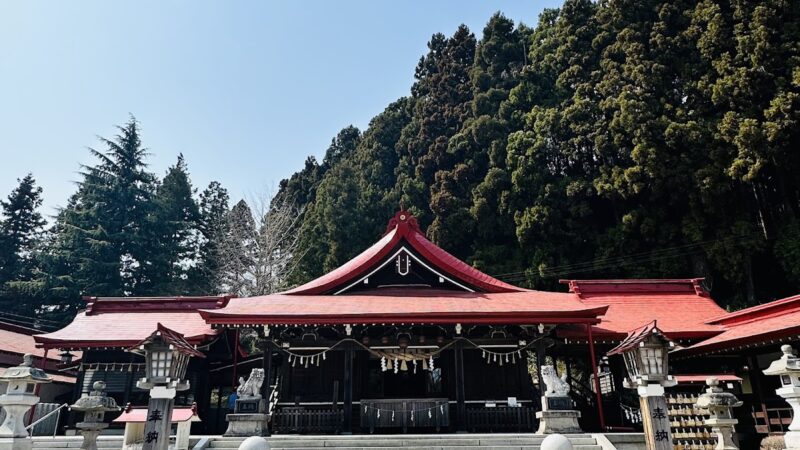
Senju-ji Temple, located in Kusaka-cho, Higashi-Osaka City, Osaka Prefecture, is a Shingon Buddhist temple of the Shingon Vairocana sect and is known as the 10th temple on the Kawachi Saigoku Pilgrimage. This ancient temple, situated in a tranquil environment at the foot of Mt. Ikoma, is said to have been founded by En no Gyōja during the Hakuhō period.
According to temple tradition, En no Gyōja, who was practicing asceticism in the Senju Cave of Mt. Kasagi, perceived the appearance of the Thousand-Armed Kannon in this place, guided by divine flames, and built a temple here, marking the beginning of the temple. Later, Kūkai, Kōbō Daishi, also visited the temple, and it was developed as a training ground for Shingon Esoteric Buddhism.
Legend of Ariwara no Narihira’s Restoration
A deep connection with Ariwara no Narihira, a poet of the Heian period, is another characteristic of Senju-ji Temple in Higashi-Osaka. It is said that Ariwara no Narihira retired to this area in his later years and dedicated himself to the restoration of Senju-ji Temple. A stone five-tiered pagoda, believed to be Narihira’s tomb, still stands on the temple grounds, evoking a sense of historical romance.
The connection between Narihira and Senju-ji Temple holds literary value, reminiscent of the *Tales of Ise*, making it a popular destination for researchers and literature enthusiasts.
Relationship with Ishikiri Tsurugi Shrine
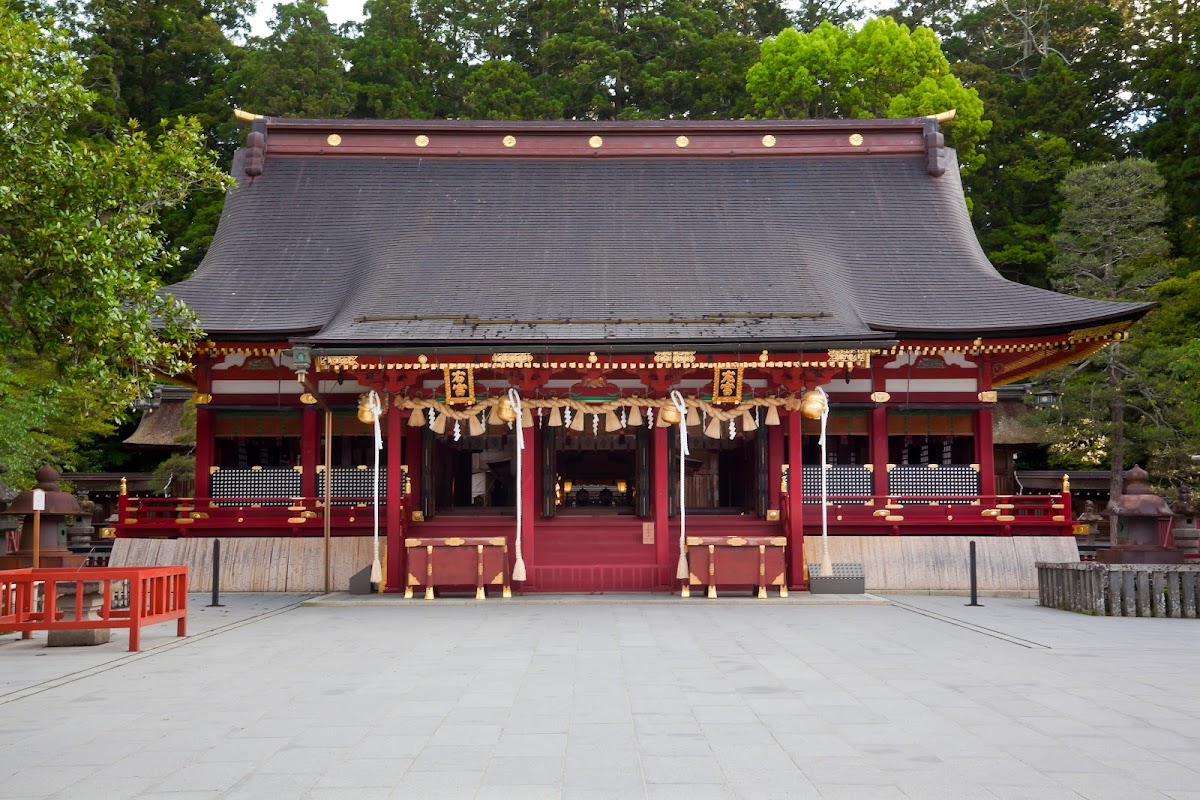
Senju-ji Temple in Higashi-Osaka is located near the approach to Ishikiri Tsurugi Shrine, affectionately known as “Ishikiri-san.” Many visitors combine their visit with a visit to the shrine, making it a valuable example of the history of Shinto-Buddhist syncretism.
Holding of the Narihira Market
In recent years, Senju-ji Temple in Higashi-Osaka has been holding the “Narihira Market” as a community revitalization initiative. This event, themed around Ariwara no Narihira, features the sale of handmade goods and workshops, creating a new space for interaction between local residents and the temple.
The market held on the temple grounds is attracting attention as a fascinating event that blends tradition and modernity, playing a role in conveying temple culture to younger generations.
Senju-ji Temple, Kameoka City, Kyoto Prefecture | Sacred Site of Tokonage-san Mountain
Origin and Scenery of Tokonage-san Mountain
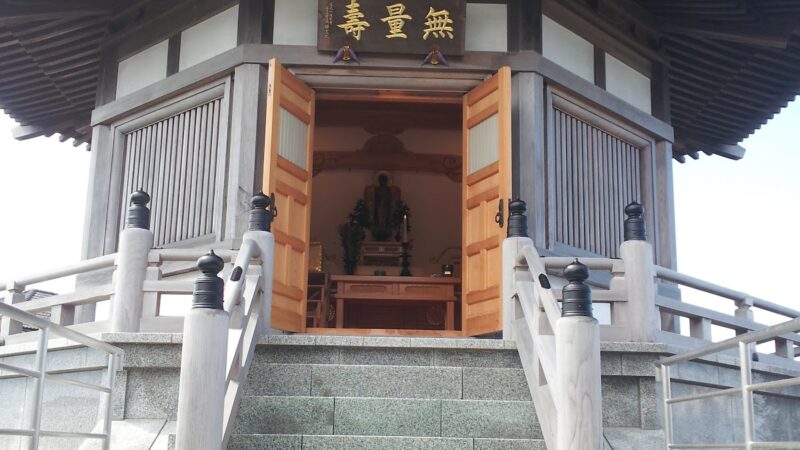
Senju-ji Temple, located in Hiedano-cho, Kameoka City, Kyoto Prefecture, is a Rinzai Zen temple of the Myoshin-ji school, known by its mountain name, “Tokonage-san.” This unique mountain name originates from a legend that when Kobo Daishi Kukai returned from Tang China, he threw a vajra, a ritual implement of esoteric Buddhism, and it landed on this mountain.
Located high on a mountain, it offers a spectacular view overlooking Kameoka City. Especially in the early morning, fog and sea of clouds often form, making it a popular spot for enjoying a fantastical landscape.
Worshipped as the Kannon of the Eyes
Senju-ji Temple in Kameoka has long been revered as the “Kannon of the Eyes.” The sacred water that springs forth on the temple grounds is believed to be effective against eye diseases, attracting many worshippers. This belief, linked to the Senju Kannon’s “thousand eyes” that see everything, has led to its reputation for healing eye ailments.
Seasonal Flowers and Natural Beauty
Dokkohozan Senju-ji Temple is also famous as a flower temple, where visitors can enjoy flowers throughout the four seasons. Cherry blossoms and wildflowers in spring, fresh greenery in early summer, and autumn leaves in fall adorn the temple grounds. Located in a lush, mountainous area, the chirping of wild birds and the refreshing air are also part of its charm.
Worshippers can find a place to “purify their hearts” and offer their prayers in a tranquil environment.
Access and Visiting Information
Located in an area accessible by the Sagano Scenic Railway’s trolley train, it is a popular tourist route. Since you will need to climb a mountain path, we recommend wearing comfortable shoes for your visit.
Senju-ji Temple in Okayama City | A Sacred Site of Kibi Province
Status of the Koyasan Shingon Sect
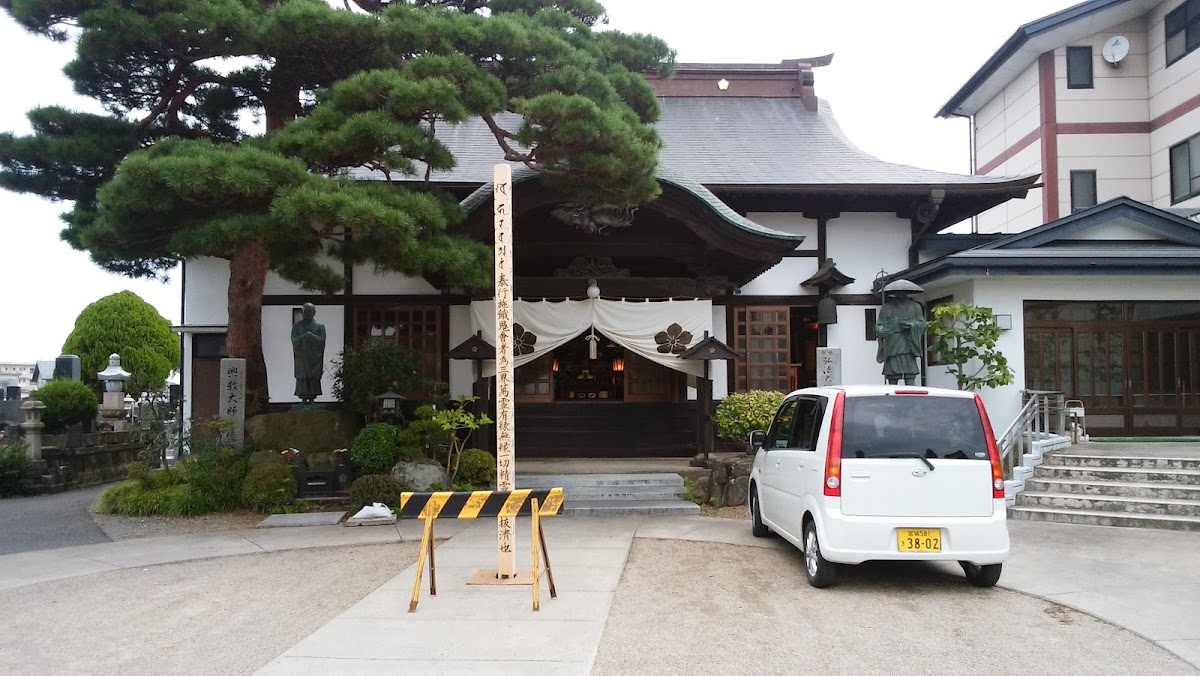
Senju-ji Temple, located in Kita-ku, Okayama City, Okayama Prefecture, is a temple of the Koyasan Shingon sect. Its mountain name is Henkōzan, and its temple name is Rengein. Its principal image is the Kibi Province Thousand-Armed Kannon, and it holds a high status as a former Omuro Honzan (main temple) direct branch temple.
It also serves as a branch shrine of the Onmyōdō (Yin-Yang Way) head family, the Tensha Tsuchimikado Shinto Headquarters, in Kibi Province, and is a temple that strongly reflects the history of syncretism of Shinto and Buddhism.
History and Culture of Kibi Province
Senju-ji Temple in Okayama is deeply connected to the history of the ancient Kibi Province. Kibi Province was an important region in ancient Japan and developed its own unique culture. Senju-ji Temple has served as a witness to that history and as a center of local faith.
Daily Life and Social Media Posting
Through its Instagram account (@senjyuji_temple_okayama), the temple shares daily life, events, and glimpses into the life of “Maro,” a cat living on the temple grounds. This modern approach to information dissemination has made the temple more accessible to younger generations.
Senjyuji Temple in Kyotamba Town | A Temple Associated with Minamoto no Yorimitsu
Characteristics of Tendai Sect Temples
Iwayama Senjyuji Temple, located in Kyotamba Town, Funai District, Kyoto Prefecture, is a Tendai sect temple. Its principal image is the Thousand-Armed Kannon, and it has long been a center of local faith.
The Legend of Minamoto no Yorimitsu and Shuten-doji
A legend remains that Minamoto no Yorimitsu, a military commander of the Heian period, prayed to the Thousand-Armed Kannon, the principal image of Senjyuji Temple, for victory when he was about to defeat Shuten-doji of Mt. Oe. The connection between Yorimitsu, known as a famous demon-slaying general, and the Thousand-Armed Kannon has been passed down as a faith for praying for military success.
Obon and Star Festival
At Senju-ji Temple in Kyotamba, traditional annual events such as the Obon festival and the Star Festival are still held. These events are still cherished and preserved as a spiritual pillar for the local residents.
The Benefits and Origin of Senju Kannon
The Meaning of Senju Kannon
Senju Kannon is formally called “Senju Sengan Kannon Bodhisattva” (Thousand-Armed, Thousand-Eyed Avalokiteśvara Bodhisattva). The thousand hands symbolize the compassionate hands that save all sentient beings, and the thousand eyes symbolize the all-seeing eyes of wisdom. In actual Buddhist statues, it is often depicted with 42 hands, including the central clasped hands. Each hand is believed to have the power to save 25 worlds, and 42 x 25 = 1050 represents the thousand hands.
Main Benefits
The benefits of the Thousand-Armed Kannon are wide-ranging:
- Healing from Illness: Especially for physical ailments such as eye diseases
- Protection from Evil and Misfortune: Protection from all kinds of calamities
- Family Safety: Peace and happiness for the family
- Business Prosperity: Success in business
- Finding a Good Relationship: Harmonious relationships
- Academic Success: Improvement of wisdom
With its thousand arms each holding a different ritual implement, it is believed to grant all kinds of wishes, and is therefore worshipped as the “All-Purpose Kannon.”
Access Information for Each Senju-ji Temple
Senju-ji Temple, Higashi-Osaka City
Address: Kusaka-cho, Higashi-Osaka City, Osaka Prefecture
Nearest Station: Approximately 15 minutes on foot from Ishikiri Station on the Kintetsu Nara Line
Access by Car: Approximately 10 minutes from Mizuhashi IC on the Daini-Hanna Expressway
Parking: Available (limited number of spaces)
The most common route is via the approach to Ishikiri Tsurugi Shrine. Since it is located on a slope at the foot of Mt. Ikoma, comfortable walking shoes are recommended.
Senju-ji Temple (Dokkoho-zan), Kameoka City, Kyoto Prefecture
Address: Hiedano-cho, Kameoka City, Kyoto Prefecture
Nearest Station: Approximately 20 minutes by taxi from Kameoka Station on the JR Sanin Main Line
Access by Car: Approximately 15 minutes from Kameoka IC on the Kyoto Jukan Expressway
Parking: Available
Since it is located on a mountaintop, access by car is convenient. A sightseeing route combining the Sagano Scenic Railway is also popular.
Okayama City – Senju-ji Temple
Address: Kita-ku, Okayama City, Okayama Prefecture
Nearest Station: Bus from JR Okayama Station
Parking: Available
For detailed access information, it is recommended to inquire with the temple in advance.
Kyotamba Town – Senju-ji Temple (Iwayama)
Address: Kyotamba-cho, Funai-gun, Kyoto Prefecture
Access by Car: Approximately 15 minutes from the Kyoto Jukan Expressway “Tanba IC”
Parking: Available
Public transportation access is limited, so visiting by car is convenient.
Manners and Precautions When Visiting a Temple
Basic Temple Visiting Etiquette
- Bow at the Temple Gate: Bow before entering the temple grounds.
- Purify at the Water Basin: Purify your left hand, then your right hand, then your mouth.
- Worship at the Main Hall: Quietly join your hands in prayer and pray with sincerity.
- Offering a Money Token: Offer your money with gratitude.
- Bow Upon Departure: Bow again at the temple gate when leaving.
Photography
Photography is generally permitted on the temple grounds, but photography inside the main hall or of Buddha statues may be prohibited. Always check the signs, and if unsure, inquire at the temple office.
Attire and Items to Bring
- Avoid revealing clothing and dress modestly when visiting temples.
- Comfortable walking shoes are essential when visiting temples in mountainous areas.
- Insect repellent is useful even in summer.
- Bring your goshuincho (stamp book) if you wish to receive a goshuin (temple stamp).
Annual Events and Special Viewings
Main Annual Events
The following annual events are held at each Senju-ji temple:
- First three days of the New Year: Hatsumode (first shrine visit of the year), Shusho-e (New Year’s ceremony)
- Setsubun: Setsubun-e (bean-throwing ceremony)
- Spring and Autumn Equinox: Higan-e (equinox ceremony)
- Obon: Bon memorial service, Segaki-e (feeding of hungry ghosts)
- Star Festival: Star memorial service (at some temples)
Special Viewings and Unveilings
The principal image, the Senju Kannon, is usually housed in a shrine, but it may be unveiled on specific days. The dates for the temple’s public viewing vary, so we recommend checking the official website or contacting the temple directly.
Tourist Spots Around Senju-ji Temple
Around Senju-ji Temple, Higashi-Osaka
- Ishikiri Tsurugi Shrine: A famous shrine affectionately known as “Ishikiri-san”
- Ikoma Sanjo Amusement Park: An amusement park accessible by cable car
- Hiraoka Shrine: An ancient shrine, the Ichinomiya (first-ranked shrine) of Kawachi Province
Around Senju-ji Temple, Kameoka
- Sagano Scenic Railway: A sightseeing train that allows you to enjoy the scenery along the Hozugawa River
- Hozugawa River Cruise: A traditional river cruise experience
- Kameoka Castle Ruins: Ruins of a castle associated with Akechi Mitsuhide
Around Senju-ji Temple, Okayama
- Okayama Castle: A famous castle known as the Crow Castle
- Korakuen Garden: One of Japan’s three most famous gardens
- Kibitsu Shrine: A shrine associated with the Momotaro legend
Goshuin (Shrine Seals) and Amulets
About Goshuin (Temple Seals)
At each Senju-ji temple, you can receive a Goshuin as proof of your visit. The Goshuin will have the temple name, the name of the principal deity, and the date of your visit written in ink, and then stamped with a red seal. Temples that are part of pilgrimage routes such as the Kawachi Saigoku Pilgrimage also offer special Goshuin notebooks.
Manners for Receiving a Goshuin (Temple Stamp):
- Receive it after your visit.
- Open your Goshuincho (stamp book) and hand it over.
- Prepare the offering (approximately 300-500 yen).
- Wait quietly and express your gratitude politely.
Amulets and Souvenirs
Amulets and souvenirs related to the blessings of Senju Kannon are available:
- Eye Disease Healing Amulet: An amulet for wishing for healthy eyes.
- Exorcism Amulet: An amulet for protection against misfortune.
- Health Amulet: For healing from illness and praying for good health.
- Senju Kannon Image: A small Buddha statue that can be carried as a personal Buddha.
Summary
Senju-ji temples, scattered throughout Japan, are valuable cultural heritage sites, each possessing its own unique history and charm. Each Senju-ji temple has its own unique characteristics: the Senju-ji in Higashi-Osaka is associated with the legends of En no Gyoja and Ariwara no Narihira; the Senju-ji in Kameoka, Kyoto, is known for the breathtaking scenery of Dokkoho-san and the worship of Kannon; the Senju-ji in Okayama is associated with the history of Kibi Province; and the Senju-ji in Kyotamba is associated with the legend of Minamoto no Yorimitsu.
The compassionate spirit of Senju Kannon, who “saves all sentient beings with a thousand hands,” continues to be a source of comfort for many people today. The time spent praying and purifying one’s heart in the tranquil temple grounds will be a precious experience, a welcome escape from the hustle and bustle of everyday life.
When planning your visit to each Senju-ji temple, please use this guide to understand the characteristics of each temple before you go, which will allow you to gain a deeper sense of awe and learning. Enjoy a journey to experience the beauty of nature in every season, the romance of history, and the compassion of Senju Kannon.