Complete Guide to Wake Shrine | A Power Spot in Okayama Prefecture Associated with Wake no Kiyomaro, the Guardian Deity of Leg and Back Health and Children
Wake Shrine, located in Wake-cho, Wake-gun, Okayama Prefecture, is a historic shrine built on the birthplace of Wake no Kiyomaro, a figure who left his mark on Japanese history. It enshrines Kiyomaro, who saved the country from crisis during the Usa Hachimangu Oracle Incident (Dokyo Incident), and attracts worshippers from all over Japan as the guardian deity of leg and back health and the protector of children. This article provides a detailed explanation of Wake Shrine’s history, enshrined deities, divine virtues, highlights of the grounds, seasonal scenery, and access methods.
What is Wake Shrine?
Wake Shrine is the birthplace of the Wake clan and the shrine of Wake no Kiyomaro. Formerly a prefectural shrine, it has long been revered as the tutelary deity of the Wake clan. Currently, it is revered by many people beyond the region as a guardian deity for healthy legs and hips, protection from evil, and children.
The Wake Clan and Wake no Kiyomaro
The Wake clan was a powerful family in ancient Japan, based in this region. Among them, Wake no Kiyomaro (733-799) is known as a loyal retainer who was active from the late Nara period to the early Heian period.
Kiyomaro played a crucial role in the Usa Hachimangu Oracle Incident (the Dokyo Incident). When the monk Dokyo attempted to seize the throne, Kiyomaro, at the command of Empress Shotoku, went to Usa Hachimangu Shrine to seek the divine will and returned with an oracle rejecting Dokyo’s ascension. This honest action thwarted Dokyo’s ambitions and protected the imperial lineage.
However, this act angered Dokyo, who forced Kiyomaro to change his name to Wakebe no Kitanamaro and exiled him to Osumi Province (present-day Kagoshima Prefecture). Legend says that during his exile, a herd of wild boars protected Kiyomaro, who injured his leg, and led him to a sacred spring where his wound healed.
Later, after Dokyo’s downfall, Kiyomaro was recalled to the capital and gained the trust of Emperor Kanmu, contributing significantly to the construction of Heian-kyo. He also left behind many achievements, including river improvement and agricultural development.
History and Origins of Wake Shrine
History of Founding and Relocation
The founding date of Wake Shrine is unknown, but in ancient times, it was the tutelary shrine of the Wake clan, enshrining their distant ancestor, Nudeshiwake no Mikoto, and was known as “Wake-no-Kami.” Takuishiwake-no-Mikoto is a legendary figure considered to be the founder of the Wake clan.
In 1591 (Tensho 19), the shrine, originally located several blocks downstream, was swept away by heavy rain and flooding, leading to its relocation to its current site. Since this relocation, it has been continuously revered as the tutelary deity of the Wake clan at its present location.
Changes in the Enshrined Deities
Initially, Takuishiwake-no-Mikoto was the principal deity, but later, Prince Otohiko, Wake no Kiyomaro, and Wake no Hiromushihime were added as enshrined deities. Furthermore, the Kunizukuri Shrine, which enshrined Kiyomaro’s great-great-grandfather Sawara-no-Mikoto, great-grandfather Kihazu-no-Mikoto, grandfather Sukuna-no-Mikoto, and father Omaro-no-Mikoto, was merged with this shrine, resulting in the current composition of enshrined deities.
Enshrined Deities and Divine Virtues
The following deities are enshrined at Wake Shrine:
Main Deities Enshrined
Nudeshiwake-no-Mikoto
The distant ancestor considered the founder of the Wake clan. He laid the foundation for the prosperity of the Wake family.
Otohiko-ō
One of the ancestral deities of the Wake clan.
Wake no Kiyomaro-kō
A loyal retainer who protected the imperial lineage in the Usa Hachimangu Oracle Incident. He left behind many achievements, including the construction of Heian-kyō and river improvement projects.
Wake no Hiromushi-hime
Kiyomaro-kō’s older sister. Known as a compassionate person who established Japan’s first orphanage. Records show that she raised as many as 83 orphans, and she is revered as a guardian deity of children.
Emperor Ōjin
An emperor worshipped as Hachiman-shin.
Six Ancestors of Kiyomaro
These are Kiyomaro’s direct ancestors, including Sawara-no-Mikoto, Kihazu-no-Mikoto, Sukuna-no-Mikoto, and Omaro-no-Mikoto.
Divine Virtues (Benefits)
The divine virtues of Wake Shrine are diverse.
Protection of Leg and Lower Back Health
Based on the legend that Kiyomaro was guided by a wild boar to a sacred spring where he healed his leg injury, the shrine is worshipped as a god that protects the legs and lower back. Many people visit to pray for the health and longevity of the elderly, and for strengthening the legs and lower back of athletes.
Protection from Misfortune and Good Fortune
Because Kiyomaro overcame numerous difficulties and achieved success, the shrine is believed to have the divine virtue of warding off misfortune and bringing good fortune.
Guardian Deity of Children (Safe Childbirth and Child-Rearing)
Due to the achievements of Hiromushi-hime, who established Japan’s first orphanage, there is a constant stream of worshippers praying for safe childbirth and the healthy growth of their children. Prayers for safe childbirth, especially on the Day of the Dog, are popular.
Traffic Safety Because a wild boar protected Kiyomaro’s journey, the shrine is also believed to offer divine protection for traffic safety.
Academic Achievement Due to Kiyomaro’s intelligence and achievements, he is also revered as a god of learning.
Protection of Architecture and Civil Engineering In honor of Kiyomaro, who contributed to the construction of Heian-kyo and river improvements, the shrine attracts worshippers from those involved in architecture and civil engineering.
Highlights of the Shrine Grounds
Rare Komainu (Guardian Boars) Nationwide
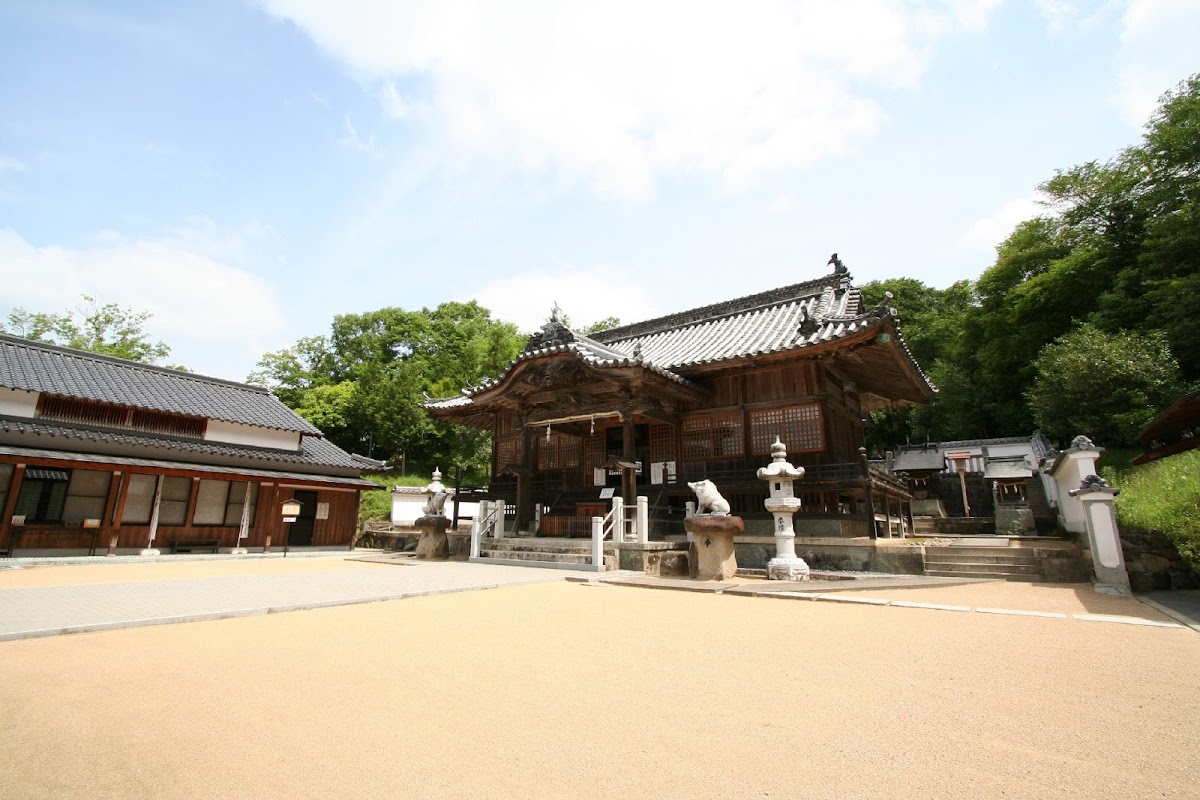
The most distinctive feature of Wake Shrine is the pair of guardian boars (komainu) that sit in front of the main hall. While most shrines have guardian dogs (komainu), Wake Shrine has guardian boars because the boar was Kiyomaro’s guardian animal.
These guardian boars originate from a legend that 300 boars guarded Lord Kiyomaro during his visit to Usa Shrine, and from a story that when he suffered from a leg ailment, the boars guided him to a sacred spring where his wounds healed. They are extremely rare nationwide and are a symbol of Wake Shrine, attracting many visitors who take photographs of them.
It is believed that stroking the boars’ feet and noses brings good health to the legs and lower back, and the surface has become smooth from the many visitors who touch them.
Shrine Buildings and Grounds Architecture
The shrine buildings, constructed after the relocation in 1591, possess a majestic presence that evokes a sense of history. The structure, consisting of the main hall, worship hall, and offering hall, conveys the beauty of traditional shrine architecture to this day.
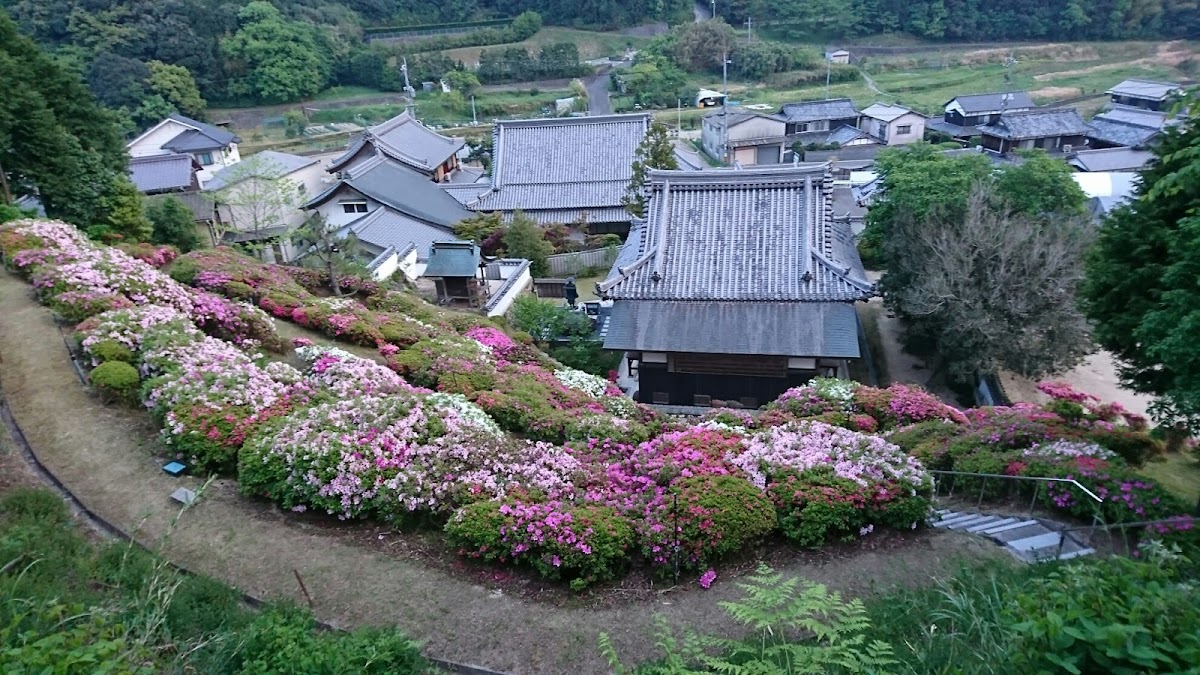
The grounds are meticulously clean and enveloped in a tranquil atmosphere. Walking along the approach, ancient trees stand side by side, displaying different expressions with each season.
Monument to the Birthplace of Wake no Kiyomaro
Within the shrine grounds stands a monument marking the birthplace of Wake no Kiyomaro. For history enthusiasts, visiting a place associated with Kiyomaro holds special significance.
Seasonal Highlights and Blooming Status
The grounds and surrounding area of Wake Shrine offer beautiful natural scenery throughout the seasons.
Spring Cherry Blossoms
From late March to mid-April, cherry blossoms bloom profusely throughout the shrine grounds and along the approach. Wake Town is known for its cherry blossoms, and the area around Wake Shrine is also adorned with beautiful cherry blossoms. While the blooming period varies from year to year, the best time to see them is usually early April.
Early Summer Greenery
From May to June, the trees on the shrine grounds are enveloped in vibrant new greenery. Visiting the shrine in this refreshing air is a truly invigorating experience for both mind and body.
Autumn Foliage
From mid-November to early December, the trees on the shrine grounds change color, turning red and yellow. Enjoying the autumn leaves in the quiet grounds is a special experience, and it’s a popular spot for photography.
Winter Serenity
During winter, there are fewer visitors, allowing you to experience a solemn atmosphere in the tranquil shrine grounds. The shrine becomes bustling with many visitors during the New Year’s pilgrimage season.
About Prayers
Wake Shrine accepts various prayers.
List of Main Prayers
- Prayer for Safe Childbirth: Prayers for safe childbirth on the Day of the Dog are particularly popular. Many pregnant women visit on the Day of the Dog in May.
- First Shrine Visit: Praying for the healthy growth of the baby
- Shichi-Go-San: Celebrating the growth of children and praying for their health and happiness
- Exorcism Prayer: Praying for protection from misfortune during the unlucky year
- Traffic Safety Prayer: Praying for blessings for cars and traffic safety
- Healthy Legs and Hips Prayer: A prayer unique to Wake Shrine
- Academic Success: Praying for passing exams and academic improvement
- Family Safety: Praying for the health and happiness of the family
If you wish to receive a prayer, we recommend contacting the shrine in advance. Reservations may be required.
Items Offered (Amulets and Goshuin Stamps)
Amulets
Wake Shrine offers various amulets corresponding to the divine blessings of the shrine.
- Healthy Legs and Hips Amulet: An amulet to protect the health of your legs and hips.
- Safe Childbirth Amulet: An amulet to pray for a safe childbirth.
- Child-Rearing Amulet: An amulet to pray for the healthy growth of your child.
- Traffic Safety Amulet: An amulet to pray for traffic safety.
- Exorcism Amulet: An amulet to ward off evil.
- Academic Success Amulet: An amulet to pray for academic success.
Amulets and talismans featuring wild boars are also popular.
Goshuin (Shrine Seal)
Wake Shrine offers Goshuin. Many people visit to collect them as a memento of their visit or as part of their shrine pilgrimage. Goshuin notebooks are also available for purchase.
Access and Visiting Information
Location
1385 Fujino, Wake-cho, Wake-gun, Okayama Prefecture 709-0442
Access by Train
From JR Sanyo Main Line “Wake Station”
- Approximately 5 minutes by taxi
- Approximately 20 minutes on foot
Wake Station is approximately 30 minutes from Okayama Station on the Sanyo Main Line.
Access by Car
From Sanyo Expressway “Wake IC”
- Approximately 5 minutes by car
From Okayama City
- Approximately 40 minutes via National Route 374
Parking
There is a free parking lot for visitors on the temple grounds. It can accommodate several dozen regular-sized cars. It may get crowded during New Year’s visits and festivals.
Visiting Hours
Visiting the temple grounds is generally free. However, prayers and amulet distribution at the shrine office have limited hours, so it is recommended to check in advance.
General Shrine Office Hours: 9:00 AM – 5:00 PM (approximate)
Admission Fee
Worship is free. A donation is required for prayers.
Nearby Tourist Attractions
When visiting Wake Shrine, you can also enjoy nearby tourist attractions.
Wake Ukaidani Onsen
A hot spring facility located about 10 minutes by car from Wake Shrine. Relaxing in the hot springs after praying for good health is highly recommended.
Wake Town Historical and Folk Museum
Exhibits related to Wake Kiyomaro and the Wake clan allow you to learn more about history.
Wisteria Park
Wake Town is also known for its wisteria, and the “Wisteria Festival” is held from late April to early May. The sight of approximately 100 varieties of wisteria in full bloom is breathtaking.
Annual Events and Festivals
Wake Shrine holds various festivals and events throughout the year. ### Main Annual Events
- January 1st: New Year’s Day Festival & First Shrine Visit of the Year
- February (Setsubun): Setsubun Festival
- May: Grand Festival (Spring Grand Festival)
- July: Summer Purification Ceremony
- October: Autumn Grand Festival
- November: Shichi-Go-San Festival
- December: Year-End Purification Ceremony
The Grand Festival features traditional events such as portable shrine processions and lion dances, attracting many local residents.
Inquiries
For prayer reservations and detailed information, please contact Wake Shrine directly.
Wake Shrine Office
- Address: 1385 Fujino, Wake-cho, Wake-gun, Okayama Prefecture 709-0442
- Phone: 0869-93-3910 (Main Inquiry Number)
For the latest information on flowering conditions and event schedules, please check the official website and social media (Instagram, etc.) before visiting.
Summary
Wake Shrine is a historic shrine dedicated to Wake no Kiyomaro, a figure who left his mark on Japanese history. Its attractions include the rare guardian boar statues, its divine blessings as a guardian deity of leg and back health and children, and its beautiful natural scenery throughout the seasons.
Wake no Kiyomaro’s spirit of loyalty and his sister Hiromushi-hime’s compassionate heart offer valuable lessons for us living in modern times. It is a shrine worth visiting for various purposes, including those praying for leg and back health, safe childbirth and child-rearing, those interested in history, and those visiting power spots. When you visit Okayama Prefecture, why not pay your respects at Wake Shrine and offer a quiet prayer while reflecting on the great achievements of Kiyomaro-ko? Touching the guardian boar statues in the shrine grounds, receiving blessings for healthy legs and backs, and enjoying the seasonal beauty of nature will surely be a memorable experience.