What is Kichijoin? A Complete Guide to Temples, Shrines, and Place Names Nationwide
The name “Kichijoin” is widely known as the name of numerous temples, shrines, and place names throughout Japan. Derived from the auspicious Buddhist word “Kichijo,” this name has fostered unique histories and beliefs in each region. This article provides a detailed explanation of the historical background, sectarian characteristics, and regional features of Kichijoin temples scattered throughout Japan.
Origin and Meaning of the Name Kichijoin
“Kichijo” is a Buddhist term meaning “auspiciousness,” “happiness,” and “prosperity.” It originates from the Sanskrit word “Śrī” and is deeply associated with the Buddhist goddess Kichijoten. Kichijoten has been worshipped since ancient times as a goddess who brings beauty, fertility, and happiness.
Therefore, temples bearing the name “Kichijoin” are often named with the wish for the prosperity and happiness of their founders and parishioners, which explains the existence of temples with the same name throughout Japan.
Kichijoin Tenmangu Shrine in Kyoto: Birthplace of Sugawara no Michizane
History and Origin
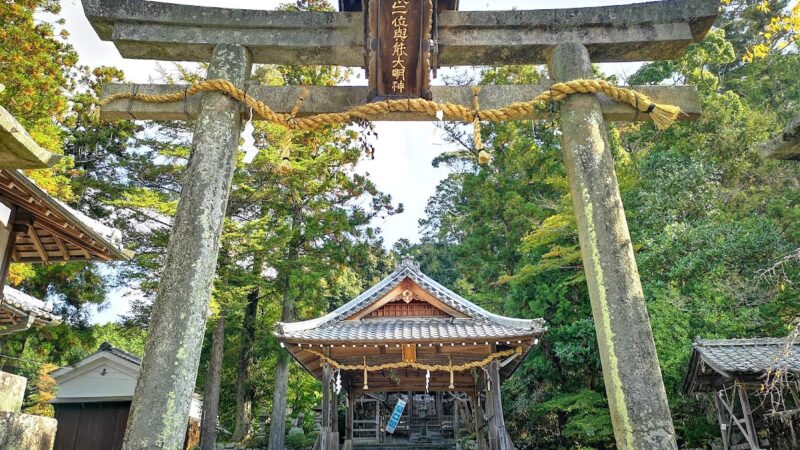
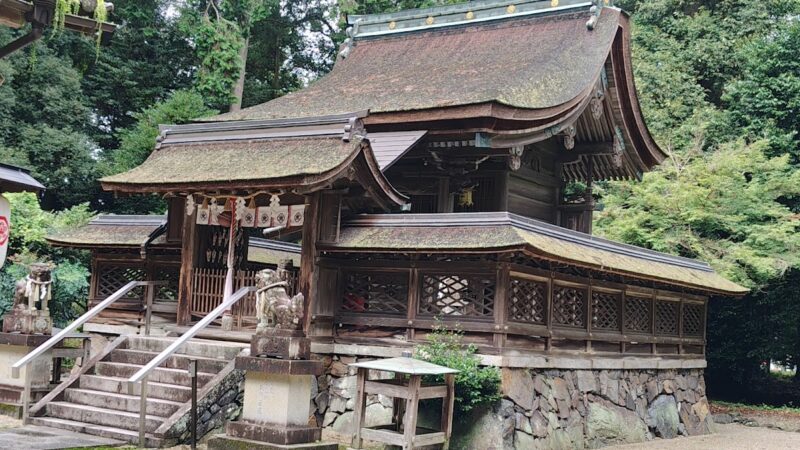
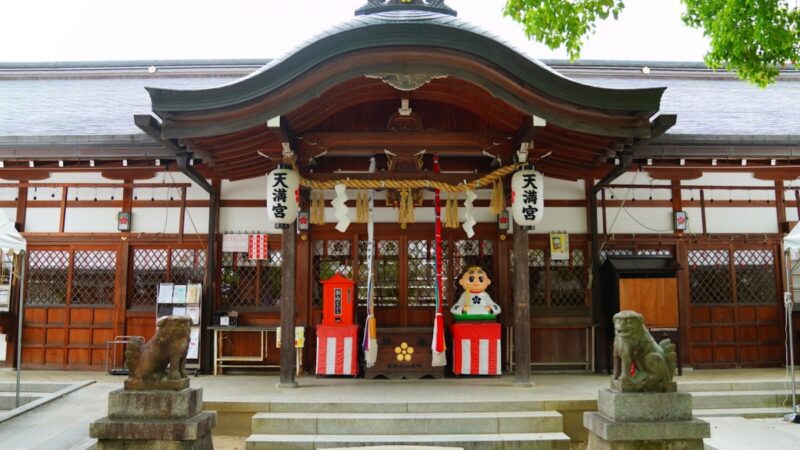
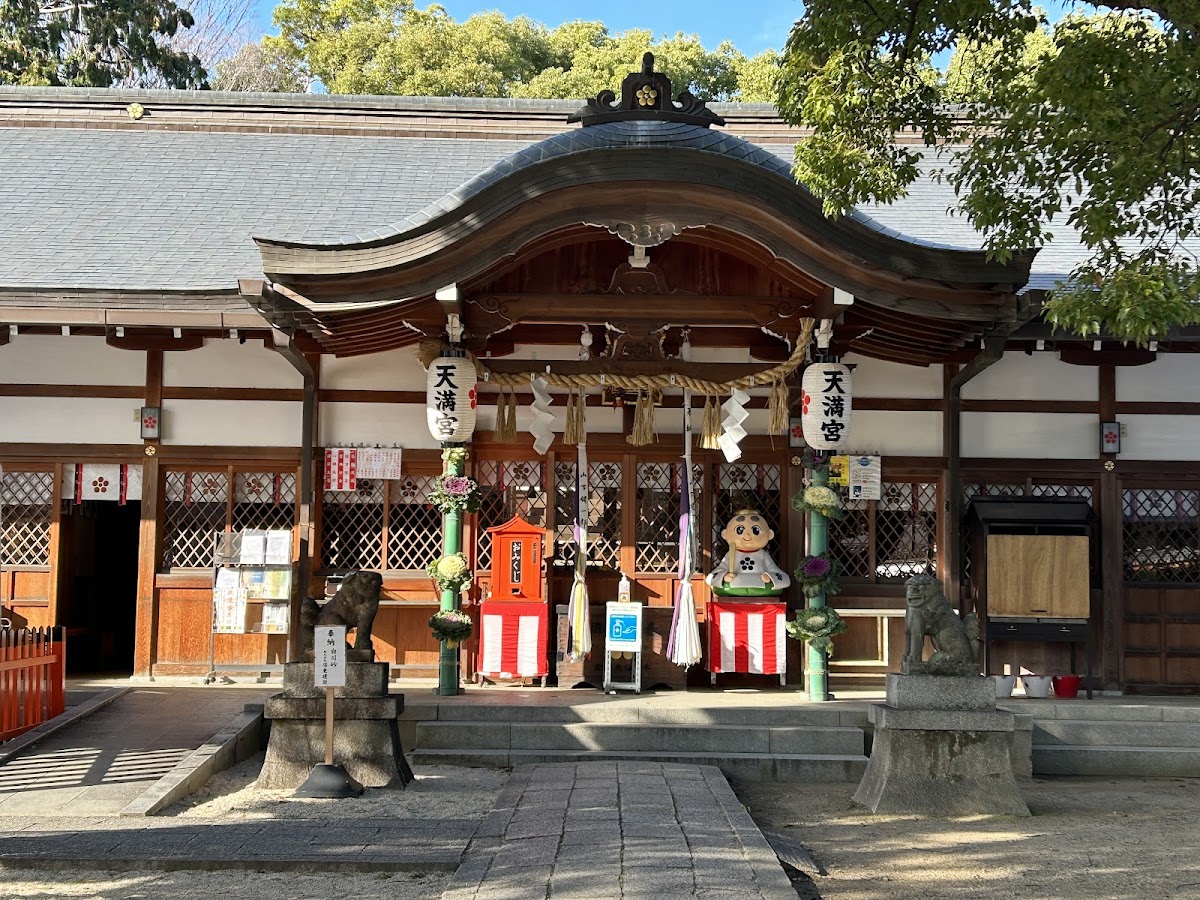
Kichijoin Tenmangu Shrine, located in Kichijoin Mandokoro-cho, Minami-ku, Kyoto City, is considered one of the oldest Tenmangu shrines in Japan. It is believed to have been founded in 934 AD, and some theories suggest it predates Kitano Tenmangu Shrine.
The origins of the shrine date back to when Sugawara no Michizane’s great-grandfather, Haji no Furuhito, entered Kyoto with Emperor Kanmu during the relocation of the capital to Heian-kyo and established a residence in this area. His grandfather, Sugawara no Kiyokimi, changed his surname to Sugawara, and it is said that when Kiyokimi was traveling to Tang China as an envoy, he encountered a storm but escaped harm thanks to the miraculous power of Kichijoten (Lakshmi).
In gratitude for this divine intervention, the Sugawara family built Kichijoin Temple, dedicated to Kichijoten, within their residence and established it as their family temple. This is the reason why this place is considered the birthplace of Sugawara no Michizane (however, there are other theories regarding his birthplace).
Deity and Worship
The main deity is Sugawara no Michizane, who is widely worshipped as the god of learning. Within the temple grounds, there remains a well believed to be where Michizane’s first bath was drawn, and he is affectionately known as “Kichijoin’s Tenjin-san” by the locals.
Annual Events
Every year, traditional events such as the Plum Blossom Festival and the Tenjin Festival are held, attracting many worshippers. Especially during exam season, there is a constant stream of students and their parents praying for academic success.
Kichijoin Temple in Hokkaido (Sapporo City)
Overview
Kichijoin Temple, located in Sapporo City, Hokkaido, is a temple of the Shingon-shu Chizan sect. It is a popular pilgrimage site for pilgrims, serving as the 71st temple of the Hokkaido Eighty-Eight Sacred Sites and the 32nd temple of the Hokkaido Thirty-Six Fudo Myoo Sacred Sites.
Role as a Sacred Site
As an important base for pilgrimages in Hokkaido, it is included in the Hokkaido version of the pilgrimage modeled after the Shikoku Eighty-Eight Sacred Sites in Honshu. With Fudo Myoo as its principal deity, it attracts local faith as a place for warding off evil and praying for good fortune.
Kichijoin Temples in the Tohoku Region
Kichijoin (Yamagata City)
Located in Yamagata City, Yamagata Prefecture, Kichijoin is a Tendai sect temple. The Tendai sect is a major branch of Japanese Buddhism founded by Saicho, with Enryaku-ji Temple on Mount Hiei as its head temple. Kichijoin in Yamagata has also inherited this tradition and functioned as a center of local faith.
Kichijoin Temples in the Kanto Region
There are many Kichijoin temples, particularly in the Kanto region, and most of them belong to the Shingon sect. ### Kichijoin Temples in Ibaraki Prefecture
Kichijoin (Ishioka City)
This is a Shingon-shu Buzan-ha temple located in Ishioka City, Ibaraki Prefecture. The Shingon-shu Buzan-ha is a sect with Hase-dera Temple (Sakurai City, Nara Prefecture) as its head temple, and has many branch temples in the Kanto region.
Kichijoin (Sakai-machi, Sarushima-gun)
Also located in Sakai-machi, Sarushima-gun, Ibaraki Prefecture, this is a Shingon-shu Buzan-ha temple with a long history as a local parishioner’s temple.
Kichijoin Temples in Saitama Prefecture
There are several Kichijoin temples in Saitama Prefecture, each belonging to a different sect.
Kichijoin (Kita-ku, Saitama City)
This is a Shingon-shu Chizan-ha temple. The Chizan-ha has Chishaku-in Temple in Kyoto as its head temple and has a wide network of followers throughout the Kanto region.
Kichijoin (Minami-ku, Saitama City)
This is a Shingon-shu Buzan-ha temple. An interesting feature is that even within Saitama City, the Buddhist sects differ.
Kichijoin (Kawaguchi City)
As a temple of the Shingon Chizan sect, it supports the Buddhist culture of Kawaguchi City.
Kichijoin (Kuki City)
Also belonging to the Shingon Chizan sect, it serves as a center of faith for local residents.
Kichijoin in Shikoku (Tokushima Prefecture)
A Sacred Site Associated with Kobo Daishi
Kichijoin, located in Tokushima Prefecture, is situated along the pilgrimage route from the 12th temple, Shōzanji, to the 13th temple, Dainichiji, of the Shikoku 88 Temple Pilgrimage. It is also known as a place of training for the monk Chōgen and attracts worshippers as a place of prayer for good fortune and prosperity, enshrining Benzaiten.
Benzaiten Worship
A distinctive feature of Kichijoin is that it enshrines Benzaiten, who is believed to have miraculous powers. Benzaiten is one of the Seven Lucky Gods and is widely worshipped as a goddess possessing the virtues of music, eloquence, wealth, and wisdom. Due to its location along the Shikoku Pilgrimage route, it is a popular stop for pilgrims.
Kichijoin Temple (Kurayoshi City, Tottori Prefecture) in the Chugoku Region
A Temple Associated with Zen Master Sen’ei, the Teacher of Ii Naosuke
Kichijoin Temple, located in Nishi-Iwakura-cho, Kurayoshi City, Tottori Prefecture, is a Soto Zen Buddhist temple. Its most distinctive feature is its historical background: it was the temple where Zen Master Sen’ei, the teacher of Ii Naosuke (the 15th lord of the Hikone Domain and lord of Hikone Castle who served as a Grand Elder in the Edo Shogunate during the late Edo period), served as the head priest.
Fusion of Contemporary Art and Buddhism
Kichijoin Temple houses a large Nirvana painting created by Fuyumori Nagamoto, a contemporary artist and the 11th head of the Kobayashiya inn in Kinosaki Onsen. While a traditional Buddhist temple, its innovative approach of integrating with contemporary art is attracting attention.
Kichijoin Temple in the Tokai Region (Mie Prefecture)
Located in Hikimotoura, Kaiyama-cho, Mie Prefecture, Kichijoin Temple is a Soto Zen temple also known as Shishiiwayama. Its principal image is Shakyamuni Buddha. The main hall was destroyed by fire in 1902 (Meiji 35), and the monks’ quarters were used as a temporary main hall for a long time, but a new one was built in 1981 (Showa 56).
As a temple that tells the story of the region’s history, its records are preserved in the “Zoku Fudoki” (a historical and geographical record).
Kichijoin Temples of the Shigisan Mountain Range
Branch Temple of Shigisan Daihonzan Senjuin Temple
There is also a relatively new Kichijoin Temple, which opened in September 2010. Founded as a branch temple of Shigisan Daihonzan Senjuin Temple, this temple enshrines Bishamonten (Vaisravana) as its principal image.
Bishamonten Faith
Bishamonten is a deity possessing the power to “protect the teachings of Buddha (Dharma Guardian)” and “bless people with blessings (Blessing of Fortune).” “Bishamon” means “a wise person who hears everything without missing a thing,” and “Tenno” refers to “a god residing in the heavens,” that is, a guardian deity.
When the head priest of Senjuin Temple, the head temple of Shigisan, visited this area, he perceived a seven-colored light drifting over purple clouds, and recognizing it as an auspicious place, he founded this temple as a center for Buddhist exchange.
Kichijoin as a Place Name
Kichijoin, Minami-ku, Kyoto City
Kichijoin is used not only as a temple/shrine name but also as a place name. The most famous example is the Kichijoin district in Minami-ku, Kyoto City. Several town names, such as Kichijoin Masadokoro-cho and Kichijoin Kujo-cho, bear the name “Kichijoin.”
This place name originates from the aforementioned Kichijoin Tenmangu Shrine and the residence of the Sugawara family. Even today, it is a developed residential area, and public facilities such as Kichijoin Hospital (operated by the Kyoto Health Association) and Kichijoin Park are located here.
Kichijoin Park
Located in Minami Ward, Kyoto City, Kichijoin Park is a community recreation area equipped with sports facilities. Opening hours vary seasonally: 6:00 AM to 6:00 PM from April to May, and 6:00 AM to 7:00 PM from June to August. It is used as a place for promoting the health of local residents and fostering community building.
Kichijoin Hospital
Kichijoin Hospital, located at 43 Inokuchi-cho, Kichijoin, Minami Ward, Kyoto City, is a core medical institution operated by the Kyoto Health Association. This demonstrates the deep roots of the place name Kichijoin in modern life.
The Relationship Between Shingon Buddhism and Kichijoin Temples
A survey of Kichijoin temples throughout Japan reveals that many belong to the Shingon sect (particularly the Chizan and Buzan branches). This is due to the affinity between Shingon doctrine and the concept of “Kichijo” (auspiciousness).
Characteristics of Shingon Buddhism
Shingon Buddhism is a sect of esoteric Buddhism founded by Kukai (Kobo Daishi), and it preaches Sokushin Jobutsu (becoming a Buddha while still alive). Shingon Buddhism emphasizes worldly benefits, and prayers for healing from illness, family safety, and business prosperity through incantations and prayers have been widely practiced.
The word “Kichijo,” meaning happiness and prosperity, aligns with Shingon Buddhism’s emphasis on worldly benefits, which is likely why many Shingon temples adopted the name “Kichijoin.”
Differences between the Chizan and Buzan Schools
The Chizan school of Shingon Buddhism has Chishaku-in Temple in Kyoto as its head temple, while the Buzan school of Shingon Buddhism has Hase-dera Temple in Sakurai City, Nara Prefecture as its head temple. Both belong to the Shingi Shingon school and branched off from the Kogi Shingon school in the Middle Ages. They have many branch temples in the Kanto region and have supported local faith.
Soto Zen and Kichijoin Temples
Following the Shingon school, there are also several Kichijoin temples belonging to the Soto Zen school. Examples include the Kichijoin temples in Kurayoshi City, Tottori Prefecture and Mie Prefecture.
Characteristics of the Soto Zen School
The Soto Zen school is a branch of Zen Buddhism founded by Dogen, and emphasizes “shikantaza,” that is, single-minded devotion to seated meditation. Its two main head temples are Eihei-ji Temple in Fukui Prefecture and Soji-ji Temple in Yokohama City.
The adoption of the name “Kichijoin” (吉祥院) in Soto Zen temples is thought to be based on the idea that the state of enlightenment attained through Zen practice is true auspiciousness (happiness).
Kichijoin of the Tendai Sect
Kichijoin in Yamagata City belongs to the Tendai sect. The Tendai sect, founded by Saicho, is a sect that can be considered a comprehensive university of Japanese Buddhism, and its fundamental scripture is the Lotus Sutra.
The Tendai sect preaches the “One Vehicle” doctrine, which states that all people possess Buddha-nature and that everyone can become a Buddha. It is believed that this idea of equality is linked to the universal concept of happiness known as “Kichijo.”
Points to Note When Visiting Kichijoin
Visiting Etiquette
When visiting Kichijoin, please observe general temple and shrine visiting etiquette. Bow at the main gate or torii gate, and purify your hands and mouth at the water basin. At the main hall or worship hall, quietly join your hands in prayer and offer your prayers with sincerity.
Pilgrimage for Goshuin (Temple Stamps)
At Kichijoin temples, which are designated as sacred sites, you can receive Goshuin stamps. Many people visit these temples as part of their pilgrimage, including those along the Hokkaido 88 Temple Pilgrimage and the Shikoku Pilgrimage Route. Bring your Goshuincho (stamp book) and respectfully request a stamp.
Participation in Annual Events
Various events are held throughout the year at each Kichijoin temple. By participating in events such as the Plum Blossom Festival and Tenjin Festival at Kichijoin Tenmangu Shrine, and the Setsubun Festival and Higan Festival at each temple, you can experience faith and culture more deeply.
The Role of Kichijoin in Modern Times
Center of the Local Community
Many Kichijoin temples serve as the spiritual pillars of their local communities as family temples. They function not only as centers for funerals and memorial services, but also as centers for local festivals and cultural events.
Protection of Cultural Properties
Historical Kichijoin temples house valuable cultural properties such as Buddhist statues, Buddhist paintings, and ancient documents. Their protection and preservation play a crucial role in preserving Japan’s cultural heritage. ### A Place of Spiritual Support
In modern society, temples serve as a place of solace for people seeking peace of mind. They offer opportunities for spiritual fulfillment through activities such as Zen meditation sessions, sutra copying sessions, and Dharma talks.
The Future of Kichijoin Temple
The Succession Problem and Solutions
Kichijoin Temple is no exception to the problem of a shortage of successors, a problem faced by temples nationwide. However, some branches of Kichijoin are making efforts to increase contact with younger generations through new initiatives such as integrating with contemporary art and holding local events.
Adapting to Digitalization
In the information society, disseminating information using websites and social media is becoming increasingly important. New forms of faith, such as online memorial services and streaming events, are being explored.
Utilization as a Tourism Resource
Kichijoin Temple, with its historical value, is also attracting attention as a tourism resource. It contributes to tourism promotion as a hub for conveying the history and culture of the region.
Summary
The name “Kichijoin” exists in various forms throughout Japan, each fostering its own unique history and beliefs. From shrines associated with Sugawara no Michizane, such as Kyoto’s Kichijoin Tenmangu, to temples of various sects including Shingon, Soto, and Tendai, and as place names, the name “Kichijoin” conveys the hopes of people for happiness and prosperity.
Visiting Kichijoin temples across Japan allows one to learn about the diversity of Japanese Buddhist culture and the unique characteristics of local beliefs. Furthermore, even in modern times, Kichijoin temples continue to play an important role as centers of local communities, protectors of cultural properties, and spiritual havens.
The wish for “Kichijoin” embodied in the name Kichijoin continues to resonate in people’s hearts across generations.