Tamonji Temple Complete Guide | History, Benefits, and Access Information for Tamonji Temples Nationwide
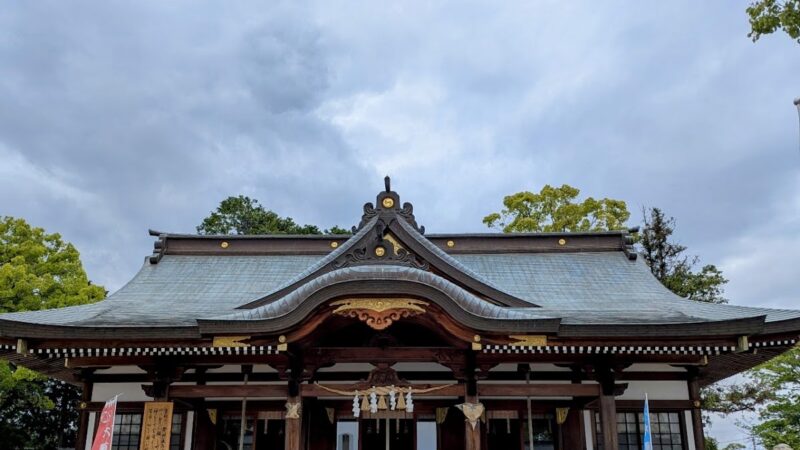
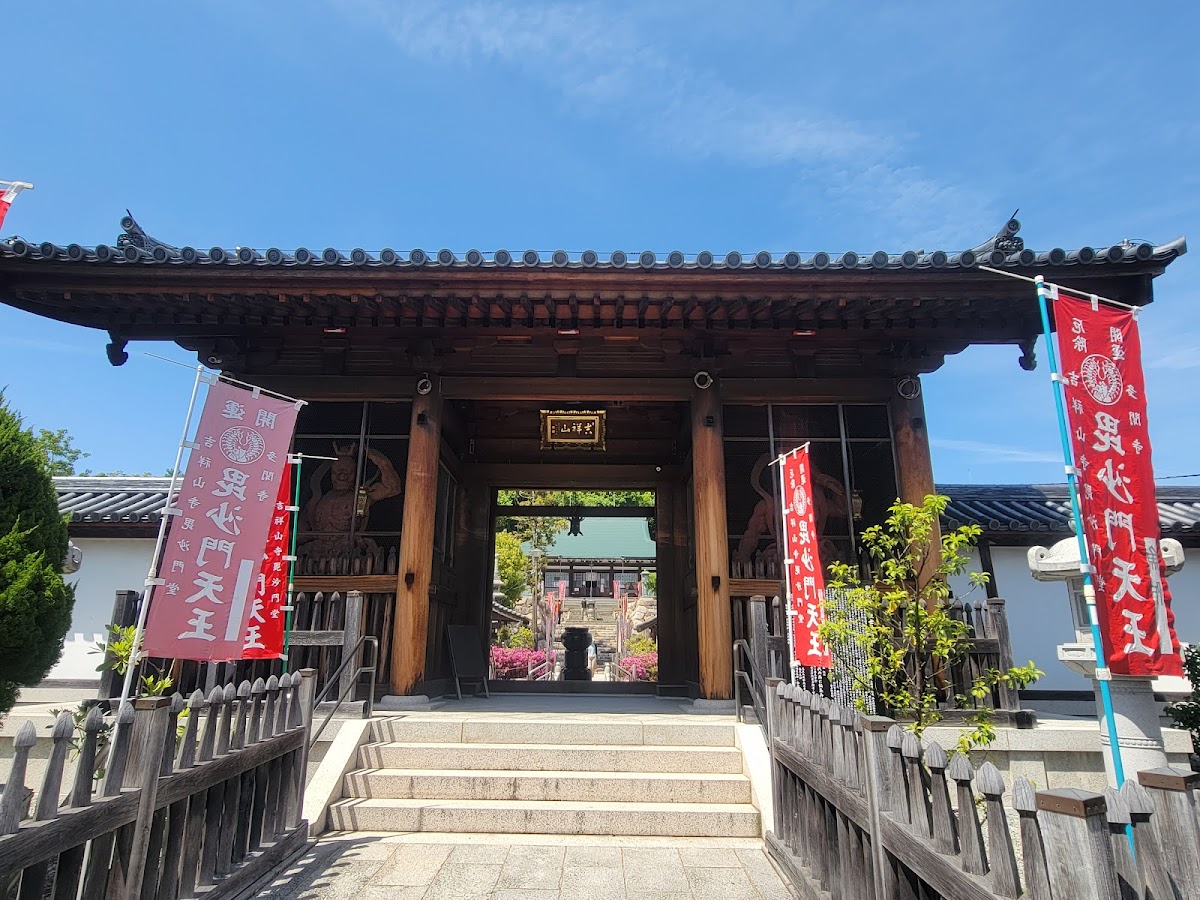
There are several temples named “Tamonji” throughout Japan. The name Tamonji originates from the fact that these temples enshrine Bishamonten (Tamonten), one of the Four Heavenly Kings, as their principal deity or a related image. This article provides detailed information on the history, characteristics, benefits, and access methods of major Tamonji temples throughout Japan.
What is Tamonji? | Origin of the Temple Name and Bishamonten Worship
The name Tamonji originates from Bishamonten, a benevolent deity who protects the Dharma in Buddhism. Bishamonten, also known as “Tamonten,” is a warrior god who guards the north as one of the Four Heavenly Kings. The name “Tamon” means to listen to much of the Buddhist teachings and to widely hear the wishes of all sentient beings.
Bishamonten is worshipped as the god of wealth and good fortune, and is believed to bring blessings such as business prosperity, family safety, and protection from evil and good luck. Therefore, temples that enshrine Bishamonten as their principal deity often adopt the name “Tamonji,” and there are many temples with the same name scattered throughout Japan.
Tamonji Temple in Sumida Ward | The Sumida River Seven Lucky Gods and the nickname “Tanuki Temple”
History and Background
Tamonji Temple, located in Sumida, Sumida Ward, Tokyo, is an ancient temple belonging to the Chizan branch of the Shingon sect. It is said to have been founded during the Tentoku era (957-961), and was originally located near the present-day Sumida River Shrine. Initially, it was called “Daikyozan Myooin Sumida-dera,” and its principal deity was Fudō Myōō.
During the Edo period, it was moved to its current location, and Bishamonten became its principal deity. During the Bunka era (1804-1818), it was counted as one of the Sumida River Seven Lucky Gods and became a popular destination for many worshippers. Having escaped damage from the Great Kanto Earthquake and World War II, it is known as one of the few precious temples in Sumida Ward that retains its former appearance.
Origin of “Tanuki Temple”
Tamonji Temple in Sumida Ward is also affectionately known as “Tanuki Temple.” This name originates from legends surrounding tanuki (raccoon dogs). During the Edo period, many tanuki inhabited this area, and numerous stories remain of tanuki tricking people around the temple. These folk tales became intertwined with the temple’s history, and the name “Tanuki Temple” became established.
Sumida River Seven Lucky Gods Pilgrimage
Tamonji Temple in Sumida Ward enshrines Bishamonten, one of the Sumida River Seven Lucky Gods. The Sumida River Seven Lucky Gods Pilgrimage is a traditional pilgrimage route that has continued since the Edo period, and many worshippers visit during the New Year. The Seven Lucky Gods pilgrimage is believed to bring good fortune and prosperity in business, and remains a popular custom today as a way to receive blessings at the start of the year.
Access Information
- Location: 5-31-13 Sumida, Sumida-ku, Tokyo
- Nearest Station: Approximately 10 minutes on foot from Higashi-Mukojima Station on the Tobu Skytree Line
- Visiting Hours: Grounds are freely accessible (Please check for main hall visits)
- Parking: Due to limited space, the use of public transportation is recommended.
Tamonji Temple (Jissoji Temple) in Tarumi-ku, Kobe City
An ancient Tendai sect temple founded in the early Heian period
Jissoji Temple, located in Tarumi-ku, Kobe City, is a Tendai sect temple also known as “Tamonji Temple.” This ancient temple, said to have been founded in the early Heian period, boasts a long history. While inheriting the rigorous training and scholarship traditions unique to the Tendai sect, it has been cherished as a place of faith for the local people.
Important Cultural Properties and a Temple of Flowers
Jissoji Temple (Tamonji Temple) houses the Standing Statues of Nikko and Gekko Bodhisattvas and the Seated Statue of Amida Buddha, both designated as Important Cultural Properties of Japan. These Buddhist statues are highly regarded as outstanding examples of Buddhist sculpture from the Heian to Kamakura periods and are valuable cultural assets from an art historical perspective.
Jissoji Temple is also known as a “Temple of Flowers.” Especially in early May, the irises in the temple grounds are in full bloom, their beautiful purple flowers delighting visitors. The vast grounds are filled with flowers throughout the seasons, creating a peaceful space for worship amidst a rich natural environment.
Access Information
- Location: 2241 Myodani-cho, Tarumi-ku, Kobe City, Hyogo Prefecture
- Nearest Station: By bus from Myodani Station on the Kobe Municipal Subway, or approximately 30 minutes on foot
- Visiting Hours: 9:00 AM – 5:00 PM (may vary depending on the season)
- Admission Fee: Free entry to the grounds (please check for cultural property viewing fees)
- Parking: Available
Tamonji Temple in Tsurugi-cho, Tokushima Prefecture | Esoteric Buddhist Temple on Manijuzan Mountain
A Sacred Site of the Omuro School of Shingon Buddhism
Tamonji Temple, located in Tsurugi-cho, Mima-gun, Tokushima Prefecture, is an Esoteric Buddhist temple belonging to the Omuro School of Shingon Buddhism. Its mountain name is Manijuzan, and it boasts a long history dating back to the Heian period. The principal deity is Bishamonten, also known as “Tamonten,” and this revered deity is worshipped as a compassionate Buddha who grants many wishes.
A Training Ground for Esoteric Buddhism
Tamonji Temple, a Shingon Buddhist temple, preserves the practices of Esoteric Buddhism. Goma rituals and various prayers are performed, and a constant stream of worshippers visit to pray for protection from misfortune, recovery from illness, family safety, and business prosperity. Located in a tranquil mountain setting, the temple grounds provide an ideal environment for spiritual practice and meditation.
Access Information
- Location: Umaide, Sadamitsu, Tsurugi-cho, Mima-gun, Tokushima Prefecture
- Nearest Station: Walking or taxi ride from JR Tokushima Line “Sadamitsu Station”
- Visiting Hours: Grounds are freely accessible (prior contact recommended for main hall visits)
- Parking: Available
Tamonji Temple in Sado | Nyoizan Hojuin Temple
Sacred Site on Sado Island
Tamonji Temple, located in Sado City, Niigata Prefecture, is a Shingon Buddhist temple with the mountain name Nyoizan and the temple name Hojuin. It has a history of attracting the faith of the islanders in the unique geographical environment of Sado Island. In Sado, surrounded by the sea, many prayers related to fishing, such as maritime safety and abundant catches, have been offered.
Annual Events and Prayers
Tamonji Temple in Sado holds various Buddhist services and prayers throughout the year. Many worshippers visit the temple, especially during the New Year’s first shrine visit, the spring equinox memorial service, and the Obon festival’s Segaki memorial service. The temple also accepts individual requests for prayers and memorial services, serving as a spiritual haven for local residents.
Access Information
- Location: Sado City, Niigata Prefecture (See official website for details)
- Access: After using the Sado Kisen ferry, use island transportation or rental car
- Visiting Hours: Grounds are freely accessible (reservations required for prayers)
Tamonji Temple, Kamogawa City, Chiba Prefecture | A Nichiren Buddhist Temple with Ocean Views
“Where there is the sea, where there are people, where the heart is born”
Tamonji Temple, located in Kamogawa City, Chiba Prefecture, is a Nichiren Buddhist temple with the mountain name Kogyokuzan. Based on the concept of “Where there is the sea, where there are people, where the heart is born,” the temple operates by taking advantage of its location overlooking the vast Pacific Ocean.
We aim to provide a calming experience while gazing at the sea, cherishing encounters with people, and offering a soul-cleansing experience. Our distinctive feature is our respect for traditional Buddhist teachings while maintaining a modern sensibility.
Modern Temple Activities
Tamonji Temple in Kamogawa City offers a variety of activities that meet modern needs, in addition to traditional memorial services and rituals. We provide opportunities to become familiar with Buddhism through activities such as Zen meditation sessions, sutra copying sessions, and Dharma talks. Furthermore, we welcome visitors seeking spiritual healing, taking advantage of our temple grounds overlooking the sea.
Access Information
- Location: Kamogawa City, Chiba Prefecture (See official website for details)
- Nearest Station: Taxi or bus from JR Sotobo Line “Awa-Kamogawa Station”
- Visiting Hours: Grounds are freely accessible (Please check for various activities)
- Parking: Available
Tamonji Temple in Utazu Town, Kagawa Prefecture | A Place Associated with Lord Hosokawa Yoriyuki
A Shingon Buddhist Temple Founded in the Muromachi Period
Tamonji Temple, located in Utazu Town, Ayauta District, Kagawa Prefecture, is a Shingon Buddhist temple founded in the Muromachi period. Along with the adjacent Entsuji Temple, it is said to be the site of the residence of Lord Hosokawa Yoriyuki, who served as a shogunal deputy in the Muromachi shogunate, and is located in a historically important place.
Japanese evergreen oak planted by Lord Hosokawa Yoriyuki
Within the temple grounds, there is an ancient Japanese evergreen oak tree said to have been planted by Lord Hosokawa Yoriyuki. This tree, hundreds of years old, is carefully preserved as a valuable cultural asset that conveys the history from the Muromachi period. It’s a must-see spot for history buffs and tree lovers.
Access Information
- Location: Utazu-cho, Ayauta-gun, Kagawa Prefecture (See town tourism website for details)
- Nearest Station: Within walking distance from JR Yosan Line “Utazu Station”
- Visiting Hours: Grounds are freely accessible
- Parking: Use nearby public parking lots
Tamonji Temple, Higashikurume City, Tokyo | Musashino Thirty-Three Kannon Pilgrimage Sites
Ancient Temple near Minamisawa Springs
Tamonji Temple, located in Higashikurume City, Tokyo, is a temple facing the walking path along the Ochiai River leading to the Minamisawa Springs. It is counted as one of the Musashino Thirty-Three Kannon Pilgrimage Sites and also enshrines Bishamonten as one of the Higashikurume Seven Lucky Gods.
Located in a lush natural environment, surrounded by spring water and greenery, the quiet temple grounds offer a peaceful space despite its urban location. Many visitors stop by during their strolls, and it is a temple beloved by local residents.
Access Information
- Location: Minamisawa, Higashikurume City, Tokyo
- Nearest Station: Approximately 12 minutes on foot from the West Exit of Higashikurume Station on the Seibu Ikebukuro Line
- Visiting Hours: Grounds are freely accessible
- Parking: Limited space
Benefits and Faith of Visiting Tamonji Temple
Benefits of Bishamonten
Bishamonten, enshrined as the principal image or important deity in many Tamonji temples, is believed to offer the following benefits:
- Wealth and Good Fortune: Business prosperity, increased wealth
- Protection from Misfortune and Good Luck: Protection from disaster, good fortune and prosperity
- Luck in Competition: Prayer for victory, prayer for certain success
- Family Safety: Health and peace for the family
- Recovery from Illness: Recovery of health, good health and freedom from illness
Connection to the Seven Lucky Gods Belief
Bishamonten, as one of the Seven Lucky Gods, holds an important position in Japan’s unique belief in gods of fortune. Many temples, such as Tamonji Temple in Sumida Ward and Higashikurume City, are pilgrimage sites for the local Seven Lucky Gods, and are especially crowded with worshippers during the New Year.
Annual Events at Tamonji Temple
While Tamonji Temple’s annual events vary depending on the sect and region, the following are generally held:
Main Annual Events
- First three days of the New Year: First shrine visit of the year, New Year’s prayers
- Setsubun: Setsubun festival, bean-throwing
- Spring Equinox: Equinox memorial service, ancestral memorial service
- Flower Festival (April 8th): Buddha’s birthday celebration
- Obon Festival: Segaki memorial service, Obon memorial service
- Autumn Equinox: Equinox memorial service
- Bishamonten Festival: Day for special prayers to Bishamonten
Each temple holds unique events, so it is recommended to check their official website or call before visiting.
Etiquette and Manners for Visiting Tamonji Temple
Basic Visiting Etiquette
- Bow at the Temple Gate: Bow before entering the temple grounds.
- Purify at the Water Basin: Purify your left hand, right hand, and mouth in that order.
- Visit the Main Hall: Place your offering in the offering box and bow with clasped hands.
- Walk Quietly Around the Temple Grounds: Be considerate of other visitors.
- Bow When Leaving the Temple Gate: Turn around and bow again when leaving the temple grounds.
Photography Manners
- Photography inside the main hall and of Buddha statues is generally prohibited.
- Even in areas where photography is permitted, remember to be considerate of other visitors.
- Commercial photography requires prior permission.
- When posting on social media, be considerate of the dignity of the temple.
Combining Access to Tamonji Temple and Sightseeing
Sightseeing Around Tamonji Temple in Sumida Ward
- Tokyo Skytree: The world’s tallest freestanding radio tower
- Sumida River Seven Lucky Gods Pilgrimage: Visit the other six temples and shrines
- Mukojima Hyakkaen: An Edo period flower garden
- Sumida Hokusai Museum: Exhibits works by Katsushika Hokusai
Sightseeing around Tamonji Temple in Tarumi Ward, Kobe City
- Suma Coast: Beautiful coastline
- Sumaura Park: Famous cherry blossom viewing spot
- Kobe Municipal Suma Seaside Aquarium: An aquarium that the whole family can enjoy
Sightseeing around Tamonji Temple in Tsurugi Town, Tokushima Prefecture
- Mt. Tsurugi: The second highest peak in Shikoku
- Iya Kazurabashi Bridge: One of Japan’s three most unusual bridges
- Oboke and Koboke Gorge: Enjoy the beauty of the gorge
Sightseeing around Tamonji Temple in Kamogawa City, Chiba Prefecture
- Kamogawa Sea World: Interact with marine life
- Oyama Senmaida: Beautiful terraced rice fields
- Niemonjima: An island in the Pacific Ocean
Goshuin (temple stamp) and gifts at Tamonji Temple
About Goshuin
Many Tamonji temples offer goshuin. Goshuin are important as proof of your visit and as a way to forge a connection with the temple. When receiving a goshuin, please note the following:
- Receive the goshuin after completing your prayers
- Prepare a goshuincho (notebook or blank paper is not acceptable)
- Prepare the goshuin fee (usually 300-500 yen)
- Request using polite language
- Wait quietly while the goshuin is being written
Gifts and Amulets
Tamonji temples often offer amulets and gifts related to Bishamonten (Vaisravana).
- Victory Charm: A charm for improving luck in competitions
- Financial Luck Charm: A charm for improving financial luck
- Exorcism Charm: A charm for warding off evil
- Traffic Safety Charm: A charm for praying for traffic safety
- Amulet: An amulet to be placed on the household shrine
Summary | Visiting Tamonji Temples Across Japan
Tamonji temples, scattered throughout Japan, each possess their own unique history and characteristics, yet are united by their shared faith in Bishamonten (Tamonten). From the “Tanuki Temple” in Sumida Ward, to the flower temple in Kobe, the esoteric Buddhist training hall in Tokushima, the sacred site on Sado Island, the temple overlooking the sea in Kamogawa, the temple associated with Lord Hosokawa Yoriyuki in Utazu, and the spring water village temple in Higashikurume, each is a unique temple reflecting the history and culture of its region.
By visiting Tamonji temples, you can receive the powerful protection of Bishamonten and experience the history, culture, and nature of various regions of Japan. As part of a pilgrimage to the Seven Lucky Gods or other sacred sites, or simply as a quiet journey of the heart, why not visit a nearby Tamonji Temple?
When visiting, please check the opening hours and event schedules of each temple in advance, and by observing proper etiquette and praying with a calm heart, you will be able to forge a deeper connection with Buddhism. May the blessings of Bishamonten be upon you all.