About Kashihara Shrine
Kashihara Shrine is a Shinto shrine located in Kashihara City, Nara Prefecture. It enshrines Emperor Jimmu, the first emperor of Japan, and his empress, Himetataraisuzuhime-no-Mikoto. It was founded in 1890 by imperial decree of Emperor Meiji.
According to the *Nihon Shoki* (Chronicles of Japan), it was built on the site of the Kashihara Palace where Emperor Jimmu ascended the throne, and is revered as a sacred site of Japan’s founding. Within its vast grounds of approximately 500,000 square meters, a solemn space unfolds, harmoniously blending deep forests and historical buildings.
Points to Note During Your Visit
Main Hall and Worship Hall
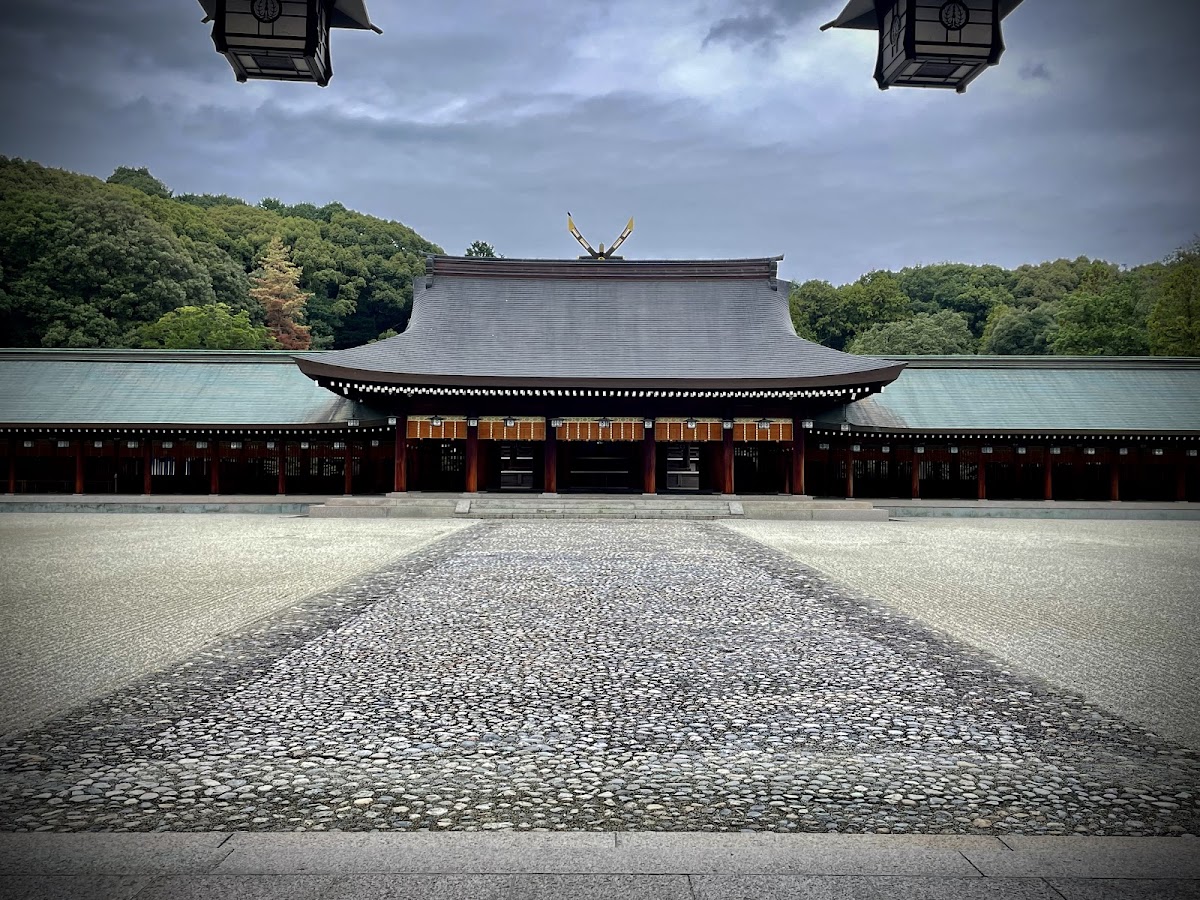
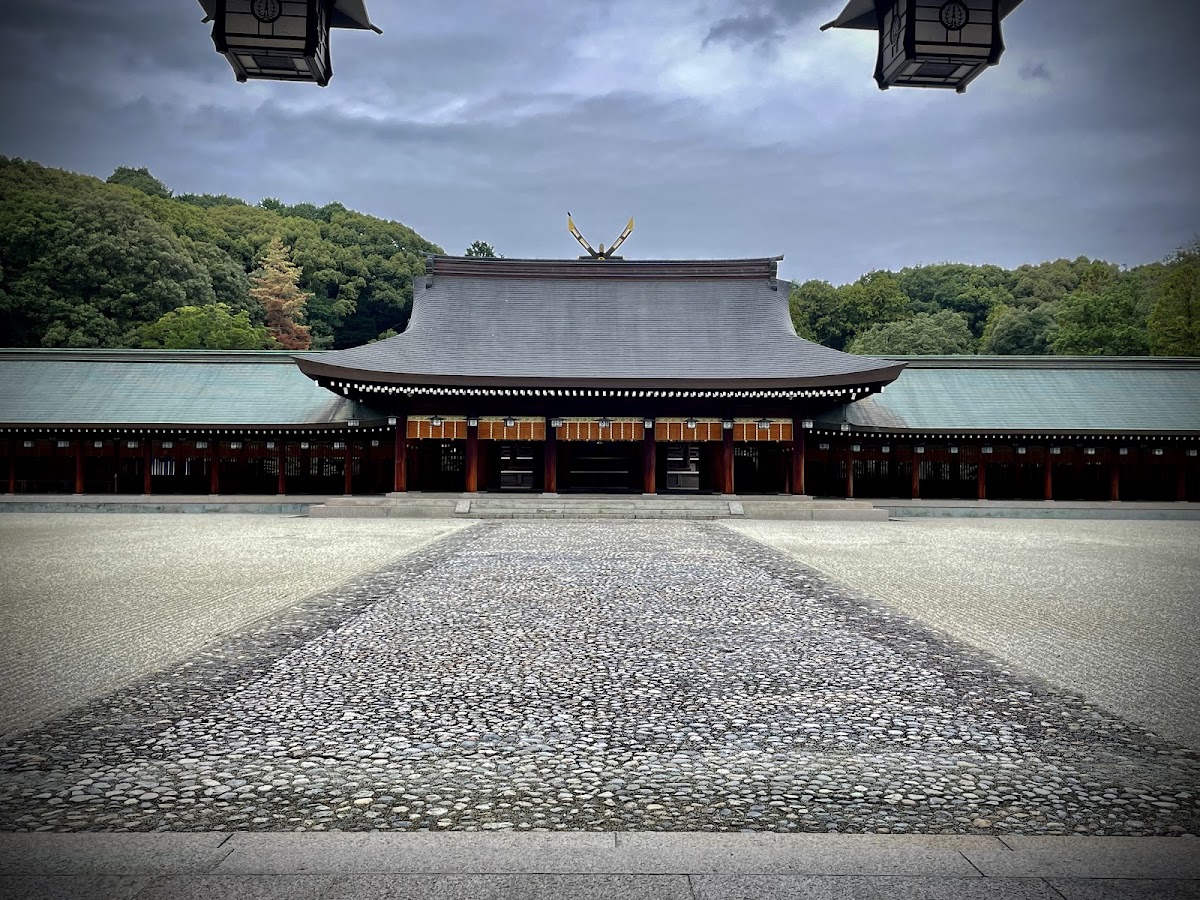
The main hall is a relocated building from the Kashikodokoro (Imperial Sanctuary) of the Kyoto Imperial Palace, and is characterized by its dignified architectural style. The cypress bark roof and vermilion-painted pillars are beautiful, and the shrine is designated as a National Important Cultural Property. When visiting, first pray at the outer sanctuary using the proper etiquette of two bows, two claps, and one bow.
Fukada Pond and Nagayama Inari Shrine
Fukada Pond, located on the south side of the shrine grounds, is a scenic spot where visitors can enjoy the beauty of each season. In spring, cherry blossoms; in early summer, fresh greenery; and in autumn, colorful leaves are reflected on the water’s surface, soothing the hearts of visitors. Nagayama Inari Shrine is located on the shore of the pond, attracting visitors praying for business prosperity and a bountiful harvest.
Emperor Jimmu’s Mausoleum (Emperor Jimmu’s Mausoleum)
Located approximately 1 km north of Kashihara Shrine, the Unebiyama-no-Ushitora-no-Sumi Mausoleum is believed to be the mausoleum of Emperor Jimmu. In this tranquil space managed by the Imperial Household Agency, worship is conducted from the outer worship hall. If you have time, it is recommended to visit it along with the Ise Grand Shrine.
Benefits and Goshuin (Shrine Seals)
Main Benefits
Kashihara Shrine is said to offer the following benefits:
- Good Fortune and Prosperity: As the birthplace of Japan, it is ideal for prayers for new beginnings and business startups.
- Prayers for Victory: In connection with Emperor Jimmu’s eastern expedition, it is a place for prayers for success in competitions and passing exams.
- Family Safety and National Peace: As it enshrines the ancestral deities of the Imperial Family, it is a place to pray for the peace of family and the nation.
- Matchmaking: As it enshrines Emperor Jimmu and the Empress, it is also a place for prayers for successful relationships.
Goshuin and Gifts
Goshuin can be obtained at the office near the main hall. In addition to the regular goshuin, limited edition goshuin may be given on special days such as New Year’s Day and the Kigensai Festival (February 11th). There is a wide variety of amulets and votive tablets available, with “Good Fortune Amulets” and “Victory Amulets” being particularly popular.
Access Information
Access by Train
- Approximately 10 minutes on foot from Kashihara-jingumae Station on the Kintetsu Kashihara Line (nearest station)
- Approximately 10 minutes on foot from Kashihara-jingumae Station on the Kintetsu Minami-Osaka Line
- Approximately 40 minutes by limited express train from Osaka Abenobashi Station, approximately 50 minutes by limited express train from Kyoto Station
From the station to the shrine is a gentle uphill walk along the main approach, lined with souvenir shops and restaurants.
Access by Car
- Approximately 30 minutes from the Koriyama IC on the Nishi-Meihan Expressway via National Route 24
- Approximately 15 minutes from the Katsuragi IC on the Minami-Hanna Expressway
- Free parking available (capacity of approximately 800 cars)
Temporary parking lots are opened during busy periods such as the first three days of the New Year and the Kigensai festival, but the use of public transportation is recommended.
Visiting Hours and Admission Fees
- Visiting Hours: From sunrise to sunset (varies depending on the season)
- Admission Fee: Free
- Treasure Hall: Adults 300 yen, Students 200 yen, Children 100 yen (separate fees apply during special exhibitions)
Annual Events
Various festivals are held at Kashihara Shrine throughout the year.
- Kigensai (February 11th): The most important festival held on National Foundation Day
- Spring Grand Festival (April 3rd): A festival held on the anniversary of Emperor Jimmu’s death
- Reisai (October): A festival to give thanks for the autumn harvest
Especially during Kigensai, many worshippers from all over the country visit, and the shrine grounds are enveloped in a solemn atmosphere.
Nearby Tourist Spots
Nearby Kashihara Shrine, there are numerous historical sites from the Asuka period.
- Kashihara City Fujiwara-kyo Historical Museum: A facility where you can learn about the history of Fujiwara-kyo (15-minute walk)
- Imai-cho: An important traditional building preservation district where the townscape of the Edo period remains (20-minute walk)
- Asuka-dera Temple and Ishibutai Kofun: Numerous ancient historical sites are located in the Asuka area, about a 15-minute drive away.
Starting from Kashihara Shrine, you can enjoy a journey through the ancient history of Nara.