Complete Guide to Daihoji Temple: A Thorough Explanation from the National Treasure Three-Storied Pagoda to Famous Temples Across Japan
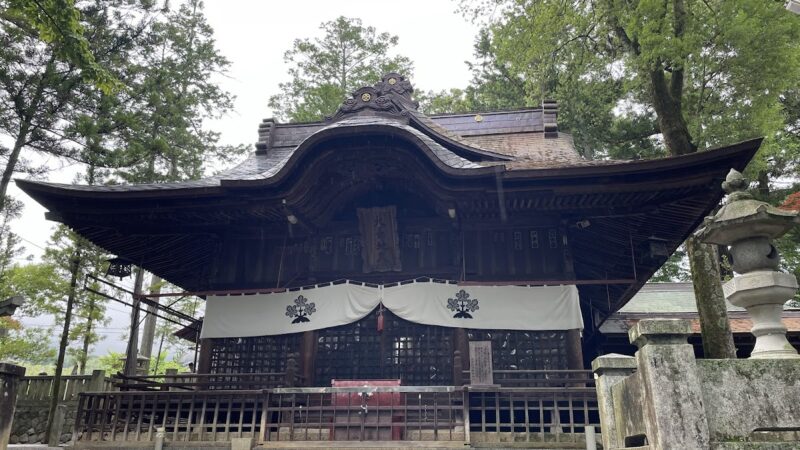
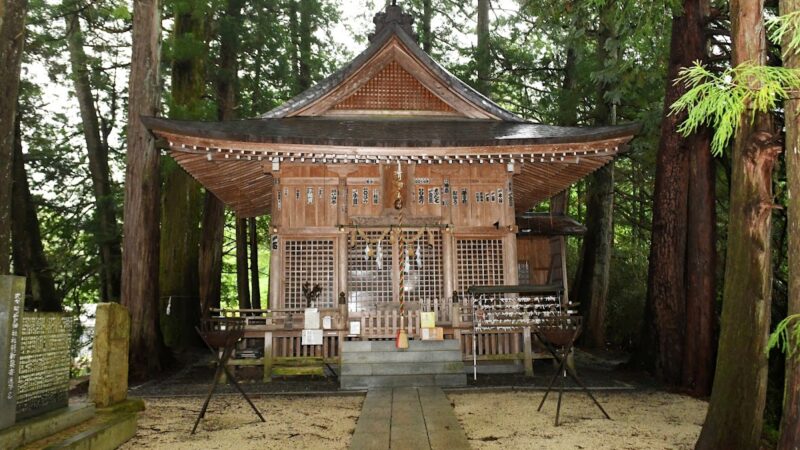
There are several temples named Daihoji throughout Japan, each with its own unique history and cultural assets. This article focuses on Daihoji Temple in Nagano Prefecture, known for its National Treasure three-storied pagoda, but also provides detailed explanations of Daihoji temples in Tokyo, Aichi, Toyama, and other locations, covering their history, cultural assets, locations, and transportation access.
Table of Contents
- Daihoji Temple, Aoki Village, Nagano Prefecture (National Treasure Three-Storied Pagoda)
- Daihoji Temple, Edogawa Ward, Tokyo
- Daihozenji Temple, Musashino City, Tokyo
- Daihoji Temple, Nagoya City, Aichi Prefecture
- Daihoji Temple, Toyama City, Toyama Prefecture
- Daihoji Temple, Aisai City, Aichi Prefecture
- Comparison and Characteristics of Each Daihoji Temple
- Frequently Asked Questions
Daihoji Temple, Aoki Village, Nagano Prefecture (National Treasure Three-Storied Pagoda)
History
Daihoji Temple, located in Aoki Village, Chiisagata District, Nagano Prefecture, is a Tendai sect temple with the mountain name Ichijozan. It is said to have been founded during the Taiho era (701-704) and is known as one of the oldest temples in Shinshu (Nagano Prefecture). Its founder is said to be Jōe, the son of Fujiwara no Kamatari, and it boasts a history of over 1300 years.
Daihoji Temple was established as a post temple for the ancient Higashiyama-do Urano Station. A post temple was a temple attached to a post station established along an official road under the Ritsuryo system, functioning as a center of faith for travelers and a place of prayer for the local community. Therefore, it had long-standing ties with Nara and Kyoto, and developed as a temple strongly influenced by central culture.
The principal image is Shakyamuni Buddha, and it is a place of worship visited by many. Throughout its history, the temple has endured several fires and wars, yet has continued to protect its valuable cultural assets.
National Treasure “Mikaeri no Tou” (The Tower of Looking Back) Three-Storied Pagoda
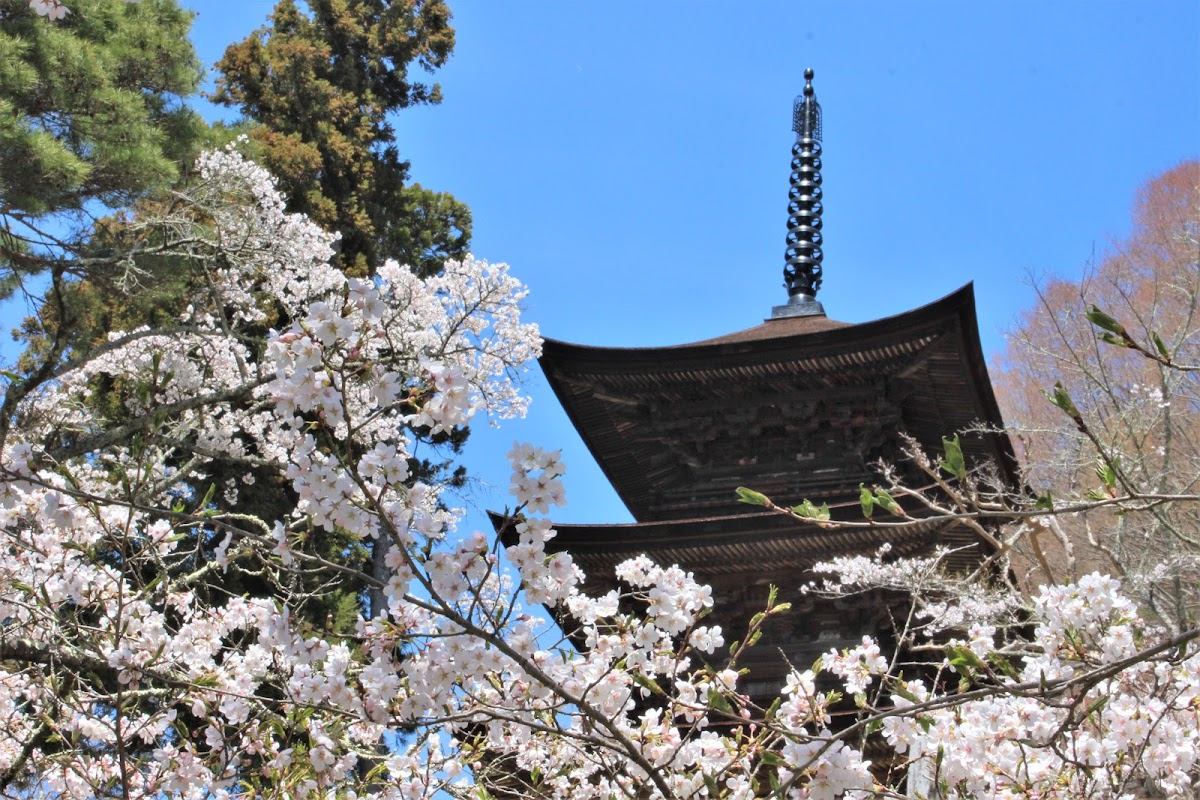
The main reason Daihoji Temple is known nationwide is the existence of its three-storied pagoda, designated as a National Treasure. This pagoda is affectionately known as the “Mikaeri no Tou” (The Tower of Looking Back), and it is said that its name comes from the fact that its beauty is so striking that people can’t help but turn around to admire it.
The three-storied pagoda is believed to have been built in the mid-Muromachi period, and is characterized by its elegant form, a blend of Japanese and Zen Buddhist architectural styles. The pagoda, harmoniously integrated with its surrounding natural environment, displays different expressions throughout the seasons, attracting many photography enthusiasts, especially during cherry blossom and autumn foliage seasons.
The pagoda is approximately 18 meters tall, with the curves of each roof maintaining a delicate balance. A characteristic of its architectural style is the appropriate tapering rate from the first to the third story, resulting in a form that combines stability with a sense of lightness.
Designated a National Treasure in 1952 (Showa 27), it holds an important position among the National Treasure buildings in Nagano Prefecture. The Emperor (then Crown Prince Naruhito) also visited the temple, making it a temple with deep ties to the Imperial Family.
Cultural Properties
In addition to the three-story pagoda, Daihoji Temple preserves numerous other cultural properties.
Important Cultural Properties:
- Kannon Hall: A valuable temple building preserving the architectural style of the Muromachi period.
- Buddhist Statues: Buddhist statues from the Heian to Kamakura periods.
Nagano Prefecture Treasures:
- Main Hall
- Ancient Documents
- Temple Bell
Aoki Village Natural Monuments:
- Giant Trees on the Temple Grounds: Large cedar and zelkova trees over several hundred years old.
These cultural properties hold high academic value as important materials demonstrating the fusion of central and local cultures.
Location and Access
Location:
2052 Tōgō, Aoki-mura, Chiisagata-gun, Nagano Prefecture 386-1601
Access:
By Train/Bus:
- Approximately 30 minutes by Chikuma Bus “Aoki Line” from JR Ueda Station, get off at “Tōgō” bus stop, then approximately 15 minutes on foot.
- Approximately 20 minutes by taxi from Shinano Railway Tanaka Station.
By Car:
- Approximately 25 minutes from Joshinetsu Expressway “Ueda Sugadaira IC”
- Approximately 20 minutes from Joshinetsu Expressway “Tōbu Yunokawa IC”
- Parking: Free parking available (approximately 30 regular cars)
Visiting Hours: 9:00 AM – 4:00 PM (may vary depending on the season)
Admission Fee: Adults 300 yen, Elementary and Junior High School Students 150 yen
Nearby Information
There are many other sights to see in and around Aoki-mura besides Daihōji Temple.
- Tazawa Onsen: A historic hot spring resort within walking distance.
- Aoki Village Historical and Cultural Museum: A facility where you can learn about the village’s history.
- Maeyama-ji Temple Three-Storied Pagoda (National Treasure): Approximately 15 minutes by car, a temple with a three-storied pagoda, also a National Treasure.
- Bessho Onsen: Approximately 30 minutes by car, the oldest hot spring resort in Shinshu.
Daihoji Temple, Edogawa Ward, Tokyo
History
Daihoji Temple, located in Hirai, Edogawa Ward, Tokyo, is a Nichiren Buddhist temple. Its mountain name is Hoju-san, and its former head temple was Honjo Hoen-ji Temple, belonging to the Konishi Hoen lineage.
The most distinctive feature of this temple is the “Kofuseki” (Kofu Stone), which is said to have been carved by Nichiren himself. The Kofuseki attracted fervent faith from common people during the Edo period as a protector against smallpox. During the Edo period, smallpox was a terrifying, life-threatening disease, and records show that people from all over Japan visited the temple to pray for its prevention and cure.
Edo period documents indicate that pilgrimages to Daihoji Temple were popular, and it was particularly revered as a place to protect children from smallpox. Even today, this faith continues, albeit in a modified form.
Location and Access
Location:
Hirai, Edogawa-ku, Tokyo
Access:
- Approximately 10 minutes on foot from Hirai Station on the JR Sobu Line
- Approximately 15 minutes on foot from Higashi-Ojima Station on the Toei Shinjuku Line
Cultural Properties and Features
The Kofu-ishi stone is still enshrined in the main hall, and visitors can offer prayers there. It is also highly valued for its historical significance as a document conveying the popular faith of the Edo period.
The temple grounds contain the Daimoku-ishi stone, characteristic of Nichiren Buddhist temples, and the graves of successive chief priests, functioning as a center of local faith.
Daihozenji Temple (Daihoji) in Musashino City, Tokyo
History
Daihozenji Temple, located in Kichijoji, Musashino City, Tokyo, is a Soto Zen Buddhist temple. Its mountain name is Kinkokusan, and it enshrines Fukurokuju, one of the Musashino Seven Lucky Gods.
Founded in February of the 10th year of the Kan’ei era (1633), just 30 years after the establishment of the Edo Shogunate, it was built in Asabu, Edo Castle town, by Zen Master Nibiki Gisada. Later, it moved to its current location in Kichijoji and developed as a center of local faith.
Musashino Seven Lucky Gods and Fukurokuju
Daihozenji Temple is one of the pilgrimage sites for the Musashino Seven Lucky Gods, and is especially bustling with visitors during the New Year. Fukurokuju is worshipped as the god of happiness, wealth, and longevity, and is characterized by his unique appearance (an old man with a long head and a staff).
The Seven Lucky Gods pilgrimage is a popular belief that has continued since the Edo period and remains a beloved New Year’s tradition today.
Location and Access
Location:
Kichijoji Higashi-cho, Musashino City, Tokyo
Access:
- Approximately 15 minutes on foot from Kichijoji Station on the JR Chuo Line and Keio Inokashira Line
- Bus access from Kichijoji Station is also available
Cemetery and Burial Ground Information
Daihozenji Temple has an attached cemetery, which is used as a valuable cemetery in an urban area. It accepts people of all denominations and is well-maintained, making it a popular choice for those looking for a burial plot around Kichijoji.
Daihoji Temple, Nagoya City, Aichi Prefecture
History
Daihoji Temple, located in Higashi-Sakura 2-chome, Higashi-ku, Nagoya City, Aichi Prefecture, is a Nichiren Buddhist temple. This ancient temple, founded in 1426 (Oei 33) by Kinzoin Nichijo Shonin, boasts a history of approximately 600 years.
It relocated to its current location in 1611 (Keicho 16) during the “Kiyosu-goshi” (Kiyosu relocation). The Kiyosu-goshi was a major project undertaken by Tokugawa Ieyasu to relocate the entire town of Kiyosu (Kiyosu) to Nagoya when Nagoya Castle was built, and many temples and shrines were moved at this time.
Location and Access
Location:
Higashi-Sakura 2-chome, Higashi-ku, Nagoya City, Aichi Prefecture
Access:
- Approximately 5 minutes on foot from Takaoka Station on the Nagoya Municipal Subway Sakuradori Line
- Approximately 10 minutes on foot from Shinsakaemachi Station on the Nagoya Municipal Subway Higashiyama Line
Located in the heart of Nagoya, it offers extremely convenient access.
Features
As a temple that developed alongside the formation of Nagoya’s castle town, it holds significant importance in the history of Nagoya. It continues to function as a local temple serving the community, holding memorial services and events.
Daihoji Temple, Toyama City, Toyama Prefecture
History
Daihoji Temple, located in Toyama City, Toyama Prefecture, is a Nichiren Buddhist temple founded on April 8, 1606 (Keicho 11) by Seishoin Nichigyo Shonin.
Notably, in 1686 (Jokyo 3), Maeda Masatoshi, the second lord of the Toyama domain, received instruction from the eighth head priest, Ichiryuin Nichitoku Shonin, the restorer of the temple, and became a devout believer in the Lotus Sutra and a follower of the Nichiren sect. Under the patronage of the lord, the temple flourished greatly.
Maeda Masatoshi was a renowned ruler known for developing and popularizing “Hangontan” (a medicine famous for being sold by Toyama’s medicine vendors), and Daihoji Temple, as a temple he revered, holds an important position in Toyama’s history.
Location and Access
Location:
Toyama City, Toyama Prefecture
Access:
- Take a bus or taxi from JR Toyama Station
- For detailed access information, please contact the temple directly.
Features
Due to its deep connection with the Toyama Domain, it may preserve documents and cultural artifacts from the feudal period, making it a valuable temple for understanding Toyama’s history.
Daihoji Temple, Aisai City, Aichi Prefecture
Overview
Daihoji Temple, located in Inaba-Egashira, Aisai City, Aichi Prefecture, is a Jodo sect temple. As a Jodo sect temple, it enshrines Amida Buddha as its principal deity and conducts activities centered on Nembutsu faith.
Location and Access
Location:
10 Inaba-Egashira, Aisai City, Aichi Prefecture
Access:
- Within walking distance from Fuchitaka Station on the Meitetsu Bisai Line
- Please contact the temple for detailed access information.
Cemetery Information
Daihoji Temple in Aisai City also has a cemetery and functions as a family temple for local residents. It is used by those who wish to have funerals and memorial services conducted according to the Jodo sect.
Comparison and Characteristics of Daihoji Temples
A comparison of Daihoji temples nationwide reveals the following characteristics:
Classification by Sect
- Tendai Sect: Aoki Village, Nagano Prefecture
- Nichiren Sect: Edogawa Ward, Tokyo; Nagoya City, Aichi Prefecture; Toyama City, Toyama Prefecture
- Soto Sect: Musashino City, Tokyo
- Jodo Sect: Aisai City, Aichi Prefecture
Presence of Cultural Properties
Daihoji Temple in Aoki Village, Nagano Prefecture, stands out for possessing a National Treasure three-story pagoda, but other Daihoji temples also preserve important cultural properties and historical materials in their respective regions.
Role in the Region
Each Daihoji temple has functioned as a center of faith and a cultural hub in its respective region. Especially during the Edo period, Daihoji temples throughout the region played an important role as places of popular faith.
Tourism and Faith
While Daihoji Temple in Aoki Village, Nagano Prefecture, has a strong aspect as a tourist temple, other Daihoji temples continue to operate primarily as temples for parishioners, rooted in their local communities.
Points to Note When Visiting Daihoji Temple
Temple Visiting Etiquette
Regardless of which Daihoji Temple you visit, it is important to observe basic temple visiting etiquette.
- Attire: Clean, understated clothing is preferable.
- Photography: Take photos only in designated areas; check beforehand, especially inside the main hall.
- Quietness: Be quiet on the temple grounds and be considerate of other visitors.
- Offerings: There is no set amount, but offer with gratitude.
- Goshuin (Temple Stamp): If you wish to receive a Goshuin, check the reception hours and request politely.
Seasonal Highlights
Daihoji Temple in Aoki Village, Nagano Prefecture, in particular, offers beautiful scenery throughout the four seasons.
- Spring (Early to Mid-April): A beautiful combination of cherry blossoms and the three-story pagoda
- Summer (June to August): The temple grounds enveloped in fresh greenery
- Autumn (Late October to Early November): A spectacular view of autumn leaves and the three-story pagoda
- Winter (December to February): The three-story pagoda covered in snow
References
For more information about Daihoji Temple, please refer to the following resources.
- “National Treasures of Nagano Prefecture” (Shinano Mainichi Shimbun)
- “National Treasure Buildings of Japan” (Compiled by the Agency for Cultural Affairs)
- Official websites of each temple
- Cultural property materials published by local education boards
- “Edo Meisho Zue” (Illustrated Guide to Famous Places of Edo) (A topographical guide from the Edo period, includes information on Daihoji Temple in Edogawa Ward)
Related Items
- National Treasure Buildings: List of National Treasure Buildings throughout Japan
- Three-Storied Pagodas: About Three-Storied Pagoda Architecture in Japan
- Tendai Buddhism: History and Doctrines of the Tendai Buddhism
- Nichiren Buddhism: History and Doctrines of the Nichiren Buddhism
- Seven Lucky Gods Pilgrimage: About Seven Lucky Gods pilgrimages in various regions
- Tosan-do Road: About the ancient official road and post temples
Summary
There are several temples named “Daihoji” throughout Japan, each with its own unique history and culture. The National Treasure three-storied pagoda “Mikaeri no Tou” (The Pagoda of Looking Back) in Aoki Village, Nagano Prefecture, is particularly famous and a popular tourist spot. Meanwhile, Daihoji temples in various locations such as Tokyo, Aichi, and Toyama are also important temples that convey the local faith and history to the present day.
When visiting each Daihoji temple, researching its historical background and cultural assets beforehand will lead to a deeper understanding and appreciation. In particular, the Daihoji temple in Nagano Prefecture offers a rare opportunity to see a national treasure building up close, so be sure to visit if you are in the Shinshu region.
Temples are not merely tourist facilities; they are sacred places that have supported people’s faith throughout a long history. When visiting, please pay your respects and enjoy this valuable opportunity to experience traditional Japanese culture.