Tenshoji Temple Complete Guide: A Thorough Explanation of History, Highlights, and Access Information
Tenshoji is the name of a temple found throughout Japan, each fostering its own unique history and culture. This article provides a comprehensive explanation of Tenshoji Temple, including its historical background, architectural style, cultural assets, worship methods, and access information.
What is Tenshoji Temple?
Tenshoji is the name of a Buddhist temple found in multiple regions of Japan. The name “Tensho” is a Buddhist term meaning “innate nature” or “inherent Buddha-nature,” carrying a profound meaning suggesting the potential for enlightenment inherent in all sentient beings.
Tenshoji temples throughout Japan have been closely intertwined with the history and culture of their respective regions, functioning as spiritual pillars of their communities. While their sects and founding dates vary, they all attract the faith of local people and play an important role in the transmission of culture.
History of Tenshoji Temple
Origin of Founding
Different origin stories are told for the founding of Tenshoji temples. Many Tenshoji temples are believed to have been founded during the medieval or early modern period, established by influential local figures or high-ranking priests.
The reason for including “Tensho” in the temple name generally derives from the posthumous Buddhist name of the founding priest or from the philosophy behind the temple’s establishment. The concept of “Tensho” in Buddhism is deeply connected to the teaching that aims to cultivate the Buddha-nature inherent in all human beings.
Historical Changes
The history of Tenshoji temples mirrors the changes in the history of Buddhism in Japan. Some temples were caught in the ravages of war during the Sengoku period, and during the Edo period, they developed activities rooted in the local community under the danka system (parishioner system).
During the anti-Buddhist movement after the Meiji Restoration, many temples faced a crisis of survival, but many Tenshoji temples continued to uphold their traditions with the support of local residents. Since the modern era, while maintaining traditional religious activities, they have also undertaken new initiatives to adapt to the times. ### Successive Chief Priests and the Development of the Temples
The development of each Tenshoji temple was indispensable to the efforts of successive chief priests. From priests who gained fame as scholars to those who contributed to local education and welfare, they built the foundation of the temples through activities suited to their respective eras.
In particular, during the Edo period, some Tenshoji temples established temple schools and played a vital role in local education, continuing to function as a central presence in local culture to this day.
Architecture and Grounds of Tenshoji Temples
Architectural Styles of the Main Halls
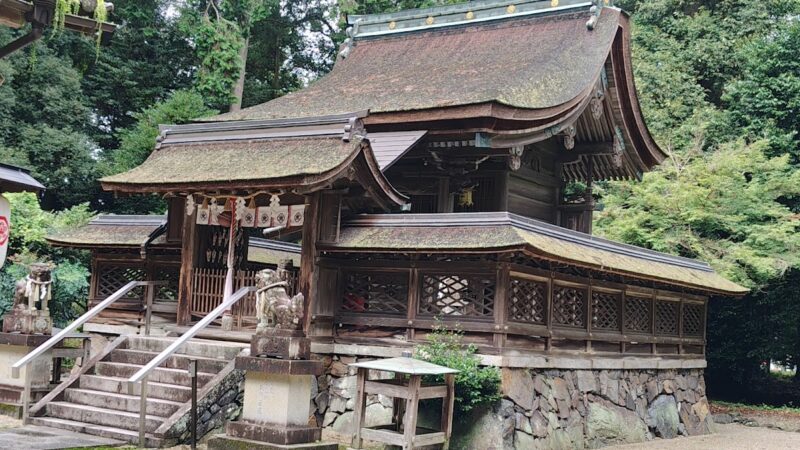
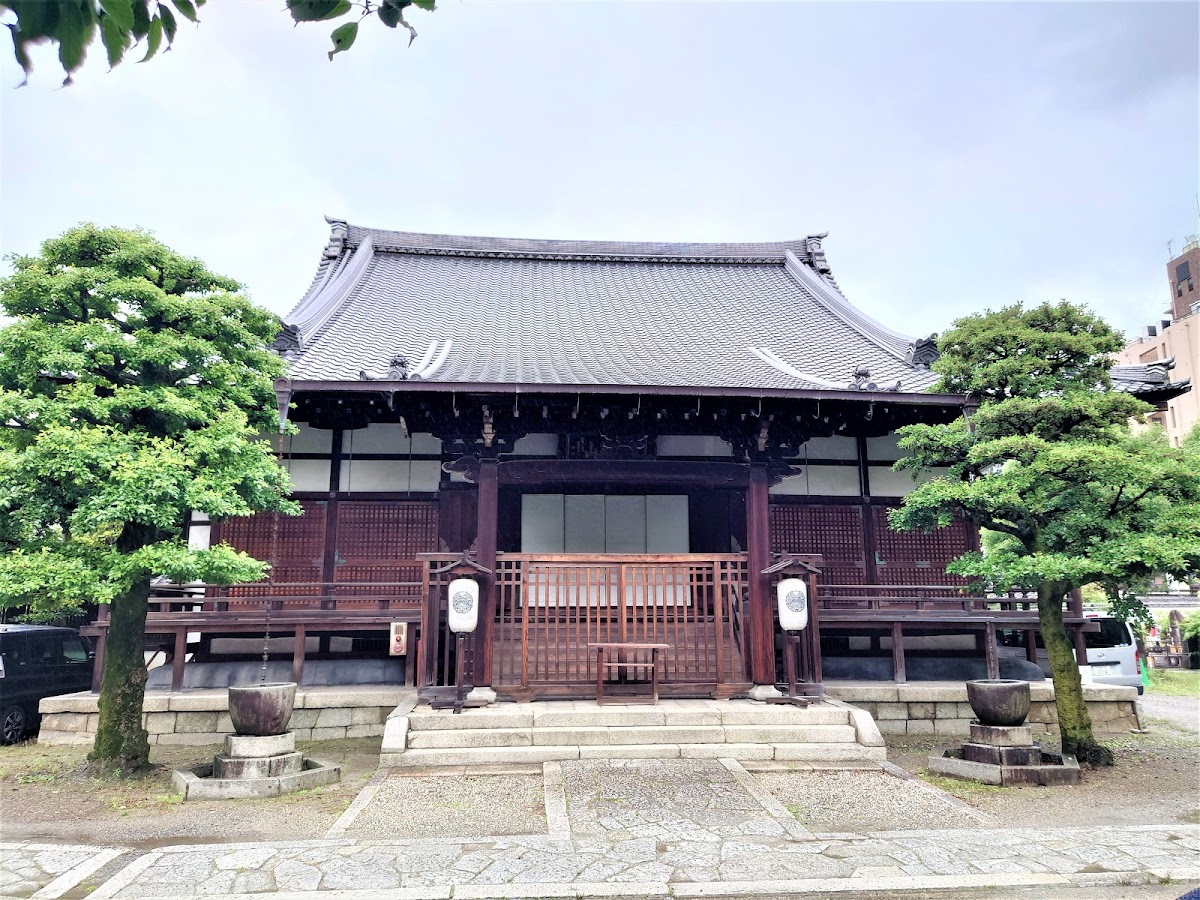
The main halls of Tenshoji temples exhibit different architectural styles depending on the time of construction and sect of each temple. Many main halls feature characteristics of traditional Japanese temple architecture, such as Zen style, Japanese style, and eclectic style.
The wooden main halls are built using construction methods suited to Japan’s climate and environment, and have maintained their beautiful appearance even after many years. The craftsmanship shines through in every detail, from the shape of the roof and the arrangement of the pillars to the carvings and decorations.
Temple Gate and Grounds Layout
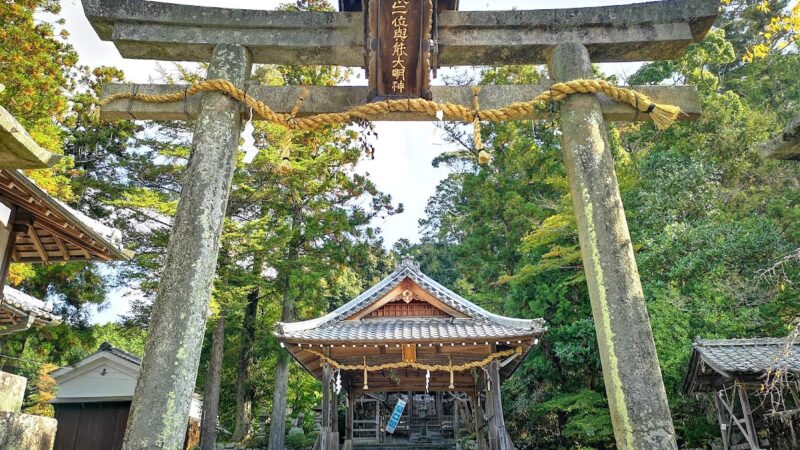
The temple gate, which serves as the entrance to the temple, is an important structure that separates the secular world from the sacred realm. At Tenshoji Temple, the temple gate sometimes houses Nio statues, creating a solemn atmosphere that welcomes visitors.
The temple grounds are planned with the main hall at the center, and the living quarters, bell tower, and cemetery are systematically arranged, creating a harmonious space throughout the temple.
Gardens and Natural Environment
Many Tenshoji Temples boast beautiful gardens. While the styles vary, including dry landscape gardens and pond gardens, all express the spirit of Zen and Buddhist philosophy.
These gardens, where visitors can enjoy the changing seasons, are cherished as spaces that provide tranquility and peace of mind.
Cultural Assets and Treasures of Tenshoji Temple
Buddhist Statues and Paintings
Tenshoji Temple houses various Buddhist statues, including the principal image. Buddhist statues from various periods, such as the Heian, Kamakura, and Muromachi periods, exhibit characteristics of each era and include many pieces of high value from an art historical perspective.
Regarding Buddhist paintings, there are masterpieces preserved as hanging scrolls, which are sometimes displayed during specific religious ceremonies or exhibitions. These cultural artifacts are also valuable historical documents that tell the story of the region.
Ancient Documents and Historical Materials
Many temples, including Tenshoji Temple, preserve ancient documents and records dating back to their founding. Documents such as donation certificates, land registers, and family registers serve as important primary sources for local history research.
In recent years, the digitization of these ancient documents has progressed, increasing opportunities for researchers and the general public to engage with history.
Crafts and Temple Utensils
Crafts such as Buddhist implements used in religious ceremonies, temple bells, and incense burners are also important treasures of Tenshoji Temple. In particular, utensils produced before the Edo period are valuable cultural heritage demonstrating the high level of craftsmanship of that time.
Religious Activities at Tenshoji Temple
Daily Services and Practices
At Tenshoji Temple, prescribed services such as morning and evening services are performed daily. Chanting and Zen meditation by the head priest and trainee monks are continued as fundamental religious activities of the temple.
General visitors can also participate in Zen meditation sessions and sutra copying sessions on specific days, providing opportunities to experience Buddhist teachings.
Annual Events and Memorial Services
Tenshoji Temple holds various religious events throughout the year. Seasonal memorial services are held, such as the New Year’s Shushō-e, the Spring Equinox service, the Obon Segaki service, and the Autumn Equinox service.
These events are important opportunities for parishioners and local residents to gather, and they also play a role in strengthening community bonds across generations.
Special Memorial Services and Festivals
Several special memorial services unique to the temple, such as the founder’s memorial service and the principal image’s festival day, are held throughout the year. During these religious ceremonies, Buddhist statues and treasures that are not usually on public display are sometimes unveiled, attracting many visitors.
Tenshoji Temple and the Local Community
Preservation of Local Culture
Tenshoji Temple has played an important role as a cultural center of the region. Through a wide range of activities, including the preservation of traditional performing arts, the management of festivals, and the management of cultural properties, it contributes to the formation of the region’s identity.
In particular, the activity of recording and passing on the region’s history to future generations has become an important social mission for the temple.
Education and Welfare Activities
In addition to its traditional religious activities, Tenshoji Temple is also active in the fields of education and welfare. It offers various initiatives to meet diverse needs, such as temple school classes for children, gathering places for the elderly, and mental health counseling services.
These activities embody the spirit of Buddhist compassion in modern society and are attracting attention as a new role for temples.
Tourism and Cultural Exchange
Tenshoji Temple, with its cultural properties, also has aspects of a tourist resource. It plays a role in introducing Japanese Buddhist culture and history to tourists from both within Japan and abroad, and also serves as a place for international cultural exchange.
Guide to Visiting and Viewing
Etiquette and Manners for Visiting
When visiting Tenshoji Temple, it is important to observe basic temple etiquette. Bow before passing through the main gate, purify your hands and mouth at the water basin, and quietly proceed to the main hall.
In the main hall, offer your donation, clasp your hands together, and pray with sincerity. Photography is prohibited in some areas, so it is important to check beforehand or follow the signs.
Visiting Hours and Admission Fees
Visiting hours for Tenshoji Temple vary depending on the temple, but generally they are from 9:00 AM to 4:00 PM or 5:00 PM. Visiting hours may change on days with religious services or events.
Regarding admission fees, some temples are free, while others charge a fee to cover the maintenance and management of cultural properties. Special viewings may have different fees than usual.
Goshuin (Temple Seals) and Gifts
Many Tenshoji temples offer Goshuin as a memento of your visit. If you bring your Goshuincho (stamp book), the head priest or temple office staff will write the seal and stamp it for you.
They also offer amulets, talismans, and prayer beads, which are given according to the visitor’s faith and wishes.
Access and Surrounding Information
Access by Public Transportation
Access to Tenshoji temples varies depending on the temple’s location. Temples located in urban areas often have excellent public transportation options such as trains and buses, and are usually within walking distance of the nearest station.
For temples in rural areas, you may need to take a bus or taxi from the nearest station. It is recommended to check transportation options in advance.
Access by Car and Parking
If visiting by car, it is important to check in advance whether the temple has parking facilities. Larger temples have parking lots for visitors, but smaller temples may have limited parking space.
During peak tourist seasons or on days with special religious ceremonies, parking lots may be crowded, so it is recommended to allow ample time for your visit. ### Nearby Tourist Attractions
The area surrounding Tenshoji Temple is dotted with other temples, shrines, historical buildings, and natural scenic spots. Visiting them together will allow for a more fulfilling sightseeing experience.
Checking local tourist information centers or websites in advance to research nearby attractions will help you plan an efficient sightseeing route.
The Four Seasons of Tenshoji Temple
Spring at Tenshoji Temple
In spring, Tenshoji Temple is enveloped in a vibrant atmosphere as cherry blossoms and plum blossoms adorn the temple grounds. During the cherry blossom season, many visitors come to enjoy the scenery where the beauty of nature and the solemnity of the temple harmonize.
The spring equinox ceremony is also an important event, with many parishioners gathering to honor their ancestors.
Summer at Tenshoji Temple
In summer, Tenshoji Temple’s lush green grounds create a cool and refreshing atmosphere. During the Obon period, events such as the Segaki ceremony and Bon Odori dance are held, preserving the region’s traditional culture.
Early morning Zen meditation and sutra copying sessions offer a wonderful opportunity to calm the mind on hot summer days.
Tenshoji Temple in Autumn
Autumn is the season of autumn leaves, and the grounds of Tenshoji Temple are adorned with beautiful autumn colors. Especially temples with gardens are known as famous spots for viewing autumn leaves, attracting many tourists.
Autumn equinox services and harvest thanksgiving ceremonies are also held, celebrating the season of abundance.
Tenshoji Temple in Winter
In winter, Tenshoji Temple is enveloped in a sacred atmosphere of silence. The snow-covered grounds present a beauty reminiscent of an ink painting, offering a soul-cleansing experience.
New Year’s Eve bell ringing and first shrine visits of the year are important occasions to celebrate the end of the year and the beginning of the new year.
The Modern Significance of Tenshoji Temple
Role as a Spiritual Sanctuary
In modern society, Tenshoji Temple plays an important role as a spiritual sanctuary for people. Many people visit temples as a place to escape the hustle and bustle of everyday life and quietly reflect on themselves.
Activities supporting the mental health of modern people living in a stressful society are also being carried out through the practice of Zen meditation and other forms of meditation.
Cultural Property Protection and Inheritance
The cultural properties held by Tenshoji Temple are valuable national and regional heritage. Appropriately protecting these and passing them on to future generations is an important mission of the temple.
Restoration projects and preservation activities require the cooperation of experts and the support of local residents, and collaborative efforts between the public and private sectors are underway.
Environmental Conservation and Sustainability
The temple grounds, including forests and gardens, are valuable green spaces in urban areas and contribute to the conservation of biodiversity. Tenshoji Temple strives for environmentally conscious temple management and is working towards the realization of a sustainable society.
Points to Note When Visiting Tenshoji Temple
Clothing and Belongings
When visiting a temple, it is advisable to wear clothing that does not expose much skin. Especially when entering the main hall, it is necessary to remove hats and take other appropriate measures. We recommend choosing comfortable shoes and taking proper precautions against the sun in summer and the cold in winter.
Photography Rules
While photography is permitted on the temple grounds at most temples, taking pictures inside the main hall or of Buddha statues may be prohibited. Always check the signs or inquire at the temple office before taking photos.
Please be considerate of the privacy of other visitors and avoid taking pictures of people without their permission.
Maintaining Silence
Temples are places of prayer and meditation, and maintaining silence is important. Please refrain from loud conversations and noisy behavior, and be mindful not to disturb other visitors.
It is advisable to set your mobile phone to silent mode and make calls outside the temple grounds.
Summary
Tenshoji Temple, with its long history and rich culture, is deeply rooted in the local community. It is cherished by many for its beautiful architecture, valuable cultural assets, seasonal nature, and as a religious space for tranquility.
Tenshoji Temple, where visitors can experience Japanese Buddhist culture and history and find peace of mind through worship, continues to hold significant importance in modern society. We encourage you to visit Tenshoji Temple and experience its charm firsthand.
Fulfilling its multifaceted roles—preserving historical buildings, passing on local culture, and serving as a spiritual haven—Tenshoji Temple will undoubtedly continue to contribute to the local community as a bridge connecting the past, present, and future.