About Tomi Shrine
Tomi Shrine is an Engishiki-listed shrine located in Sakurai City, Nara Prefecture, situated on the mountainside of Mount Tomi. It is an ancient shrine with a history of over 2600 years, and tradition holds that Emperor Jimmu enshrined the imperial ancestral deities there after pacifying Yamato.
Deities and History
Main Deities
- Hachiman-no-Okami (Emperor Ojin)
- Kasuga-no-Okami (Ame-no-Koyane-no-Mikoto)
- Sumiyoshi-no-Okami (Sokotsutsuo-no-Mikoto, Nakatsutsuo-no-Mikoto, Omotsutsuo-no-Mikoto)
History of the Shrine
According to the *Nihon Shoki* (Chronicles of Japan), Emperor Jimmu established a sacred site to enshrine the imperial ancestral deities on Mount Tomi in the fourth year of his reign, and Tomi Shrine is considered one of the traditional sites. The shrine is listed in the Heian period’s *Engishiki Jinmyocho* (a list of shrines compiled in the Heian era) as “Tomi Shrine, Shirokami District, Yamato Province,” and holds the status of a Shikinaisha (a shrine listed in the Engishiki).
Although it declined temporarily during the medieval period, it was revived in the Edo period and continues to be revered as the local tutelary deity to this day.
Benefits of Tomi Shrine
Main Benefits
The following benefits are believed to be associated with Tomi Shrine:
Matchmaking and Fulfillment of Good Relationships
Due to the divine virtues of Hachiman-Okami and Kasuga-Okami, the shrine is believed to bring good relationships. Many young women, in particular, visit to pray for success in love.
Protection from Misfortune and Protection from Unfavorable Directions
Due to the divine virtues of Sumiyoshi-Okami, the shrine is believed to have the power to ward off misfortune and purify, attracting many visitors in their unlucky years or years with unfavorable directions.
Healing from Illness and Longevity
Known since ancient times as a shrine with miraculous powers for healing illnesses, it is said to be particularly effective for eye and skin diseases.
Other Benefits
- Family Safety
- Traffic Safety
- Business Prosperity
- Academic Success
Highlights of the Shrine Grounds
Main Hall and Worship Hall
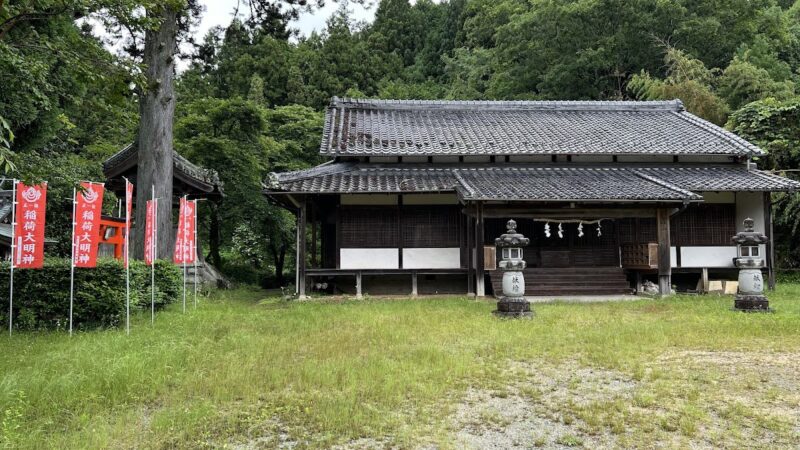
The main hall is a late Edo period building in the Kasuga-zukuri style. From the worship hall, you can enjoy a panoramic view of Sakurai city, and on clear days, you can even see the Yamato Sanzan mountains.
Sacred Cedar Tree
Within the shrine grounds stands a large cedar tree, estimated to be several hundred years old, and is revered as a sacred tree. Its trunk circumference is approximately 5 meters, and it is a power spot where worshippers can be seen touching it and praying.
Subsidiary Shrines and Auxiliary Shrines
The following subsidiary shrines and auxiliary shrines are enshrined within the grounds.
- Inari Shrine: Prosperity in business, abundant harvest
- Tenmangu Shrine: Academic success
- Kotohira Shrine: Maritime safety, traffic safety
View from the Observation Deck
From the observation deck within the shrine grounds, a spectacular view of the Yamato Basin unfolds. The scenery is particularly beautiful at sunset, making it a popular spot for photography.
Points to Note When Visiting
Etiquette for Visiting
- Bow Before Passing Through the Torii Gate: As a sign of respect before entering the sacred area, bow before the torii gate.
- Purify at the Water Basin: Purify your left hand, right hand, and mouth in that order, and finally wash the handle of the ladle.
- Worship at the Main Hall: Worship using the two bows, two claps, and one bow ritual.
- Pray to the Sacred Tree: Place your hand on the large cedar tree and quietly recite your wish in your heart.
Recommended Visiting Times
- Early Morning (7:00 AM – 9:00 AM): Enjoy a peaceful and tranquil visit.
- Afternoon (2:00 PM – 4:00 PM): The sunlight is soft, and the natural beauty of the temple grounds shines brightly.
- Evening (Around 5:00 PM): The sunset view from the observation deck is spectacular.
Precautions When Visiting
- As the temple grounds are located on a mountainside, comfortable walking shoes are recommended.
- There are approximately 200 stone steps, so those who are not confident in their physical strength should climb slowly.
- Insect repellent is useful during the summer months.
- In winter, the ground may be icy, so caution is advised.
Annual Events
Main Festivals
- January 1st: New Year’s Day Festival
- February (Setsubun): Setsubun Festival (Bean-throwing Ritual)
- Second Sunday in April: Spring Grand Festival
- July 31st: Summer Purification Ceremony
- Second Sunday in October: Autumn Grand Festival
- November 15th: Shichi-Go-San Festival
- December 31st: Year-End Purification Ceremony/New Year’s Eve Festival
Famous for Cherry Blossoms and Autumn Leaves
Tomiya Shrine is also known as a famous spot for cherry blossoms and autumn leaves.
- Cherry Blossoms (Late March to Early April): Approximately 200 Somei Yoshino cherry trees bloom on the shrine grounds.
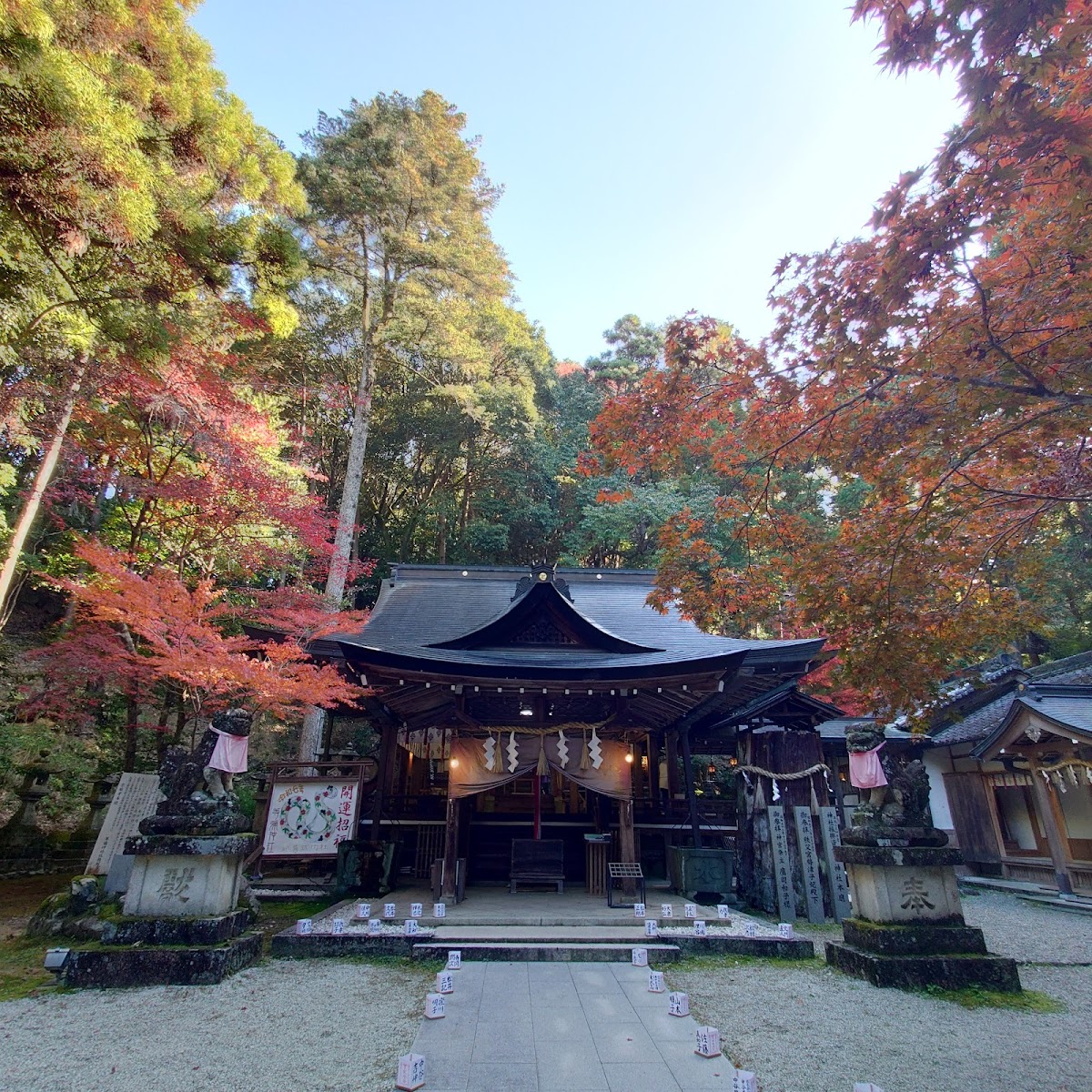
- Autumn Leaves (Mid-November to Early December): Maple and ginkgo trees change color, painting the temple grounds in autumn hues.
Access Information
Access by Train
Nearest Station: JR Sakurai Line “Sakurai Station”
- Approximately 25 minutes on foot (approx. 2km) from JR Sakurai Station or Kintetsu Sakurai Station
- Approximately 5 minutes by taxi
Detailed Route:
- Exit the south exit of Sakurai Station and head east along National Route 165
- Pass in front of Sakurai City Hall and turn right following the signs
- Go through the residential area and enter the mountain path to the entrance of the shrine grounds
Access by Bus
Get off at “Tomi Shrine” bus stop from “Sakurai Station” on the Nara Kotsu Bus, then approximately 10 minutes on foot
*Since bus service is infrequent, it is recommended to check the timetable in advance.
Access by Car
Route from Major Roads:
- From Osaka: Approximately 20 minutes from Tenri IC on the Nishi-Meihan Expressway via National Route 169
- From Nagoya: Approximately 40 minutes from Hari IC on the Meihan Expressway via National Routes 369 and 165
- From Kyoto: Approximately 50 minutes from Kizu IC on the Keina-Wa Expressway via National Routes 24 and 169
Parking Information:
- Free parking available (approximately 20 cars)
- Located near the entrance to the approach
- Early arrival is recommended during cherry blossom and autumn foliage seasons due to congestion
Address and Contact Information
- Address: 1176 Sakurai, Sakurai City, Nara Prefecture 633-0091
- Phone: 0744-42-3377
- Visiting Hours: Grounds are freely accessible (Shrine office: 9:00 AM – 5:00 PM)
- Admission Fee: Free
Nearby Tourist Attractions
When visiting Tomi Shrine, we recommend also visiting nearby tourist attractions.
Omiwa Shrine
One of Japan’s oldest shrines, located about 10 minutes by car. This ancient shrine, which enshrines Mount Miwa as its deity, is famous for its blessings of matchmaking and business prosperity.
Hase-dera Temple
About 15 minutes by car. The head temple of the Buzan branch of Shingon Buddhism, known as the “Temple of Flowers,” especially famous for its peonies and autumn leaves.
Tanzan Shrine
About 20 minutes by car. A shrine dedicated to Fujiwara no Kamatari, known for its thirteen-story pagoda and the beauty of its autumn foliage.
Abe Monjuin Temple
Approximately 5 minutes by car. This temple enshrines Monju Bodhisattva, the god of learning, and is a popular spot for students preparing for exams.
Summary
Tomiya Shrine is a historical shrine associated with Emperor Jimmu, yet its charm lies in its quiet atmosphere, unspoiled by tourism. Many visitors come seeking blessings for matchmaking, protection from evil, and healing from illness. The view from the shrine grounds and the beauty of nature throughout the seasons are particularly worth seeing.
The climb up the stone steps is a little challenging, but in return, you can experience the refreshing air and sacred atmosphere unique to a shrine nestled on the mountainside. When you visit Sakurai City, be sure to stop by.