Complete Guide to Jorinji Temple | History, Highlights, and Access Information for Chichibu Pilgrimage Site No. 17
Nestled quietly in a residential area of Sakuragi-cho, Chichibu City, Jorinji Temple is a historically significant temple known as the 17th temple of the Chichibu Thirty-Four Kannon Pilgrimage. Also known as “Hayashi-dera,” this temple, founded as the private temple of the Hayashi family, boasts many attractions, including a temple bell designated as a prefectural tangible cultural property and a unique Kannon hall.
This article comprehensively introduces information useful for those planning a visit to Jorinji Temple, covering its history, architectural features, cultural properties, and access methods.
About Jorinji Temple
Jorinji Temple is a Soto Zen Buddhist temple located in Sakuragi-cho, Chichibu City, Saitama Prefecture. Its official name is “Jisshozan Jorinji.” As the 17th temple of the Chichibu Thirty-Four Kannon Pilgrimage, it is a sacred site visited by many pilgrims.
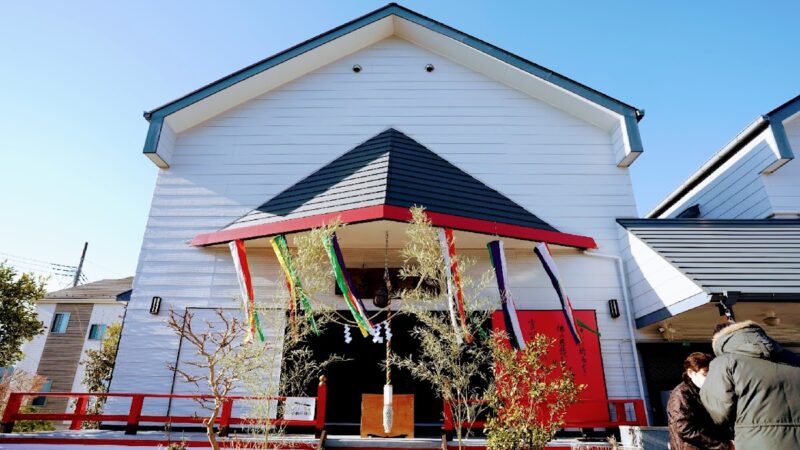
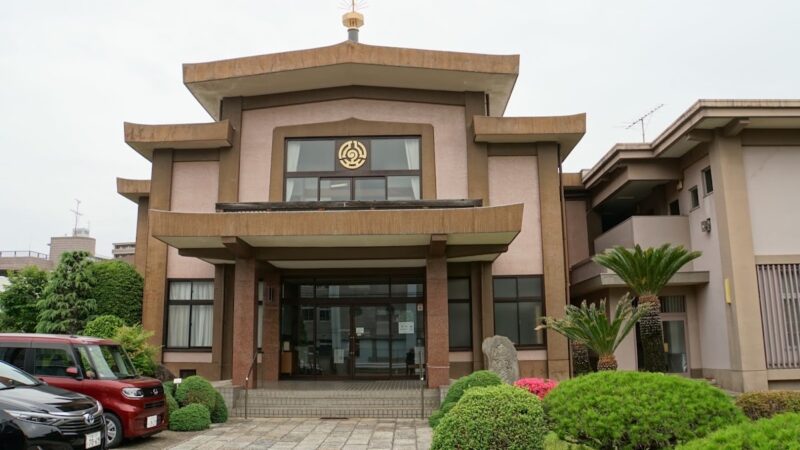
Located in a residential area slightly outside the city center, it is characterized by its simple appearance without a main gate. Climbing the stone steps from the alleyway, the main hall (Kannon Hall) immediately appears, revealing a tranquil space that strongly retains the atmosphere of a rural temple.
Origin of the Alternative Name “Hayashi-dera”
Jorinji Temple is also known as “Hayashi-dera.” This name originates from the fact that it was a private temple of the Hayashi family, built to commemorate Hayashi Taro Sadamoto. The Hayashi family is said to have served as officials of the Myoken Shrine, and the history of Jorinji Temple has been nurtured in close connection with the Hayashi family.
History of Jorinji Temple
Founding and the Hayashi Family
While there are various theories regarding the founding date of Jorinji Temple, there is reliable record that it was founded as a memorial temple for Hayashi Taro Sadamoto. Starting as a private temple of the Hayashi family, Jorinji Temple was later incorporated as one of the Chichibu pilgrimage sites, attracting many worshippers.
Jōrinji Temple, Once the First Temple on the Chichibu Pilgrimage
A noteworthy point in the history of Jōrinji Temple is the fact that it was once the first temple on the Chichibu Pilgrimage. The “Chichibu Pilgrimage Ranking List from Chōkyō 2 (1488, Muromachi period)” (a Saitama Prefecture designated tangible cultural property), a temple treasure preserved at Hōshōji Temple (temple number 32), lists Jōrinji Temple as the first temple.
According to this ranking, the pilgrimage at that time began at Jōrinji Temple, indicating a different pilgrimage route from the current first temple, Shimanbu-ji Temple. This historical fact demonstrates that Jōrinji Temple is a particularly old and important temple among the Chichibu Pilgrimage sites.
Changes Since the Edo Period
During the Edo period, the Chichibu Pilgrimage became widely popular among common people. During this period, the current order of the temples was established, and Jōrinji Temple came to be positioned as the seventeenth temple.
In 1758 (Hōreki 8), the current temple bell was recast. This bell later became a valuable cultural asset designated as a tangible cultural property of Saitama Prefecture.
Highlights of Jōrinji Temple
Kannon-dō (Main Hall)
The Kannon-dō is the central building of Jōrinji Temple. It is built in the Hōgyō-zukuri architectural style, with four bays on four sides, and an open corridor surrounds the hall.
Carvings on the Entrance
The entrance of the Kannon-dō features openwork carvings of flowers and birds, showcasing the exquisite carving techniques of the Edo period. The transom decorations are also beautiful, delighting the eyes of visitors.
Principal Image: Eleven-faced Kannon Bodhisattva
The principal image of Jōrinji Temple is the Eleven-faced Kannon Bodhisattva. The Eleven-Faced Kannon is a Kannon statue with eleven faces, said to survey all directions, perceive the suffering of people, and offer relief. It welcomes worshippers with a compassionate expression.
The Bell of the Hundred Kannon (Prefectural Designated Tangible Cultural Property)
The greatest highlight of Jorinji Temple is the temple bell, designated as a Saitama Prefecture Designated Tangible Cultural Property. This bell was recast in 1758 (Horeki 8) and possesses extremely rare characteristics.
The Principal Images and Waka Poems of the Hundred Kannon
The surface of the bell is inscribed with the principal images and waka poems of each of the 100 Kannon pilgrimage sites: the Saigoku Thirty-Three Kannon, the Bando Thirty-Three Kannon, and the Chichibu Thirty-Four Kannon. Such detailed inscriptions of information on the 100 Kannon are extremely rare nationwide, making it a valuable cultural asset that conveys the pilgrimage culture of the Edo period.
Beautiful Bell Sound
This temple bell is also known for its beautiful tone. It is particularly praised for its exceptional sound among the Chichibu pilgrimage sites, and many pilgrims visit specifically to hear the bell’s ringing.
Bell Tower
The bell tower that houses the temple bell is also a magnificent structure. A dignified bell tower stands on the temple grounds, a remnant of Jōrinji Temple’s past as the first temple on the pilgrimage. The very existence of this bell tower speaks to the historical importance of Jōrinji Temple.
Atmosphere of the Temple Grounds
Jōrinji Temple lacks a main gate; instead, visitors ascend stone steps from a residential alleyway to reach the main hall—a unique layout. This simple appearance enhances the temple’s rustic charm, creating a tranquil space that allows visitors to forget the hustle and bustle of the city.
The temple grounds are small but meticulously maintained, and seasonal flowers welcome visitors.
Goshuin (Temple Seal) and its Benefits
Goshuin (Temple Seal)
At Jorinji Temple, you can receive a Goshuin for the 17th temple of the Chichibu Thirty-Four Kannon Pilgrimage. The Goshuin features the calligraphy of “Eleven-Faced Kannon” and a red stamp of the temple number.
The Goshuin can be obtained at the temple office, but it is recommended to check in advance as staff may be absent.
Benefits
The principal image, the Eleven-Faced Kannon Bodhisattva, is believed to offer the following benefits:
- Healing from Illness: Recovery from illness and injury
- Protection from Misfortune: Protection from disaster and calamity
- Family Safety: Health and safety of family members
- Good Fortune and Prosperity: Bringing in good fortune
- Fulfillment of Wishes: Fulfillment of various wishes
The Eleven-Faced Kannon is particularly known for its benefit of healing from illness, and many worshippers visit to pray for good health.
Access to Jorinji Temple
Basic Information
- Location: 21-3 Sakuragi-cho, Chichibu City, Saitama Prefecture
- Sect: Soto Zen
- Mountain Name: Jisshozan
- Principal Image: Eleven-faced Kannon Bodhisattva
- Pilgrimage Site: No. 17 of the Chichibu Thirty-Four Kannon Pilgrimage Sites
Access by Train and Bus
Using the Chichibu Railway
- From Chichibu Station (Chichibu Railway): Approximately 15 minutes on foot
- From Ohanabatake Station (Chichibu Railway): Approximately 10 minutes on foot
Using the Seibu Railway
- From Seibu Chichibu Station (Seibu Chichibu Line): Approximately 20 minutes on foot, or by bus
Using the Bus
Take a Seibu Kanko Bus or Chichibu City Bus from Chichibu Station or Seibu Chichibu Station, get off at the nearest bus stop, and walk for a few minutes. However, since the number of trains is limited, it is necessary to check the timetable.
Access by Car
From the Kan-Etsu Expressway
- From Hanazono IC: Approximately 40 minutes via National Route 140
From the Chuo Expressway
- From Katsunuma IC: Approximately 90 minutes via National Route 140 (via Karisaka Tunnel)
Parking
Jorinji Temple has its own parking lot, but space is limited. Since it is located in a residential area, please avoid street parking as it will inconvenience the neighbors.
If you are visiting other temples on the pilgrimage, we recommend using nearby paid parking lots or public transportation.
Nearby Temples and Pilgrimage Routes
Jorinji Temple is the 17th temple of the Chichibu Thirty-Four Kannon Pilgrimage. To complete the pilgrimage efficiently, we recommend visiting other nearby temples as well.
Preceding and Following Temples
- Temple No. 16, Saikoji: Approximately 15 minutes on foot from Jorinji Temple
- Temple No. 18, Jinmonji: Approximately 20 minutes on foot from Jorinji Temple
Temples in Chichibu City
The following temples are concentrated around Chichibu city, where Jorinji Temple is located:
- Temple No. 13, Jigenji
- Temple No. 14, Imamiyabo
- Temple No. 15, Shorinji
- Temple No. 16, Saikoji
- Temple No. 17, Jorinji
- Temple No. 18, Jinmonji
These temples are relatively close to each other, making pilgrimage on foot possible. It is also possible to visit several temples in one day.
Manners and Precautions for Visiting
Visiting Hours
Jorinji Temple is generally open for daytime visits, but please avoid visiting early in the morning or late in the evening. General visiting hours are from 8:00 AM to around 5:00 PM.
Attire
There are no specific dress code requirements, but please dress in clean, appropriate attire for visiting a temple. Avoid revealing or flashy clothing.
Photography
Photography is generally permitted on the temple grounds, but please refrain from photographing the inside of the main hall or other visitors. Also, please avoid using flash photography, as it may damage Buddhist statues.
Consideration in a Residential Area
Since Jorinji Temple is located in a residential area, special consideration is needed to avoid disturbing nearby residents with noise and illegal parking. Please visit quietly and absolutely avoid parking anywhere other than designated areas.
How to Enjoy the Chichibu Pilgrimage
Walking Pilgrimage
The traditional style of the Chichibu Pilgrimage is walking. The temples in the city, including Jorinji Temple, are within walking distance, allowing you to enjoy the townscape and nature of Chichibu by walking.
Bicycle Pilgrimage
In recent years, cycling pilgrimages have become popular. In Chichibu City, rental bicycles are available, allowing you to visit many temples more efficiently than on foot.
Pilgrimage by Car
A car is convenient for efficiently visiting all 34 temples. However, parking situations vary at each temple, so prior confirmation is necessary.
Goshuincho (Stamp Book)
It is common to collect the temple stamps in a goshuincho (stamp book) as a memento of your pilgrimage. Goshuincho specifically for the Chichibu temples are also sold, making for a wonderful keepsake of your pilgrimage.
Cultural Properties and Preservation Activities of Jorinji Temple
Prefectural Designated Tangible Cultural Property
As mentioned above, the temple bell of Jorinji Temple is designated as a Saitama Prefecture Designated Tangible Cultural Property. This bell, inscribed with the principal images and hymns of the 100 Kannon of Saigoku, Bando, and Chichibu, is a valuable cultural property that conveys the pilgrimage culture and casting techniques of the Edo period.
Preservation Efforts
At Jōrinji Temple, appropriate preservation and management are carried out to pass on these cultural assets to future generations. In particular, the temple bell is carefully stored in the bell tower to prevent deterioration from wind and rain.
History of Chichibu and Jōrinji Temple
Establishment of the Chichibu Thirty-Four Kannon Pilgrimage
The Chichibu Thirty-Four Kannon Pilgrimage is known as one of the 100 Kannon Pilgrimages in Japan, along with the Saigoku Thirty-Three and Bandō Thirty-Three. Its establishment is thought to date from the Kamakura period to the Muromachi period, and it is presumed that Jōrinji Temple was already functioning as a pilgrimage site during this time.
Development of Pilgrimage Culture
In the Edo period, pilgrimage became extremely popular among common people. The Chichibu pilgrimage sites were relatively close to Edo and had few steep mountain paths, attracting many pilgrims. Jōrinji Temple also welcomed many pilgrims and developed as a place of worship.
Jōrinji Temple and Other “Jōrinji” Temples
There are several temples named “Jōrinji” throughout Japan. To avoid confusion, we will introduce the main Jōrinji temples.
Jōrinji Temple Ruins in Toki City
In Toki City, Gifu Prefecture, there are the ruins of Jōrinji Temple, a large Rinzai Zen temple that once existed in Toki County, Mino Province. Founded by Toki Yorishige, with Bukkō Kokushi (Mugaku Sogen) as its founding abbot, only the Kannon Hall remains today.
Jōrinji Temple Ruins in Asuka Village
In Asuka Village, Nara Prefecture, there are the ruins of Jōrinji Temple, a temple from the Asuka period. This is known as an archaeologically important site.
Jōrinji Temple in Aizubange Town, Fukushima Prefecture
There is also a Jōrinji Temple of the Sōtō Zen sect in Aizubange Town, Kawanuma County, Fukushima Prefecture.
When visiting the Jōrinji Temple in Chichibu, care should be taken not to confuse it with these other temples.
Jorinji Temple in Every Season
Jorinji Temple in Spring
In spring, cherry blossoms bloom on the temple grounds, allowing visitors to enjoy worship in the soft spring light. Visiting in conjunction with other cherry blossom viewing spots in Chichibu City is also recommended.
Jorinji Temple in Summer
In summer, the greenery deepens, creating a cool and refreshing atmosphere on the temple grounds. Despite being located in a residential area, a quiet and peaceful space is maintained.
Jorinji Temple in Autumn
In autumn, the temple grounds are adorned with colorful autumn leaves. Enjoy a pilgrimage to the temples in autumn, combining the autumn foliage of the Chichibu mountains with the beauty of the temples.
Jorinji Temple in Winter
In winter, Jorinji Temple is enveloped in silence, exuding a dignified atmosphere. The snow-covered grounds also possess a unique charm.
Summary
Jorinji Temple, as the 17th temple of the Chichibu Thirty-Four Kannon Pilgrimage, is a temple with a long history and rich cultural assets. With its history as the first temple on the Chichibu pilgrimage, the Hyakukannon bell (a prefectural designated cultural property), and its simple yet deeply atmospheric Kannon hall, Jorinji Temple boasts many attractions.
Nestled quietly in a residential area of Chichibu city, its unassuming presence evokes a profound sense of peace and a deep appreciation for its rich history of faith. When undertaking the Chichibu pilgrimage, be sure to visit Jorinji Temple and experience its tranquil atmosphere and historical significance.
Whether you’re collecting temple stamps, admiring the cultural artifacts, or simply offering quiet prayers, Jorinji Temple offers peace of mind in a way that suits each visitor.
Its relatively easy accessibility makes it convenient to visit along with other nearby temples. Please consider visiting Jorinji Temple as part of your Chichibu sightseeing or as part of a full-fledged pilgrimage.