Complete Guide to Jakko-in Temple | History, Grounds, and Access Information for the Nunnery Associated with Kenreimon-in
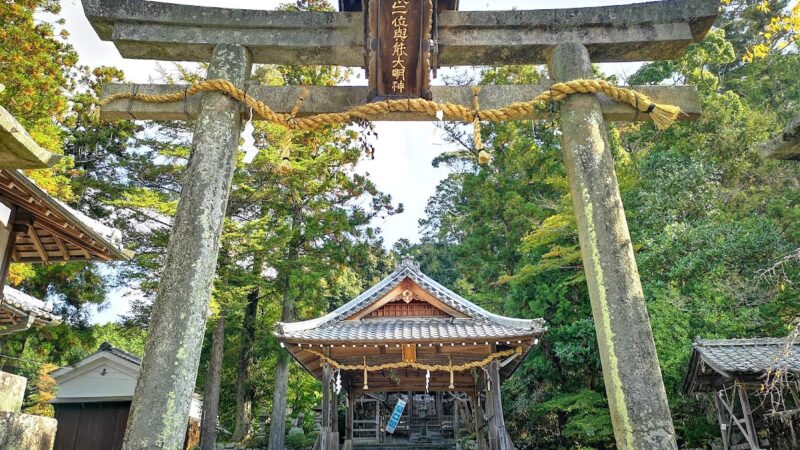
Nestled in the mountain village of Ohara, Sakyo-ku, Kyoto City, Jakko-in Temple is a Tendai sect nunnery that conveys the tragic history of the Heian period. Formally known as Seikozan Gyokusenji Jakko-in, this ancient temple, said to have been founded by Prince Shotoku, is widely known as the place where Kenreimon-in Tokuko, daughter of Taira no Kiyomori and mother of Emperor Antoku, lived in seclusion after the fall of the Taira clan, as depicted in “The Tale of the Heike.”
This article comprehensively guides you through everything you need to know before visiting Jakko-in Temple, from its history and grounds to cultural assets and access information.
History of Jakko-in Temple
Founding Legend by Prince Shotoku
Jakko-in Temple is said to have been founded in the second year of Emperor Suiko’s reign (594 AD) by Prince Shotoku to commemorate his father, Emperor Yomei. Prince Shotoku is known for his dedication to the flourishing of Buddhism, and Jakko-in Temple has a long history as a temple associated with him.
Opened as a nunnery from its inception and functioning as a place of training for women, Jakko-in Temple existed in this Ohara area even before the Heian period. Its mountain name is Seikozan, its temple name is Gyokusenji, and its principal image is Jizo Bodhisattva.
Retirement of Kenreimon-in Tokuko
Jakko-in Temple first appears on the historical stage during the late Heian period. In 1185, after the Taira clan’s downfall at the Battle of Dan-no-ura, Kenreimon-in Tokuko, daughter of Taira no Kiyomori, Empress Consort of Emperor Takakura, and mother of Emperor Antoku, retired to Jakko-in Temple.
Kenreimon-in, who was rescued after attempting to drown herself at Dan-no-ura, decided to become a nun after being returned to the capital. She built a small hermitage beside Jakko-in Temple and spent her days praying for the souls of her son, Emperor Antoku, her husband, Emperor Takakura, and the Taira clan. Her figure, a stark contrast to her former glory, offering prayers in silence, is depicted in “The Tale of the Heike” as a symbol of impermanence.
The Visit to Ohara and Emperor Go-Shirakawa
In April of Bunji 2 (1186), Emperor Go-Shirakawa visited Kenreimon-in in Ohara. This event, known as the “Ohara Gokō” (Imperial Visit to Ohara), is a particularly famous scene in the *Tale of the Heike*. This visit was also portrayed in the Noh play “Ohara Gokō,” making it an important scene in the history of Japanese literature.
During the meeting between the Emperor and Kenreimon-in, Kenreimon-in spoke of her feelings after the fall of the Taira clan and her resolve to dedicate herself to Buddhism. Jakkō-in Temple, the setting for this historical encounter, has been passed down through generations as a temple associated with the *Tale of the Heike*.
History in the Modern Era
Jakkō-in Temple boasts a long history, but on May 9, 2000 (Heisei 12), a tragic incident occurred when the main hall was completely destroyed by arson. This fire resulted in the loss of many cultural artifacts, including the principal image, the 60,000 Jizo Bodhisattva statues.
However, on June 2, 2005, the main hall was rebuilt, and a new principal image of Jizo Bodhisattva was enshrined. The old principal image, which had been damaged by fire, was restored and is now housed in the Hōchishōden (Treasure Hall), and can be viewed during special public viewings. Having overcome this hardship, Jakkōin Temple continues to welcome many visitors.
Highlights of the Temple Grounds
Main Hall
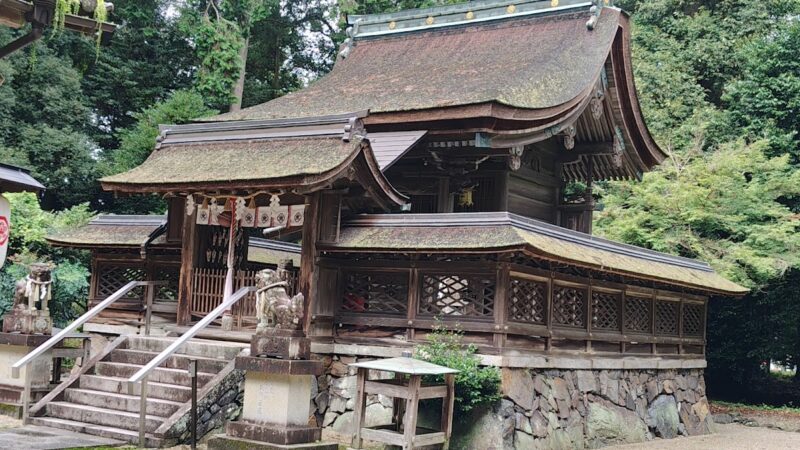
The rebuilt main hall is a building that follows the style of traditional temple architecture while incorporating modern technology. Inside, the newly created principal image of Jizo Bodhisattva is enshrined, allowing visitors to worship in a tranquil space.
To the left of the main hall is a wooden statue of Kenreimon-in, allowing visitors to imagine the world of the Tale of the Heike. Also enshrined is a papier-mâché seated statue of Awa no Naishi, who served Kenreimon-in, allowing visitors to feel the presence of the people who supported Kenreimon-in’s secluded life.
The Garden: “Shinji Pond”
Jakko-in Temple’s garden is known as a pond garden centered around the “Shinji Pond.” As its name suggests, the pond is shaped like the Japanese character for “heart,” a design imbued with Buddhist meaning.
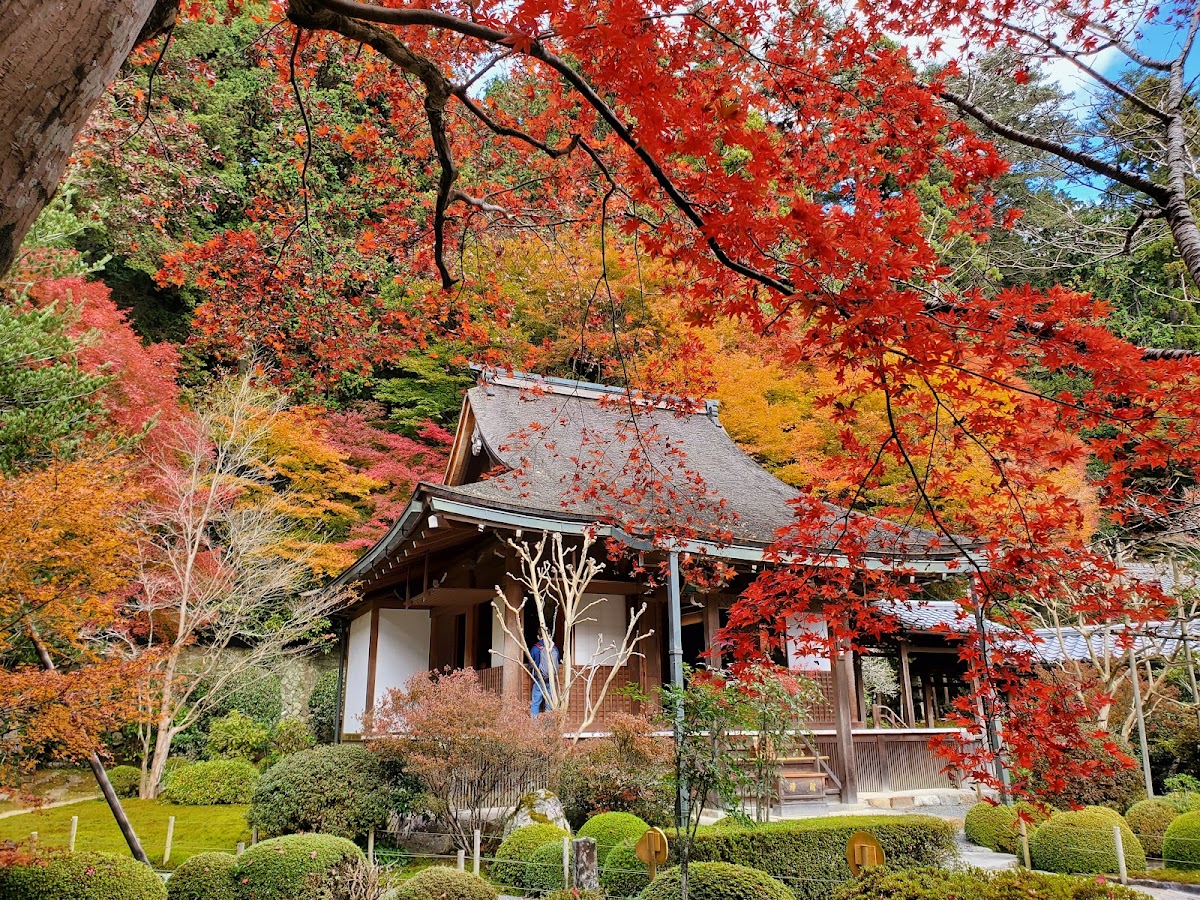
The garden displays different expressions throughout the seasons, offering different beauty depending on the time of year: cherry blossoms in spring, fresh greenery in early summer, and autumn leaves in fall. Especially during the autumn foliage season, the entire temple grounds are dyed in red and yellow, evoking a profound sense of emotion, especially in combination with the melancholy of the Tale of the Heike.
Within the garden stands an ancient pine tree called the “Thousand-Year-Old Princess Pine,” said to have watched over the temple grounds since the time of Kenreimon-in. There is also a pond called the “Teiko Pond,” whose tranquil surface soothes the soul.
Kenreimon-in Ohara-Nishi Mausoleum
At the back of the temple grounds lies the “Kenreimon-in Ohara-Nishi Mausoleum,” the resting place of Kenreimon-in Tokuko. In 1213 (Kenpo 1), Empress Kenreimon-in passed away at the age of 59 in this area and was buried near Jakko-in Temple.
The mausoleum is managed by the Imperial Household Agency and stands quietly in a peaceful forest. Visitors constantly come to pay their respects, reflecting on the rise and fall of the Taira clan and the life of Empress Kenreimon-in, who dedicated herself to Buddhism.
Other Highlights
Within the temple grounds, there are also other points of interest, such as a stone monument marking the site of Empress Kenreimon-in’s hermitage and the bell symbolizing the impermanence of all things. The rich natural environment surrounding the temple grounds is also one of Jakko-in’s charms; the scenery harmonizes with the rural landscape of Ohara, soothing the hearts of visitors.
Main Image and Cultural Properties
Main Image: Jizo Bodhisattva Statue
The main image of Jakko-in Temple is a statue of Jizo Bodhisattva, said to have been created by Prince Shotoku. Before the fire in 2000, the temple housed a statue known as the “Six Thousand Jizo Bodhisattvas” as its principal image. This rare Buddhist statue, said to have been carved from a single piece of wood depicting 60,000 Jizo, was designated an Important Cultural Property.
The former principal image, damaged in the fire, underwent restoration work by experts and is now housed in the Hōchimatsu-den, the temple’s treasure hall. It can be viewed during special autumn exhibitions and other occasions, preserving its solemn appearance despite the lingering traces of the fire.
The current principal image was newly created in 2005 using traditional Buddhist sculpture techniques. Jizo Bodhisattva is revered as a bodhisattva who saves all sentient beings, making it a fitting choice for the principal image selected by Kenreimon-in to commemorate the Taira clan.
Hōchimatsu-den (Treasure Hall)
The Hōchimatsu-den is the treasure hall of Jakkō-in Temple, housing and displaying temple treasures, including the former principal image, the Six Thousand Jizo Bodhisattva statue. The Jakko-in Temple complex houses items associated with Empress Kenreimon-in, materials related to the Tale of the Heike, and historical documents, making it a valuable resource for understanding the long history of Jakko-in.
During special public viewing periods, visitors have the opportunity to see temple treasures that are not normally on display, attracting many visitors.
Other Cultural Assets
Jakko-in Temple possesses items believed to have been used by Empress Kenreimon-in, as well as cultural assets dating from the Heian to Kamakura periods. These are important historical materials that tell the story of the temple and are of high value in the history of Japanese Buddhist culture.
Annual Events and Special Viewings
Pumpkin Memorial Service
Every year, Jakko-in Temple holds a unique event called the “Pumpkin Memorial Service.” This is a ceremony to honor pumpkins, a specialty product of Ohara, and is a traditional event that connects local agriculture and Buddhism. Visitors pray for good health and protection from illness by eating pumpkins.
Autumn Special Opening
In autumn, the temple sometimes holds a special opening of its former principal image, the 60,000 Jizo Bodhisattvas. This is a rare opportunity to view the former principal image, which survived a fire, up close, attracting many Buddhist art enthusiasts and history buffs.
Sutra Copying Experience
At Jakkoin Temple, you can experience sutra copying. Calming your mind in the quiet temple grounds and carefully copying each character of the sutra allows you to relive the days of prayer that Empress Kenreimon-in spent there. Sutra copying may require reservations, so it is recommended to check in advance.
Access Information
Access by Public Transportation
From Kyoto Station
- Take Kyoto Bus Route 17 or 18 bound for “Ohara” (approximately 60 minutes)
- Get off at the “Ohara” bus stop and walk for approximately 15 minutes.
From Demachiyanagi Subway Station
- Take Kyoto Bus Route 17 bound for “Ohara” (approximately 30 minutes)
- Get off at the “Ohara” bus stop and walk for approximately 15 minutes.
From Kokusai Kaikan Station
- Take Kyoto Bus Route 19 bound for “Ohara” (approximately 20 minutes)
- Get off at the “Ohara” bus stop and walk for approximately 15 minutes.
Ohara-me Path
The approximately 1km path from the Ohara bus stop to Jakko-in Temple is named “Ohara-me Path”. Along this path, you’ll find fields of red perilla (a local specialty of Ohara), cafes, and souvenir shops, allowing you to enjoy the rural charm of Ohara just by walking along.
The path is a gentle uphill slope, but if you enjoy the seasonal flowers and the scenery of the mountain village, the 15-minute walk will fly by. Since it’s on the opposite side of the Ohara bus stop from Sanzen-in Temple, you’ll need to plan your time carefully if you plan to visit both.
Access by Car
Jakko-in Temple has its own parking lot, but spaces are limited. During peak tourist seasons such as autumn foliage season, congestion is expected, so we recommend using public transportation.
From Kyoto City
- Head north on National Route 367 towards Ohara.
- Travel time: Approximately 40 minutes from Kyoto Station.
Visiting Information
Visiting Hours
- 9:00 AM – 5:00 PM (until 4:30 PM in winter)
- Open year-round (may be closed for religious services, etc.)
Admission Fee
- Adults: 600 yen
- Junior High School Students: 300 yen
- Elementary School Students: 100 yen
*Fees may change during special openings. Please check the official website for the latest information.
Nearby Tourist Attractions
Sanzen-in Temple
A representative temple of Ohara, located across the Ohara bus stop from Jakko-in Temple. It is a prestigious Tendai sect temple, known for its beautiful garden and the Amida Triad statue in the Ojo Gokuraku-in. Visiting both Sanzen-in and Jakko-in together allows you to fully enjoy a temple tour of Ohara.
Hosen-in and Jikko-in
These Tendai Buddhist temples, located near Sanzen-in Temple, each boast a distinctly different garden. Hosen-in is famous for its framed garden, while Jikko-in is known for its beautiful ever-blooming cherry blossoms.
Ohara Village
The area around Jakko-in Temple is known as Ohara Village, a long-established production area for Kyoto vegetables. It’s a region that preserves the mountain village culture of Kyoto, with its red shiso and firewood sold by Ohara women who carried it on their heads. Restaurants serving dishes made with local ingredients are scattered throughout the area.
Points to Note When Visiting Jakko-in Temple
Recommended Season
While Jakko-in Temple offers beautiful scenery throughout the four seasons, the following seasons are particularly recommended:
Spring (April-May)
The fresh greenery is beautiful, and cherry blossoms and wildflowers adorn the temple grounds. The weather is mild, making it ideal for a stroll.
Autumn (November)
The autumn foliage season is when Jakko-in Temple is at its most beautiful. The entire temple grounds are bathed in red and yellow, creating a profound atmosphere that evokes the melancholy of the Tale of the Heike. However, it gets crowded, so visiting early in the morning is recommended.
Winter (December-February)
The snow-covered temple grounds are enveloped in silence, creating an atmosphere befitting the solitary secluded life of Kenreimon-in. There are fewer tourists, allowing for a more leisurely visit.
Estimated Time Required
Allow 30 minutes to 1 hour to explore the temple grounds. If you plan to leisurely admire the gardens or participate in a sutra copying experience, you will need more time. Including the round trip time along the Ohara-me no Komichi trail, the round trip from the Ohara bus stop should take approximately 1.5 to 2 hours.
Clothing and Items to Bring
The path from the Ohara bus stop to Jakko-in is a gentle uphill slope, so comfortable shoes are recommended. Also, as the temple grounds are in a natural environment, dress appropriately for the season, and be sure to take precautions against insects in summer and warm clothing in winter.
Jakko-in Temple and The Tale of the Heike
When discussing Jakko-in Temple, its connection to “The Tale of the Heike” is indispensable. The final chapter of “The Tale of the Heike,” the “Kanjo Chapter,” details the secluded life of Kenreimon-in and Emperor Go-Shirakawa’s visit to Ohara.
Kenreimon-in, who once enjoyed the height of glory as empress, lost everything with the fall of the Taira clan and lived a simple life as a nun. Although she attempted suicide by drowning at Dan-no-ura, she was rescued and, burdened by the grief of losing her beloved son, Emperor Antoku, spent her days chanting Buddhist prayers. Her figure embodies the theme of “impermanence,” a fundamental theme of “all things are impermanent,” which runs through “The Tale of the Heike.”
When Emperor Go-Shirakawa visited, Kenreimon-in recounted having experienced all six realms (hell, hungry ghosts, animals, asuras, humans, and heaven). Having experienced the splendor of the heavenly realm as empress, witnessed hell at Dan-no-ura, and now devoted herself to Buddhist practice—this quote is known as a famous scene symbolizing the impermanence of life and Buddhist salvation.
When visiting Jakko-in Temple, reading the relevant passage from the Tale of the Heike beforehand will allow you to appreciate the deeper meaning of each place within the temple grounds.
Summary
Jakko-in Temple, with its tradition of being founded by Prince Shotoku and its connection to the Tale of the Heike as a nunnery where Kenreimon-in Tokuko lived in seclusion, has a history spanning over 1400 years. Having overcome the hardship of a fire in 2000, the rebuilt main hall and beautiful gardens continue to offer many visitors a glimpse into the tragic history of the Heian period and Buddhist solace.
Located in Ohara, a little distance from the center of Kyoto city, its historical value and cultural significance are extremely high, and it occupies an important position in the history of Japanese Buddhism and literature. Along with Sanzen-in Temple, it is a representative temple of Ohara, and a place where you can experience the world of the Tale of the Heike. It is a temple that many people should visit.
Jakko-in Temple In the tranquil grounds, one can reflect on the days of prayer spent by Empress Kenreimon-in and, while contemplating the impermanence of all things, find peace of mind even in our modern lives. Take a stroll along the Oharame path and enjoy the scenery of the mountain village as you visit Jakko-in Temple.