Complete Guide to Mitsugonji Temple | History and Access to the Shikoku Thirty-Six Fudo Pilgrimage Site and Peony Spot
There are several temples named Mitsugonji throughout Japan. In particular, Tokushima Prefecture has two Mitsugonji temples that are part of the Shikoku Thirty-Six Fudo Pilgrimage, each with its own unique history and charm. This article comprehensively introduces the history, highlights, and visiting information for Mitsugonji temples throughout Japan, primarily in Tokushima Prefecture.
What is Mitsugonji Temple?
The name Mitsugonji originates from “Mitsugon Jodo,” a term deeply related to the doctrines of Shingon Buddhism. Mitsugon Jodo refers to the Pure Land of Dainichi Nyorai and is an important concept in Shingon Esoteric Buddhism. Therefore, it is natural that many Shingon temples bear this name.
Among the Mitsugonji temples scattered throughout Japan, the two temples in Tokushima Prefecture are particularly well-known. One temple is located in Nishiyama, Ikeda-cho, Miyoshi City, and is the 5th temple on the Shikoku Thirty-Six Fudo Pilgrimage. The other is located in Fudohonmachi, Tokushima City, and is the 13th temple on the same pilgrimage route. Both temples welcome many worshippers.
Mitsugonji Temple (Miyoshi City) – 5th Temple on the Shikoku Thirty-Six Fudo Pilgrimage
Basic Information
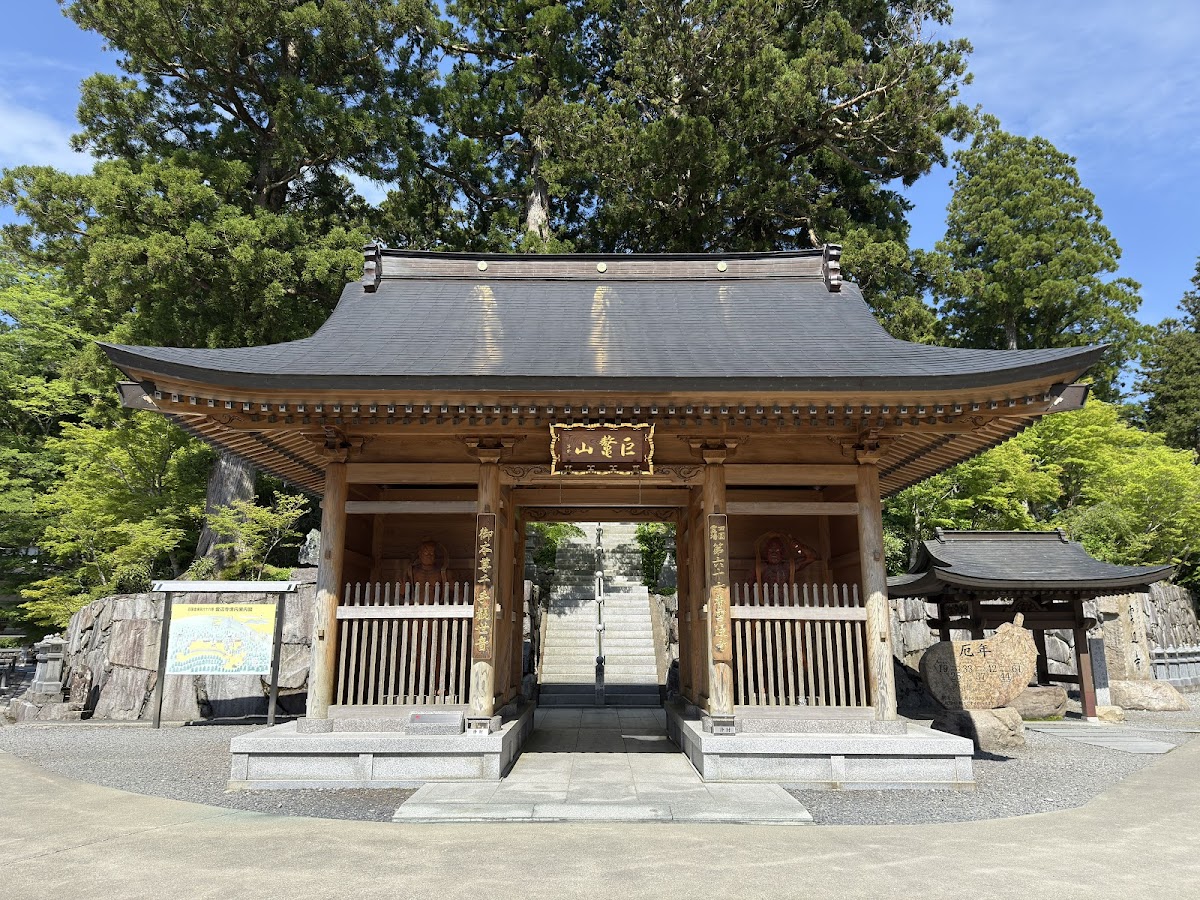
Mitsugonji Temple, located in Nishiyama, Ikeda-cho, Miyoshi City, is a temple belonging to the Omuro branch of the Shingon sect.
- Mountain Name: Hokozan
- Sect: Shingon-shu Omuro-ha
- Principal Deity: Fudo Myoo
- Name of Attendant: Mukuko Doji
- Sacred Site: 5th Temple of the Shikoku Thirty-Six Fudo Pilgrimage
- Location: 3798 Nishiyama Sako, Ikeda-cho, Miyoshi City, Tokushima Prefecture
- Phone: 0883-72-1548
History and Origin
Mitsugonji Temple in Miyoshi City is a temple with a long history as a center of local faith. As a pilgrimage site of the Shikoku Thirty-Six Fudo Pilgrimage, it has attracted worshippers of Fudo Myoo. Fudo Myoo is an important deity in Shingon Esoteric Buddhism, believed to have the power to sever worldly desires and subdue evil.
The mountain name, Hōkōzan, represents the light of Buddha’s wisdom, signifying that the teachings of Esoteric Buddhism illuminate people. Mukukō Dōji is one of the thirty-six attendants of Fudō Myōō, and is responsible for guiding sentient beings with pure light.
Famous Peony Spot
Mitsugonji Temple in Miyoshi City is particularly famous for its approximately 700 peony plants of about 100 varieties planted on its grounds. During the spring blooming season, the temple grounds are adorned with colorful peonies, making it a beloved “flower temple” for locals and tourists alike.
Peonies are also called the “king of flowers,” and their magnificent and elegant appearance has been cherished by the Japanese people since ancient times. Mitsugonji Temple’s peony garden is a valuable spot where visitors can enjoy both worship and flower viewing simultaneously, attracting many photography enthusiasts during the blooming season.
Best time to see peonies: Late April to early May (may vary depending on weather)
Access Information
Public Transportation:
- Approximately 20 minutes by car from JR Dosan Line “Awa-Ikeda Station”
- Taking a taxi from the station is convenient
By Car:
- Approximately 15 minutes from Tokushima Expressway “Ikawa-Ikeda IC”
- Parking available (free)
Visiting Information
- Visiting Hours: Anytime during the day (please avoid nighttime visits)
- Admission Fee: Free
- Closed Days: None
- Estimated Time Required: Approximately 20 minutes for worship only, approximately 40 minutes to 1 hour including peony viewing
Mitsugonji Temple (Tokushima City) – 13th Temple of the Shikoku Thirty-Six Fudo Pilgrimage
Basic Information
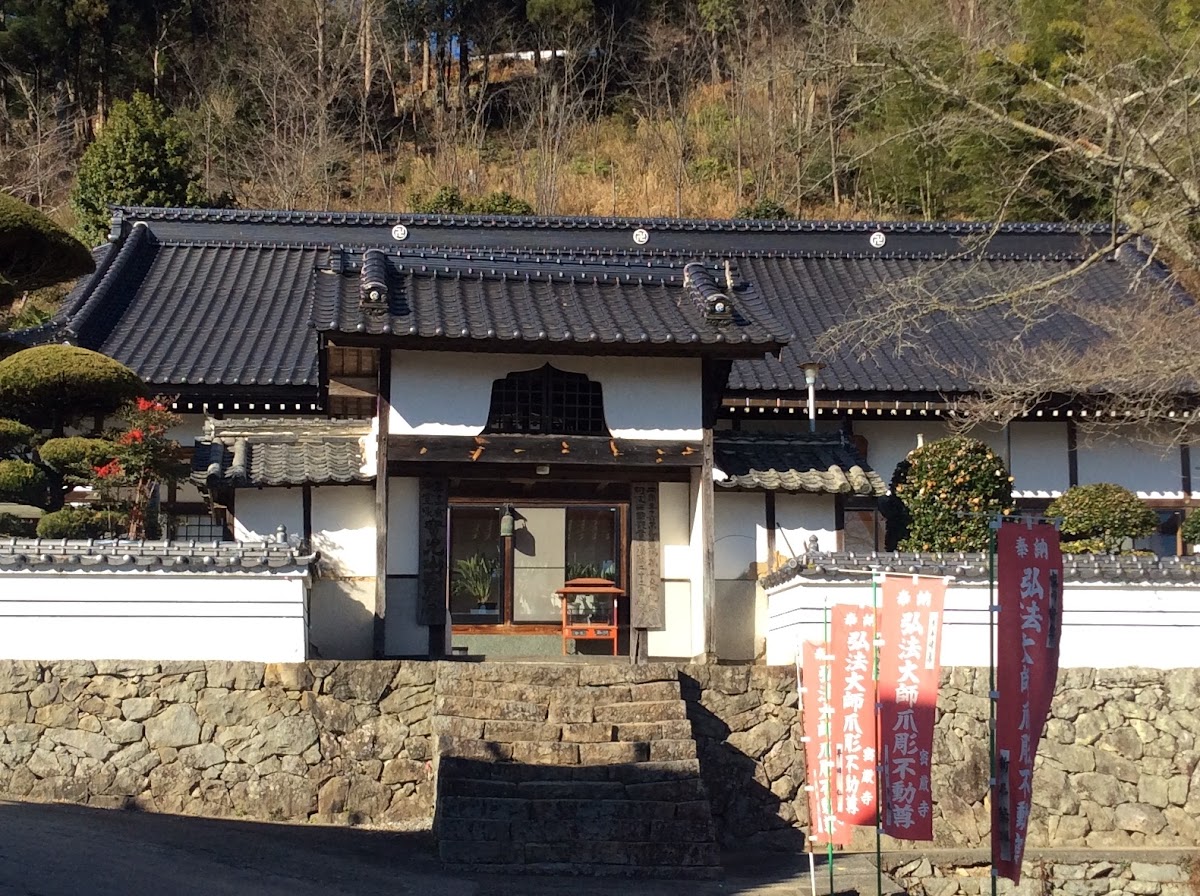
Mitsugonji Temple, located in Fudohonmachi, Tokushima City, is a temple belonging to the Koyasan Shingon sect.
- Mountain Name: Gōma-san
- Temple Name: Fudō-in
- Sect: Kōyasan Shingon Buddhism
- Principal Image: Nii-Fudō (Fudō Myōō)
- Acolyte Name: Ikeira Dōji
- Sacred Site: 13th Temple of the Shikoku Thirty-Six Fudō Pilgrimage
- Location: Fudōhonmachi, Tokushima City, Tokushima Prefecture
History and Origin
Mitsugonji Temple in Tokushima City has the formal name Gōma-san Fudō-in and enshrines Nii-Fudō as its principal image. The mountain name Gōma-san expresses the power of Fudō Myōō to “subdue evil,” indicating its character as a temple that wards off worldly desires and calamities.
Ishvara Dōji is one of the 36 attendants of Fudo Myoo (Acala), and his name originates from the Sanskrit word “Ishvara,” signifying his boundless power. This attendant particularly symbolizes wisdom and boundless power, and is believed to have the power to grant the wishes of worshippers.
About Ni’i Fudo
Ni’i Fudo is a statue of Fudo Myoo that has been revered in this region since ancient times. The name “Ni’i” is thought to originate from the place name, and it has been cherished as an object of faith deeply rooted in the community. Fudo Myoo is often depicted holding a sword in his right hand and a lasso (kensaku) in his left, with flames behind him, and is widely worshipped as a Buddha who severs evil and promotes good.
Access Information
Public Transportation:
- Take a city bus from JR Tokushima Station
- Get off at the “Fudohonmachi” bus stop and it’s a short walk.
By Car:
- Approximately 15 minutes from the Tokushima IC on the Tokushima Expressway
- We recommend checking parking availability in advance.
Other Mitsugonji Temples
Mitsugonji Temple in Hokkaido
Mitsugonji Temple also exists in Hokkaido and is the 20th temple on the Hokkaido Thirty-Three Kannon Pilgrimage.
- Mountain Name: Dainichizan
- Sect: Shingon-shu Buzan-ha
- Principal Image: Eleven-faced Kannon
- History: In the Meiji 30s (1897-1906), a Daishido (hall dedicated to Kobo Daishi) was built by a pioneer from Tokushima Prefecture, and the main hall was completed in Meiji 42 (1909), at which time the temple name was officially adopted.
The fact that it was founded in Hokkaido by a pioneer from Tokushima Prefecture suggests a connection to Mitsugonji Temple in Tokushima.
Mitsugonji Temple, Chita City, Aichi Prefecture
Mitsugonji Temple is located in Chita City, Aichi Prefecture, and is known as one of the five temples of Saburi.
- Principal Image: Eleven-faced Kannon Bodhisattva (City-designated cultural property)
- Features: Attracts local faith as a “prayer site of Saburi”
- Cultural Property: The principal image, believed to be from the Fujiwara period, is a valuable cultural property.
About the Shikoku Thirty-Six Fudo Pilgrimage
The Shikoku Thirty-Six Fudo Pilgrimage is a pilgrimage route that visits 36 temples enshrining Fudo Myoo (Acala) across the four prefectures of Shikoku. Along with the Shikoku Eighty-Eight Temple Pilgrimage, it is one of the important pilgrimage routes in Shikoku.
Characteristics of the Sacred Sites
- Target: Temples that enshrine Fudo Myoo as their principal deity or important object of worship
- Area: Tokushima Prefecture, Kagawa Prefecture, Ehime Prefecture, Takagawa Prefecture
- Number of Temples: 36 temples
- Pilgrimage Method: Can be visited by various methods such as walking, car, and bus
Fudo Myoo Worship
Fudo Myoo is considered an incarnation of Dainichi Nyorai and is the most important Myoo in Shingon Esoteric Buddhism. Its characteristics are:
- Sword in Right Hand: A sword of wisdom that cuts away worldly desires
- Lapsack in Left Hand: A rope of compassion that saves all sentient beings
- Flame: A purifying flame that burns away worldly desires
- Angry Expression: A strong will to subdue evil
These symbols represent deep compassion within strictness.
Guidelines for Visiting Mitsugonji Temple
Etiquette for Visiting
- Bow at the Temple Gate: Bow before entering the temple grounds.
- Purify at the Water Basin: Purify your left hand, then your right hand, then your mouth.
- Worship at the Main Hall: Join your hands in prayer and offer your prayers quietly.
- Sutra Copying: If you wish to receive a temple stamp, please do so respectfully.
- Bow Upon Exit: Turn back and bow when leaving the temple gate.
Attire and Belongings
- Attire: Clean and understated clothing is preferable.
- Shoes: Comfortable shoes for walking on the temple grounds.
- Belongings: Sutra copying notebook, prayer beads, offering money, etc.
- Seasonal Attire: Sun protection in summer, and warm clothing in winter.
Manners and Etiquette
- Worship quietly.
- Photography is only permitted in designated areas.
- Please eat and drink only in designated areas on the temple grounds.
- Please take all your trash with you.
- Please be considerate of other visitors.
Tourist Spots Around Mitsugonji Temple
Around Mitsugonji Temple, Miyoshi City
Iya Kazurabashi Bridge: Approximately 30 minutes by car. A famous suspension bridge, one of Japan’s three most unusual bridges.
Oboke and Koboke Gorge: Approximately 20 minutes by car. A scenic spot where you can enjoy the beauty of the Yoshino River gorge.
Ikeda Dam: Approximately 15 minutes by car. One of the largest dams in Shikoku, with a beautiful dam lake.
Around Mitsugonji Temple, Tokushima City
Mt. Bizan: A symbolic mountain of Tokushima City; the summit can be reached by ropeway.
Awa Odori Hall: A facility where you can experience Awa Odori, Tokushima’s traditional culture, all year round.
Tokushima Castle Ruins: The site of the castle of the Hachisuka family of the Tokushima Domain. Beautiful Gardens
Seasonal Highlights
Spring (March-May)
At Mitsugonji Temple in Miyoshi City, peonies are in full bloom from late April to early May. The sight of approximately 100 varieties and 700 peony plants blooming simultaneously is breathtaking. White, pink, red, yellow, and other colorful peonies adorn the temple grounds beautifully.
Summer (June-August)
This is a beautiful season of fresh greenery. The trees on the temple grounds are lush and green, allowing for a refreshing visit. However, remember to take precautions against the heat and stay hydrated.
Autumn (September-November)
During the autumn foliage season, the trees on the temple grounds change color, creating a picturesque landscape. Visiting the temple in the crisp autumn air is a special experience.
Winter (December to February)
The temple grounds, enveloped in silence during winter, exude an even more solemn atmosphere. On snowy days, you can also enjoy the beauty of the temple grounds covered in snow.
About Goshuin (Temple Seals)
At Mitsugonji Temple, a temple on the Shikoku Thirty-Six Fudo Pilgrimage, you can receive a Goshuin.
How to Receive a Goshuin
- First, complete your prayers.
- Present your pilgrimage notebook at the office.
- Pay the offering fee (usually around 300 yen).
- Receive your Goshuin respectfully.
Meaning of Goshuin
A Goshuin is not merely a commemorative stamp, but a precious item bestowed by the temple as proof of your visit. The temple name, principal image name, and date of visit are written in ink, and a red seal is stamped on it. Please keep it safe.
Pilgrimage Plan to Mitsugonji Temple
Day Trip Plan
Morning: Visit Mitsugonji Temple in Miyoshi City and enjoy peony viewing (spring).
Lunch: Enjoy local cuisine in Ikeda Town.
Afternoon: Sightseeing at Iya Valley’s Kazurabashi Bridge and Oboke/Koboke Gorge.
Pilgrimage Plan
When visiting the 36 Fudo temples of Shikoku, it’s a good idea to plan an efficient route visiting the temples within Tokushima Prefecture. It’s possible to visit the surrounding temples, including Mitsugonji Temple (temple number 5 and 13), in 1-2 days.
Accommodation
There are many hot spring inns and business hotels around Miyoshi City. Famous hot springs such as Iya Onsen are also nearby, making trips combining pilgrimage and hot springs popular.
Summary
Mitsugonji Temples are Shingon Buddhist temples scattered throughout Japan, primarily in Tokushima Prefecture, each possessing its own unique history and charm. In particular, the two Mitsugonji temples in Tokushima Prefecture welcome many pilgrims as pilgrimage sites for the 36 Fudo Myoo temples of Shikoku, and the temple in Miyoshi City is also known as a famous spot for peonies.
Mitsugonji temples, where faith in Fudo Myoo, beautiful flowers, and local history and culture are intertwined, are worth visiting for those seeking peace of mind and new discoveries. When visiting Shikoku, be sure to visit Mitsugonji temples and experience their tranquil atmosphere and abundant nature.
Through your visit, you can experience traditional Japanese faith and culture and spend a precious time to calm your mind. Especially during the spring peony season, you can have a special experience unlike any other, where the beauty of the flowers and Buddhist teachings are in harmony.