Complete Guide to Omonoimi Shrine: History of the Third Shrine of Dewa Province and Detailed Explanation of the Two Shrines
Omonoimi Shrine is a historic shrine located in Sakata City, Yamagata Prefecture. It has long been revered as the Third Shrine of Dewa Province and, as a Shikinaisha (a shrine listed in the Engishiki Jinmyocho), holds an important position in the history of Japanese shrines. This article provides a detailed explanation of the history, enshrined deities, origins, and access methods for the two Omonoimi Shrines located in Sakata City.
What is Omonoimi Shrine?: Basic Information and Overview
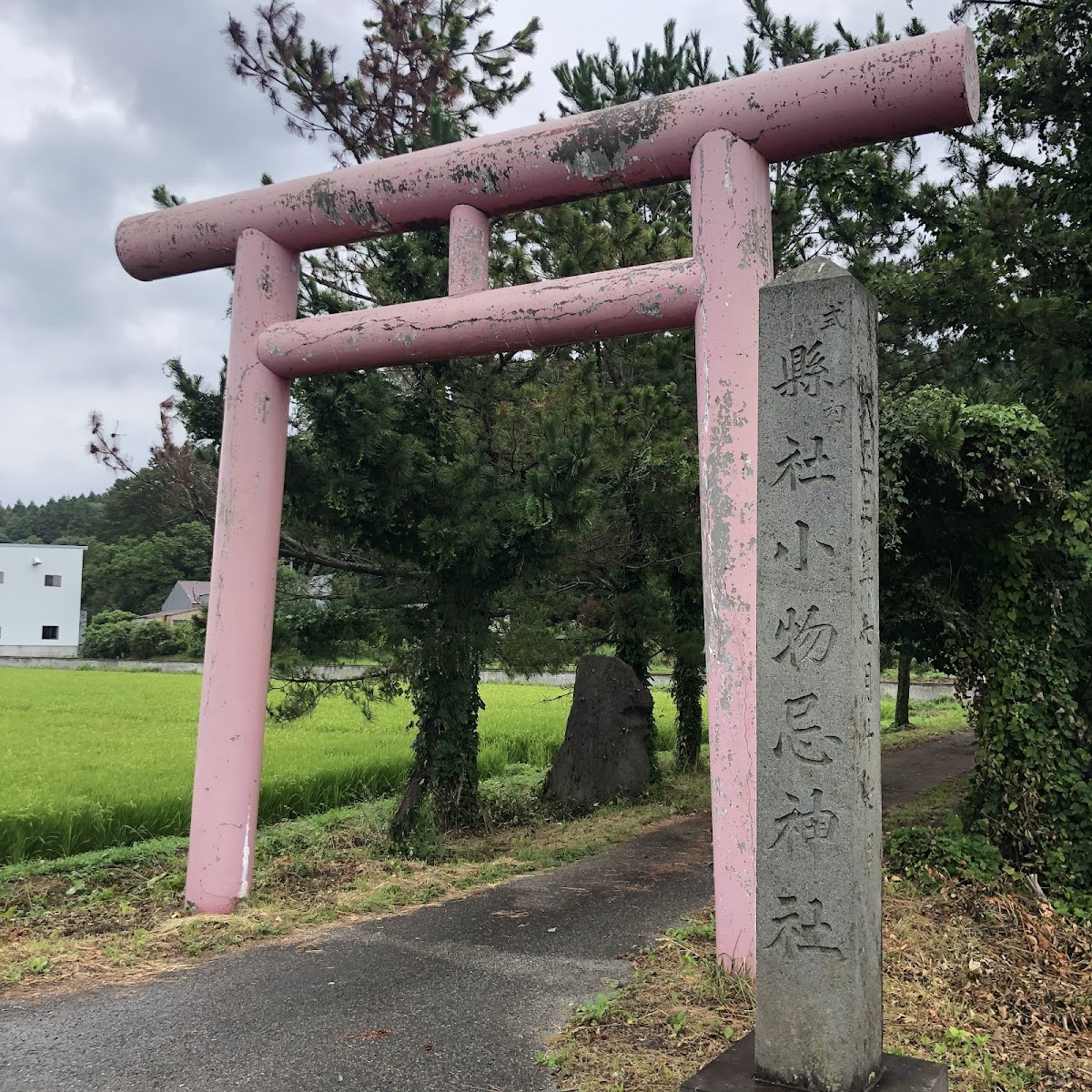
Omonoimi Shrine is a shrine located in Sakata City, Yamagata Prefecture. There are two shrines with the same name within Sakata City. One is located in Sannomiya, Yamadate, Sakata City, and the other is in Tobishima, Sakata City. Both shrines have high historical value and each has its own unique origins.
Status as the Third Shrine of Dewa Province
Omonoimi Shrine is known as the Third Shrine of Dewa Province. In the hierarchy of shrines in Dewa Province, it has held an important position second only to Chokaisan Omokimi Shrine (the Ichinomiya of Dewa Province). This “Third Shrine” status indicates that it was a center of religious worship in Dewa Province from ancient times to the Middle Ages.
Value as a Shikinaisha (Shrine Listed in the Engishiki)
As a Shikinaisha listed in the Engishiki Jinmyocho (a list of shrines compiled in 927 AD), Komonokami Shrine was a historically significant shrine already recognized by the imperial court during the Heian period. The Engishiki Jinmyocho is a list of major shrines throughout Japan compiled in 927 AD, and inclusion in it is an important factor in proving a shrine’s status and history.
Komonoimi Shrine (Yamadate): Details of the Main Shrine
Location and Basic Information
Location: 48 Sannomiya, Yamadate, Sakata City, Yamagata Prefecture
Former Shrine Rank: Prefectural Shrine
Association of Shinto Shrines: Affiliated
Komonoimi Shrine, located in Yamadate, is situated in the former Hirata Town area, in the eastern part of present-day Sakata City, near the foot of Mount Chokai. This area has flourished as a center of worship since ancient times.
Deities Enshrined
While there are slight differences in the enshrined deities of Komonoimi Shrine in Yamadate depending on the document, the main deities are as follows:
- Toyouke-hime no Mikoto: Goddess of food and grains
- Shinatsuhiko no Mikoto: God of wind
- Shinatsuhime no Mikoto: God of wind
These deities have been deeply revered by the people of the Shonai region as gods deeply involved in agriculture and navigation. Toyouke-hime no Mikoto, in particular, is known as the principal deity of the Outer Shrine of Ise Grand Shrine and is an important figure for those engaged in agriculture as the god of food and grains.
Origin and History
Founding Legend
According to shrine tradition, the founding of Komonoimi Shrine dates back to the reign of Emperor Keiko. It is said that Takenouchi no Sukune visited this place during his inspection of the eastern provinces and recorded it in the imperial register. The reign of Emperor Keiko is believed to have been from around 71 to 130 AD, so if this tradition is accurate, the shrine would have a history of nearly 2000 years.
Medieval to Early Modern Period
During the medieval period, it was the third-ranked shrine of Dewa Province and a central figure in local faith. After the Sengoku period, during the Edo period, it received the patronage of the Sakai clan, the lords of the Shonai Domain. The Sakai clan revered this shrine for generations, providing support for the repair of the shrine buildings and the festivals.
After the Meiji Era
Under the Meiji era’s shrine ranking system, Komonoimi Shrine was initially ranked as a village shrine. Later, in 1907 (Meiji 40), it was promoted to a regional shrine, and then to a prefectural shrine in 1914 (Taisho 3). This promotion was a result of the recognition of the shrine’s historical value and importance to the region.
Shrine Buildings and Grounds
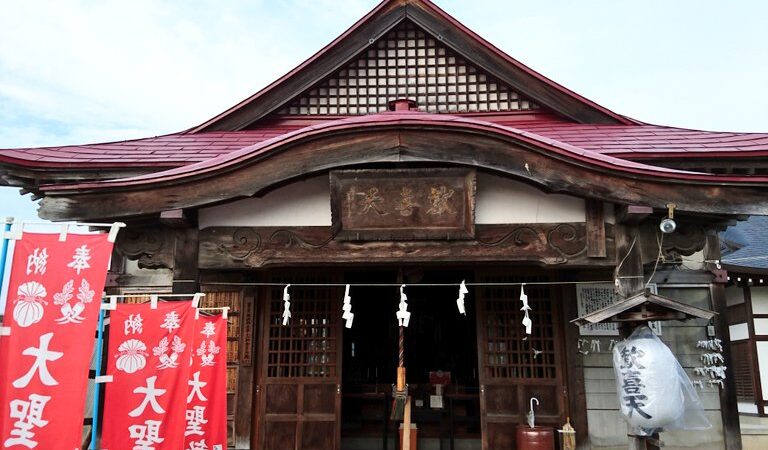
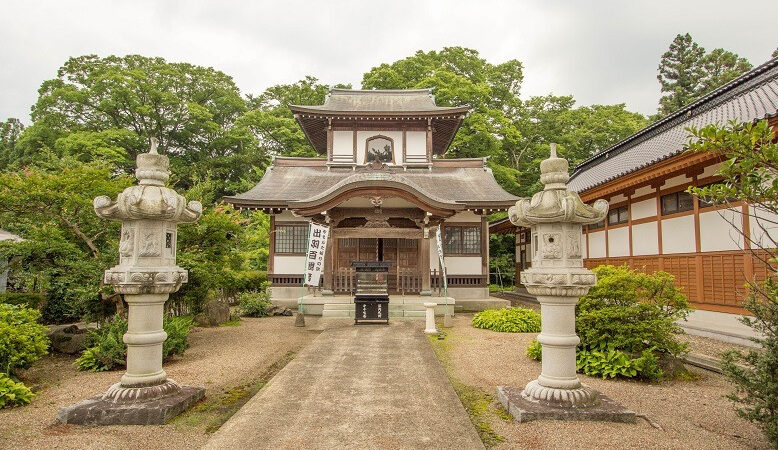
The main shrine building is constructed in the traditional style of Shinto shrine architecture and is surrounded by abundant nature. Ancient trees line the grounds, creating a tranquil atmosphere. The shrine buildings are based on structures that were renovated during the Edo period with the support of the Sakai clan, the lords of the Shonai Domain.
Besides the main shrine building, the grounds also include a worship hall and a purification fountain, welcoming visitors. Especially during the spring festival, local people gather to perform traditional rituals.
Komonoimi Shrine (Tobishima): A Shrine on an Island
Location and Basic Information
Location: 178 Nakamura-ko, Tobishima, Sakata City, Yamagata Prefecture
Former Shrine Rank: Gosha (Village Shrine)
Komonoimi Shrine on Tobishima Island is located on Tobishima, an island floating in the Sea of Japan, approximately 39 kilometers northwest of Sakata Port. Tobishima is the only inhabited island in Yamagata Prefecture and has played an important role as a key point for maritime traffic since ancient times.
Deities Enshrined
The deities enshrined at Komonoimi Shrine on Tobishima Island are:
- Shinatsuhiko-no-Mikoto
- Shinatobe-no-Mikoto
Both are gods who control the wind, and are particularly important deities for the islanders engaged in maritime traffic and fishing. For fishermen navigating the rough seas of the Sea of Japan, faith in the wind gods was a matter of utmost importance directly connected to their livelihoods.
History and Island Beliefs
Komonoimi Shrine on Tobishima Island has long been revered by the islanders as the guardian deity of the island. In the unique environment of a remote island, the shrine has served not only as a place of worship but also as a center of the community.
During the Meiji era, it was ranked as a local shrine and officially recognized as the guardian shrine of the island. Even today, many islanders visit the shrine during the island’s major festivals.
Access to and Visiting Tobishima Island
To visit Tobishima Island, take the regular ferry “Tobishima” from Sakata Port. The journey takes approximately 75 minutes, but operating conditions may change depending on the weather, so prior confirmation is necessary. The island can be explored on foot or by bicycle, and the shrine is located in the center of the island.
Relationship between the two Komonoimi Shrines
There are several theories regarding the existence of two shrines with the same name within Sakata City. One theory is that the Yamadate Shrine on the mainland is the main shrine, and the Tobishima shrine is a branch or related shrine. Another theory is that they each have independent histories and the similar names are purely coincidental.
Both shrines enshrine the god of wind, reflecting the importance of wind in the climate and livelihoods (agriculture and fishing) of the Shonai region. Furthermore, both shrines are sometimes linked to the Chokaisan Omokami Shrine, suggesting that the name “Komonoimi” itself may be a designation for “Omokami.”
Relationship with Chokaisan Omokami Shrine
The relationship with Chokaisan Omokami Shrine is important when discussing Komonoimi Shrine. Chokaisan Omokimi Shrine is the Ichinomiya (first-ranked shrine) of Dewa Province, and the highest-ranking shrine in the Shonai/Akita region. The contrast between the names “Omokimi” and “Komonokimi” suggests a historical connection between the two.
One theory suggests that Komonokimi Shrine is a shrine that enshrines a divided spirit of Omokimi Shrine, or a shrine that enshrines a related deity. Furthermore, the word “monoimi” itself refers to the act of purifying the mind and body and avoiding defilement during Shinto rituals, suggesting that both shrines performed strict Shinto ceremonies.
Engishiki Jinmyocho and Komonokimi Shrine
The inclusion of Komonokimi Shrine in the Engishiki Jinmyocho proves that this shrine was already recognized by the imperial court during the Heian period. The number of shrines listed in the Engishiki in Dewa Province was limited, and its inclusion is clear evidence of the shrine’s importance in ancient times.
The Engishiki Jinmyocho lists it as “Komonokimi Shrine, Akumi District, Dewa Province,” indicating that it belonged to Akumi District, the administrative division at the time. This inscription granted Komonoimi Shrine the status of a “Shikinaisha” (a shrine listed in the Engishiki), ensuring its historical value would be recognized for generations to come.
Changes in Shrine Rank: From Village Shrine to Prefectural Shrine
Due to the Meiji-era reform of the shrine system, shrines throughout Japan were ranked according to their status. The changes in the shrine rank of Komonoimi Shrine (Yamadate) are as follows:
- Early Meiji Period: Ranked as a Village Shrine
- Meiji 40 (1907): Promoted to a Regional Shrine
- Taisho 3 (1914): Promoted to a Prefectural Shrine
This promotion process was the result of a comprehensive evaluation of the shrine’s historical value, regional importance, and maintenance status. A Prefectural Shrine is a major shrine in each prefecture, signifying that Komonoimi Shrine was officially recognized as an important shrine in the Shonai region.
Meanwhile, Komonoimi Shrine on Tobishima Island was ranked as a Regional Shrine. Considering its location on a remote island, the shrine’s status as a “Gōsha” (village shrine) was highly regarded for an island shrine.
Festivals and Annual Events
At Komonoimi Shrine, various festivals and Shinto rituals are held throughout the year. Particularly important is the spring festival, where local people gather to pray for a bountiful harvest and family safety.
Main Annual Events
- New Year’s Day Festival (January 1st): Celebrating the New Year and praying for peace throughout the year
- Spring Grand Festival: Celebrating the arrival of spring and praying for safety in agricultural work and a bountiful harvest
- Autumn Grand Festival: Giving thanks for the harvest and praying for a bountiful harvest in the following year
- Monthly Festival: A ritual held regularly every month
These festivals are important opportunities for passing on the region’s traditional culture and are handed down through generations.
The Sakai Clan, Lords of the Shonai Domain, and Komonokami Shrine
During the Edo period, the Sakai clan, who ruled the Shonai Domain, held Komonokami Shrine in high esteem. Since becoming lords of the Shonai Domain in 1631, the Sakai clan dedicated themselves to protecting the major shrines within their territory, and Komonokami Shrine was among them.
The Sakai clan’s support included:
- Funding for the repair and construction of the shrine buildings
- Donation of shrine lands
- Participation in and offerings at festivals
- Support for Shinto priests
Thanks to this patronage from the lords, Komonokami Shrine was maintained throughout the Edo period and survived until the Meiji Restoration. The foundation of the current shrine buildings also dates from this period of development.
Cultural Assets and Historical Value
Komonokami Shrine possesses a variety of cultural assets accumulated over its long history. Valuable materials that tell the story of the shrine’s history, such as ancient documents, divine statues, and ritual implements, are preserved there.
These cultural artifacts are important historical sources not only for studying the history of the shrine itself, but also for researching the history, beliefs, and culture of the Shonai region. Documents from the medieval to early modern periods, in particular, provide clues to the social conditions and religious practices of the time.
Komonoimi Shrine in Modern Times
Currently, Komonoimi Shrine belongs to the Association of Shinto Shrines and functions as the local tutelary shrine. Despite facing modern challenges such as depopulation and an aging population, traditional festivals and rituals continue thanks to the efforts of local residents and worshippers.
In recent years, it has also become a tourist attraction, drawing visitors interested in history and culture. Its historical value as a Shikinaisha (a shrine listed in the Engishiki), its status as the third-ranked shrine of Dewa Province, and its beautiful natural surroundings attract visitors.
Komonoimi Shrine in Modern Times ## Access and Visiting Information
Access to Komonoimi Shrine (Yamadate)
Public Transportation:
- Take the Shonai Kotsu bus from JR Uetsu Main Line “Sakata Station”
- Get off at “Narabashiguchi” bus stop and walk for about 15 minutes.
By Car:
- Approximately 20 minutes from Nihonkai Tohoku Expressway “Sakata Chuo IC”
- Parking: Parking available for visitors on the shrine grounds.
Address: 48 Sannomiya, Yamadate, Sakata City, Yamagata Prefecture 999-6701
Access to Komonoimi Shrine (Tobishima)
Regular Ferry:
- Take the regular ferry “Tobishima” from Sakata Port “Regular Ferry Terminal”
- Travel time: Approximately 75 minutes
- Operation: 1-2 times per day (varies seasonally)
- Note: May be cancelled due to weather; prior confirmation is essential.
On the Island:
- Approximately 10 minutes on foot from Katsuura Port
- Bicycle rental available
Address: 178 Nakamura-ko, Tobishima, Sakata City, Yamagata Prefecture 998-0281
Etiquette for Visiting Shrines
When visiting a shrine, please observe the following basic etiquette:
- Bow before passing through the torii gate
- Avoid walking in the center of the approach to the shrine
- Cleanse your hands and mouth at the purification fountain
- Bow twice, clap twice, and bow once in front of the main hall
- Be quiet on the shrine grounds, and take photographs with moderation
Nearby Tourist Attractions
When visiting Komonoimi Shrine, we recommend also visiting nearby tourist attractions.
Around Yamadate
- Mt. Chokai: One of Japan’s 100 Famous Mountains, popular for hiking and nature observation.
- Sakata City: Historical buildings such as the Sankyo Warehouse and the former Honma family residence.
- Shonai Plain: Beautiful rural scenery and rich food culture.
Tobishima Island
- Tobishima Lighthouse: The island’s symbol, a beautiful landscape.
- View of Mt. Chokai: The view of Mt. Chokai from the island is spectacular.
- Fishing Spot: The surrounding area is known as a good fishing ground.
The Faith of Komonoimi Shrine and the Modern Era
The faith of Komonoimi Shrine has continued uninterrupted from ancient times to the present day. As a shrine dedicated to the gods of wind and food, it has attracted the faith of people engaged in agriculture and fishing.
Even today, people visit to pray for abundant harvests, family safety, and safe voyages. Furthermore, for those interested in history and culture, its historical value as a Shikinaisha (a shrine listed in the Engishiki, an ancient Japanese legal code) is a major attraction.
For local communities, shrines function not only as places of worship but also as gathering places where people come together and traditions are passed down. During festivals, intergenerational exchanges occur, strengthening community bonds.
Summary: The Charm of Komonoimi Shrine
Komonoimi Shrine is a prestigious shrine boasting nearly 2000 years of history, holding the status of the third-ranked shrine of Dewa Province and a Shikinaisha (a shrine listed in the Engishiki, an ancient Japanese legal code). It is situated in two locations, Yamadate and Tobishima, each fostering its own unique history and beliefs.
As a shrine dedicated to the gods of wind and food, it has been deeply intertwined with the lives of the people of the Shonai region and revered across generations. Its historical value has been officially recognized, including the patronage of the Sakai clan, the lords of the Shonai domain, and its elevation to a prefectural shrine during the Meiji era.
Even today, it remains a beloved local shrine and a historical and cultural asset. The tranquil grounds, surrounded by abundant nature, offer peace of mind to visitors.
When you visit Yamagata Prefecture, be sure to stop by Komonoimi Shrine and experience its long history and faith. It is a precious place where you can experience Japan’s spiritual culture that has continued since ancient times.