About Hokkeji Temple
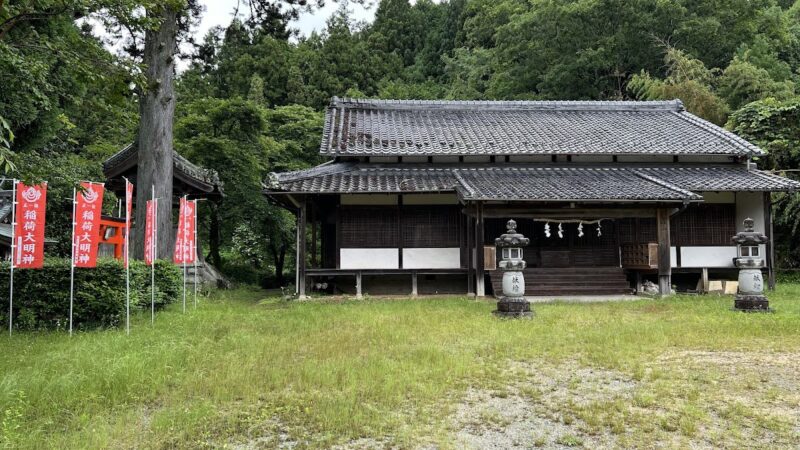
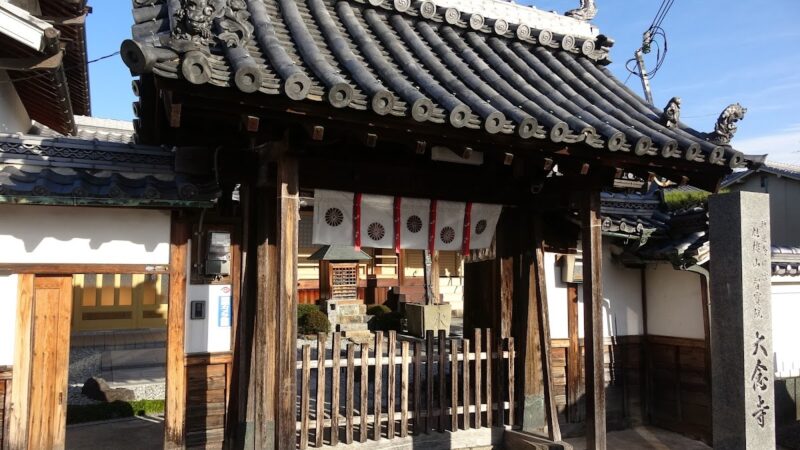
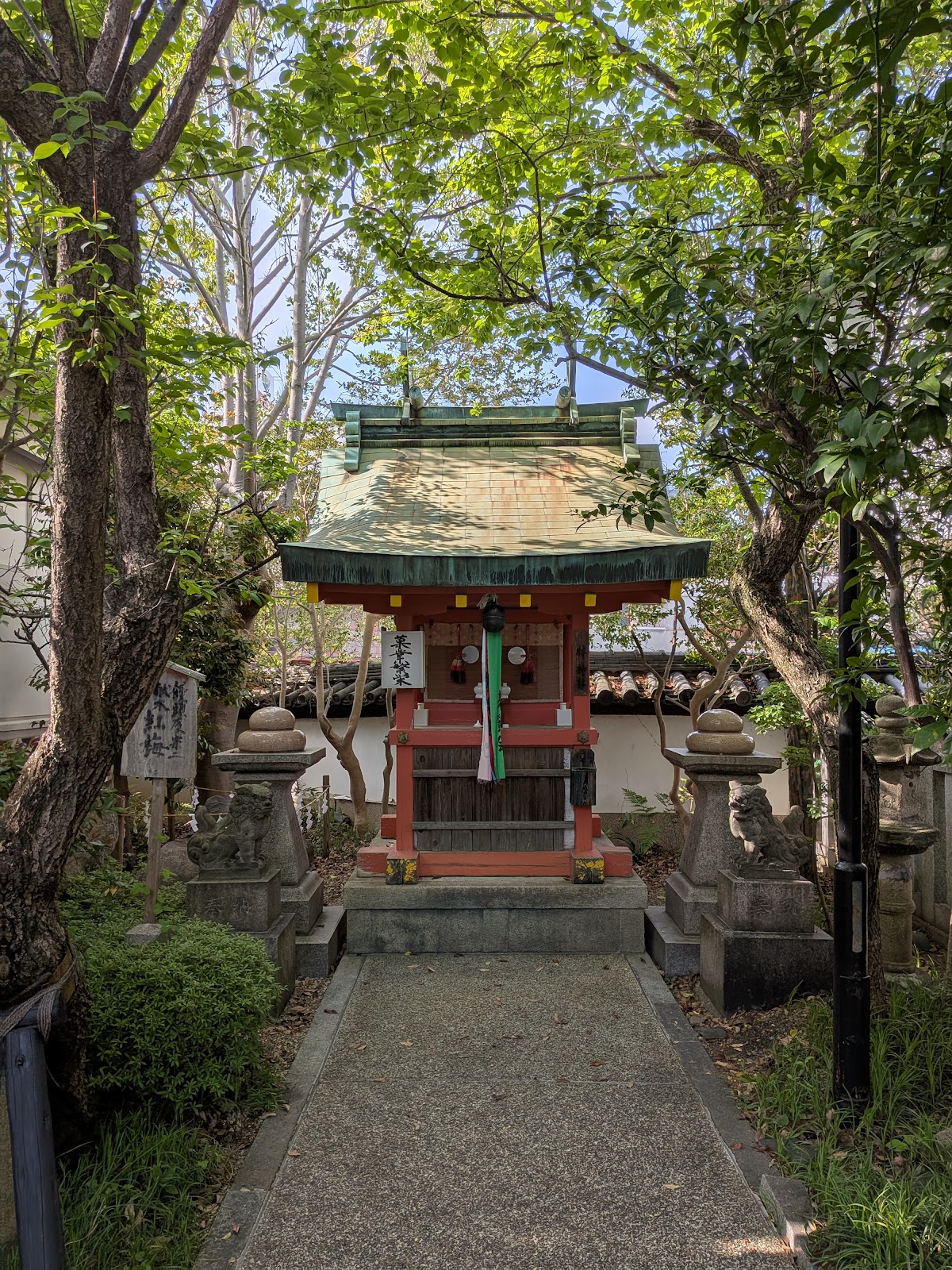
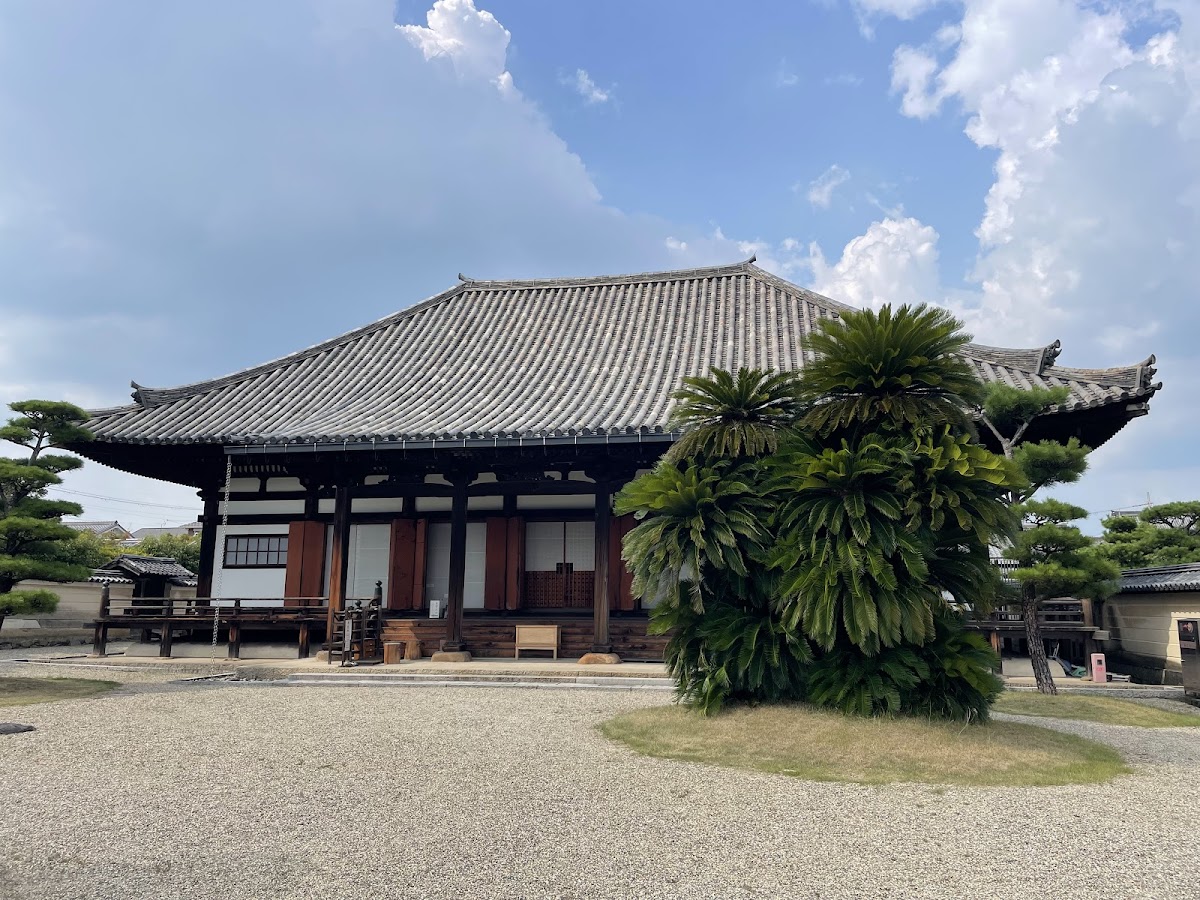
Hokkeji Temple is a Buddhist temple founded in 745 (Tenpyo 17) by Empress Komyo at the behest of Emperor Shomu. As the head temple of all the provincial nunneries established throughout Japan, it boasts a status comparable to that of Todaiji Temple.
Located in Hokkeji-cho, Nara City, it was built on the site of the residence of Fujiwara no Fuhito, Empress Komyo’s father. The vast grounds, located northeast of Heijo-kyo (the ancient capital), contain the main hall, bell tower, and Kogetsu-tei pavilion, conveying the grandeur of its past.
Main Highlights
Eleven-Headed Kannon Bodhisattva Standing Statue (National Treasure)
The principal image enshrined in the main hall is the Eleven-Headed Kannon Bodhisattva standing statue, said to have been modeled after Empress Komyo. This statue, designated a National Treasure, is a wooden sculpture exceeding 1 meter in height and is considered one of the finest masterpieces of Tenpyo-era sculpture.
Viewing is only possible during the special opening periods in spring (March 20th to April 7th) and autumn (October 25th to November 10th). The intricate openwork carvings on the halo and the elegant depiction of the drapery are a must-see.
Scenic Garden
The pond garden located south of the main hall is designated a National Scenic Spot. Created during the Edo period, the garden displays seasonal beauty, with particularly stunning cherry blossoms in spring and vibrant autumn foliage.
At the Kōgetsu-tei tea house within the garden, you can enjoy matcha tea (500 yen) while quietly admiring the garden.
Karafuro (Bathhouse Remains)
The remains of an ancient steam bath, “Karafuro,” said to have been established by Empress Kōmyō for the poor, still exist. Designated an Important Cultural Property, this facility embodies the Buddhist spirit of compassion and holds high historical value. It is specially opened to the public every June.
Points to Note When Visiting
Visiting Hours and Fees
- Normal Visiting Hours: 9:00 AM – 5:00 PM (Last entry at 4:30 PM)
- Admission Fee: Adults 700 yen, Junior/Senior High School Students 500 yen, Elementary School Students 300 yen
- Special Opening Period for the Main Image: Admission fee changes to 1,000 yen
Recommended Visiting Route
- Enter through the South Gate and first view the main image at the main hall.
- Stroll through the garden and take a break at the Kōgetsu-tei tea house.
- Visit the bell tower and historical sites within the temple grounds.
- If time permits, visit the Karafuro (open only during designated periods).
The estimated time required is approximately 60-90 minutes.
Annual Events
- Late March to Early April: Cherry blossom season, special opening of the main image
- Early June: Special opening of the Karafuro bath
- Late October to Early November: Autumn foliage season, special opening of the main image
Benefits
Hokkeji Temple is known as a nunnery that prays for women’s happiness, and is said to offer the following benefits:
- Safe childbirth and fertility: Benefiting from the compassion of Empress Komyo
- Healing from illness: Praying for health based on the origin of the Karafuro bath
- Protection from evil and good fortune: Sacred efficacy as the head temple of the Kokubun-niji nunnery
- Successful marriage: Protection from Kannon, who prays for women’s happiness
The temple is particularly popular with female visitors, and many come to the temple at important turning points in their lives.
Access
By Train and Bus
- Approximately 15 minutes by Nara Kotsu bus bound for “Air Self-Defense Force” from Kintetsu Nara Station, get off at the “Hokkeji” bus stop.
- Approximately 20 minutes by the same bus from JR Nara Station.
- Approximately 20 minutes on foot from Kintetsu Yamato-Saidaiji Station.
By Car
- Approximately 10 minutes from the Horai IC on the Daini-Hanna Expressway.
- Parking: Free (approximately 30 spaces)
Address and Inquiries
- Address: 882 Hokkeji-cho, Nara City, Nara Prefecture 630-8001
- Phone: 0742-33-2261
Nearby Attractions
Around Hokkeji Temple, there are many ancient temples of the Sahoji region, including Kairyuoji Temple (an ancient temple of the Shingon Ritsu sect) and Futaiji Temple (a temple associated with Ariwara no Narihira). The Heijo Palace Site is also within walking distance, making this area ideal for exploring the history of the ancient capital of Nara.